
Reviewed · VAN GOGH MUSEUM ENTRY TICKETS
Amsterdam: 2-hour Rembrandt & Van Gogh walking tour
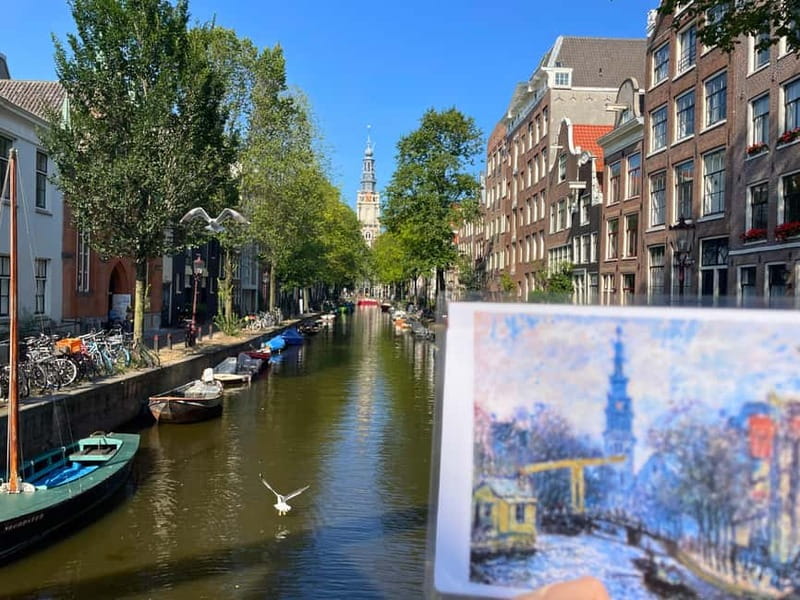
Some cities feel like museums. Amsterdam is the one that paints back at you. This 2-hour Rembrandt and Van Gogh walking tour turns familiar Dutch Masters names into real street corners, bridges, and buildings you can point at while your guide connects the dots.
I especially love how the tour makes the Dutch Masters make sense fast, with guides like Manouk explaining big ideas in plain language. I also like the route because it mixes art stories with a guided stroll through classic Amsterdam neighborhoods, not just stop-and-sit facts. One drawback to consider: this tour is all walking, and it does not include museum entrance tickets, so it is not the option if you want to go inside galleries during the 2 hours.
In This Review
- Key highlights in plain terms
- Walking with Dutch Masters, not just their posters
- Meeting at Prins Hendrikkade 95, then getting your bearings fast
- Nieuwmarkt Square: where the tour’s Amsterdam story begins
- Het Trippenhuis: art meets the city’s big ambition
- Zuiderkerk and the bridge between art and place
- Rembrandthuis and the Nightwatch connection you can picture
- Staalmeestersbrug: the Monet bridge moment
- Oudemanhuispoort and the artist network feeling
- Tivoli Doelen Amsterdam Hotel: closing the storyline without rushing
- Ending at Blauwbrug: where the last views land
- Price and value: is $22 fair for 2 hours?
- What kind of traveler should book this
- My honest booking call
- FAQ
- How long is the Amsterdam Rembrandt and Van Gogh walking tour?
- Where do I meet the guide?
- Is the tour in English?
- Are museum tickets included?
- Is the tour wheelchair accessible?
- What is the cancellation policy?
Key highlights in plain terms
- 2 hours, focused route: enough time to connect the major artists without turning into a marathon.
- Artist locations on a walk: you see real places linked to Rembrandt, Van Gogh, and other Dutch Masters.
- Nightwatch origin stories: the itinerary includes the areas connected to Rembrandt’s iconic work.
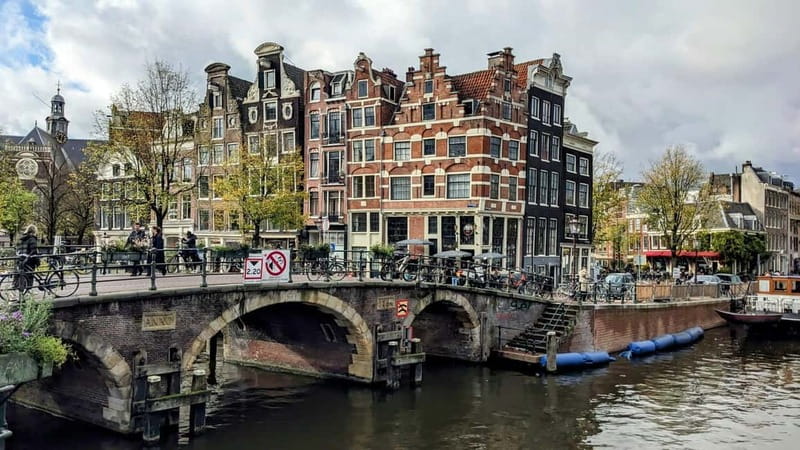
- A Monet bridge stop: you visit the Staalmeestersbrug linked to Monet’s Amsterdam artwork.
- Local guide energy: a passionate art guide keeps the explanations clear and flowing.
- Good follow-on plan: you get ideas for what to seek out later at the Rijksmuseum.
Walking with Dutch Masters, not just their posters
Amsterdam is famous for paintings, but the city also explains why those paintings happened here. On this tour, you do not get a lecture from a distance. You get a guided walk where the art comes with location clues, period context, and quick stories that help you read the city like a gallery.
The “wow” part is how quickly your brain connects names to places. Rembrandt and Van Gogh can feel like two separate chapters in schoolbooks. Here, they turn into a timeline you can walk along, with other artists in the mix too, including Vermeer and Frans Hals. You also get a sense of the Dutch Golden Age, where art mattered socially and culturally, not just as decoration.
For your viewing later, this matters. When you stand in a museum and see a painting, you usually see brushwork first. This kind of tour helps you see the surrounding world first. That makes the art click, even if you are not the type to memorize every date.
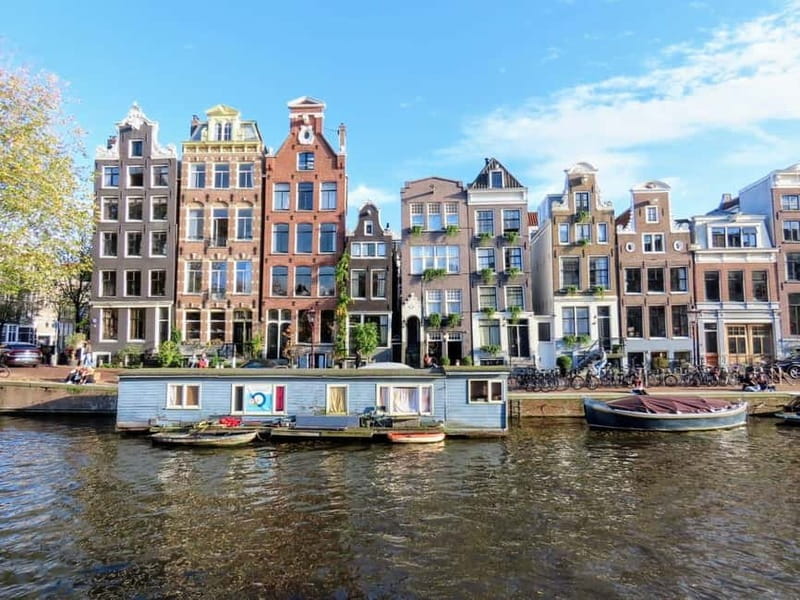
And yes, you’ll get plenty of photo opportunities. Amsterdam is built for it, and the tour route is chosen to give you visual moments, like bridges and street views that fit the stories.
Other Rembrandt trails through Amsterdam:
- Amsterdam: Van Gogh & Rembrandt Captivating Experience Entry
★ 4.3 · 615 reviews - Rembrandts Experience Amsterdam Admission Ticket
★ 4.5 · 521 reviews - Rembrandt House Museum Amsterdam Entrance Ticket
★ 4.5 · 355 reviews
Meeting at Prins Hendrikkade 95, then getting your bearings fast
You meet at Prins Hendrikkade 95, on the left side of Schreierstoren. The directions are specific: you face Central Station with your back toward it, and the guide holds a sign that says Guidance.
I like this setup for two reasons. First, it’s easy to find with a landmark. Second, it helps you avoid the usual first-10-minutes scramble that can ruin the start of a walking tour. Your guide is there and ready, which sets the tone for a smooth 2-hour experience.
From there, the walk is designed so you keep moving while the guide keeps the story coherent. Expect a rhythm of walking, short explanations, and a few spots where you can look around and take pictures. Since it is 2 hours, your guide can cover meaningful ground without burning out the group.
One practical note: the tour is wheelchair accessible. That’s important for Amsterdam walking routes, because some areas can be uneven or narrow. If you need accessibility support, this detail is worth factoring in when you pick your day plan.
Nieuwmarkt Square: where the tour’s Amsterdam story begins
Your first stop is Nieuwmarkt Square. This is a good opening because it gives you an Amsterdam “anchor” before the art-focused specifics start stacking up.
From a practical perspective, the square works as a reset. You’re fresh, you can orient yourself, and you get an overview of how the city’s art scene fits into its broader history. The tour doesn’t treat art as floating in the clouds. You hear why Amsterdam supported artists and how people lived in the kind of city where painting became a major cultural language.
If you’re coming from the canal side or the station area, Nieuwmarkt also helps you transition into the older, story-rich parts of the city. You’re not just walking from one artwork-adjacent point to another. You’re getting the sense that these artists had a real urban environment shaping them.
Het Trippenhuis: art meets the city’s big ambition
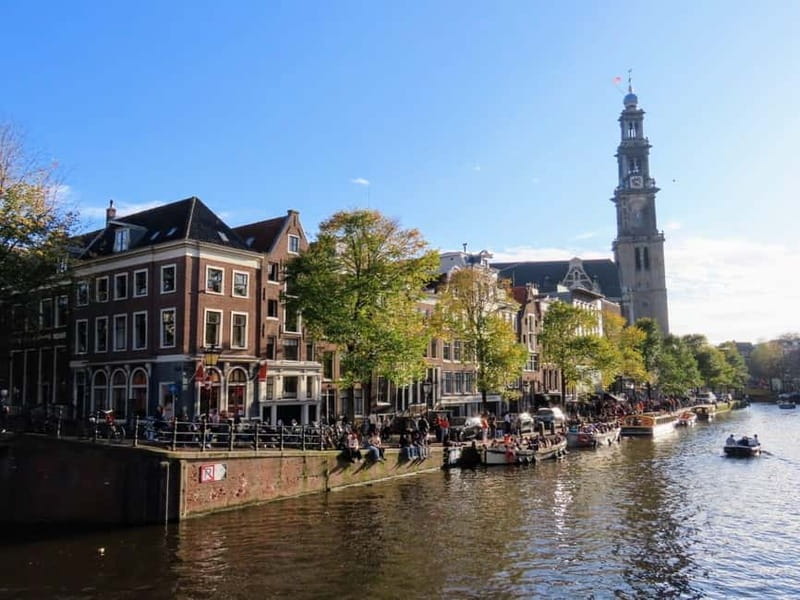
Next up is Het Trippenhuis. Even if you don’t recognize the building at first glance, the tour frames it as more than architecture. It becomes part of the larger why behind Dutch art: Amsterdam had the wealth, the patrons, and the cultural appetite to support major work.
This is where the tour’s “artist stories become city stories” approach really shows. You get context on what a Dutch Master’s success looked like and how art fit into the social world.
What I like here is the balance. This is not just about praising genius. It’s about understanding the environment that made that genius possible. That approach helps if you later visit the Rijksmuseum, because you’ll recognize not only the masterpieces, but the forces behind them.
More entries for the Van Gogh Museum:
Zuiderkerk and the bridge between art and place
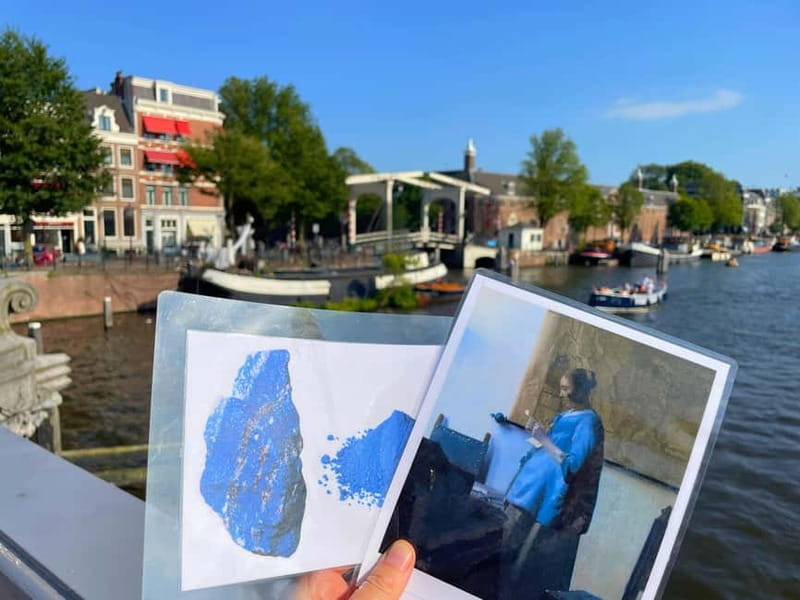
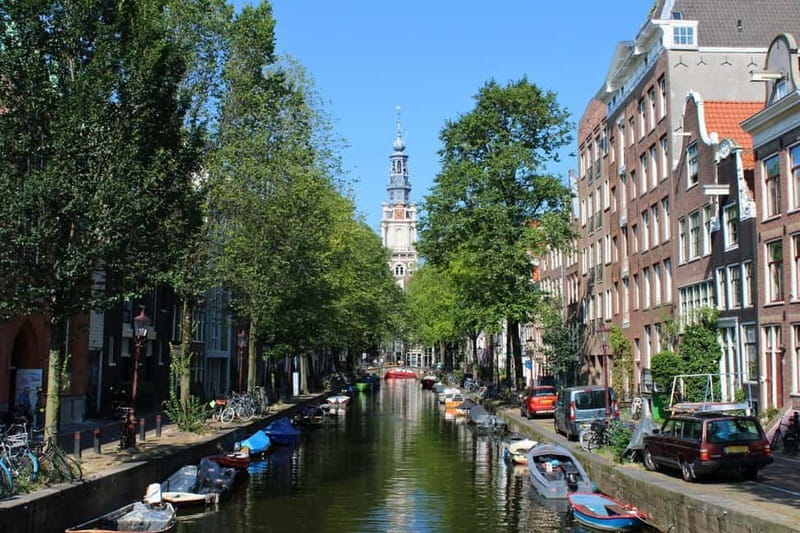
Your itinerary includes Zuiderkerk, and it’s a strong mid-walk stop because it shifts the story from “art in general” to “art in a specific city landscape.”
Churches and public landmarks matter in Amsterdam’s art context because they reflect what the city valued, how communities gathered, and how art and status could overlap. The guide uses the stop to keep the narrative anchored in real urban structure, not just painter timelines.
I also like that you’re not just standing still staring at one building. As you move on, the guide keeps linking back to the artists you care about. That helps your mind stay oriented, especially during a 2-hour tour where attention can fade if the story feels fragmented.
Rembrandthuis and the Nightwatch connection you can picture
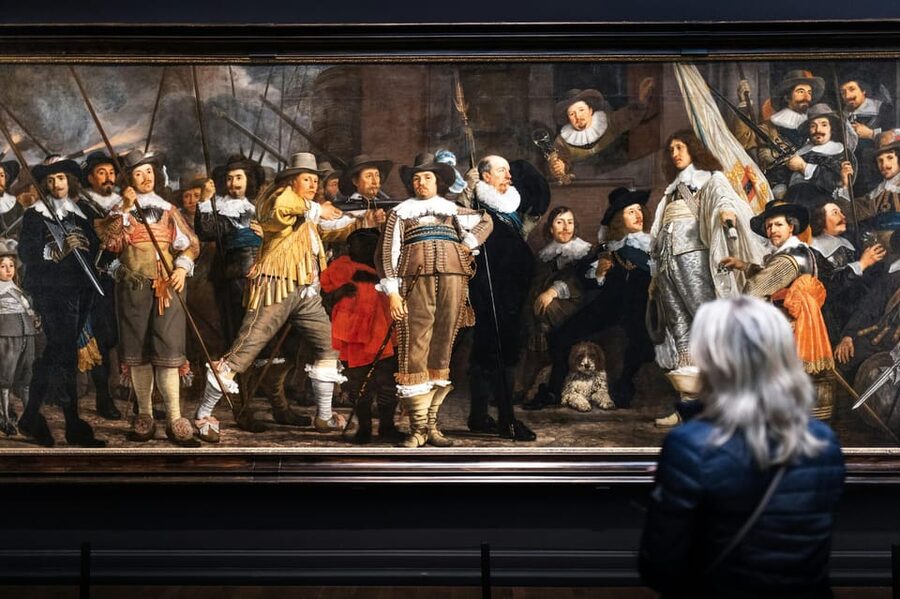
One of the most important stops is the museum Rembrandthuis. Here’s where the tour aims to make the Rembrandt thread feel tangible, and it specifically connects to the iconic Nightwatch.
The way this works for you, as a viewer, is simple. Instead of treating Nightwatch as a famous painting that happened in history, the guide connects it to the lived and built environment around Rembrandt during his time. You get the kind of context that helps you understand why that painting could exist when and where it did.
If you plan to see Nightwatch in person later, this stop has real payoff. Even if you don’t know much about Rembrandt beyond the name, the guide’s explanation gives you a story spine you can follow as you look at the work in a museum setting.
And because the tour is walking, you also get the advantage of scale. You can look around and feel the city as the background to those artworks. Art history becomes less abstract.
Staalmeestersbrug: the Monet bridge moment
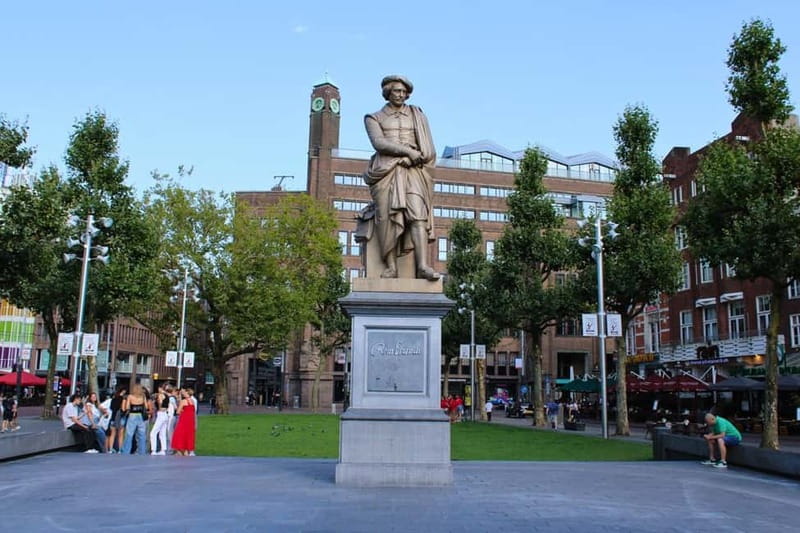
You finish the core art route at Staalmeestersbrug, Amsterdam. This is a highlight because the tour includes a specific claim: this is the bridge where Monet painted his famous artwork of Amsterdam.
Even if you already knew Monet painted Amsterdam scenes, this stop is still useful. You’ll see how later art movements borrowed ideas from earlier European painting culture, and you’ll get a physical sense of how the city looked to artists across centuries.
From a photo standpoint, it also makes sense. Bridges are naturally “composable” for street photography, and your guide’s framing helps you take a picture that matches the story instead of a random canal snapshot.
This stop also reinforces the tour’s broader point: the Netherlands produced many master painters, but the inspiration was not only in studios. It was in everyday urban life, waterways, and the built environment.
Oudemanhuispoort and the artist network feeling
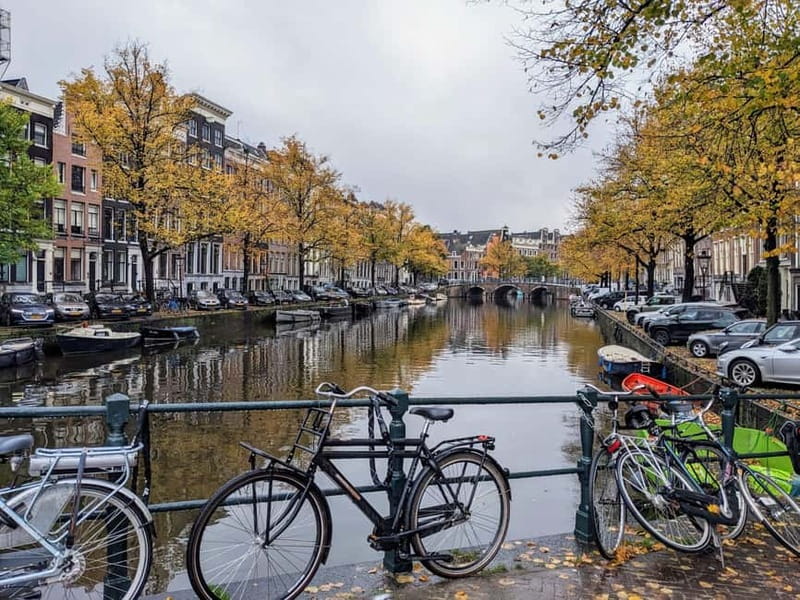
Your itinerary includes Oudemanhuispoort. This stop helps the tour move from big names to connections and influences, including how later artists built on earlier traditions.
This is the part of the tour where the city starts feeling like an interconnected network. Rembrandt, Vermeer, Frans Hals, Van Gogh, and even the Impressionist link through Monet all start to feel like part of a single storyline rather than separate chapters.
If you like tours that make you think about how art trends travel from one generation to the next, this is a good moment. It’s also a good chance to ask yourself what you tend to notice in paintings. Do you focus on faces? Light? Color? After a tour like this, you’ll likely find yourself noticing “why” more than “what.”
Tivoli Doelen Amsterdam Hotel: closing the storyline without rushing
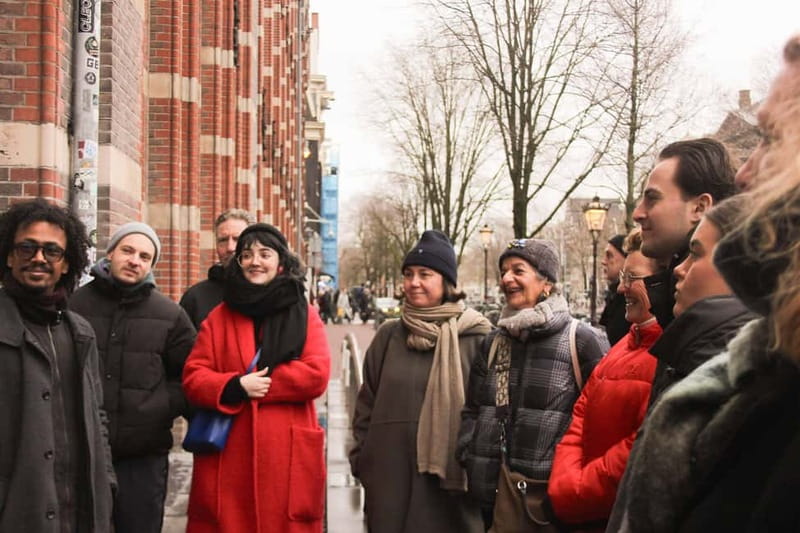
You also visit Tivoli Doelen Amsterdam Hotel during the walk. This can feel like a “pause” stop, a place where the guide ties together what you’ve learned so far and prepares you for the final stretch.
Even though it is a hotel, the tour uses it as a waypoint rather than a dead end. The point is not the building itself in isolation. The point is how the guide keeps your timeline coherent as you head toward the finish.
At this stage, I find it helps if you have your questions ready. You’ll have heard enough by then to make your curiosity sharper, whether that means asking about specific painters mentioned or how Dutch Golden Age art differed from later movements.
Ending at Blauwbrug: where the last views land
Your tour finishes at Blauwbrug. Ending on a bridge makes sense in Amsterdam. It’s a visual wrap-up where you can still look around and take in the water and city lines that inspired artists for generations.
After 2 hours, you should feel like you’ve done something more meaningful than a random sightseeing walk. You have a story map in your head, and now the city looks different. You’re not just passing scenery. You’re seeing the setting that art grew from.
Price and value: is $22 fair for 2 hours?
At $22 per person for 2 hours, this tour is priced like a smart, low-risk way to get art context without spending big museum money up front. The biggest value factor is that it gives you an explanation layer. That’s hard to do on your own while walking around, because the city moves fast and art history can feel like a list of names.
Another value point: the tour does not include museum entrance tickets, which keeps the cost down. You’re paying for a local guide with a passion for art and for the guided connections between places and paintings. If you want to later add museum time, this tour helps you know what to look for, which often makes the paid museum time feel more focused.
What might not be value for you: if you are the type who only enjoys art when you can see paintings up close immediately, you may prefer a tour that includes museum entry. This one is about street-level storytelling and context.
What kind of traveler should book this
This tour fits best if you want art context without committing to a full museum day. It’s also great for you if you know only a few Dutch Masters already and want the bigger picture.
I’d especially recommend it if:
- you’re going to the Rijksmuseum soon and want to go in with a roadmap
- you like walking tours where the story matters, not just the scenery
- you want a clear explanation even if art is not your main hobby
- you’re traveling with a mix of interests, because history and Amsterdam scenery show up too
It might not fit if:
- you hate walking or have limited mobility and cannot adapt to a walking route
- you need inside museum time as part of the experience
- you want strict academic lectures with long museum-style explanations
My honest booking call
If you’re spending time in Amsterdam and you want your first art day to feel organized and human, I’d book this. It’s short enough to fit into almost any itinerary, and it gives you an art storyline you can carry into museum visits.
Also, the guide style matters. The reviews highlight that the guide approach is engaging and makes art easier to understand, including when you do not already know the subject. If you want a walk that turns famous names into something you can actually picture, this tour is a strong bet.
If you’re unsure, do this simple test: picture yourself walking around Amsterdam for 2 hours anyway. If you’d rather walk with a story, and then plan your museum time with better focus, this is the kind of tour that pays you back.
FAQ
How long is the Amsterdam Rembrandt and Van Gogh walking tour?
The tour lasts 2 hours.
Where do I meet the guide?
Meet at Prins Hendrikkade 95, on the left side of Schreierstoren, facing Central Station with your back to it. The guide holds a sign that says Guidance.
Is the tour in English?
Yes, the live tour guide speaks English.
Are museum tickets included?
No. Entrance tickets for museums are not included, and the tour does not visit museums during the walk.
Is the tour wheelchair accessible?
Yes, the tour is wheelchair accessible.
What is the cancellation policy?
You can cancel up to 24 hours in advance for a full refund.
The Canal Ring on Foot
- Amsterdam Anne Frank: Small-Group Walking Tour & Local Guide
★ 4.8 · 12,789 reviews - Anne Frank’s Story – Guided Walking Tour through Amsterdam
★ 5.0 · 11,619 reviews - Absolutely Amsterdam – the Essential Introductory Walking Tour
★ 5.0 · 3,629 reviews - Amsterdam: Anne Frank Guided Walking Tour in DE/EN/IT/ES
★ 4.9 · 3,107 reviews
Newest on the canal ring
- Amsterdam Bike Food Tour with Private Guide★ 5.0 · 1 review
- Amsterdam: Rijksmuseum Private Tour with an Art Historian★ 5.0 · 1 review
- Happy B-day Amsterdam! Guided Tour with a History Buff★ 5.0 · 1 review
- Local Foodie Adventure in Amsterdam★ 5.0 · 1 review
- Private Photo Shoot in Amsterdam with a Professional Photographer★ 5.0 · 1 review
- Private day trip to Giethoorn and the Enclosing Dike★ 5.0 · 1 review
- Private Sightseeing Tour to Giethoorn from Amsterdam incl. canal cruise★ 5.0 · 1 review
Van Gogh Museum Entry Tickets, compared.
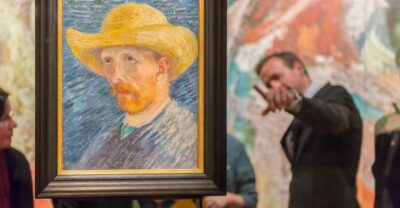
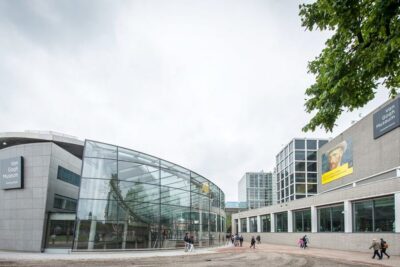
Van Gogh Museum Amsterdam Exclusive Tour w/ Reserved Entry
Read our review →
Van Gogh Museum Tour Reserved Entry Semi Private
Read our review →

Combo Ticket: Van Gogh Museum Ticket and 1-Hour Canal Cruise
Read our review →
Van Gogh & Rembrandt Captivating Experience Entry
Read our review →
Browse the lists this tour appears in