
Reviewed · DUTCH FOOD TOURS
Amsterdam: 3-Course Typical Dutch Menu at In de Waag
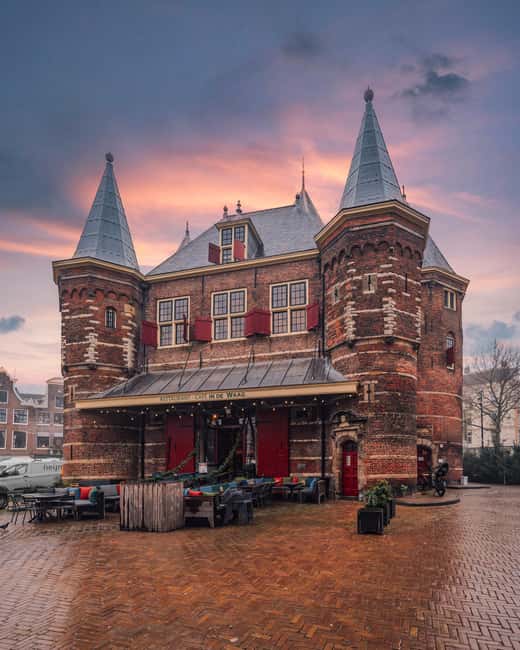
A candlelit dinner in a centuries-old city gate feels oddly special. At Restaurant-Café In de Waag, you get a 3-course typical Dutch menu served in a room glowing with 300 real candles. I love the setting and how the food stays true to classic Dutch comfort, not trendy reinterpretations. One thing to consider, though, is that the fixed menu can feel simple and hearty rather than showy, so if you’re hunting for “big surprises,” this may not hit that note.
Here’s what you should expect: you sit down, order nothing, and let the kitchen bring you a starter of Dutch croquettes, a main of hutspot with slow-braised beef and red wine gravy, and a dessert of olive oil cake with vanilla ice cream. The optional pairing is a house-brewed Waag Pale Ale, which is lightly spiced and easy to drink, perfect with the savory flavors. This is also a small-group experience, limited to 6 people, which helps the pace feel calm and not rushed.
In This Review
- Key highlights to look for
- Entering In de Waag’s 15th-century city gate
- How the night flows: what happens from start to finish
- The starter: three Dutch croquettes and a proper first bite
- The main course: hutspot with slow-braised beef and red wine gravy
- Dessert time: olive oil cake with vanilla ice cream
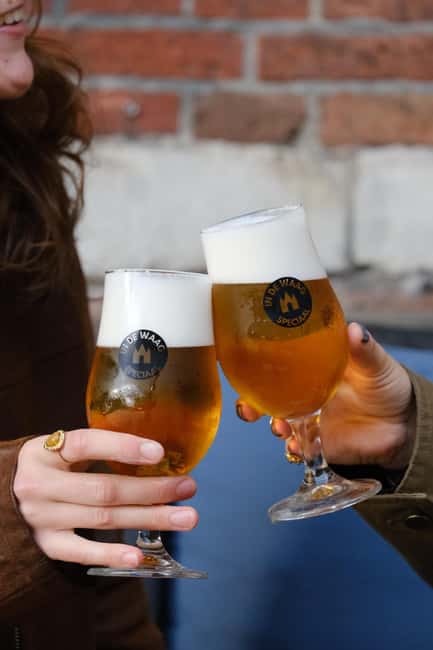
- Waag Pale Ale: the local pairing if you want it
- What you’ll really feel in the room
- Value check: is $43 worth it?
- Price is fixed, but your expectations should be flexible
- Service recovery matters more than you think
- Who should book this dinner (and who should skip it)
- Final verdict: should you book In de Waag?
- FAQ
- What is included in the In de Waag 3-course dinner?
- How much does the experience cost?
- What is the optional beer, and is it included?
- What dishes are served for each course?
- How long is the experience?
- Is the restaurant wheelchair accessible?
- What is the group size?
- Are drinks included besides the optional beer?
- Can I cancel and get a refund?
- Is there a choice in timing?
Key highlights to look for
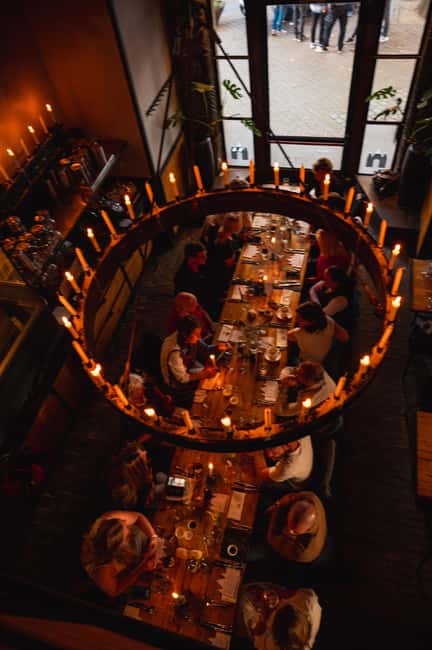
- 300 real candles in the chandeliers, for a genuinely romantic, low-light atmosphere
- In de Waag’s city-gate building dating to 1425 to 1488, an unusual setting for dinner
- Classic starter, main, and dessert, including croquettes and hutspot
- Waag Pale Ale pairing if you want something local with your meal
- Small group size (up to 6), so service stays personal
Entering In de Waag’s 15th-century city gate
The best part of In de Waag starts before the first forkful. You’re eating in one of Amsterdam’s oldest non-religious buildings, originally built as a city gate between 1425 and 1488. The Waag setting changes your mood instantly. The stone, the historic layout, and the soft glow make it feel like a special room, not just another restaurant stop.
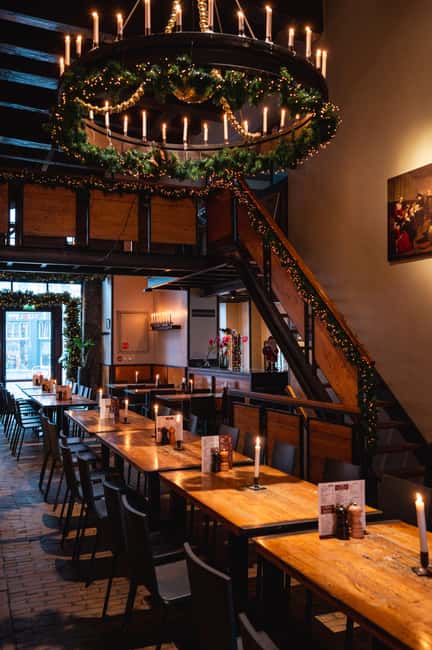
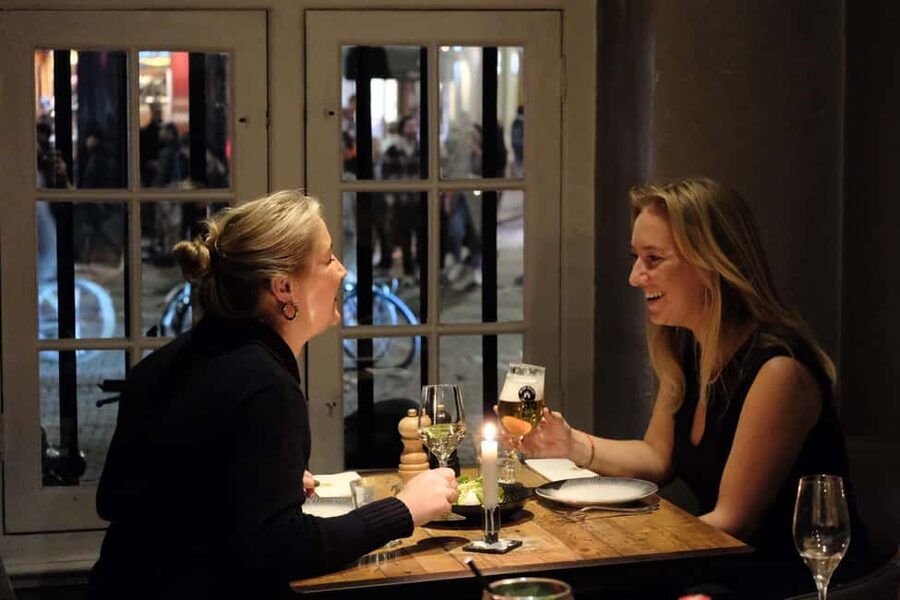
Then there are the candles. The place is lit by 300 real candles hung in grand chandeliers. That means it’s romantic in a practical way, not just because it’s “pretty.” Lower light usually equals a slower pace, more conversation, and fewer distractions. If you’re choosing an evening after a long day walking the canals, this kind of atmosphere is exactly what you want.
One more detail that helps: the experience is designed as a classic sit-down dinner. You don’t need to study a huge menu or make many decisions on the spot. You can focus on enjoying the building and the food, which is a big value play for people who hate decision fatigue.
More herring carts and stroopwafel stops in a row:
- Amsterdam Food and Cultural Tour with Tastings
★ 5.0 · 4,315 reviews - 10 Tastes of Amsterdam: Food Tour by UNESCO Canals and Jordaan
★ 5.0 · 3,020 reviews - Amsterdam Jordaan Food & Drinks Tour with Eating Europe
★ 5.0 · 2,425 reviews
How the night flows: what happens from start to finish
This dinner is set up as a smooth, guided meal. You arrive around your chosen start time, then you get seated and served course by course. The menu is fixed for everyone in the experience, which keeps timing consistent and simplifies the whole evening.
Because it’s a small group, usually up to 6 participants, the staff can take their time with explanations and service. I like this setup, since Dutch classics can be new to some people. When someone helps you understand what you’re eating, it turns the meal from “I ate it” into “I got it.”
Your meal is structured as a straightforward 3-course path:
- Starter first, served as small portions (so you don’t feel stuffed right away)
- Main next, the heart of the meal
- Dessert last, finishing sweet and comforting
This is not a fast food-style dinner. It’s a calm, sit-and-enjoy evening that works best when you plan for about one full day entry on your booking calendar, even though the actual experience is really just the dinner window.
The starter: three Dutch croquettes and a proper first bite
The starter is three small Dutch croquettes, a classic choice because it’s both familiar and very Dutch. Croquettes in the Netherlands are typically dense, crisp on the outside, and creamy inside. That combo matters here because you’re in a candlelit, historic room. The warm, savory bite feels like it belongs.
A practical tip: croquettes are best when you eat them hot. If you’re the kind of person who wants to slow down and take pictures first, do it quickly and then go for the first bite. The crunch is part of the fun, and you’ll want it at its peak.
These croquettes also set you up nicely for hutspot later. The starter is salty and rich but not heavy enough to ruin your appetite for the main. For many people, this is a perfect “start strong, stay comfortable” approach.
The main course: hutspot with slow-braised beef and red wine gravy
The star of the meal is the Dutch comfort dish hutspot. Hutspot is basically mashed potatoes with slow-cooked ingredients, and in this case you get slow-braised beef plus red wine gravy. It’s hearty food built for cold weather, post-walking hunger, and people who want their meal to feel like it has a backbone.
Here’s why I think this works in Amsterdam, even for visitors who don’t usually eat “traditional” food on vacation. The flavors are familiar enough to feel approachable, but the dish is distinctly Dutch. Mashed potatoes and beef gravy could sound generic in another context, but hutspot has a specific feel to it: soft potatoes, deep savory notes, and that gentle richness from red wine.
You don’t have to be a food historian to enjoy it. What you need is hunger and willingness to slow down. This is the kind of main you eat with intention.
One small consideration: the main is fixed. If you were hoping for seafood, vegetarian variety, or a choice of mains, this dinner style won’t match that. It’s built around one classic plate, done well.
A different use for the same hours in Amsterdam:


Dessert time: olive oil cake with vanilla ice cream
For dessert, you get olive oil cake served with vanilla ice cream. This combination is surprisingly smart after a savory main. Olive oil cake tends to stay moist and tender, and the vanilla ice cream cools everything down without making the dessert feel overly heavy.
If you’re used to Dutch desserts being straightforward, you’ll probably appreciate this one. It’s not trying to impress with complicated presentation. It’s sweet, comforting, and easy to enjoy in a candlelit setting.
Also, olive oil cake gives you a slightly different flavor direction than classic butter-heavy cake. It’s subtle, but that subtlety makes the dessert feel grown-up rather than sugary. For many people, it’s a satisfying ending that doesn’t leave you too full.
Waag Pale Ale: the local pairing if you want it
The dinner includes the option to add a house-brewed beer called Waag Pale Ale. This pairing is described as lightly spiced and easy to drink, which is a great match for both the savory croquettes and the beef-and-gravy main.
I like beer pairings when they do two jobs:
1) Cut through richness
2) Keep the flavors interesting without competing
That’s the role this pale ale seems designed for. If you drink beer regularly, this should feel natural. If you don’t, you might still like it because it’s said to be easy to drink rather than aggressively bitter.
Important practical note: the beer is optional, and drinks are not included beyond what’s part of the experience. So if you want water, wine, or other drinks, plan for additional cost.
What you’ll really feel in the room
This isn’t just dinner. It’s atmosphere. And the atmosphere here is specific.
The room is lit by real flames, so it gives that warm glow you don’t quite get from LED candles. That affects how the whole evening feels. Even if you’re traveling solo, it can make the night feel like a “real event,” not a quick meal between sights.
The building itself also changes the experience. A city gate is not the kind of setting you expect to associate with comfort food. That contrast is part of the charm. You’re eating Dutch classics inside a structure that used to be about movement, defense, and entry to the city.
In terms of service, several accounts highlight friendly, helpful staff who explain what they’re serving. One detail that stuck with me is that staff have a habit of walking people through the courses as they arrive. That’s not just nice; it makes the menu feel intentional rather than generic.
Value check: is $43 worth it?
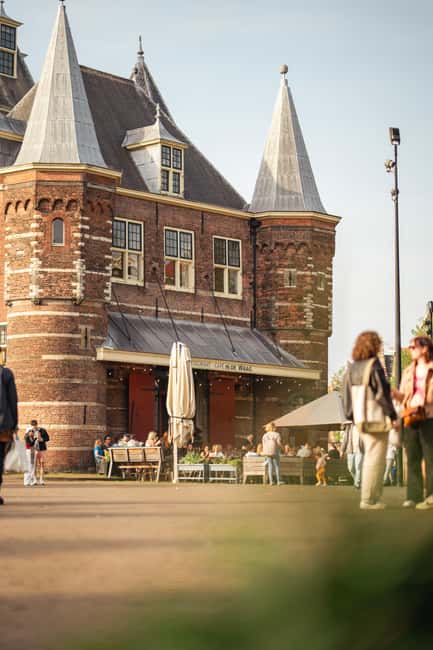
At $43 per person, this meal sits in the “special dinner” category, not the “cheap and cheerful” category. So you should ask: what am I paying for?
You’re paying for three things:
- A fixed 3-course dinner with classic Dutch dishes
- A standout setting in a historic building
- The wow factor of 300 real candles
If you just want food and don’t care about setting, you can likely spend less elsewhere in Amsterdam. But if you want one evening that feels like Amsterdam in a human, memorable way, the price starts making sense. The experience is also small-group, up to 6 people, and that often correlates with more attentive service.
There’s also an extra-value angle if you’re beer-inclined. Pairing with the Waag Pale Ale can make the meal feel more complete, especially with hutspot and gravy.
One more value consideration: the menu includes what you eat, but drinks are not included unless you pick the optional beer. So if you expect wine to be part of the deal, you’ll likely pay extra.
Price is fixed, but your expectations should be flexible
Because the dinner is a set menu, it’s best when you’re not trying to micromanage your meal. If you’re the kind of traveler who wants a choice of starters, mains, and desserts, you may find the lack of options limiting.
One account I saw also noted a mismatch in expectation around what counts as “typical” beyond the fact that you’re getting three courses. Another person pointed out that the starter is essentially three croquettes. In plain terms, don’t expect a huge variety of dishes. Expect three classic moves, done consistently.
What you can expect, though, is that the meal is designed around Dutch comfort: croquettes, hutspot, and olive oil cake with vanilla ice cream. That’s the core product.
Service recovery matters more than you think
One reason I’m comfortable recommending this kind of dinner is that the staff seem to take problems seriously. In one real case, a guest reported an issue with food and the team responded by apologizing, replacing the dish, and topping off wine at no cost. The point is not the mistake itself. The point is how the staff handled it.
In experiences like this, you’re spending money for both food and atmosphere. When something goes wrong, you want it fixed quickly, without drama. That’s what this place appears capable of doing.
Who should book this dinner (and who should skip it)
I’d book this if you want a romantic Amsterdam evening with classic Dutch comfort food in a building that feels genuinely historical. It’s especially good for couples, anniversary dinners, and travelers who like traditional meals rather than experimental ones.
It’s also a great choice if you want your night planned for you. You show up, get served, and don’t have to coordinate a long meal around schedules. Small group size, up to 6, makes it easier to have a calm experience without feeling swallowed by a big crowd.
You might skip it if:
- You want a wide range of dishes or a menu with choices
- You’re specifically looking for seafood or vegetarian options, and you don’t want a fixed menu
- You’re very price-sensitive and would rather spend less on dinner
If you’re in the middle, the decision often comes down to this question: do you want one “memory dinner” in a candlelit historic room? If yes, it fits.
Final verdict: should you book In de Waag?
I think this is a smart pick for travelers who want one high-impact dinner. You get 300 real candles, a historic city gate building, and a simple 3-course Dutch meal built around croquettes, hutspot, and olive oil cake.
If you go in expecting classic comfort food and a fixed menu, you’ll likely feel satisfied. If you go in expecting menu choices, food variety, or a more modern culinary show, you might leave a little underwhelmed. Either way, it’s the kind of evening that turns into a standout story from your Amsterdam trip.
My advice: book it for a night when you’re not rushing to hit your next attraction right after dinner. Let the light do its job, eat the courses slowly, and enjoy the unusual fact that you’re dining in a building that once served as an entrance to the city.
FAQ
What is included in the In de Waag 3-course dinner?
You get a traditional typical Dutch 3-course dinner. The courses are 3 small Dutch croquettes, hutspot with slow-braised beef and red wine gravy, and olive oil cake with vanilla ice cream.
How much does the experience cost?
The price is $43 per person.
What is the optional beer, and is it included?
The experience offers an optional Waag Pale Ale pairing. It is not automatically included unless you choose it.
What dishes are served for each course?
Starter is 3 small Dutch croquettes. Main is Dutch mashed potato dish hutspot with slow-braised beef and red wine gravy. Dessert is olive oil cake with vanilla ice cream.
How long is the experience?
It’s listed as 1 day on the booking page, with actual seating at available start times.
Is the restaurant wheelchair accessible?
Yes, the experience is wheelchair accessible.
What is the group size?
It’s a small group, limited to 6 participants.
Are drinks included besides the optional beer?
No. Drinks are not included (extra food and drinks are not included beyond what the experience lists).
Can I cancel and get a refund?
Yes. It offers free cancellation up to 24 hours in advance for a full refund.
Is there a choice in timing?
You can select a start time, since the experience is valid for 1 day and availability controls the available starting times.
Newest on the canal ring
- Amsterdam Bike Food Tour with Private Guide★ 5.0 · 1 review
- Amsterdam: Rijksmuseum Private Tour with an Art Historian★ 5.0 · 1 review
- Happy B-day Amsterdam! Guided Tour with a History Buff★ 5.0 · 1 review
- Local Foodie Adventure in Amsterdam★ 5.0 · 1 review
- Private Photo Shoot in Amsterdam with a Professional Photographer★ 5.0 · 1 review
- Private day trip to Giethoorn and the Enclosing Dike★ 5.0 · 1 review
- Private Sightseeing Tour to Giethoorn from Amsterdam incl. canal cruise★ 5.0 · 1 review
Dutch Food Tours, compared.
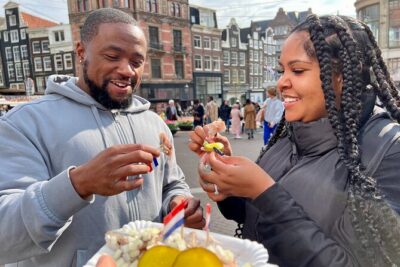
Amsterdam Food and Cultural Tour with Tastings
Read our review →10 Tastes of Amsterdam: Food Tour by UNESCO Canals and Jordaan
Read our review →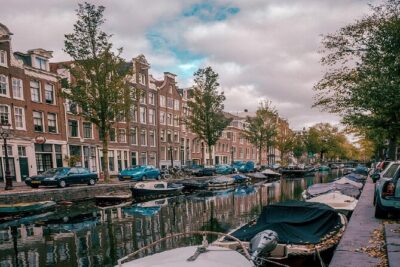
Amsterdam Jordaan Food & Drinks Tour with Eating Europe
Read our review →
Light Festival Cruise + Stroopwafel & Hot Choco
Read our review →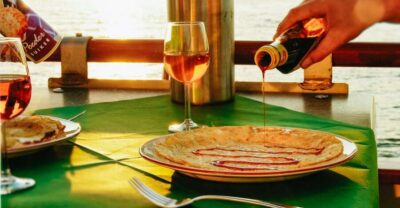
River Cruise With All-You-Can-Eat Dutch Pancakes
Read our review →
Amsterdam 2 Hour Small-Group Canal Cruise with Dutch Snacks & Bar
Read our review →

2-Hour Canal Cruise incl. Drinks & Dutch Snacks
Read our review →Browse the lists this tour appears in