
Reviewed · AMSTERDAM
Amsterdam: Architektur Er-fahren
Architecture looks different from a bike seat. On this Amsterdam Architektur Er-fahren ride, you move through canals and water edges, then switch gears to modern and industrial projects while learning how Amsterdam solves real problems with design. I like that you get both houseboats and big architecture ideas in one compact loop, plus amusing stories about Dutch life and water. A fair consideration: it is only for people who can comfortably ride a bike, and the tour runs rain or shine.
The best part for me is how the guide helps you read buildings, not just photograph them. You learn to spot practical design choices, including how architecture responds to land and water conditions, plus the pressure of a growing population and the need to mix social housing with luxury housing. I also love the humor and energy, with plenty of laughter and concrete tips you can use right after the tour to make sense of other streets you visit.
The only drawback is logistics in the real world. Bike hire is not included, so you should plan ahead, and you will want a roadworthy bicycle because the group cycles along busy water-adjacent areas. If you hate cold wind off the IJ or you are not comfortable cycling for 2.5 hours, this might feel like more work than sightseeing.
In This Review
- Key Things That Make This Tour Worth Your Time
- From Beursplein To The IJ: How The Ride Sets The Tone
- Canals, Warehouses, And Big Ideas: Old And New In One Loop
- Western Islands And Houseboats: Practical Design You Can See
- Housing Pressure In Plain Terms: Social Meets Luxury
- Industrial Vs Picturesque: What To Look For While You Ride
- Timing, Pace, And What You Actually Need To Prepare
- Price And Value: Is $46 Reasonable For This 2.5-Hour Ride?
- Who Should Book This Tour, And Who Might Skip It
- Should You Book Amsterdam Architektur Er-fahren?
- FAQ
- Where does the tour start?
- How long is the bike tour?
- What language is the tour guide speaking?
- How big is the group?
- Is bike hire included in the price?
- Is food and drinks included?
- Does the tour run in bad weather?
- What should I bring?
- Do I need my own bicycle?
- Can I cancel or change plans?
- Is the tour suitable if I cannot ride a bike?
Key Things That Make This Tour Worth Your Time
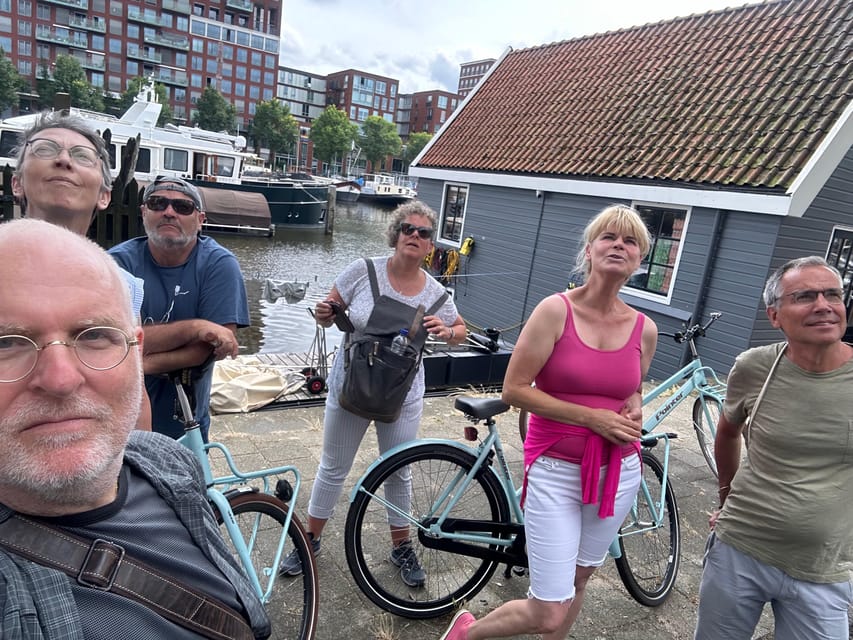
- A water route from Damrak toward the IJ and Amsterdam Central, with views you can only see at bike speed
- Modern architecture plus older canals and warehouses, so you learn contrast, not just highlights
- Western Islands and houseboats, where design is practical, not just pretty
- Housing needs turned into architecture lessons, including social and luxury side by side
- Industrial vs picturesque buildings, taught with clear, on-the-spot observations
- Small group of up to 10, guided in German with lots of talk and story time
From Beursplein To The IJ: How The Ride Sets The Tone
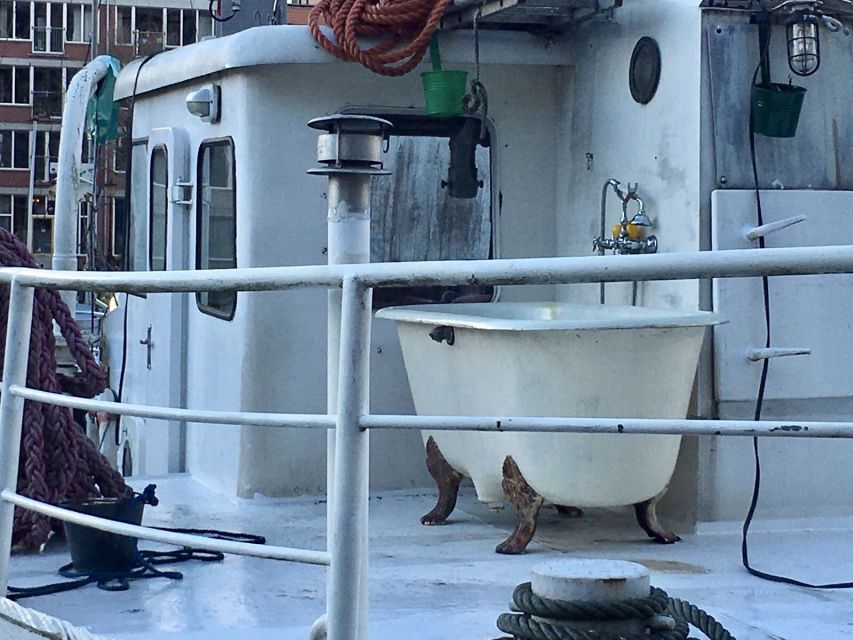
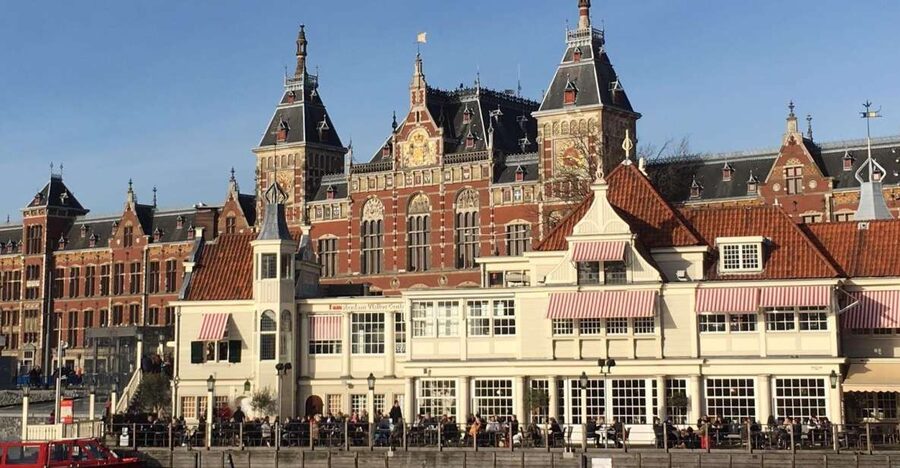
You start at Beursplein/Damrak, and the whole vibe kicks in fast. If you look for your guide with a black and white striped band around their neck, you will know you are in the right place. From there, you cycle toward the IJ and Amsterdam Central, and you keep catching those water views that make Amsterdam feel like a city built on edges.
I like this start because it is not a random grab bag of stops. You are shown how Amsterdam’s design language changes as soon as you move from classic canal territory toward areas shaped by water, infrastructure, and modern development. Cycling matters here. On foot, you see facades. From a bike, you get the spacing, sightlines, and the relationship between buildings and the water.
Expect the guide to connect what you are seeing to how the city functions. Amsterdam deals with problematic land conditions and water, and you start hearing how those constraints shape what gets built and how it gets used. That means you are not just admiring surfaces. You are learning to understand why the city looks the way it does.
Weighing this against the rest? A few more from Amsterdam:
- Amsterdam: Heineken Experience Ticket including 2 Drinks
★ 4.6 · 36,014 reviews - Amsterdam Classic Saloon Boat Cruise with Drinks and Cheese
★ 5.0 · 31,825 reviews - Amsterdam Luxury Canal Cruise + Unlimited Drinks & Bites option
★ 5.0 · 30,518 reviews
Canals, Warehouses, And Big Ideas: Old And New In One Loop
As you move along the route, the tour leans into an especially Amsterdam story: historic canals and warehouses next to modern architecture. You will spend time looking at how older structures held industrial needs and how newer projects respond to today’s demands, including a rapidly growing population.
What I found most useful is the way the guide talks about function and design together. You do not only hear design buzzwords. You learn to look for practical decisions, like how a building’s form relates to its purpose, and how the city makes room for new life without erasing everything that came before.
One highlight concept is the contrast between industrial architecture and picturesque architecture. That is not a poetic slogan. It is a real, visible difference in materials, layout, and how buildings sit in their surroundings. Once you start spotting that pattern, you will recognize it later as you walk your own routes.
There is also a specific kind of story the guide includes around transformation. One of the standout bits in the overall experience is that historic demolition can get folded into the narrative, so you understand development as something messy and human, not just a clean timeline.
Western Islands And Houseboats: Practical Design You Can See
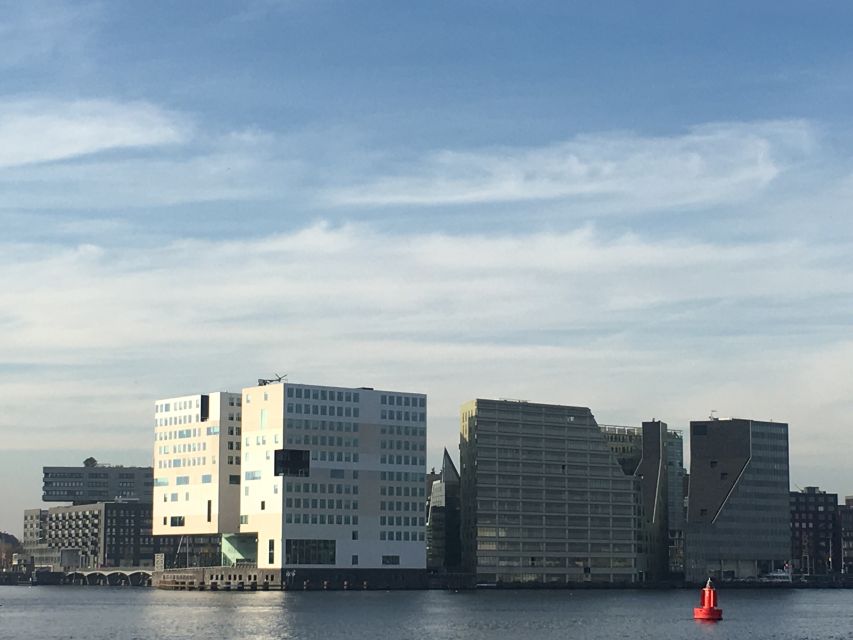
Then you move into the Amsterdam Western Islands area, and that shift is big. Houseboats are a key part of the experience, and seeing them up close adds a layer that is easy to miss when you only stick to the classic canal postcard spots.
The best way I can describe it is this: houseboats make architecture feel personal. Instead of thinking only about skyline design, you watch how people live with the water around them. The guide keeps returning to themes you already heard earlier, like land and water challenges, but now it becomes less abstract.
You also get a closer feel for how Amsterdam builds solutions when conditions are difficult. If you tend to think of architecture as style, this tour nudges you toward thinking of it as engineering plus everyday needs. That is the kind of insight that makes the rest of your trip easier, because you can look at any waterfront development and ask a better question: what problem is this design solving?
One more point: the ride is not just about staring at buildings. It is about observing from the right angle. Because you are cycling, you pass structures at different distances and heights, so you notice how the city choreographs movement and views along the water.
Housing Pressure In Plain Terms: Social Meets Luxury
Amsterdam has a real balancing act, and you will hear it directly during the ride. The tour covers the need for social housing and luxury housing combined, and it treats that topic as a design challenge, not just a policy headline.
This is where the tour becomes surprisingly useful for your own city understanding. When you see different housing types near each other, it is easier to understand why architecture choices might vary so much even when buildings sit within the same city context. The guide points out the relationship between constraints and outcomes, including how a rapidly growing population pushes the city to reuse land, adapt waterfronts, and plan new projects fast.
If you are the type who likes seeing how cities work behind the scenes, this section delivers. It gives you a lens. Later, when you spot a new development or a renovated block, you will have a better sense of what pressures it was designed to respond to.
I also appreciate that this part of the experience does not feel lectured. You are moving, you can ask yourself what you see, and the guide’s stories help it stick.
A different use for the same hours in Amsterdam:

Industrial Vs Picturesque: What To Look For While You Ride
Amsterdam can make every street look photogenic, so it helps to have a framework. The tour repeatedly contrasts industrial and picturesque architecture, and it teaches you what to watch for while you roll past each scene.
Here are the kinds of details the ride encourages you to notice:
- How buildings relate to the water edge and the street edge
- Whether the architecture reads more utilitarian or more decorative
- How modern projects handle function in visible ways
- How older warehouses and canal-era structures create a different rhythm
This is one of the tour’s top values. After the tour, you are not stuck thinking, I saw nice buildings. You can actually take the mental tool and apply it to other neighborhoods you explore on your own.
That payoff is supported by the way the guide delivers information. The experience is described as an insight you can transfer to other buildings, and that is exactly the point. By the time you cycle back, your eyes are trained for contrast.
Timing, Pace, And What You Actually Need To Prepare
The total duration is 2.5 hours, so it is a half-day style outing without being exhausting all day. The group is small, with a maximum of 10 participants, and that size matters. It makes it easier for the guide to keep conversations going and for everyone to hear the key points.
The tour is also in German with a live guide. That is helpful to know in advance. If you speak only basic German, you might still follow the visuals and occasional English cues, but the main information is delivered in German, so plan accordingly.
One practical reality: the tour happens rain or shine. Amsterdam weather can flip quickly, especially near water, so dress like you expect wind and wet pavement. Comfortable shoes are a must, and you should bring water because you are cycling for a while.
Also, you are expected to have a functional and roadworthy bicycle. If you bring your own, quick checks help: brakes, tires, and lights if it is gloomy. If you are hiring, the tour information suggests many bike hire options, often around €5 to €25, so building time into your plan for pickup and getting comfortable is smart.
And yes, there is a simple rule set: intoxication, alcohol, and drugs are not allowed. It is an active cycling experience, so keep it calm and clear.
Price And Value: Is $46 Reasonable For This 2.5-Hour Ride?
At $46 per person, this tour sits in a mid-range category for guided city experiences. The question is what you get for it, and the answer is time, guidance, and focus.
You get:
- A guided biketour (not just bike rentals or a map)
- Lots of information plus entertaining stories
- A structured route that mixes water views, modern projects, industrial contrasts, houseboats, and the Western Islands
For the value lens, the best comparison is this: you could walk around Amsterdam canals on your own, but you would miss the design framework and the explanation of how land and water conditions shape architecture. You could also bike on your own, but then you would have to do the research. Here, the guide hands you the interpretation in a compact package.
The small-group size adds more value than it sounds like. Less waiting. More attention. And you are more likely to ask questions when something catches your eye.
My practical bottom line: if you care about architecture beyond selfies, this price feels fair for the amount of guidance you receive in 2.5 hours.
Who Should Book This Tour, And Who Might Skip It
This is a great fit if:
- You like architecture and want a framework for what to notice
- You are comfortable biking in a city setting
- You want a mix of canal-era context and modern development
- You enjoy learning about how everyday needs like housing get translated into design
You might skip it if:
- You do not ride a bike regularly
- You hate rain and cold wind, since it runs rain or shine
- You want a tour with food included, because food and drinks are not included
If you are traveling with a strong interest in design, water engineering realities, or housing pressures, you will leave with more than memories. You will leave with a way to look.
Should You Book Amsterdam Architektur Er-fahren?
I would book it if you want your Amsterdam time to feel like a study tour without turning into a classroom. The combination of water views, modern architecture insight, and houseboat and Western Islands exploration hits a rare sweet spot. Add the small group and the lively German guidance, and it becomes a fun way to understand why Amsterdam’s architecture looks the way it does.
Book it especially if you plan to keep exploring after the ride. The biggest payoff is that you can apply what you learn to other buildings you see later, including the industrial and picturesque contrasts that Amsterdam does so well.
If you do not like cycling, then save yourself the stress and pick a walking-focused option instead. But if you are comfortable on a bike and you want architecture with real context, this one is worth your time.
FAQ
Where does the tour start?
It starts at Beursplein/Damrak. Look for your guide wearing a black and white striped band around their neck.
How long is the bike tour?
The duration is 2.5 hours.
What language is the tour guide speaking?
The live guide speaks German.
How big is the group?
The group is limited to 10 participants.
Is bike hire included in the price?
No. Bike hire is not included. You can usually hire a bike from shops for around €5 to €25, or get one from your hotel.
Is food and drinks included?
No, food and drinks are not included.
Does the tour run in bad weather?
Yes. It takes place rain or shine.
What should I bring?
Bring comfortable shoes and water. Also wear comfortable clothing and weather-appropriate clothing.
Do I need my own bicycle?
You need a functional and roadworthy bicycle. Your own bicycle is not explicitly stated as required, but you must be able to ride a bike, and the tour notes that bike hire is not included.
Can I cancel or change plans?
Free cancellation is available if you cancel up to 24 hours in advance for a full refund. You can also reserve now and pay later to keep your plans flexible.
Is the tour suitable if I cannot ride a bike?
No. It is not suitable for people who cannot ride a bike.
Newest on the canal ring
- Amsterdam Bike Food Tour with Private Guide★ 5.0 · 1 review
- Amsterdam: Rijksmuseum Private Tour with an Art Historian★ 5.0 · 1 review
- Happy B-day Amsterdam! Guided Tour with a History Buff★ 5.0 · 1 review
- Local Foodie Adventure in Amsterdam★ 5.0 · 1 review
- Private Photo Shoot in Amsterdam with a Professional Photographer★ 5.0 · 1 review
- Private day trip to Giethoorn and the Enclosing Dike★ 5.0 · 1 review
- Private Sightseeing Tour to Giethoorn from Amsterdam incl. canal cruise★ 5.0 · 1 review