
Reviewed · MUSEUMS
Amsterdam: Canal House Museum ‘Van Loon’ Entry Ticket
A 17th-century canal house in the middle of Amsterdam is a rare treat. Museum Van Loon lets you wander through a 1672 mansion and see how the Van Loon family lived, worked, and fit into the Dutch world. I love that you move at your own pace, and you get both the big house moments and the smaller human details.
Two standouts for me are the portrait gallery and the way the rooms are filled with paintings, furniture, and everyday utensils that make the past feel concrete. One thing to consider: some parts can feel lighter on explanation, so if you want lots of labels everywhere, plan to spend time reading what is there. Also, double-check the day you’re going because at least one booking had a mismatch with opening.
In This Review
- Key Highlights You Will Actually Care About
- Museum Van Loon Canal House: A 1672 Mansion on Keizersgracht
- Planning Your Visit: Timing, Pace, and a 1-Day Ticket
- Entering the House: From the Canal Door to the First Tenant Story
- The Rooms and Collections: Paintings, Furniture, Utensils, and What They Say
- Portrait Gallery of the Van Loons: Faces That Give Context
- The City and the World Through Household Items
- Garden Time: A Calm Reset and Seasons You Can Feel
- Coach House Visit: A Different Kind of House Life
- Temporary Exhibits and When to Prioritize Them
- Price and Value Check: Is $21 Worth It?
- Accessibility and Who Might Find This Hard
- Should You Book Museum Van Loon? My Decision Guide
- FAQ
- Where is the Museum Van Loon meeting point?
- How long is the experience?
- How much does the ticket cost?
- What is included in the ticket?
- Are food and drinks included?
- What are the museum opening hours?
- Is Museum Van Loon suitable for wheelchair users or mobility impairments?
- Can I cancel, and can I pay later?
Key Highlights You Will Actually Care About
- Keizersgracht 672 setting gives you real canal-belt atmosphere before you even enter.
- Self-paced house walkthrough means you can slow down for interiors instead of racing a group.
- Portrait gallery of the family helps you connect faces to the collections and rooms.
- Garden and coach house add breathing room beyond the main rooms.
- Temporary exhibits mean there is usually something slightly different to catch on repeat visits.
- Built in 1672, open to the public since 1973 gives the place real continuity, not a museum afterthought.
Museum Van Loon Canal House: A 1672 Mansion on Keizersgracht
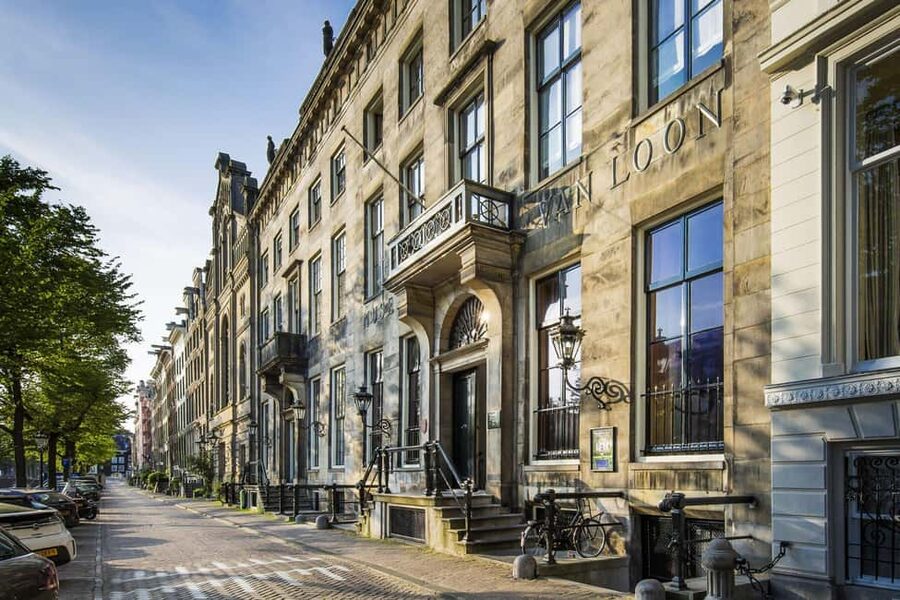
Museum Van Loon sits on the canal belt at Keizersgracht 672, in a part of Amsterdam that looks like it has been waiting for you. The house itself is the first reason to go. This is not a quick photo stop. You are walking into a mansion originally constructed in 1672, and it has been open to the public since 1973, which means you are not just viewing a preserved shell. You are stepping into a curated home that has had time to be understood and presented.
What I like most is the balance between grand and personal. Yes, you get the sense of wealth that comes with a classic Amsterdam canal house. But you also get objects that hint at real routines, from rooms furnished for daily life to collections that show how the owners thought about culture and status.
If you are the kind of traveler who enjoys art plus domestic detail, this place makes sense fast. You can walk with your eyes first, then let the story catch up.
More Amsterdam collections worth the queue:
- Amsterdam: Red Light Secrets Museum Entry Ticket
★ 4.2 · 5,722 reviews - Amsterdam’s Weirdest Museum: Ripley’s Believe It or Not!
★ 4.5 · 4,920 reviews - Amsterdam: Van Gogh Museum Ticket and City Canal Cruise
★ 4.6 · 3,899 reviews
Planning Your Visit: Timing, Pace, and a 1-Day Ticket
This ticket is valid for 1 day, and you choose based on available starting times. That matters because you want to arrive with enough energy to wander without feeling rushed. The museum is open 7 days a week from 10:00 AM to 5:00 PM, so you can fit it into almost any Amsterdam itinerary.
I suggest you treat it as a slow museum visit rather than a checkbox. The house works best when you pause. Stand back from rooms and then step closer. Look up at the architecture details, then look at the objects at human height. Since it is self-paced, you can decide how deep to go.
One more practical note: food and drinks are not included. So plan a break outside, or at least have a snack strategy. Also, if mobility is an issue, know that it is not suitable for people with mobility impairments and wheelchair users, so plan alternate activities around your energy and access needs.
Entering the House: From the Canal Door to the First Tenant Story
When you step inside, you are not starting with a modern intro video. You start with the space. Museum Van Loon is essentially asking you to picture a household moving through these rooms.
The house connects to a larger Amsterdam story right away. You learn about the first tenant, painter Ferdinand Bol, and then about how the home later belonged to the Van Loon family. That sequence is useful because it prevents the building from feeling like a single-era stage set. Instead, it becomes a timeline you can walk through, which is exactly what you want from a historic canal house museum.
At your own pace, you can move from room to room and connect architecture to identity. What you see in the house is meant to help you figure out how people lived and how they interacted with the city and the wider world. That may sound broad, but the effect is tangible once you are inside.
The Rooms and Collections: Paintings, Furniture, Utensils, and What They Say
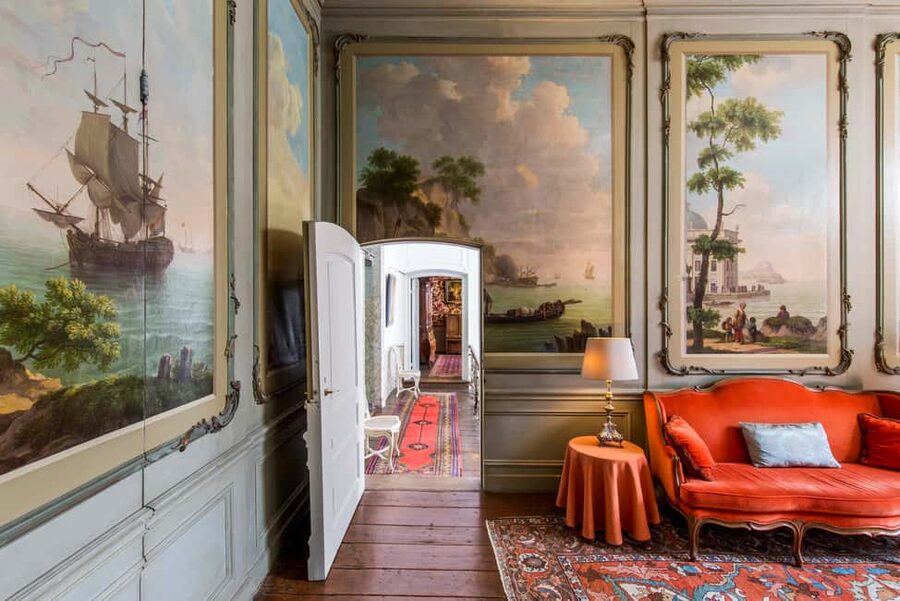
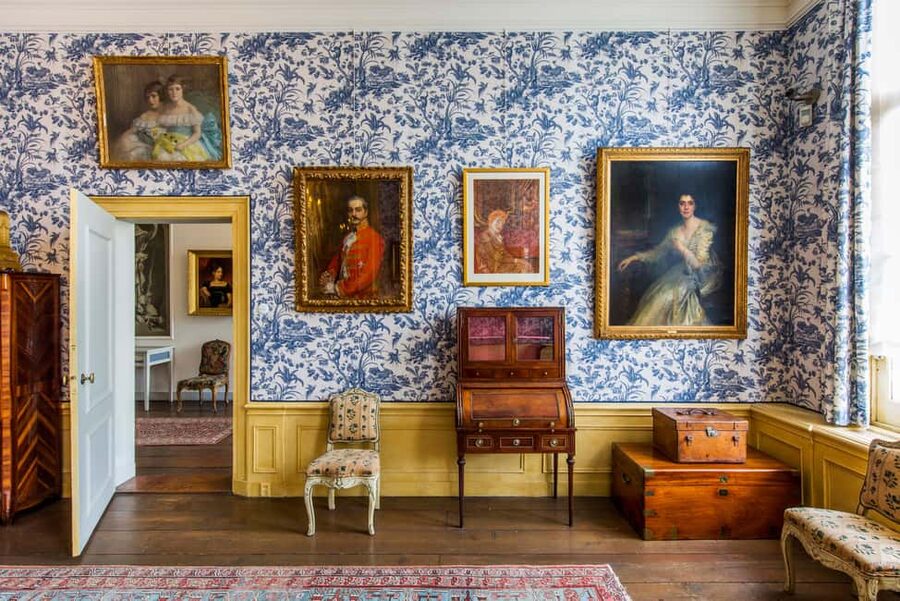
This museum shines because it is not only about one artwork or one room. You get a fuller sense of the house as a system. The experience includes extensive items such as paintings, furniture, and everyday utensils.
Here is the practical value: when a museum shows household objects alongside major pieces, you understand how culture worked at home. Wealth was not just expensive art on a wall. It was also the practical stuff that made daily life function with style. As you move around, keep an eye out for the way rooms are arranged and how objects are grouped. Even when you are not reading every label, the setup gives you clues.
You also get occasional temporary exhibits. That is a nice bonus when you want to leave with a sense of current presentation, not just fixed displays. If you are visiting during a temporary rotation, you might spot fresh angles on the house or its themes.
Some other canal-ring outings to set against this





Portrait Gallery of the Van Loons: Faces That Give Context
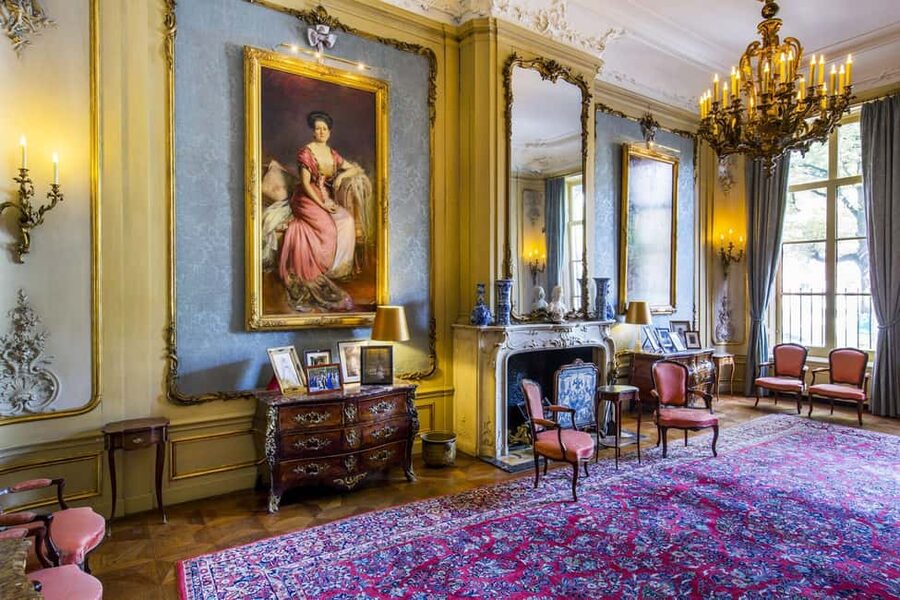
For many people, the portrait gallery is the emotional center of the visit. A big highlight here is the portrait gallery depicting the family. I like that it helps you anchor the story. Without faces, a family history can feel like a list. With portraits, you start to think about who the people were, what their image meant, and why the house would preserve their memory in this way.
Try this approach: spend a little extra time on the portraits before rushing to the next room. Look for how individuals are presented, then glance back at the rooms and furniture around you. You will start to see how the museum builds connections between identity, taste, and the role of the household in Amsterdam society.
This is also where the house becomes more than a beautiful building. The portraits turn the mansion into a narrative space.
The City and the World Through Household Items
Museum Van Loon is good at showing the link between private life and public life. As you explore, you learn about how the house’s inhabitants connected to the city and to the broader world using historical objects from their era.
This part is valuable if you want context without a lecture. You are not being asked to memorize dates. Instead, you are being nudged to interpret what objects imply. What kind of household collected these items? What did they value? What would have been worth showing off to visitors?
If you like the Dutch Golden Age angle, this works especially well. Even if you only catch the big themes, you leave with a clearer sense of how wealthy homes operated as cultural and social hubs.
Garden Time: A Calm Reset and Seasons You Can Feel
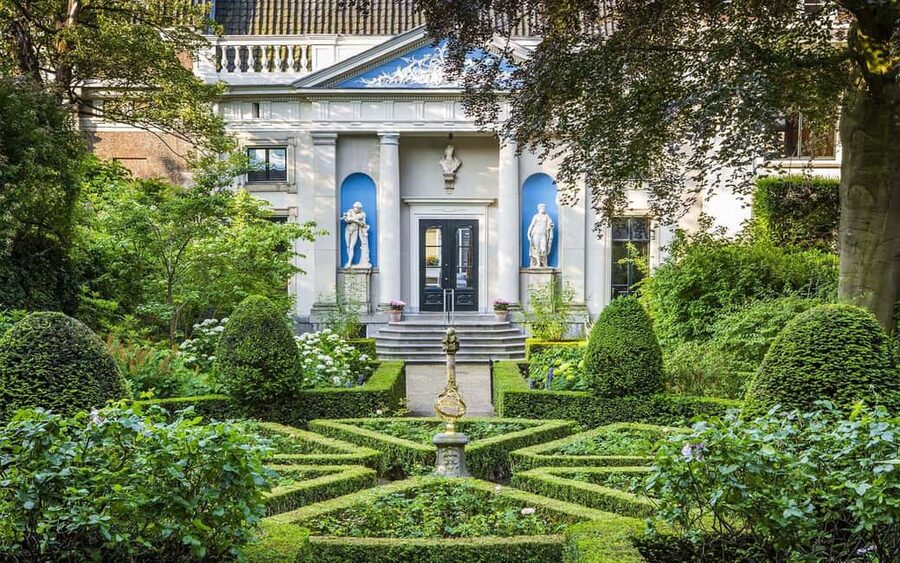
Then comes the inner garden, and honestly, it is a smart break from all the indoor looking. The museum experience includes a chance to relax in the peaceful inner garden. You also experience the passing of the seasons through the garden presentation.
This matters because gardens are not just pretty backdrops. In historic homes, outdoor spaces were part of the household rhythm. They were where people could slow down, meet, and reset. Here, the garden helps you shift modes from staring at interiors to noticing atmosphere and light.
If your feet feel tired, this is where you can recover. Sit for a few minutes, then decide whether you want to continue with the coach house or circle back to specific rooms.
Coach House Visit: A Different Kind of House Life
The museum experience also includes the coach house, which adds another layer to the story. A canal house can be thought of as the main living spaces, but the coach house reminds you that daily life involved movement, transport, and logistics.
Because this is part of the same property, it keeps the visit cohesive. You are still within the world of the mansion. You are just seeing a different side of household operation.
If you enjoy when museums broaden their lens beyond the most glamorous rooms, the coach house gives you that. It helps the home feel like a working environment, not just a showroom.
Temporary Exhibits and When to Prioritize Them
Temporary exhibits show up here occasionally, and that affects what you should prioritize during your visit. Since your ticket is for 1 day and the experience is designed around a self-paced walk, you do not want to spend too much time trying to figure out what is worth it.
My advice is simple. Start with the core sections that define the house: the main rooms, the portrait gallery, the garden, and the coach house. Then, if there is time, look for what is rotating. That way, you still get the heart of the museum even if the temporary exhibit is not your favorite topic.
This approach keeps your day satisfying without turning the museum into homework.
Price and Value Check: Is $21 Worth It?
At $21 per person, Museum Van Loon is not a budget-only museum. But it also is not trying to price itself like a headline blockbuster. The value comes from the mix of experiences you get in one place.
You get:
- A 17th-century canal house built in 1672
- A self-paced walk through historic rooms
- A major portrait gallery focused on the family
- A collection of paintings, furniture, and utensils
- Time outdoors in a garden with seasonal presentation
- The coach house
- Occasional temporary exhibits
That is a lot packed into one ticket, especially for a museum that is essentially about a home. If you like domestic history, Dutch interiors, and art displayed in context, the price feels fair for what you are actually doing: walking through a working kind of heritage site.
If you only want a quick look at the canal house exterior, you will feel the cost more. For that style of visit, you may prefer a shorter photo stop and a different museum. But if you want a full day window into how wealthy life looked and functioned, $21 is a reasonable entry.
Accessibility and Who Might Find This Hard
Museum Van Loon is not suitable for wheelchair users and it may be difficult for people with mobility impairments. That is the biggest practical limitation.
If you are visiting with someone who has limited walking ability, do not assume you can adapt easily. The house layout is part of what makes it interesting, and historic canal houses often create movement challenges.
If mobility is fine for you, the experience should feel straightforward in terms of planning. Go at your own pace. Take breaks when you need them. Use the garden to reset. And if you are sensitive to stairs or uneven transitions, you may want to plan extra time so the visit does not feel stressful.
Should You Book Museum Van Loon? My Decision Guide
I recommend booking Museum Van Loon if you want a classic Amsterdam experience with a human scale. This is for you if you care about how art, portraits, household objects, and architecture connect. You will likely enjoy the combination of major rooms, the portrait gallery, and the calmer pace of the inner garden.
I would skip or at least rethink if you:
- Need wheelchair-friendly or mobility-friendly access
- Want a highly guided, label-heavy tour feel at every step
- Are looking for food included or a full day of multiple activities beyond one museum setting
One last tip that can save frustration: pick your time slot and confirm you are going on a day that matches the museum opening window of 10:00 AM to 5:00 PM. Historic venues can be picky, and you do not want to arrive to an empty door.
If that basic check works for your schedule, this canal house visit is a smart way to get beyond photos and actually understand Amsterdam life in the 1600s.
FAQ
Where is the Museum Van Loon meeting point?
You should find Museum Van Loon on the canal at Keizersgracht 672, Amsterdam.
How long is the experience?
The ticket is for a 1-day visit.
How much does the ticket cost?
The price is $21 per person.
What is included in the ticket?
The ticket includes Museum Van Loon admission.
Are food and drinks included?
No. Food and drinks are not included.
What are the museum opening hours?
Museum Van Loon is open 7 days a week from 10:00 AM to 5:00 PM.
Is Museum Van Loon suitable for wheelchair users or mobility impairments?
No. It is not suitable for people with mobility impairments and wheelchair users.
Can I cancel, and can I pay later?
Yes. You can cancel up to 24 hours in advance for a full refund, and you can reserve now and pay later.
Newest on the canal ring
- Amsterdam Bike Food Tour with Private Guide★ 5.0 · 1 review
- Amsterdam: Rijksmuseum Private Tour with an Art Historian★ 5.0 · 1 review
- Happy B-day Amsterdam! Guided Tour with a History Buff★ 5.0 · 1 review
- Local Foodie Adventure in Amsterdam★ 5.0 · 1 review
- Private Photo Shoot in Amsterdam with a Professional Photographer★ 5.0 · 1 review
- Private day trip to Giethoorn and the Enclosing Dike★ 5.0 · 1 review
- Private Sightseeing Tour to Giethoorn from Amsterdam incl. canal cruise★ 5.0 · 1 review
Museums, compared.


Amsterdam’s Weirdest Museum: Ripley’s Believe It or Not!
Read our review →



Van Gogh Museum Amsterdam Exclusive Tour w/ Reserved Entry
Read our review →
Moco Museum Amsterdam Admission Ticket with Banksy and more
Read our review →
Van Gogh Museum Tour Reserved Entry Semi Private
Read our review →Browse the lists this tour appears in