
Reviewed · MUSEUMS
Amsterdam: Canal House Museum ‘Willet-Holthuysen’ Ticket
A canal house museum with real atmosphere.
You’ll walk through the Willet-Holthuysen home in a 17th-century double canal house, starting in the showpiece Louis XVI style ballroom, then moving room to room like you’re following the family’s daily rhythm. The second major payoff is outdoors, with a carefully designed French-style town garden that feels like a quiet pocket in the middle of Amsterdam.
One thing to keep in mind: some temporary exhibition sound can be loud enough to make the audio guide harder to hear in certain areas.
In This Review
- Key things to know before you go
- Why the Willet-Holthuysen Canal House Feels Different From a Typical Museum
- The Family Story: Abraham’s Collection, Mrs. Willet, and 1895 to Now
- First Floor Highlights: The Louis XVI Ballroom and the Rooms That Spell Status
- The Garden Courtyard: An 18th-century French Layout in the Middle of Amsterdam
- Art and Furniture in Context: What You Gain by Seeing Objects in Their Rooms
- Basement Clues: Kitchen and Pantry Spaces That Explain Daily Life
- Audio Guide Reality Check: How to Use It Without Getting Lost or Overstimulated
- Price and Value: Does the $18 Ticket Make Sense?
- Getting Oriented at Herengracht 605
- Accessibility and Practical Limits You Should Know
- Who Should Book Museum Willet-Holthuysen, and Who Might Skip It
- Should you book? My straightforward take
- FAQ
- Where is the meeting point for the Museum Willet-Holthuysen ticket?
- How long is the experience?
- What is included with the ticket?
- Are meals or drinks included?
- What languages is the audio guide available in?
- Is the museum wheelchair accessible?
- Is smoking allowed inside?
- Is free cancellation available?
- Is the ticket valid for more than one day?
Key things to know before you go
- A 17th-century double canal house layout you can explore at your own pace
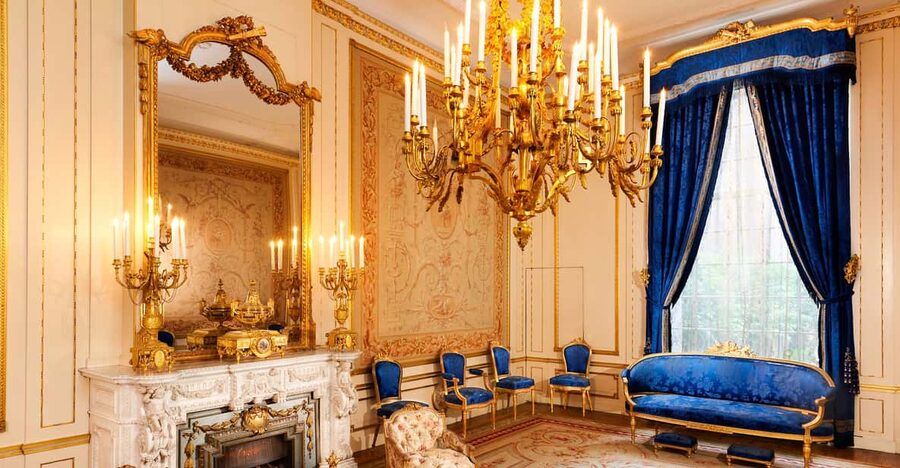
- Louis XVI style ballroom plus dining rooms and salons of the lord and lady
- Historic art and objects in situ, including paintings, ornate furniture, and more
- A French-style garden that uses historic trees and plants
- Audio guide in multiple languages, designed for stop-by-stop listening
- Not wheelchair accessible, so plan stairs and indoor walking accordingly
Why the Willet-Holthuysen Canal House Feels Different From a Typical Museum
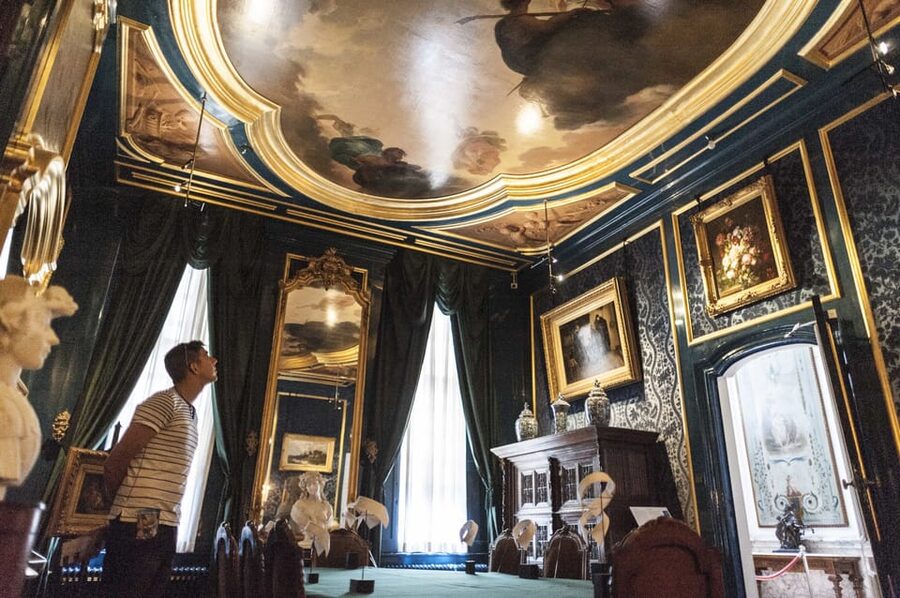
Amsterdam has plenty of museums, but the Willet-Holthuysen experience works because it’s not just a collection behind glass. It’s a house that still behaves like a house: you move through grand public rooms, then you see quieter spaces that hint at how servants lived and worked. That contrast is what makes the visit click.
I like that the museum is built around one family story rather than a random grab bag. The result is easier to follow. You notice how people displayed status, how rooms were staged for guests, and how art and furniture were treated as part of everyday life, not stored off-site.
The garden adds a second layer. You’re not just looking at interiors. You step into a green space arranged in an 18th-century French style, then compare the careful outdoors design to the formal rooms indoors.
More Amsterdam collections worth the queue:
- Amsterdam: Red Light Secrets Museum Entry Ticket
★ 4.2 · 5,722 reviews - Amsterdam’s Weirdest Museum: Ripley’s Believe It or Not!
★ 4.5 · 4,920 reviews - Amsterdam: Van Gogh Museum Ticket and City Canal Cruise
★ 4.6 · 3,899 reviews
The Family Story: Abraham’s Collection, Mrs. Willet, and 1895 to Now
The museum’s heart is the turn of the 19th century, but it reaches back further through the house itself. In 1895, Mrs. Willet left her opulent home to the city of Amsterdam. That gift included the impressive art collection of her deceased husband, Abraham.
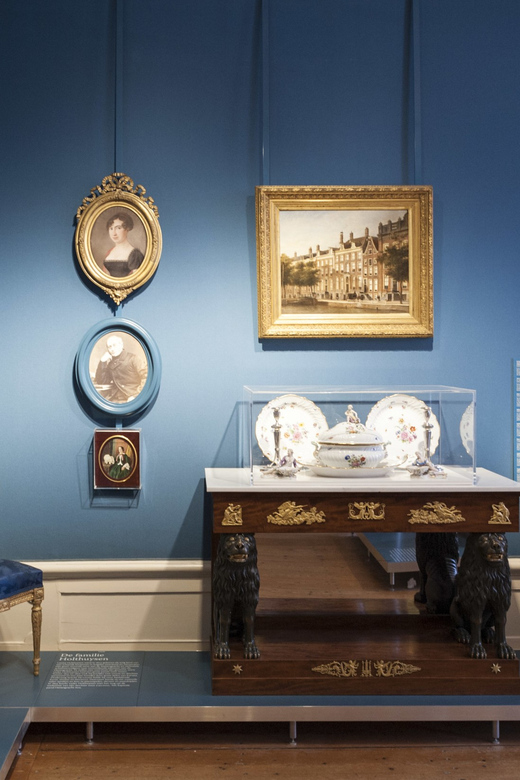
What you’re really seeing is how private wealth became public heritage. The house holds Abraham’s collection, spread across rooms in a way that helps you understand what mattered to the Willets. You’ll encounter antique furniture, silver, ceramics, sculptures, paintings, and photographs, placed so the home reads like a living gallery instead of a warehouse.
This is also why the visit feels meaningful even if you’re not a hard-core art person. You’re looking at “decorative” items, but placed in the environment that gave them purpose. It’s easier to make sense of the choices, not just admire the objects.
First Floor Highlights: The Louis XVI Ballroom and the Rooms That Spell Status
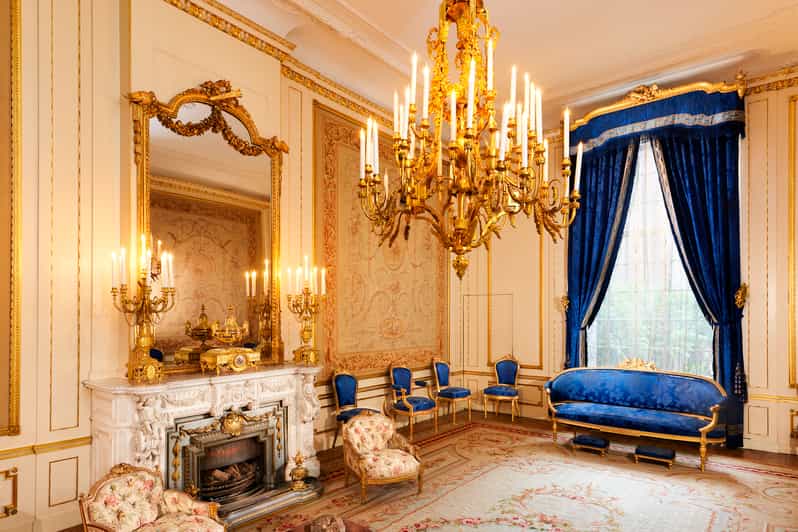
Your best starting point is the first floor, where the museum’s strongest visual moment waits. The ballroom is done in a Louis XVI style, so expect a formal, elegant look with a sense of symmetry and display. This isn’t just about pretty details. It’s a window into how the wealthy used rooms to host, impress, and announce their place in society.
From there, you continue into the dining room and the salons of the lord and lady of the house. These spaces help you connect what you saw in the ballroom to everyday hosting and lifestyle. You’re basically watching the household’s social game unfold as you walk.
Two practical notes that make this part of the visit smoother:
- Give your eyes a few minutes to adjust in each room, especially if you’re spending time reading labels.
- Move at an even pace. The layout encourages wandering, but the best effect comes when you let yourself connect the decor to the household roles each area suggests.
The Garden Courtyard: An 18th-century French Layout in the Middle of Amsterdam
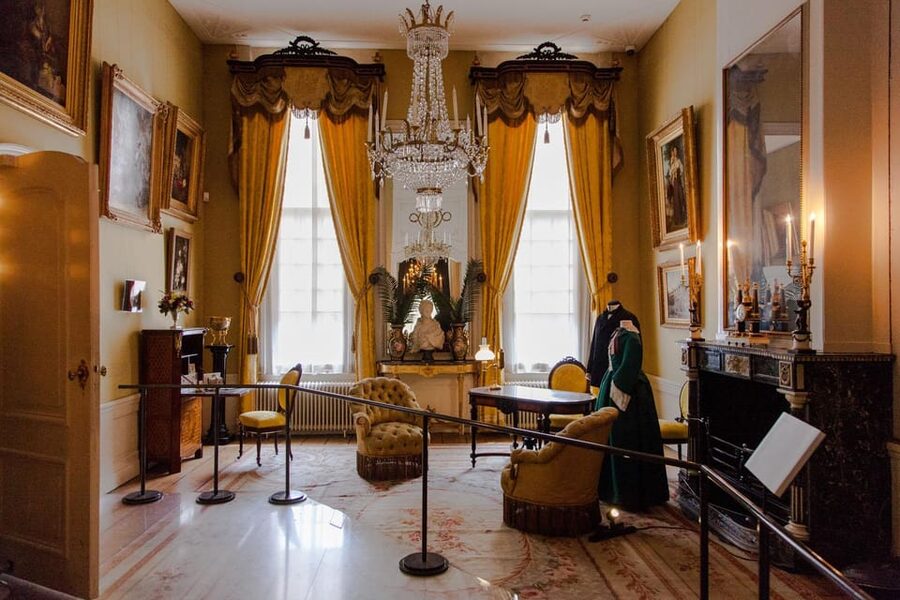
After the interior splendor, the garden is the reset button. It’s a green oasis in the heart of Amsterdam, laid out in an 18th-century French style. That means the space is designed with structure in mind, not just “pretty plants.”
The museum fills it with historic trees and plants, which helps it feel grounded and established rather than temporary. When you sit or pause here, you can almost sense how the Willets might have used the garden as a private outdoor room, a place for air and quiet without leaving home.
What I like about the garden as part of a canal house ticket is how it changes the mood. Indoors, you’re surrounded by wealth in objects. Outdoors, the focus shifts to design, form, and time, even if you’re not reading every label.
Some other canal-ring outings to set against this





Art and Furniture in Context: What You Gain by Seeing Objects in Their Rooms
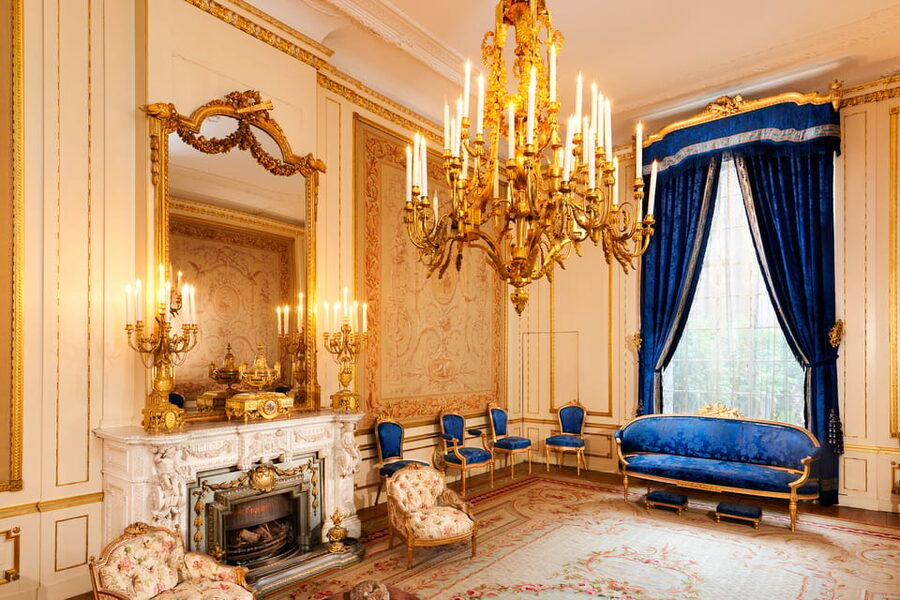
It’s one thing to view paintings and furniture in a white-walled gallery. It’s another to see those same types of items staged within the actual rooms where they belonged. The Willet-Holthuysen house gives you context you can’t fake.
You’ll encounter ornate furniture and a well-rounded mix of collection types, including ceramics, sculptures, silver, and photographs. That variety matters because it tells a fuller story of taste. The Willets were not just collecting one category. They were shaping a household identity across media.
One smarter way to handle this portion is to pick a few objects and really look. Let your brain do the linking. For example, notice how a room’s style might influence what stands out in the objects. Or compare the feeling of a public room versus a calmer area. You’ll start to see the house as a whole composition, not a set of separate exhibits.
Basement Clues: Kitchen and Pantry Spaces That Explain Daily Life
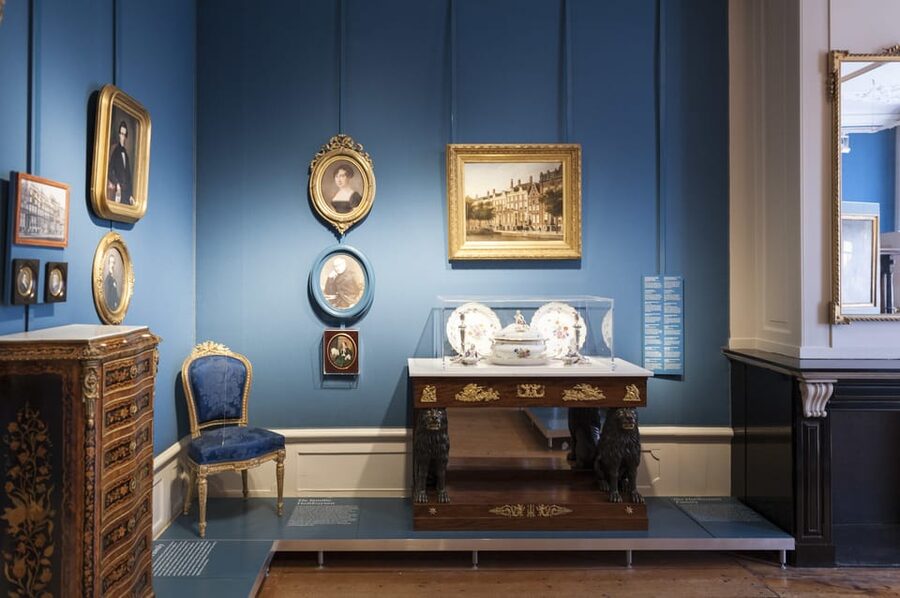
Downstairs spaces, like the kitchen and pantry in the basement, are where the museum gets real. The grand rooms tell you what the Willets wanted to show. The service spaces hint at what it took to make that life possible.
Seeing how the kitchen and pantry connect to the rest of the house gives you a practical understanding of household operations. It’s also one of the best places to slow down. The details there feel purposeful, like a behind-the-scenes view of the household machine that kept everything running.
Even if you’re mostly interested in interiors and art, don’t skip the basement areas. This is the part that turns the visit from aesthetic to human scale.
Audio Guide Reality Check: How to Use It Without Getting Lost or Overstimulated
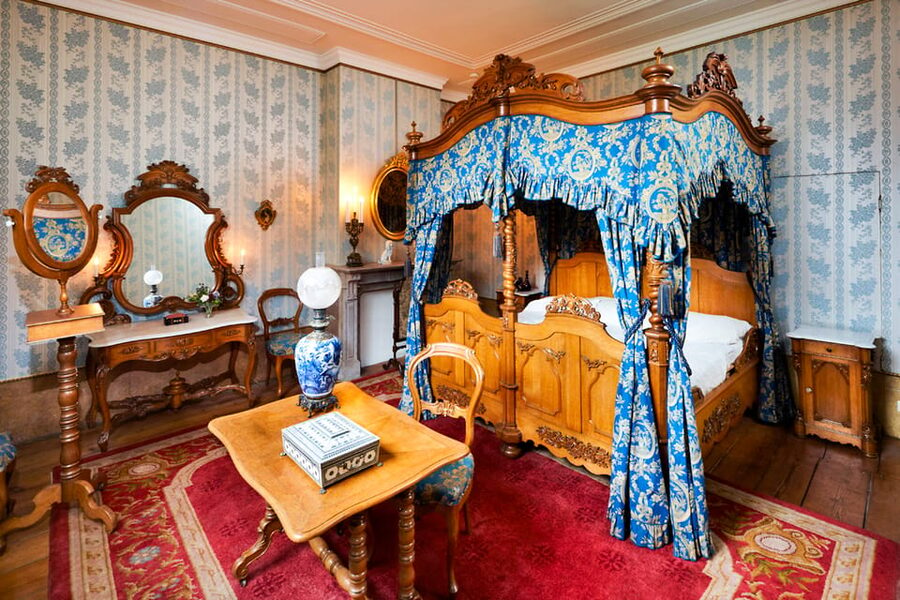
The audio guide is included, and it’s available in Spanish, English, Dutch, French, German, Italian, and Russian. That’s helpful because you can choose what fits your comfort level and move at your own speed.
Several parts of the experience work especially well with audio:
- You can follow the story room by room without rushing.
- You can choose which stops matter most to you, rather than getting stuck listening to everything in order.
- You can pace yourself so you’re not reading labels nonstop.
One caution matters here: if a temporary exhibition sound is playing loudly in parts of the house, it can interfere with hearing your audio guide. If that happens, pause, step back to a quieter corner, or give yourself a few minutes to switch focus to what’s in front of you. The house is full of small moments worth catching visually even when sound is competing.
Also, you’ll likely find that the visit is easier to manage with somewhere to store personal items. There are lockers available, and it helps if you’re carrying a bag, shopping, or extra layers.
Price and Value: Does the $18 Ticket Make Sense?

At about $18 per person, the ticket price lands in the “worth it if you’ll actually linger” category. You’re paying for:
- Entry into a preserved, lived-in-feeling canal house setting
- An included audio guide
- A guided-by-context visit through grand rooms, collection displays, and service spaces
- Access to both the indoor rooms and the town garden
In other words, you’re not just paying for objects. You’re paying for the environment those objects sit in. That’s the key value driver here.
If you like museums that are part architecture, part family story, and part small-scale design experience, this one usually delivers. If you prefer only large-scale art highlights or broad rotating exhibits, you might feel the experience is more specific in scope. The upside is that it’s coherent and easy to follow.
Getting Oriented at Herengracht 605
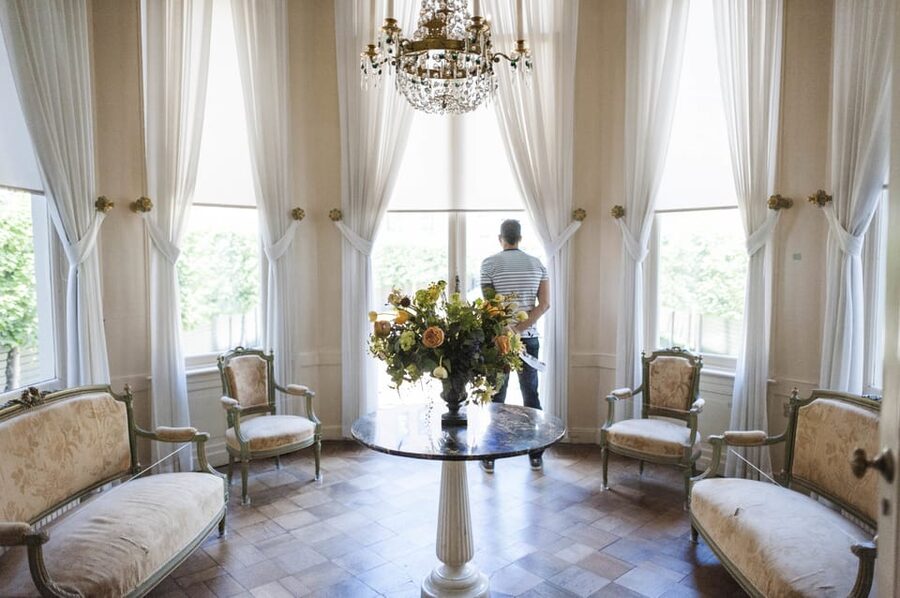
The meeting point is Herengracht 605, which puts you right in the famous canal district. This matters because the museum works nicely as a calm break from the street-level hustle. Plan for a slow walk in, then settle into the interior pace once you’re inside.
The visit is valid for 1 day, with starting times depending on availability. Since the museum layout encourages wandering, I suggest you choose a time when you’re not rushing to the next ticket or transit connection.
Not a big deal, but also helpful to know: smoking is not allowed.
Accessibility and Practical Limits You Should Know
This visit is not suitable for wheelchair users. Since it’s a canal house with rooms and basement areas, you should expect uneven transitions and stairs.
The good news is that for visitors who can move comfortably indoors, the experience is manageable at your own pace. Audio guidance and the stop structure make it easier to choose where to spend more time.
Who Should Book Museum Willet-Holthuysen, and Who Might Skip It
Book it if you love:
- Historic interiors where objects are placed in context
- A house-centered museum experience with a clear family narrative
- Decorative arts, furniture, and collections that show how status was displayed
- A town garden you can actually step into, not just see from a window
You might skip if you:
- Need a fully barrier-free route
- Want only large-scale, high-energy museum formats
- Are very sensitive to competing audio, especially if a temporary exhibition sound overlaps with your guide at times
Should you book? My straightforward take
If you want one museum stop in Amsterdam that mixes Louis XVI style rooms, a meaningful family collection, and an actual garden you can walk through, Museum Willet-Holthuysen is a strong pick. The $18 price feels fair for what you get, especially because the audio guide helps you connect the spaces, and the house design makes the visit more than a quick browse.
Just go with the right expectations: this is intimate, atmospheric, and best when you’re ready to slow down and look.
FAQ
Where is the meeting point for the Museum Willet-Holthuysen ticket?
The meeting point is Herengracht 605.
How long is the experience?
The ticket is listed for 1 day.
What is included with the ticket?
The ticket includes entrance and an audio guide.
Are meals or drinks included?
No, meals and drinks are not included.
What languages is the audio guide available in?
The audio guide is available in Spanish, English, Dutch, French, German, Italian, and Russian.
Is the museum wheelchair accessible?
No, it is not suitable for wheelchair users.
Is smoking allowed inside?
Smoking is not allowed.
Is free cancellation available?
Yes, you can cancel up to 24 hours in advance for a full refund.
Is the ticket valid for more than one day?
The ticket is listed as valid for 1 day, and starting times depend on availability.
Newest on the canal ring
- Amsterdam Bike Food Tour with Private Guide★ 5.0 · 1 review
- Amsterdam: Rijksmuseum Private Tour with an Art Historian★ 5.0 · 1 review
- Happy B-day Amsterdam! Guided Tour with a History Buff★ 5.0 · 1 review
- Local Foodie Adventure in Amsterdam★ 5.0 · 1 review
- Private Photo Shoot in Amsterdam with a Professional Photographer★ 5.0 · 1 review
- Private day trip to Giethoorn and the Enclosing Dike★ 5.0 · 1 review
- Private Sightseeing Tour to Giethoorn from Amsterdam incl. canal cruise★ 5.0 · 1 review
Museums, compared.


Amsterdam’s Weirdest Museum: Ripley’s Believe It or Not!
Read our review →



Van Gogh Museum Amsterdam Exclusive Tour w/ Reserved Entry
Read our review →
Moco Museum Amsterdam Admission Ticket with Banksy and more
Read our review →
Van Gogh Museum Tour Reserved Entry Semi Private
Read our review →Browse the lists this tour appears in