
Reviewed · CITY WALKING TOURS
Amsterdam City Center Guided Walking Tour – 12 guests 2,5h
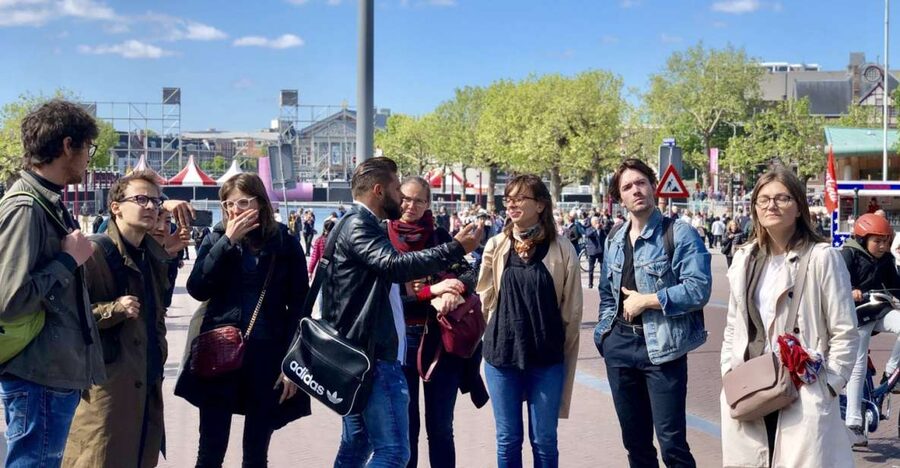
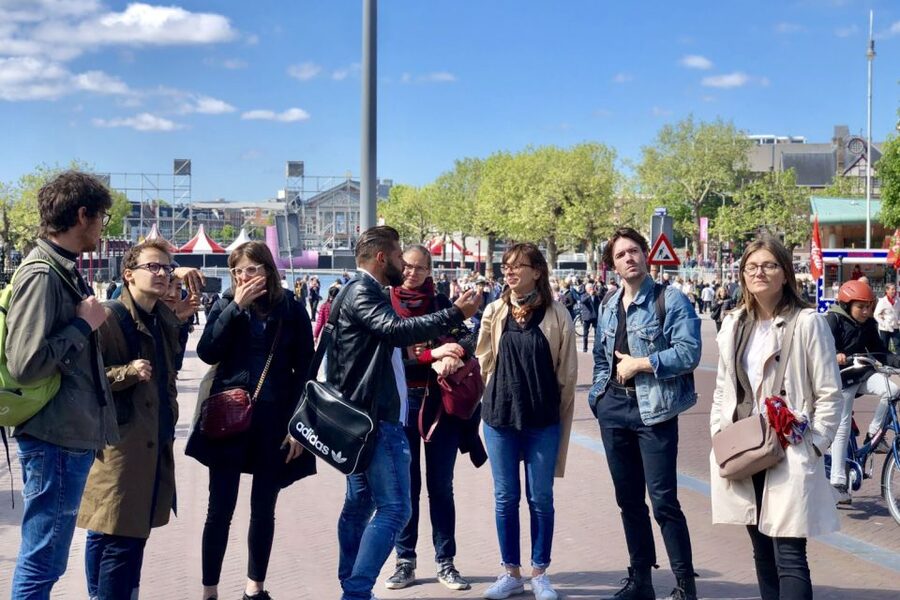
Stop guessing where to start. This Amsterdam City Center Guided Walking Tour is a focused 2.5-hour walk that helps you connect the big sights, the canals, and the city’s mercantile story into one route. I like the small-group feel that keeps things conversational, and I also love how the guide ties together places like Dam Square, the Amstel, and the Canal Belt with practical tips for how to spend your remaining time in Amsterdam.
One thing to plan for: the tour is not suitable for wheelchair users, and it is a walking itinerary with comfort and weather-appropriate clothing in mind. Also, you cannot bring luggage or large bags, so pack light.
In This Review
- Key highlights worth waking up for
- Start at St Nicholas, then let Amsterdam explain itself
- Weeping Tower and Zeedijk: the city’s legends walk right beside you
- Ons’ Lieve Heer op Solder and Oude Kerk: two ways to see Amsterdam’s “why”
- Nieuwmarkt, Chinatown area, and the Jewish Quarter: neighborhoods with clear edges
- De Waag and Het Trippenhuis: mercantile Amsterdam in plain view
- Opera, Zuiderkerk, and the Amstel: start seeing the city’s backbone
- Magere Brug and Blauwbrug: the bridge duo for photos and orientation
- Begijnhof courtyards and Amsterdam Museum: calm pockets inside a busy city
- Prinsengracht, Westerkerk, and the final walk to Dam Square
- Price and value: $61 for a time-saver, not just sightseeing
- Who this walk fits best
- Should you book this Amsterdam City Center Guided Walking Tour?
- FAQ
- How long is the Amsterdam City Center Guided Walking Tour?
- How much does the tour cost?
- Where do I meet the guide?
- What sights are included on the route?
- Is the guide private or group-based?
- What languages are available for the live guide?
- What is included in the price?
- What is not included?
- Can I bring luggage or large bags?
- Is the tour wheelchair accessible?
Key highlights worth waking up for
- Private guide, small group size that keeps questions moving and the pace human
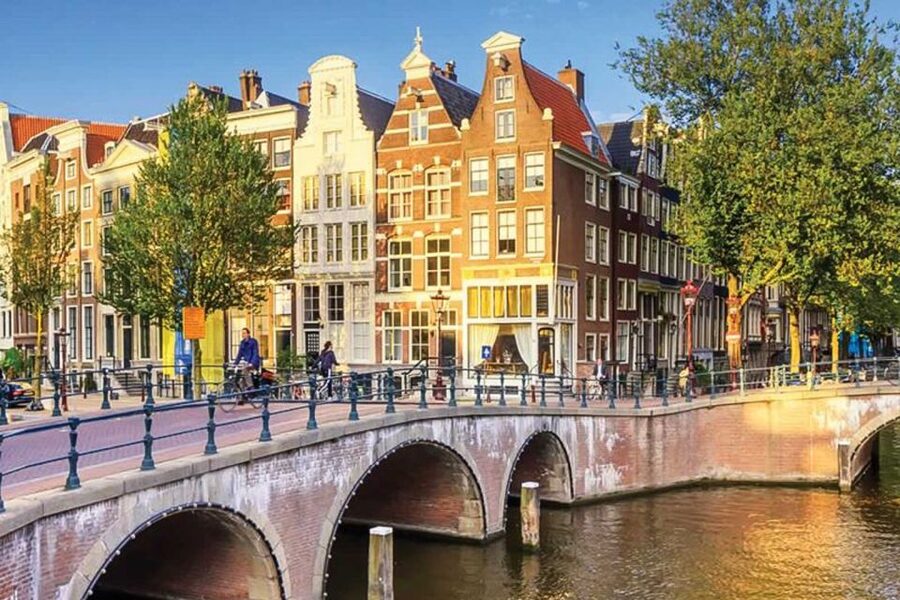
- Canal Belt orientation with major bridges, barges, and houseboats in view
- Dam Square classics including the Royal Palace and Nieuwe Kirk
- Merchant-era stops like De Waag and Het Trippenhuis, plus leaning houses you can actually notice
- Courtyards and tucked-away corners at the Begijnhof, where Amsterdam feels calmer
- Bridges with big photo potential such as Magere Brug and Blauwbrug
Start at St Nicholas, then let Amsterdam explain itself
You meet outside the entrance of St Nicholas Church on the opposite side of Central Station, with the start point given as Prins Hendrikkade 73. That location matters because it puts you right next to the historic core without making you do a long pre-walk commute.
St Nicholas Church is a strong first stop because it sets the tone for the entire visit. You get an early sense of how Amsterdam’s growth links religious landmarks with trade and civic life, then you move on while everything is still fresh and close together.
From there, you continue into the older streets and monuments that make the city feel like it grew in layers, not straight lines. It is the kind of start that helps you understand why later views over canals make sense, instead of feeling random.
More of the canal ring crossed on foot:
- Amsterdam Anne Frank: Small-Group Walking Tour & Local Guide
★ 4.8 · 12,789 reviews - Anne Frank’s Story – Guided Walking Tour through Amsterdam
★ 5.0 · 11,619 reviews - Absolutely Amsterdam – the Essential Introductory Walking Tour
★ 5.0 · 3,629 reviews
Weeping Tower and Zeedijk: the city’s legends walk right beside you
The route includes a stop for the Weeping Tower, a quick photo and guided explanation moment. Even if you already know Amsterdam is full of stories, this is useful because it gives you a concrete reference point you can revisit later when you spot a similar style elsewhere.
Then you head to Zeedijk Street, another short but meaningful pause. This is where the walking tour starts to feel like an orientation, because you begin learning how different neighborhoods connect and how streets lead you toward markets and waterways.
These early street moments are also where you can ask the guide questions that shape the rest of your day. One past guide named Monique has been praised for answering questions across art, history, architecture, and even food, which is exactly what you want when you have limited time and you want smart next steps.
Ons’ Lieve Heer op Solder and Oude Kerk: two ways to see Amsterdam’s “why”
Ons’ Lieve Heer op Solder, also called Our Lord in the Attic Museum, is a standout stop on the schedule. The name alone signals the odd, practical side of Amsterdam, and the guided time helps you understand what you are looking at rather than just collecting photos.
Right after that, you move to Oude Kerk. This is the kind of place that can feel intimidating if you do it solo, because you do not know which details matter. With a guide, you get context fast, so the church becomes more than a landmark. It becomes part of the city’s timeline.
The pacing here is important. The tour is only 2.5 hours, so these stops are designed to give you meaning quickly. You are not asked to sit through a long lecture. You get just enough to understand what you are seeing and why people cared back then.
Nieuwmarkt, Chinatown area, and the Jewish Quarter: neighborhoods with clear edges
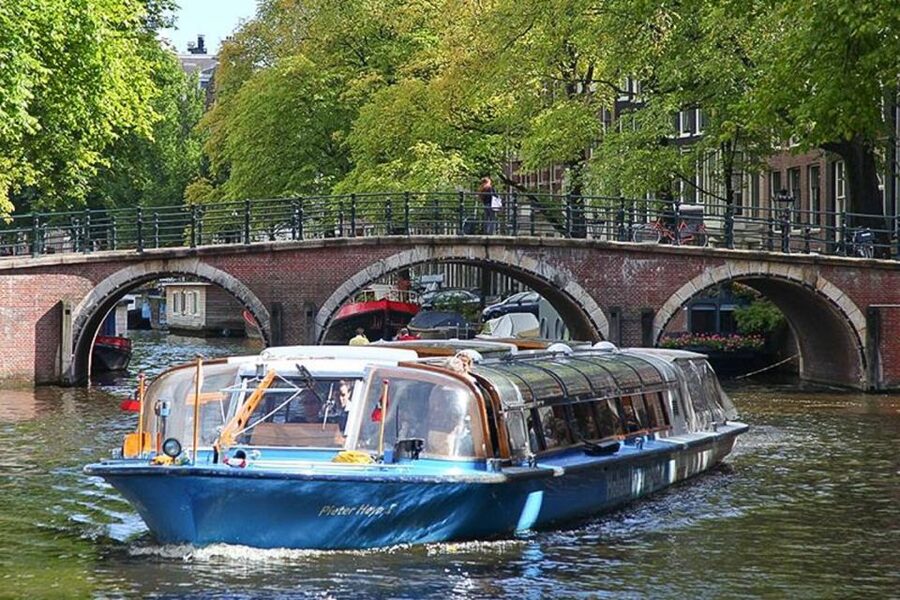
Nieuwmarkt Square is another scheduled stop where the guide can connect city planning to daily life. Squares like this are not just pretty spots, they are where different paths of commerce and community intersected.
From there, you move through the China Town area and into the Jewish Quarter. The tour keeps this human scale, so you are not just watching buildings from a distance. You are walking through a section of Amsterdam that feels distinct, and the guide helps you notice the clues.
You also stop by areas tied to culture and museums, including the Rembrandthuis. Even if you do not go inside, the guided context makes a difference. You start seeing how art, wealth, and neighborhoods overlap in the city center.
This part of the walk is also a good check on your personal style. If you like context and neighborhood texture, you will get a lot out of it. If you mainly want photo ops, you still get plenty of sights, but the guided explanations will matter more than you might expect.
Other loops taking in the big sights:

De Waag and Het Trippenhuis: mercantile Amsterdam in plain view
Two of the most “this is what they traded” stops are De Waag Restaurant and Het Trippenhuis. De Waag is a former weighing house linked to the business of commerce, so it is one of those buildings where the function still shows in the setting and story. The guide’s perspective helps you connect the dots between markets, river transport, and the wealth that followed.
Het Trippenhuis is a different kind of merchant power, more about prestige and the kinds of wealth that turned into impressive buildings. Again, this is exactly the value of a guided walk, because without context, you might read these as simply handsome facades.
You also get stops that reinforce this merchant theme, including time around the Jewish Quarter and the general center streets that lead toward major waterways. The tour is constantly nudging you to notice Amsterdam as a trading city, not just a canal-and-bike postcard.
And yes, you get those leaning merchant houses mentioned as a highlight. You do not need to be a building expert to notice the effect, but you do need context to understand why it happens and why Amsterdam’s architecture carries time in its shape.
Opera, Zuiderkerk, and the Amstel: start seeing the city’s backbone
The schedule includes the Dutch National Opera and Ballet and Zuiderkerk. These are not just landmarks to point at. They help explain how different institutions shaped the city center, especially as wealth grew and public life expanded.
Then you reach the Amstel River. The Amstel stop is key because it is the actual reference point for Amsterdam’s origin story. You learn how the city evolved from the Amstel River in the 12th century, which turns later canal views from decoration into a map of how Amsterdam grew.
If you are the kind of visitor who thinks you will understand the city just by walking around, this is where you get proof that a little narrative matters. Once the guide places the river in the timeline, the canals and bridges start to feel like a system.
Magere Brug and Blauwbrug: the bridge duo for photos and orientation
Two bridge stops deliver a lot of value in a short time. Magere Brug, also known as the Skinny Bridge, is famous for its look, and the guided walk positions you so you can appreciate it as part of a larger canal pattern.
Then Blauwbrug Bridge adds variety, because it shifts the view and changes how the canal corridor feels. You get that “I get the geography now” effect, where you can later locate your hotel or your next stop relative to waterways.
These moments also help you pace your sightseeing. Bridges are perfect pause points: you stand still for a minute, reset your legs, and get a view that gives context for what comes next.
If Amsterdam is overwhelming on day one, this is a smart strategy. Instead of trying to see everything, you learn a few anchors and then let the rest of the day make more sense.
Begijnhof courtyards and Amsterdam Museum: calm pockets inside a busy city
The Begijnhof stop is one of the most rewarding parts of the walk because it changes the mood. The tour highlights include little-known secrets like private courtyards, and Begijnhof is exactly that kind of place.
You get a guided look that helps you see why these interior spaces mattered. They are not just quaint. They show how the city created protective, community-based spaces inside dense urban growth.
You also stop by the Amsterdam Museum. Even without spending a long time inside, the guided placement helps you understand how museum culture fits into the broader story of Amsterdam’s identity.
This section is where I most want you to slow down, even if your legs say otherwise. A quick courtyard stop can reset your mind. It makes later big landmarks, like Dam Square, feel less overwhelming when you understand what kind of Amsterdam you are actually visiting.
Prinsengracht, Westerkerk, and the final walk to Dam Square
Prinsengracht is a major canal corridor, and the tour includes a dedicated stop there. This is where you can start recognizing the Canal Belt layout. Once you learn how this part of Amsterdam flows, you will feel less lost when you wander later on your own.
Next comes Westerkerk. The guide’s context helps you see why this church is such an important visual anchor in the area. It is a classic Amsterdam skyline element, but the guided explanation turns it into more than a postcard.
Finally, the tour ends at Dam Square. You get monuments there, including the Royal Palace and Nieuwe Kirk. Dam Square can be loud and crowded, so having a guide to frame what you are looking at is helpful. It keeps your visit from becoming just a quick photo sweep.
This ending sequence works well because it sends you from canals and neighborhoods back to the civic heart. By the time you reach Dam Square, you understand how the city’s water-based growth connects to the public spaces that represent power.
Price and value: $61 for a time-saver, not just sightseeing
At $61 per person for a 2.5-hour walk, you are paying for a guided orientation with a private guide. You are also paying for time saved. Amsterdam can eat hours if you are trying to figure out where to go next on your own, especially around canal belts and major squares.
What makes the price feel reasonable is the structure: the tour is designed as an efficient sampler of the center. You get a set route with major stops like Dam Square and the Royal Palace, plus neighborhood texture like Nieuwmarkt and the Jewish Quarter, plus the architectural signals tied to merchant wealth.
This is also a better deal for solo planning than for long museum days. You are not buying a whole day of tickets and meals. You are buying clarity. If you want food and drinks, you will still handle that yourself, because food and drinks are not included, and gratuity is optional.
Group size helps with value too. The tour runs with up to 12 guests, and semi-private is available with a maximum of 8 guests. Smaller groups make questions easier, and questions are where you get real benefits in Amsterdam.
Who this walk fits best
This is a great match if:
- You want an orientation tour that connects key sights instead of listing them.
- You like canal scenery but also want the “why” behind buildings.
- You have limited time and want practical tips on how to spend it.
It may be less ideal if:
- You need step-free access, because the tour is marked not suitable for wheelchair users.
- You plan to travel with luggage. Large bags are not allowed.
If you are doing Amsterdam for the first time, I like starting with something like this before you branch out. It gives you a mental map, and that makes later self-guided wandering much less stressful.
Should you book this Amsterdam City Center Guided Walking Tour?
I would book it if you want a smart, efficient way to see the core of Amsterdam without getting stuck in confusion. The combination of Dam Square landmarks, Amstel river context, and Canal Belt bridge views makes it more than a generic walk. You also get a guide who is expected to handle questions across art, history, architecture, and more, which matters when your time is tight.
Skip it only if your mobility needs are high, or if you are bringing large bags. Otherwise, this is the kind of 2.5-hour plan that pays off the rest of your day.
FAQ
How long is the Amsterdam City Center Guided Walking Tour?
The tour lasts 2.5 hours.
How much does the tour cost?
It is listed at $61 per person.
Where do I meet the guide?
Meet your guide outside the entrance of St Nicholas Church, on the opposite side of Central Station.
What sights are included on the route?
The tour includes stops such as the Basilica of Saint Nicholas, Oude Kerk, Nieuwmarkt Square, De Waag, Het Trippenhuis, the Amstel, Magere Brug, Begijnhof, Westerkerk, and Dam Square (including the Royal Palace and Nieuwe Kirk).
Is the guide private or group-based?
A private guide is included. The tour is offered as either a private tour or a semi-private tour (maximum 8 guests).
What languages are available for the live guide?
Live tour guide languages include Portuguese, Spanish, Dutch, French, English, and Italian.
What is included in the price?
The tour includes a private guide.
What is not included?
Food and drinks are not included. Gratuity is optional, and there is no hotel pick-up or drop-off.
Can I bring luggage or large bags?
No. Luggage or large bags are not allowed.
Is the tour wheelchair accessible?
Wheelchair accessible tours are only available by request only, but the tour is also marked as not suitable for wheelchair users. You should check with the provider before booking.
Newest on the canal ring
- Amsterdam Bike Food Tour with Private Guide★ 5.0 · 1 review
- Amsterdam: Rijksmuseum Private Tour with an Art Historian★ 5.0 · 1 review
- Happy B-day Amsterdam! Guided Tour with a History Buff★ 5.0 · 1 review
- Local Foodie Adventure in Amsterdam★ 5.0 · 1 review
- Private Photo Shoot in Amsterdam with a Professional Photographer★ 5.0 · 1 review
- Private day trip to Giethoorn and the Enclosing Dike★ 5.0 · 1 review
- Private Sightseeing Tour to Giethoorn from Amsterdam incl. canal cruise★ 5.0 · 1 review
City Walking Tours, compared.

Amsterdam Anne Frank: Small-Group Walking Tour & Local Guide
Read our review →
Anne Frank’s Story – Guided Walking Tour through Amsterdam
Read our review →
Absolutely Amsterdam – the Essential Introductory Walking Tour
Read our review →
Anne Frank Guided Walking Tour in DE/EN/IT/ES
Read our review →

Anne Frank Walking Tour Amsterdam Including Jewish Cultural Quarter
Read our review →Browse the lists this tour appears in