
Reviewed · GUIDED BIKE TOURS
Amsterdam: Cycling along the World War Two spots
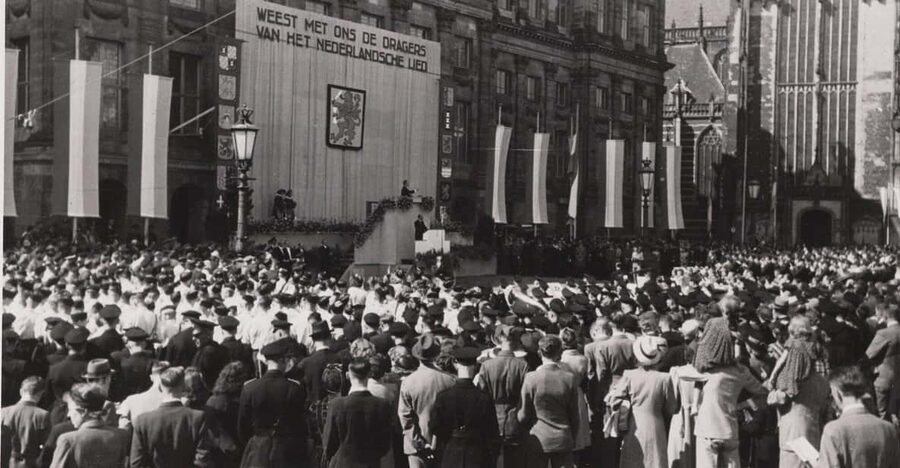
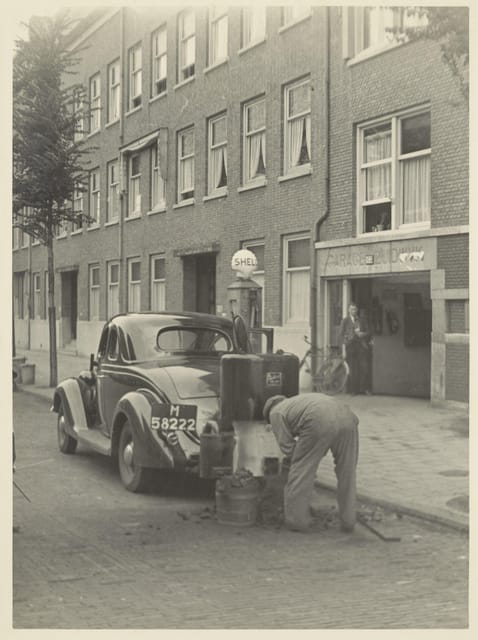
Pedaling through wartime Amsterdam changes you. This 3 hour cycling route takes you to the street level of Nazi occupation, from razzia sites to the Frank family address area.
I like how specific the stops are, with street names and exact locations. I also like that the narration is delivered by three retired historians who clearly care about what happened and how it unfolded.
That said, this is not light sightseeing. You cycle past places tied to arrests, executions, and raids, and some history can hit hard. Also, the $47 tour price covers the guide, but bike rental costs extra.
In This Review
- Key things I’d circle before you go
- A 3 hour bike route through Amsterdam South’s World War Two sites
- Meeting at Leidseplein, then heading out with a small group
- Price and what you actually get for $47
- How the tour handles heavy history on the move
- Victorieplein on June 20, 1943: a raid you can locate
- Merwedeplein 37-II (3rd floor): the Frank family address
- Waalstraat 48 and Lex van Weren’s survival
- C. Troostplein: Gestapo Rauter and Himmler in the same place
- Museumplein as the occupation stronghold and Himmler’s 1941 visit
- Resistance safe houses, executions, raids, and battles nearby
- Who this tour suits best
- What to watch for before booking
- Should you book this cycling tour of WWII Amsterdam South?
Key things I’d circle before you go
- Leidseplein start point by the Apple Store entrance, easy to find before you head out.
- Victorieplein on June 20, 1943, a major Amsterdam raid date you’ll hear in context.
- Merwedeplein 37-II (3rd floor), the home linked to the Frank family.
- Waalstraat 48 and Lex van Weren, including the fact that he survived Auschwitz.
- C. Troostplein and Gestapo Rauter with Heinrich Himmler, leadership and intimidation in one place.
- Museumplein as a wartime stronghold, where German power concentrated and Himmler visited in 1941.
A 3 hour bike route through Amsterdam South’s World War Two sites
This tour is built for one simple idea: history sticks when you move through the same streets. Instead of museum rooms, you get sidewalks, intersections, and facades tied to occupation life. The ride runs for 3 hours, so it feels focused, not endless.
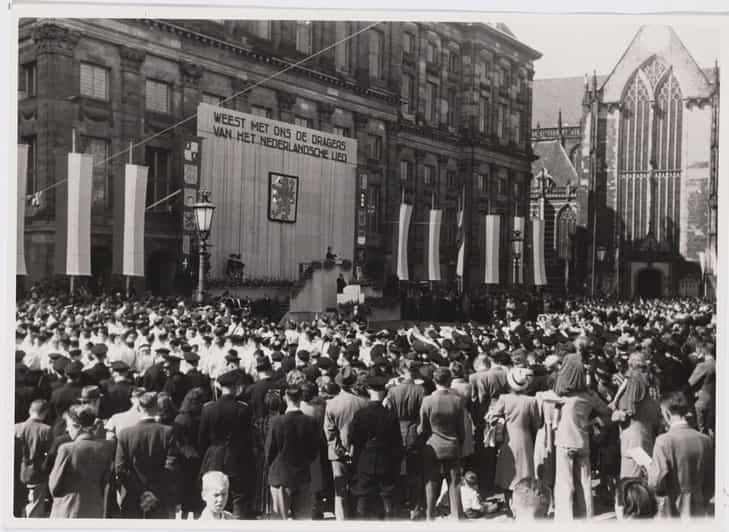
You’ll spend that time in Amsterdam South, where many World War Two monuments and buildings from the occupation era still shape the neighborhood. The tour also centers on what the German occupation meant for the Jewish Dutch, and why these locations matter even decades later.
More of Amsterdam from a saddle:
- Big Bike tour Amsterdam – See all in 3 unforgettable hours
★ 4.7 · 4,929 reviews - Small Group Guided Bike Tour of Amsterdam’s Hidden Gems
★ 5.0 · 3,936 reviews - Amsterdam: Off the Beaten Path Bike Tour in French
★ 4.9 · 1,632 reviews
Meeting at Leidseplein, then heading out with a small group
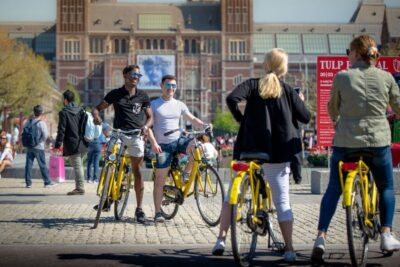
You meet at Leidseplein, next to the entrance of the Apple Store. That makes the start straightforward, especially if you’re already planning to explore nearby.
The group is listed as small, limited to 1 participant. In practice, that strongly suggests you will not be squeezed into a crowd. You can ask questions and hear details without competing with others.
Price and what you actually get for $47
The price is $47 per person for the guided bike tour. The guide is included, and that is the main value here, since the route is essentially a moving history lecture on real streets.
Bike rental is not included. Before the tour begins, you visit the bike rental shop together with the group. So if you’re budgeting, expect the bike cost to be added on top of $47, and plan that into your total.
For many people, the best value is the specificity. You’re not just hearing that “something happened in Amsterdam.” You’re getting street-by-street anchors, including named people and exact addresses.
How the tour handles heavy history on the move
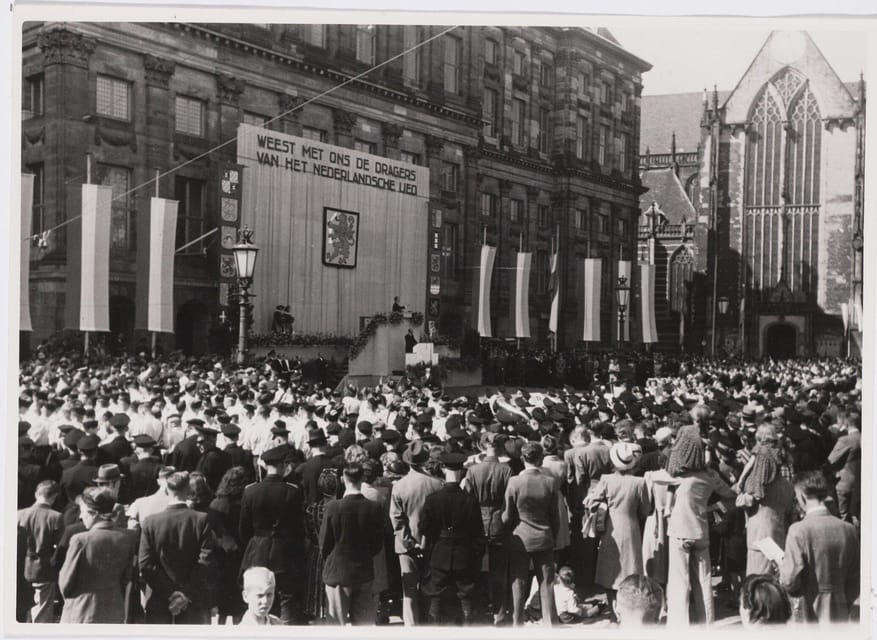
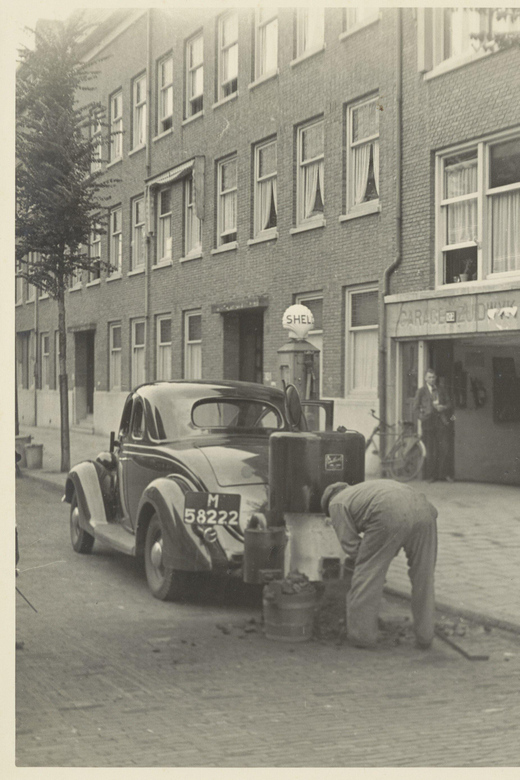
This experience tackles the occupation system, including arrests and raids. It includes places where the round up of Jewish citizens in this part of the city took place. You’ll also visit areas tied to executions, raids, and battles between Dutch resistance members and German soldiers.
That matters because it changes your perspective. You begin to connect everyday urban space to the machinery of terror that operated there. You also start understanding why the occupation’s leadership felt close and personal, not distant.
One practical consideration: cycling can make it harder to pause and process if you’re feeling overwhelmed. I’d treat this as an appointment with your emotions as much as your schedule.
A different use for the same hours in Amsterdam:

Victorieplein on June 20, 1943: a raid you can locate
One of the big anchor stops is Victorieplein. The date given is June 20, 1943, when a major raid took place in Amsterdam. Hearing that date while you’re standing near the square gives it a sharper edge than reading it later.
Why this stop works: raids were not abstract events. They were organized actions that turned city space into a trap. You’re learning how quickly the occupation could mobilize, and how public locations became part of that process.
You’ll likely come away with a different relationship to intersections and open squares. After hearing a specific raid date connected to a specific spot, the city becomes a map of what happened.
Merwedeplein 37-II (3rd floor): the Frank family address
The tour visits Merwedeplein 37-II, specifically noted as 3rd floor, tied to the home of the Frank family. This is one of the most emotionally charged locations on the route.
The value here is the address level detail. Many World War Two stories jump from big names to general areas. This tour slows it down to a place and a floor, which helps you picture how ordinary living could exist right up against danger.
You also get the broader framing that Amsterdam South contains the kind of buildings where Jewish families lived before going into hiding. The story connects those pre-hiding years to the occupation pressure building around them.
Waalstraat 48 and Lex van Weren’s survival
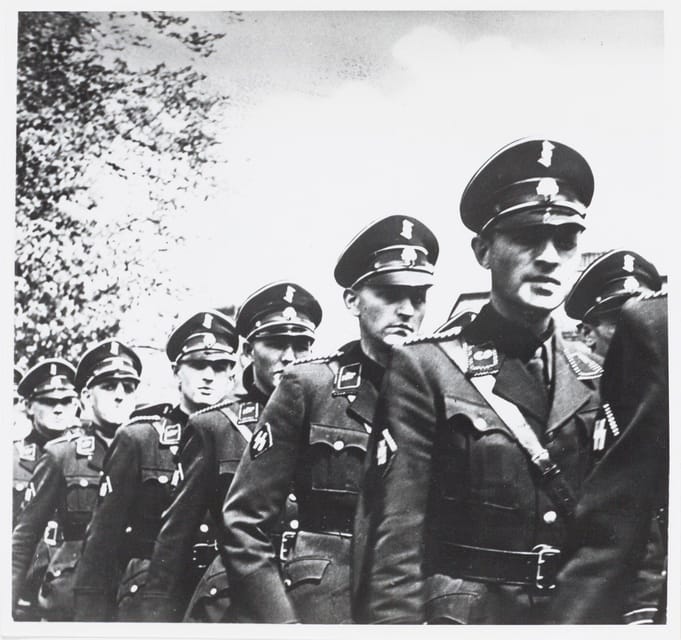
Next comes Waalstraat 48, linked to Lex van Weren. The key fact provided is that he survived Auschwitz.
I like this kind of detail because it avoids flattening people into symbols. A survivor story adds balance to the darker parts of the route. It also helps you understand that the occupation’s victims were not only numbers, but real individuals with different outcomes.
Even if your emotions run high, this stop can steady you. It reminds you that survival was possible, even though the system was brutal.
C. Troostplein: Gestapo Rauter and Himmler in the same place
At C. Troostplein, you learn about Gestapo Rauter meeting Reichsführer Heinrich Himmler. That pairing is not just a name drop. It points to the chain of intimidation and control operating during the occupation.
Why it’s powerful: you’re connecting the headquarters level of power to the city itself. When you know that top leadership came through specific Amsterdam locations, the occupation stops feeling like a distant government. It becomes something that moved through streets.
This stop also sets you up for what comes next at Museumplein, where the German presence becomes even more concentrated.
Museumplein as the occupation stronghold and Himmler’s 1941 visit
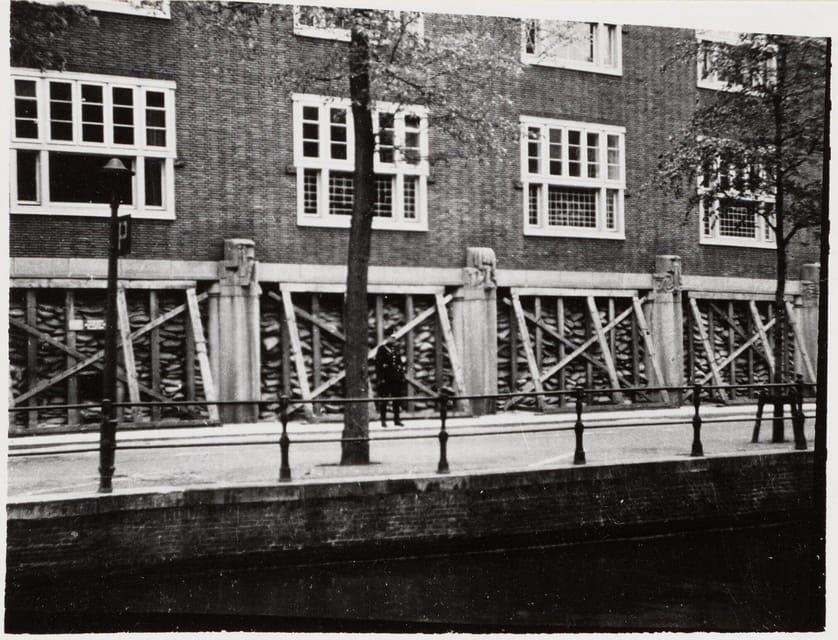
The tour’s Museumplein segment focuses on concentration of occupation power. The German transformed Museumplein into a stronghold during the war, and multiple key offices were clustered there.
The details given are vivid:
- German army headquarters and civil services
- headquarters of the Dutch Nazi party (NSB) in Amsterdam
- In 1941, Museumplein was visited by SS and Gestapo chief Heinrich Himmler
- The Gestapo headquarters Amsterdam was partially destroyed by allied air attack in 1944
Standing near a place like Museumplein gives you a strong sense of why the occupation could function so efficiently. If you concentrate military command, civil administration, and security services in one area, you reduce friction. That is what you’re learning, even without seeing uniforms or command posts.
It also makes the 1944 allied air attack detail feel grounded. The city was not static. It was a target, and the war kept closing in.
Resistance safe houses, executions, raids, and battles nearby
Beyond the major headquarters and famous addresses, the route includes places tied to resistance safe houses and locations where executions and raids happened. You also hear about battles between the Dutch resistance and German soldiers.
This is where the tour feels most “street real.” You begin to understand that occupation history was not only about German decisions. It was also about Dutch resistance networks, hidden support, and the violent pushback that followed.
Even if your main interest is Anne Frank’s story, I think these segments matter. They explain the environment around the famous narrative. They also clarify how dangerous safe houses were, and why resistance work required constant risk management.
Who this tour suits best
This cycling tour is ideal if you want World War Two Amsterdam in a practical format. You like your history tied to addresses and specific places, not vague summaries.
It also fits travelers who enjoy guided interpretation from people who specialize in this era. The tour is run by three retired historians, and one review praised the guide for being friendly and very well informed.
If you’re traveling with teens or adults who ask a lot of questions, the small group nature can be a plus. You get more room for discussion.
What to watch for before booking
Because the route includes raids, executions, and battles, expect heavy subject matter. If you prefer your sightseeing lighter, you might want to choose a different kind of tour.
Also remember the bike rental cost is not included. The tour is $47, but your final total will depend on the rental shop price since you visit it together before you start.
Should you book this cycling tour of WWII Amsterdam South?
If you want a guided, street-level way to understand the German occupation, I’d book it. The standout value is the combination of exact stops and human connections, like Merwedeplein 37-II, Waalstraat 48 and Lex van Weren, and Victorieplein on June 20, 1943.
I’d especially recommend it if you appreciate when history is grounded in geography. Pedaling through the city turns the story into something you can hold in your mind, because you can point to the same corners later.
Just go in prepared for intense material, and give yourself time afterward to process what you learned.
Newest on the canal ring
- Amsterdam Bike Food Tour with Private Guide★ 5.0 · 1 review
- Amsterdam: Rijksmuseum Private Tour with an Art Historian★ 5.0 · 1 review
- Happy B-day Amsterdam! Guided Tour with a History Buff★ 5.0 · 1 review
- Private day trip to Giethoorn and the Enclosing Dike★ 5.0 · 1 review
- Local Foodie Adventure in Amsterdam★ 5.0 · 1 review
- Private Photo Shoot in Amsterdam with a Professional Photographer★ 5.0 · 1 review
- Private Sightseeing Tour to Giethoorn from Amsterdam incl. canal cruise★ 5.0 · 1 review
Guided Bike Tours, compared.
Big Bike tour Amsterdam – See all in 3 unforgettable hours
Read our review →
Small Group Guided Bike Tour of Amsterdam’s Hidden Gems
Read our review →
Countryside Bike Tour from Amsterdam: Cheese, Clogs & a Windmill
Read our review →
Windmill, Cheese, and Countryside E-Bike Tour
Read our review →
Browse the lists this tour appears in