
Reviewed · MUSEUMS
Amsterdam: Dutch WWII Resistance Museum Entry Ticket
WWII hits hard in one museum. At the Dutch WWII Resistance Museum in Amsterdam, you see how ordinary people responded to Nazi occupation, from strikes to helping people go into hiding, all through real objects and personal stories.
I love the way the museum focuses on everyday choices, not just famous names, so resistance (and collaboration) feels real and human.
The second thing I like is the audioguide setup. You get a headset and audio in multiple languages, and the museum’s exhibition design makes it easy to follow along with short films, displays, and interactive elements.
One consideration: this is an emotionally heavy visit. If you prefer light, upbeat museums, you may find the subject matter draining, so plan a calm buffer afterward.
In This Review
- Key things you will like here
- Verzetsmuseum Amsterdam: what your entry ticket actually gives you
- How long to plan: 1 day ticket, best time window
- Your path through the main exhibition: resistance under Nazi occupation
- Stories and objects: why the exhibition feels more real than a textbook
- Audioguides, films, and interactive details you will actually use
- The Dutch East Indies chapter: the story reaches beyond Europe
- What about collaborators, not just resistance?
- Accessibility and comfort: designed so you do not miss the story
- Price and value: is $21 worth it?
- Pairing your visit: food on-site and a nearby reminder
- Who should book this ticket, and who should think twice
- Should you book this Amsterdam WWII Resistance Museum ticket?
- FAQ
- Do I need a guided tour with this ticket?
- What languages are available for the audioguide?
- How much time should I plan for the museum?
- Where do I check in when I arrive?
- Is the museum wheelchair accessible?
- Is food included with the ticket?
- Can I cancel and get a full refund?
Key things you will like here
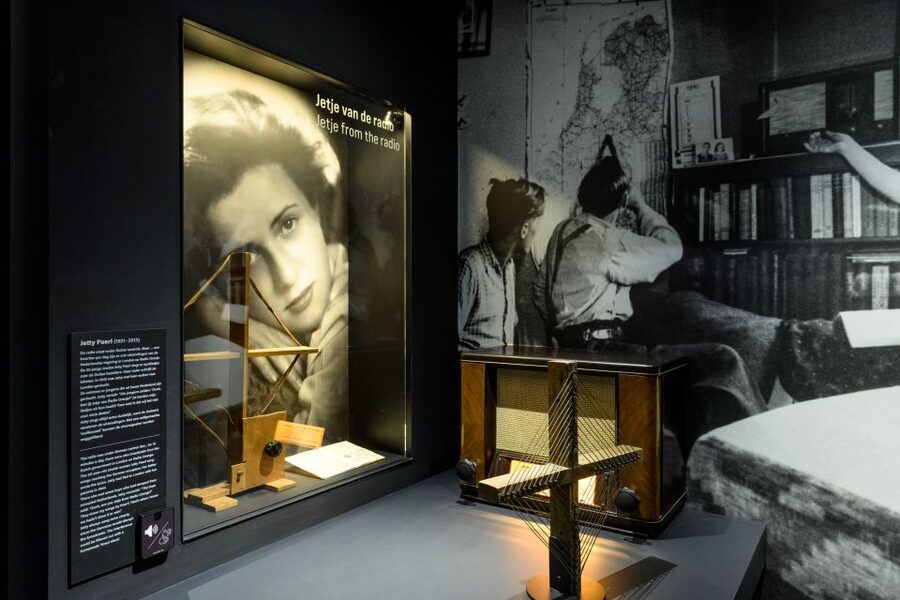
- Every form of resistance is covered, from underground newspapers to escape routes and espionage
- Personal documents and dilemmas bring the hard questions into focus
- Audioguide in many languages helps you control how much detail you want
- A dedicated Dutch East Indies section connects the story beyond Europe
- Wheelchair accessible and barrier-free, with an exhibition layout that works for different needs
Verzetsmuseum Amsterdam: what your entry ticket actually gives you
Your Amsterdam: Dutch WWII Resistance Museum Entry Ticket is simple and flexible. You get admission plus an audioguide, and you explore at your own pace inside the museum’s World War II exhibitions.
There is no live guide included. That is part of the charm for many visitors: you can pause, move slowly, and choose which stories you want to sit with. The museum also states that the audio guide is available in Dutch, English, French, German, Italian, Spanish, and Portuguese, which is a big deal if you are traveling as a mixed-language group.
You’ll want to head to the museum counter and show your tickets to enter. The museum is also wheelchair accessible, and it is designed for visitors who need a step-free, easier layout.
More Amsterdam collections worth the queue:
- Amsterdam: Red Light Secrets Museum Entry Ticket
★ 4.2 · 5,722 reviews - Amsterdam’s Weirdest Museum: Ripley’s Believe It or Not!
★ 4.5 · 4,920 reviews - Amsterdam: Van Gogh Museum Ticket and City Canal Cruise
★ 4.6 · 3,899 reviews
How long to plan: 1 day ticket, best time window
The ticket is valid for 1 day, but the question is how long you should actually give the place. Based on how people experience the exhibition, I’d plan on about 2 to 3 hours if you want to follow most rooms without rushing.
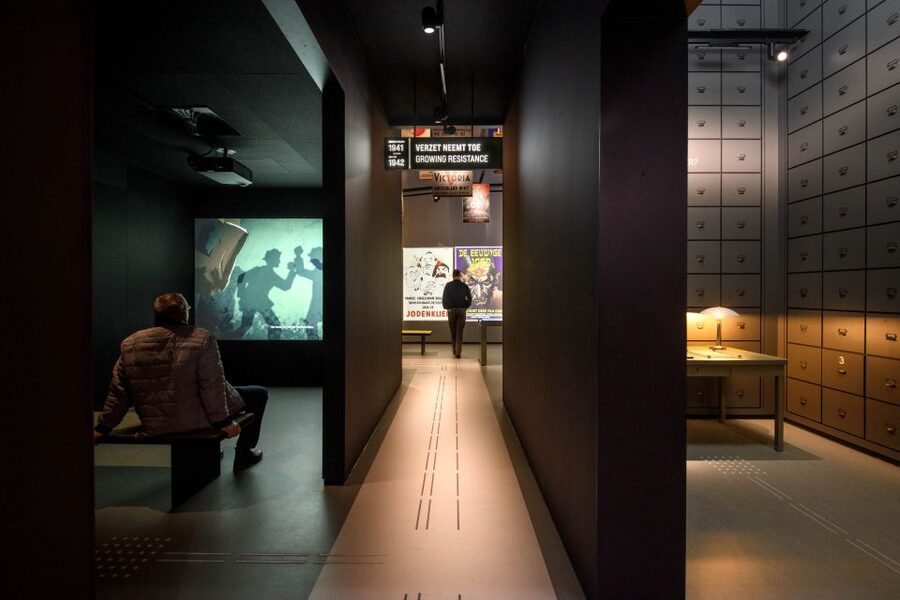
The museum is built like a series of connected themes rather than one straight corridor. That means the visit expands naturally once you start reading the documents and watching the short films. If you only have 60 to 90 minutes, you might feel like you are skimming the surface, which is a shame here.
If your day in Amsterdam includes several stops, I suggest putting this museum somewhere you can slow down. You may want a quiet lunch after, or at least a low-key next activity.
Your path through the main exhibition: resistance under Nazi occupation
The heart of the museum is how Dutch society responded during the German occupation in World War II. The exhibition doesn’t treat resistance as one dramatic act. It shows resistance as a spectrum, shaped by risk, fear, and moral pressure.
Expect rooms that cover multiple types of resistance, including:
- Strikes
- Forging documents
- Helping people go into hiding
- Underground newspapers
- Escape routes
- Armed resistance
- Espionage
As you move through, you will notice how the museum uses walls filled with photos to create the mood of the war years. It is not just information. It is atmosphere, built around faces, locations, and the sense that life kept moving while danger grew.
What really matters is the focus on everyday heroes. The museum highlights that resistance often happened through small, repeated choices. You get the sense that people were not just fighting back in one big moment, they were surviving and resisting day after day.
Stories and objects: why the exhibition feels more real than a textbook
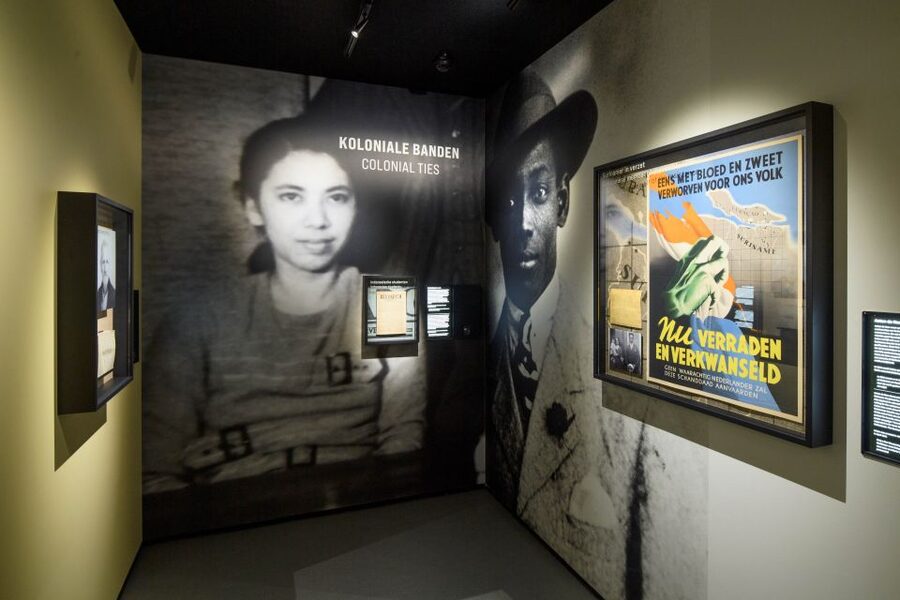
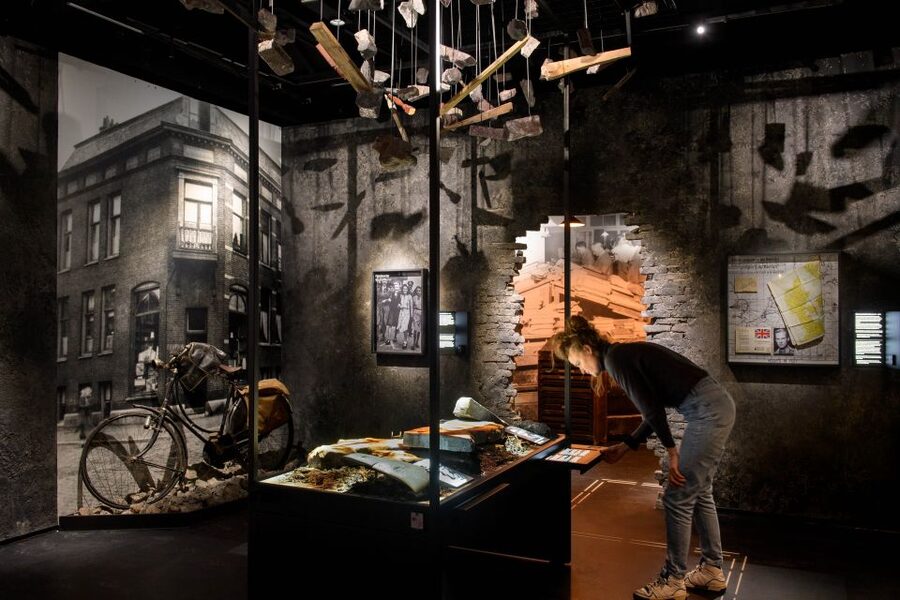
One thing the museum does well is connect story to evidence. The experience is built around objects, displays, and personal materials, so you are not just reading what happened. You are looking at artifacts and records that hint at what daily life under occupation could feel like.
The museum design also pushes you to think about the full range of human behavior under pressure. It includes people who resisted, and it also addresses collaboration and difficult decisions made when the occupying power controlled so much.
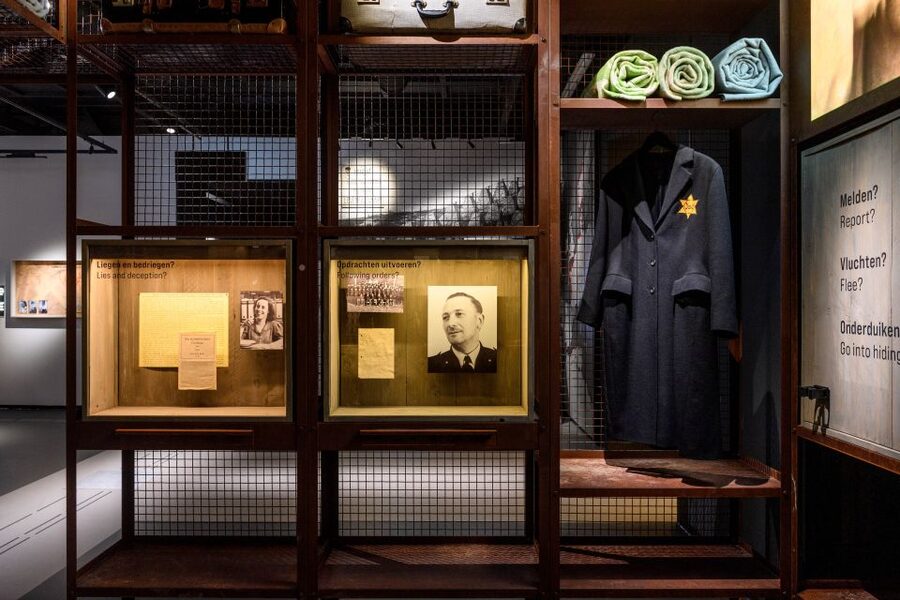
A lot of the exhibits feature moving personal documents. These help explain dilemmas: when you are afraid, when you are trapped, when you are trying to protect someone else, and when you have to decide whether to resist openly, help quietly, or do something else entirely.
Some other canal-ring outings to set against this





Audioguides, films, and interactive details you will actually use
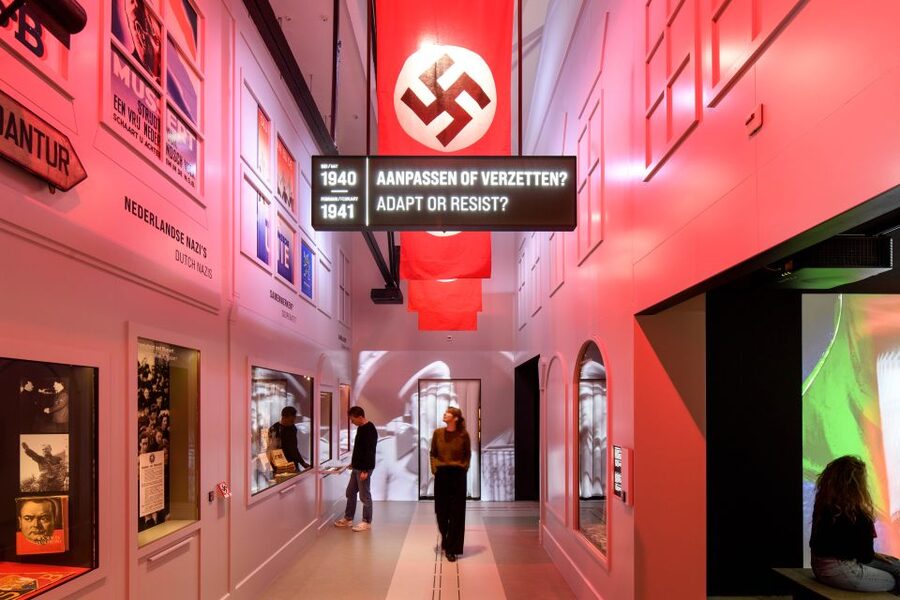
This museum’s audio guide is a core part of the visit, not a last-minute add-on. Many visitors say the system is easy to use, and the headsets work smoothly. You can focus on the parts that interest you most and skip what you need to skip.
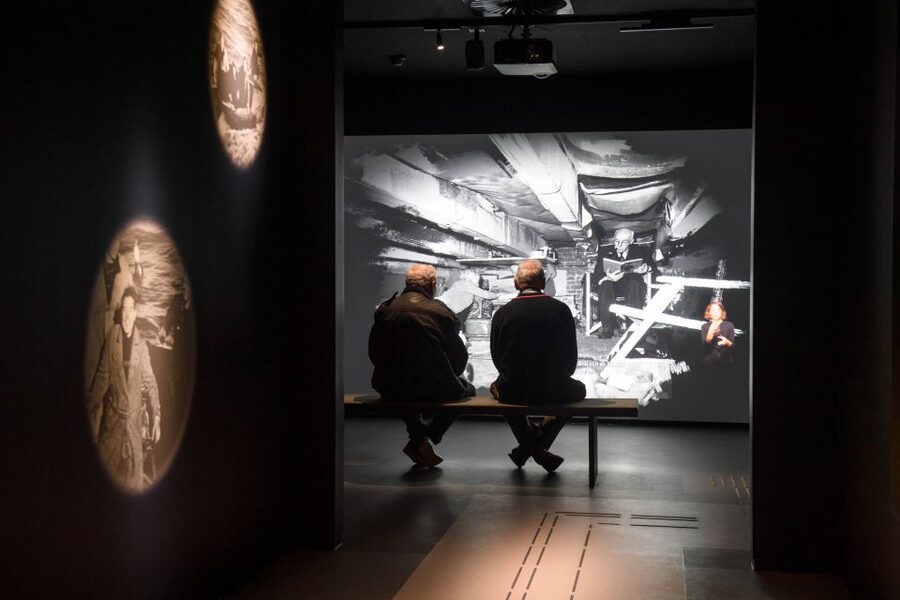
You’ll also see video elements, and the museum pairs visuals with audio explanations. That combination helps a lot if your group has different levels of prior knowledge. People with partial WWII knowledge can follow the story without feeling lost, while history fans can linger over the details.
Several reviews also point out interactive touches like scanning codes at exhibits and using handheld audio devices in addition to the main audio guide. If you like autonomy, that matters: you can choose what to listen to, and you can slow down where you need time.
A practical tip: wear comfy shoes. You will be standing, reading, and walking room to room more than you expect from the museum’s “small” feel. If you are sensitive to noise, you may also enjoy the quieter moments where you read documents and watch short clips at your own pace.
The Dutch East Indies chapter: the story reaches beyond Europe
One of the standout sections is dedicated to the Dutch East Indies. The museum doesn’t stop at Europe. It connects Dutch colonial history with the terror faced under Japanese occupation.
Here, you’ll learn about harrowing experiences under the Japanese regime of terror. The museum presents this as part of a wider story of occupation and suffering, and it helps you understand how the WWII experience spread across the Dutch world.
If your family history includes the Dutch East Indies or you simply want WWII context beyond the usual Europe-centered narrative, this section can be especially meaningful. It also expands the museum’s emotional range, because it reframes “occupation” as something that happened far from the Netherlands’ streets.
What about collaborators, not just resistance?
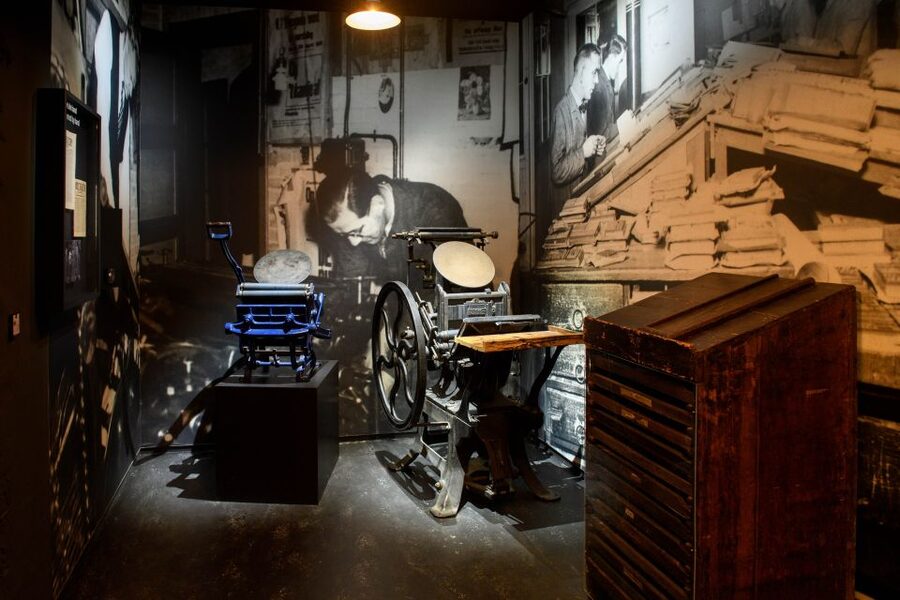
The museum is careful with its messaging. Instead of turning the exhibition into a simple good-versus-evil story, it presents how people were confronted with choices.
You will see how the occupation system created dilemmas. Some choices involved direct resistance, some involved survival strategies, and others involved collaboration under pressure. The museum uses personal documents to show that these were not abstract ethics lessons. They were real decisions with consequences for families, neighbors, and the future.
That balance is part of why the museum can feel thoughtful rather than purely accusatory. You leave with questions that make you look harder at how power works when fear is everywhere.
Accessibility and comfort: designed so you do not miss the story
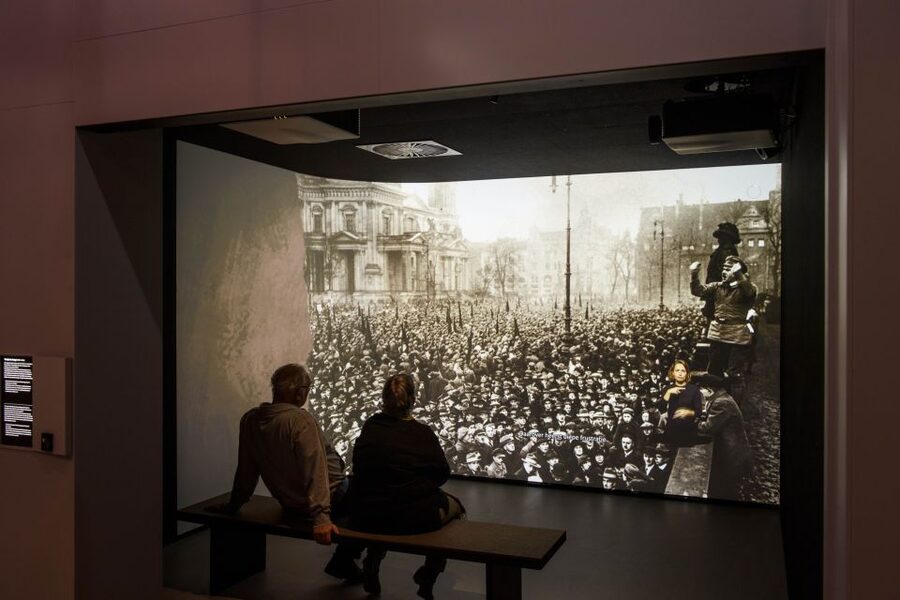
The museum states it is wheelchair accessible, and reviews also mention that the layout is barrier-free. If you are managing mobility issues, that is a big plus in Amsterdam, where streets and old buildings can be tricky.
The audio system helps with accessibility in another way too. If you struggle with reading a lot in dim spaces, audio explanations can carry you through. Several visitors also note that the audio and interactive setup helps them manage attention in a museum setting, including people who benefit from hearing information rather than only reading it.
If you need breaks, plan for them. This is not a “rush and snap photos” type of stop. Give yourself time to sit where you can, listen fully, then move on when you are ready.
Price and value: is $21 worth it?
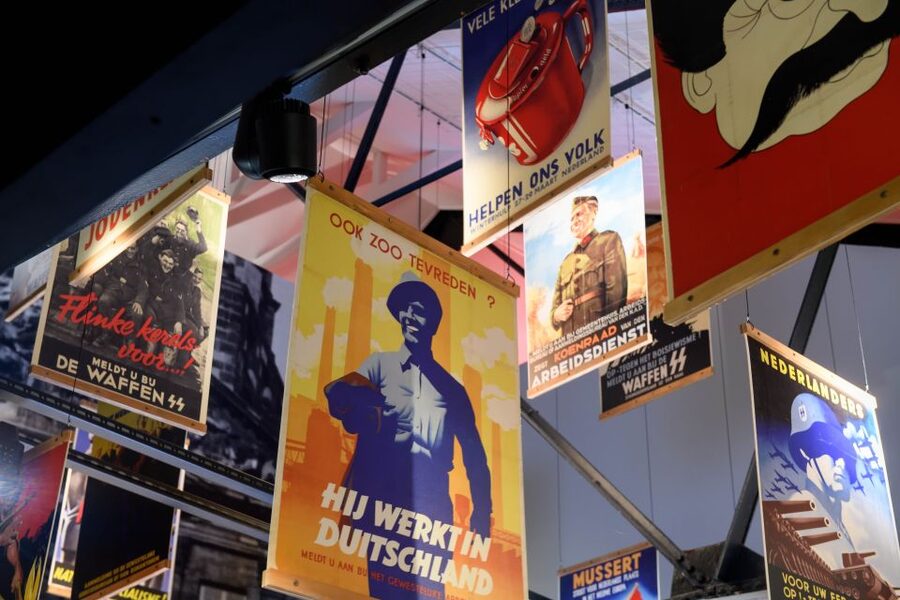
At about $21 per person, this ticket sits in the midrange for major museums in Amsterdam, but the value comes from how much you get per ticket.
You are paying for:
- Admission to a focused, well-designed WWII exhibition
- A multilingual audioguide
- A museum layout that encourages longer stays
Many people say they spent around 2 to 3 hours, and some mention they could have spent longer. The museum also covers more than one chapter of history, including Dutch resistance and the Dutch East Indies section. That breadth, plus the personal stories and audio support, is why it often feels like fair pricing rather than a tourist markup.
If your budget is tight and you only choose one WWII museum experience in Amsterdam, this one is worth strong consideration. It is not only about telling history. It is about showing how people lived inside it.
Pairing your visit: food on-site and a nearby reminder
Food is not included with your ticket, but there can be an easy fix. One review mentions a lovely restaurant attached to the museum, which can save you time and decision fatigue.
Also, if you are interested in a broader web of WWII memory in Amsterdam, you might consider adding the nearby Hollandische Schouwburg memorial. One review mentions it on the way to the museum, which suggests it is a practical add-on if you want your day to connect more dots.
Keep it simple: let the museum set the tone, then choose food or a quiet walk nearby. Your brain will likely need a decompression moment.
Who should book this ticket, and who should think twice
This is a great choice if you:
- Care about WWII history that focuses on Dutch experience
- Want a museum that explains more than dates and battles
- Like personal stories, documents, and objects
- Prefer self-paced learning with strong audio support
You may want to think twice if you:
- Want a light, family-party museum outing
- Are sensitive to heavy, tragic content
- Have very limited time and can only do a quick stop
Should you book this Amsterdam WWII Resistance Museum ticket?
Yes, I think you should book it if you want a serious, well-structured look at Dutch resistance during Nazi occupation, with an audioguide that helps you follow along comfortably.
Book it particularly if you like museums that use personal items and dilemmas to make history feel close. The Dutch East Indies section is also a strong bonus for anyone who wants WWII context beyond Europe.
If your only goal is something casual, quick, and upbeat, pick a different attraction. But if you want one meaningful stop in Amsterdam that teaches you something new and stays with you after, this ticket is a solid call.
FAQ
Do I need a guided tour with this ticket?
No. The ticket includes entry and an audioguide, but it does not include a guide.
What languages are available for the audioguide?
The audioguide is available in Dutch, English, French, German, Italian, Spanish, and Portuguese.
How much time should I plan for the museum?
The visit is valid for 1 day, and it is commonly planned for about 2 to 3 hours to see and listen to the exhibits comfortably.
Where do I check in when I arrive?
Show your ticket(s) at the museum counter.
Is the museum wheelchair accessible?
Yes, the museum is wheelchair accessible.
Is food included with the ticket?
No, food and drinks are not included.
Can I cancel and get a full refund?
Yes, you can cancel up to 24 hours in advance for a full refund.
Newest on the canal ring
- Amsterdam Bike Food Tour with Private Guide★ 5.0 · 1 review
- Amsterdam: Rijksmuseum Private Tour with an Art Historian★ 5.0 · 1 review
- Happy B-day Amsterdam! Guided Tour with a History Buff★ 5.0 · 1 review
- Private day trip to Giethoorn and the Enclosing Dike★ 5.0 · 1 review
- Local Foodie Adventure in Amsterdam★ 5.0 · 1 review
- Private Photo Shoot in Amsterdam with a Professional Photographer★ 5.0 · 1 review
- Private Sightseeing Tour to Giethoorn from Amsterdam incl. canal cruise★ 5.0 · 1 review
Museums, compared.


Amsterdam’s Weirdest Museum: Ripley’s Believe It or Not!
Read our review →



Van Gogh Museum Amsterdam Exclusive Tour w/ Reserved Entry
Read our review →
Moco Museum Amsterdam Admission Ticket with Banksy and more
Read our review →
Van Gogh Museum Tour Reserved Entry Semi Private
Read our review →Browse the lists this tour appears in