
Reviewed · AMSTERDAM
Amsterdam Essentials: From Swamps to Riches
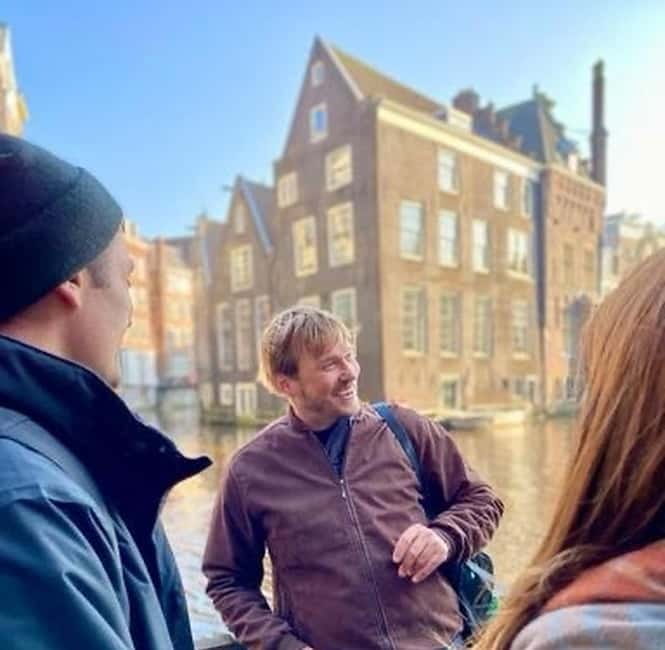
Amsterdam changes when you walk it slowly. This Essentials tour maps how a holy medieval city turned into a free-spirited capital, with small-group energy and a guide who connects the dots as you go. You start in the center, move through the canal belt, and end at a war memorial, so you get stories you would never pick up from postcards.
I love the way the walk slows down at places with quiet power. The stop at Begijnhof is a dramatic calm moment, and you also learn how to read buildings and squares as evidence of Amsterdam’s constant change. The only real catch is time: at 2 hours, you’ll cover the highlights, but you won’t have long, inside-time for every site.
In This Review
- Key things that make this walk worth your time
- From Spui’s Het Lieverdje to the Royal Palace, your bearings in 10 minutes
- Grachtengordel on foot for 90 minutes: canal-belt clues you can actually use
- Begijnhof’s secret calm: a holy courtyard inside the city machine
- WWII marks, public squares, and why Dam Square ends the way it does
- Dutch food and bike-area tips: how to extend the tour into a real day
- How the small group format improves the experience
- Who should book, and who might want a different kind of Amsterdam tour
- Should you book Amsterdam Essentials: From Swamps to Riches?
- FAQ
- How much does Amsterdam Essentials cost?
- How long is the tour?
- Where do I meet the guide?
- How big is the group?
- What languages are available?
- What stops are included?
- Can I cancel or pay later?
Key things that make this walk worth your time
- Spui square start at Het Lieverdje, so you ease into the city’s story right away
- Royal Palace area context without turning it into a lecture
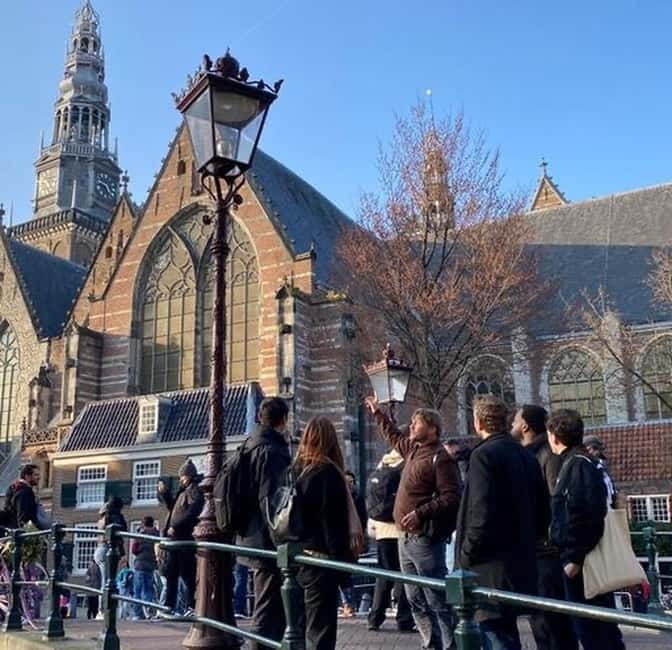
- 1.5 hours through the Grachtengordel canal belt, with practical architecture talk
- Begijnhof courtyard calm that feels like another Amsterdam entirely
- WWII memory on Dam Square, ending at the National Monument
- Local snack and bike-area recommendations, plus a strong small-group feel (max 10)
From Spui’s Het Lieverdje to the Royal Palace, your bearings in 10 minutes
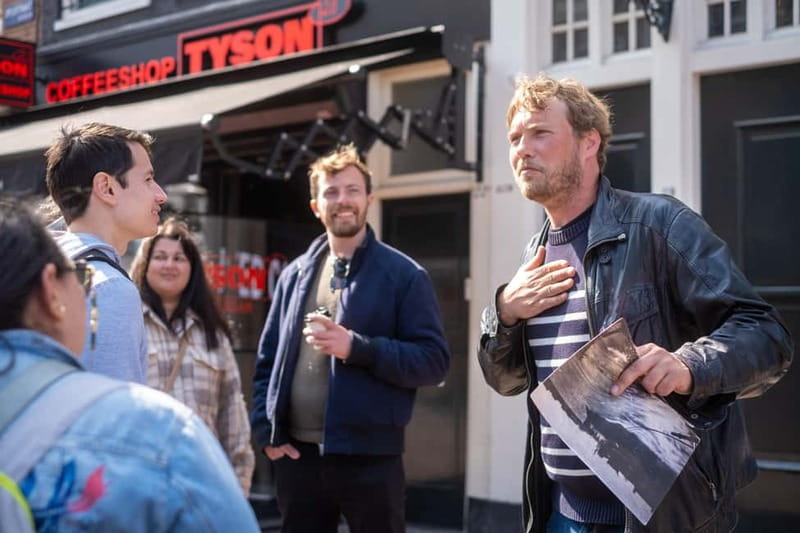
The tour starts at the statue of Het Lieverdje at Spui square. It is a small bronze figure in a very active place, and that contrast is perfect for what this walk is trying to do: show you Amsterdam as layers, not as one single theme. From there, you move on foot through central streets where the city’s “past versus present” idea is always within sight.
Within about 10 minutes, you reach the Royal Palace area. You are not just looking at a landmark from the outside. You get the why behind it, as part of the bigger arc from medieval seriousness to later wealth and power. This matters because Amsterdam’s big buildings often feel contradictory at street level, until someone gives you the timeline. Your guide does that, and you start noticing patterns right away.
A practical plus: because the tour begins in a lively, easy-to-find spot, you can anchor your first-day orientation fast. If your schedule is tight, this is the kind of walk that helps you later choose which neighborhoods to linger in and which routes to avoid.
Weighing this against the rest? A few more from Amsterdam:
- Amsterdam: Heineken Experience Ticket including 2 Drinks
★ 4.6 · 36,014 reviews - Amsterdam Classic Saloon Boat Cruise with Drinks and Cheese
★ 5.0 · 31,825 reviews - Amsterdam Luxury Canal Cruise + Unlimited Drinks & Bites option
★ 5.0 · 30,518 reviews
Grachtengordel on foot for 90 minutes: canal-belt clues you can actually use
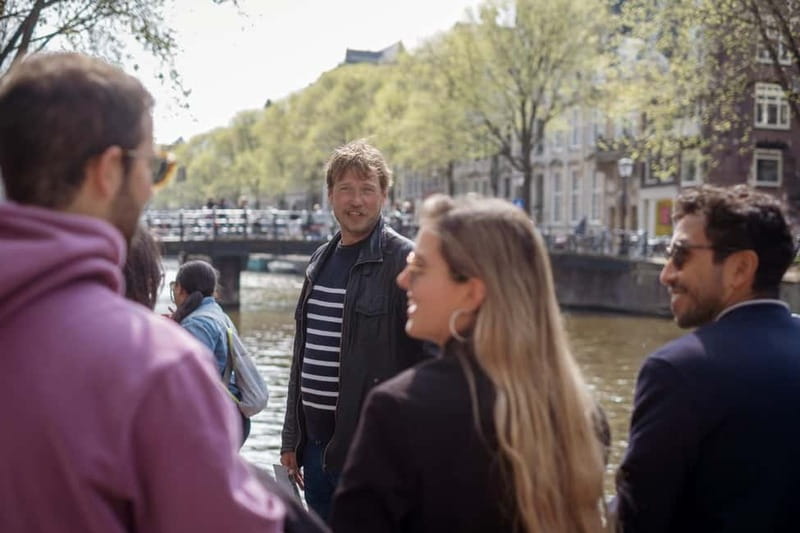
The bulk of the tour moves through the Grachtengordel canal belt, roughly 1.5 hours. This is where the experience turns from sightseeing into “how to read the city.” You learn how the canal layout and surrounding architecture connect to the Golden Age wealth that shaped Amsterdam’s look, and how later events left marks too.
Here is what makes this portion especially useful. Your guide does not treat canals like decoration. You get taught to look at the streets and facades as records of change: what people built when the economy was strong, what got repaired or altered, and what signals shifts in power and priorities. Once you learn that skill, you start seeing details on your own. Even if you only stay in Amsterdam for a few days, that kind of mental toolkit pays off.
Also, the tone tends to stay light. Multiple guides on this tour, including Jussi, Sebastian, Stan, and Wendy, are known for telling stories with humor, and for pointing out small features you would otherwise glide past. On a rainy day, the group energy stays focused too, because guides know how to keep momentum and keep the walk feeling like a conversation, not a history class.
One consideration: you will cover ground. This is a walking tour with a set route and time windows, so if you want to stop for long photo breaks every few minutes, you might feel slightly rushed. The flip side is that the pace is what makes the 2-hour format work.
Begijnhof’s secret calm: a holy courtyard inside the city machine
One of the most memorable moments comes after the Spui-area start, when you head toward Begijnhof. It is easy to miss if you are sightseeing on your own, and that is exactly why it belongs on this route. You step into a cloistered courtyard, and the atmosphere changes immediately. The busy streets fade behind you, and you get a feel for how Amsterdam has always included spaces for different kinds of life.
This stop also helps you understand the tour’s theme, from holy medieval roots to later secular freedom. Begijnhof is not just a pretty courtyard. It is a quiet reminder that Amsterdam’s identity was shaped by religious communities and social structures, long before coffee shops and bikes became the images most people associate with the city.
When your guide explains the context, the courtyard becomes readable. You start noticing how the design supports calm, privacy, and community living. Then, when you step back into the street, the contrast between old and new becomes obvious. That contrast is the whole point of the walk: Amsterdam is not one thing, it is many eras talking to each other.
If you are the kind of traveler who loves small, off-the-main-street stops, this is one of the best reasons to book. If you prefer only big, outward-looking monuments, you might find the courtyard less dramatic. But even then, the emotional shift you get when you enter the space is worth it.
WWII marks, public squares, and why Dam Square ends the way it does
As the walk continues, you start seeing traces of the darker years of the Second World War alongside the brighter scenes of earlier prosperity. The tour treats these stories with care. You do not just hear dates. You learn how memory sits in the public spaces where people still pass every day.
The end point is Dam Square, where the National Monument stands. The moment is solemn by design, and placing it at the end gives the earlier walking stories weight. You have spent time moving through wealth, street patterns, and architecture clues. Then you arrive at a memorial that reframes all that visual history into human loss.
For your planning, this ending is also smart. After the tour, you are in a central area where you can easily decide what you want next. If you want museums, it is a convenient jump-off point. If you want to wander canals afterward, you are still well positioned.
This is also where the guide’s tone matters. Guides like Sebastian and Jussi are known for making history feel like a living place, including the tough parts. That balance is hard to do. When it is done well, you leave with context, not just facts.
A different use for the same hours in Amsterdam:



Dutch food and bike-area tips: how to extend the tour into a real day
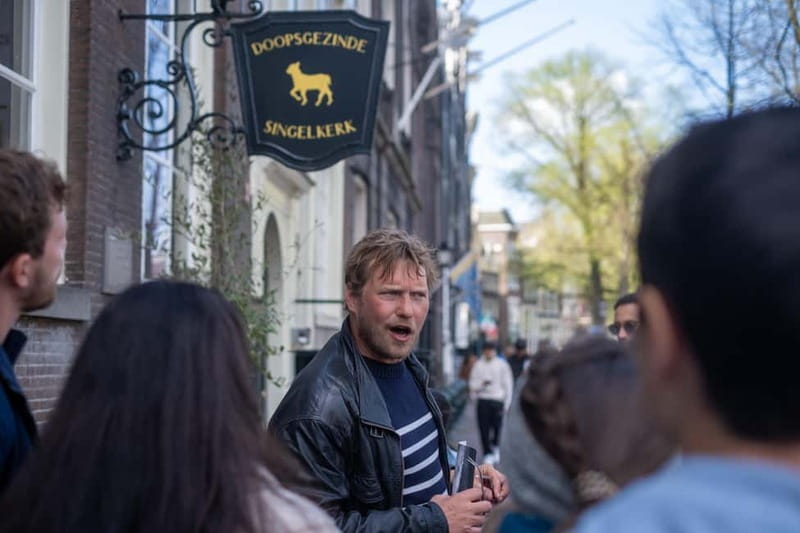
The Essentials walk is not only about what you see. It is also about what you do next, and your guide provides recommendations to help you plan smoothly.
You get tips on where to try real Dutch snacks and which districts are worth your time. A popular example from the experience is stroopwafel, which many guides introduce during the walk. It is a small taste, but it signals the larger approach: you are meant to experience the city, not just view it.
You also hear about where biking makes the most sense. Amsterdam is built for bikes, and without a local guide’s advice, it is easy to waste time in areas that feel confusing or unsafe. Your guide helps you orient your future routes so you can take advantage of what the city does best.
Finally, you learn how to read architecture as constant change. This is one of those ideas that sounds abstract until you use it right away. After the canal belt talk and the courtyard stop, you start recognizing what older structures are doing in the streets today. That turns every walk from exercise into interpretation.
If you are trying to get the most out of a short visit, this part is the hidden value. You can pay for the tour and still end the day without knowing where to eat, where to go next, or what to notice. This one pushes you past that.
How the small group format improves the experience
This is a small group tour, limited to 10 participants. That size matters more than people think. In a large group, questions get cut off and you miss the micro-stories that make the city feel human. In a group this size, the guide can actually respond and adjust the pace.
You also tend to get a friend-like energy. Guides named in the experience, including Misaël, Jussi, Wendy, and Stan, are praised for being personable and for making the walk feel like you are exploring with someone who cares. That is not just entertainment. It affects learning, because you are more likely to ask what you are confused about, and you are more likely to remember what you asked.
Another plus is that the walk length and route are designed for a clean start and finish. It is 2 hours total, which makes it easy to fit into almost any itinerary. You can still plan a longer afternoon afterward, whether you want museums, canal cruising, or just wandering with purpose.
Who should book, and who might want a different kind of Amsterdam tour
This walk is a great fit for first-timers who want orientation without getting stuck in the museum mode. It is also strong for repeat visitors who want a fresh way to interpret familiar streets. If you love canals, architecture, and the story behind the city’s identity, you will feel well served.
It also suits families and travelers who want a mix of humor and context. Several guides are known for keeping the energy friendly even when the weather turns.
Who might not love it: if you want a deep, inside-the-building experience or a long food tour with multiple stops, 2 hours may feel tight. This is a “see, learn, and move” format.
For best results, book this early in your trip. It helps you understand why Amsterdam looks the way it does, and it gives you a base for deciding where to go when you are on your own.
Should you book Amsterdam Essentials: From Swamps to Riches?
Yes, if you want a smart, story-driven introduction that covers the city’s big identity shifts in just 2 hours. At $29 per person, the value comes from the mix: canal belt time, a quiet courtyard like Begijnhof, and a thoughtful ending at Dam Square’s National Monument, plus practical recommendations you can use the same day.
Book it if you like walking tours that explain what you are looking at, and if you want local guidance that feels human. Skip it only if you know you will resent a set route and limited time at each stop.
If you do book, come with good shoes, an open mind for contrasts, and the willingness to look twice at what you normally rush past in Amsterdam. That is where the tour earns its keep.
FAQ
How much does Amsterdam Essentials cost?
The price is $29 per person.
How long is the tour?
It lasts 2 hours.
Where do I meet the guide?
Meet at the statue called Het Lieverdje at Spui square.
How big is the group?
The group is limited to 10 participants.
What languages are available?
The tour guide offers English and German.
What stops are included?
You’ll visit key central sights along the way, including the Royal Palace area, the canal belt, Begijnhof, and you finish near the Amstel River before ending at the National Monument on Dam Square.
Can I cancel or pay later?
You can reserve now and pay later, and you can cancel up to 24 hours in advance for a full refund.
Newest on the canal ring
- Amsterdam Bike Food Tour with Private Guide★ 5.0 · 1 review
- Amsterdam: Rijksmuseum Private Tour with an Art Historian★ 5.0 · 1 review
- Happy B-day Amsterdam! Guided Tour with a History Buff★ 5.0 · 1 review
- Private day trip to Giethoorn and the Enclosing Dike★ 5.0 · 1 review
- Local Foodie Adventure in Amsterdam★ 5.0 · 1 review
- Private Photo Shoot in Amsterdam with a Professional Photographer★ 5.0 · 1 review
- Private Sightseeing Tour to Giethoorn from Amsterdam incl. canal cruise★ 5.0 · 1 review