
Reviewed · CITY WALKING TOURS
Amsterdam: Guided Off-The-Beaten-Track Walking Tour
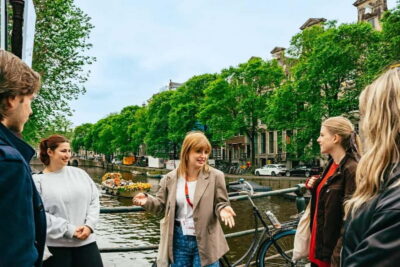
This walk shows Amsterdam in layers. You start at Beursplein and spend 2.5 hours with a live guide, tracing canals, the Jordaan, and newer spots like Westerdoks without getting stuck in only the usual photo stops. It is a smart way to learn the city layout by walking it.
I especially like how this tour explains what you are seeing. You get the nuts and bolts of the canal belt, how Amsterdam expanded into a trading powerhouse, and what Golden Age wealth and the Dutch monarchy did to the city’s shape, with plenty of attention to the architecture details on the major canals.
One thing to consider: the tour runs with a German-speaking guide, and you are out walking rain or shine. If your German is basic, you will still catch the visual highlights, but the deeper story may be harder to follow, so comfortable shoes really matter.
In This Review
- Key things to look forward to
- Why this 2.5-hour route makes Amsterdam click
- Meeting at Beursplein, then getting the Dam Square story in order
- Dam Square stops: Royal Palace, National Monument, and Nieuwe Kerk
- Torensluis and the canal belt lesson you will remember later
- Walking the Golden Age canals: architecture details, not just views
- Westerdoks and houseboats: the modern contrast you need
- Brouwersgracht, warehouses, then toward Prinsengracht and Jordaan
- Jordaan in practice: from Anne Frank House area to Westerkerk tower
- Noordermaarkt market time, plus food instincts from the guide
- How the guide style can change your day (and who you might get)
- What to bring, how to dress, and how to stay comfortable
- Price and value: is $46 worth 2.5 hours?
- Should you book this off-the-beaten-track Amsterdam walking tour?
- FAQ
- How long is the Amsterdam guided walking tour?
- What language is the live guide?
- Where does the tour start?
- How big is the group?
- Is the tour wheelchair accessible, and does it run in bad weather?
- Can I get a full refund if I cancel?
Key things to look forward to
- A tight small-group route that keeps the focus on local streets, not just landmark selfies
- Dam Square orientation with Royal Palace, National Monument, and Nieuwe Kerk as your starting context
- Canal belt storytelling at Torensluis, including how the system formed and developed
- Golden Age canal houses where the guide points out architectural details you would miss alone
- Jordaan time plus Noordermaarkt, giving you both neighborhood life and market energy
- Westerdoks and houseboats, for a fresh contrast to the historic canal core
Why this 2.5-hour route makes Amsterdam click
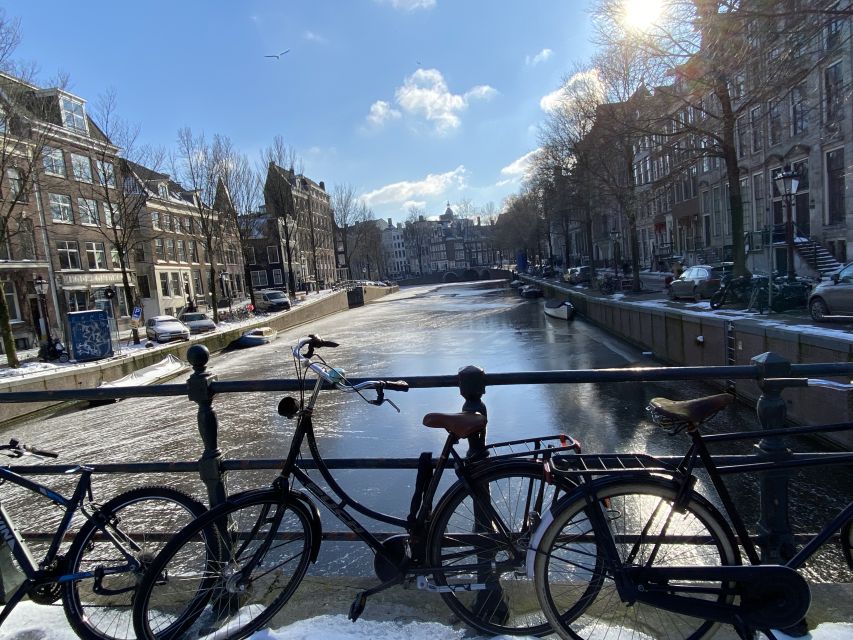
Amsterdam can feel like a maze until someone gives it structure. This tour does that fast. You walk from Beursplein through the historic center, then outward to places like the Western Islands and Westerdoks, which helps you understand where the city grew and why the canals matter.
What I like most is the balance between famous sights and quieter, more lived-in corners. You do not just skim the center. You move through the Jordaan and past spots like Brouwersgracht with converted warehouses, where the city feels practical, not staged.
This is also a great first or second-day activity. If you go early, you will get your bearings quickly. After that, you can explore on your own with much better instincts for where to walk next.
More of the canal ring crossed on foot:
- Amsterdam Anne Frank: Small-Group Walking Tour & Local Guide
★ 4.8 · 12,789 reviews - Anne Frank’s Story – Guided Walking Tour through Amsterdam
★ 5.0 · 11,619 reviews - Absolutely Amsterdam – the Essential Introductory Walking Tour
★ 5.0 · 3,629 reviews
Meeting at Beursplein, then getting the Dam Square story in order
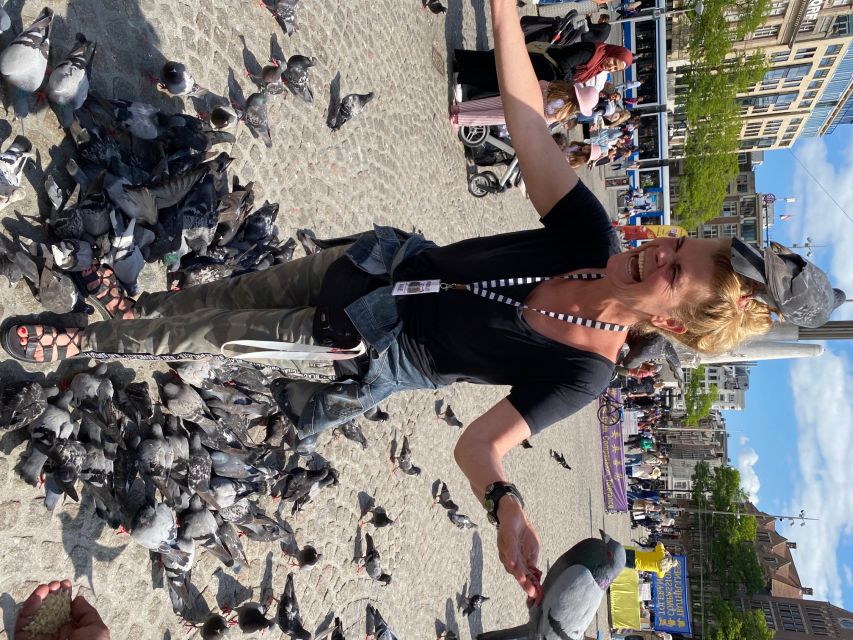
Your guide meets you around BEURSPLEIN / Damrak, about 350 meters from Amsterdam Centraal. You will spot them by the black-white striped band around the neck, which is a small detail but a lifesaver when you are hunting for your group in a busy area.
From the start, the route builds like a guided map. You head through the city center toward Dam square, and the guide frames what you are about to see right away. That approach matters because Dam Square is crowded and visually intense. With context, it stops being just three big buildings and becomes the heart of how the city organized itself.
If you are hoping for a quick hit of interior viewing, there is a chance. The plan includes checking the Royal Palace and Nieuwe Kerk if they are open to the public. Even if you cannot go inside, the exterior walk-through with explanation still pays off because the guide ties it back to the city’s monarchy and historic status.
Dam Square stops: Royal Palace, National Monument, and Nieuwe Kerk
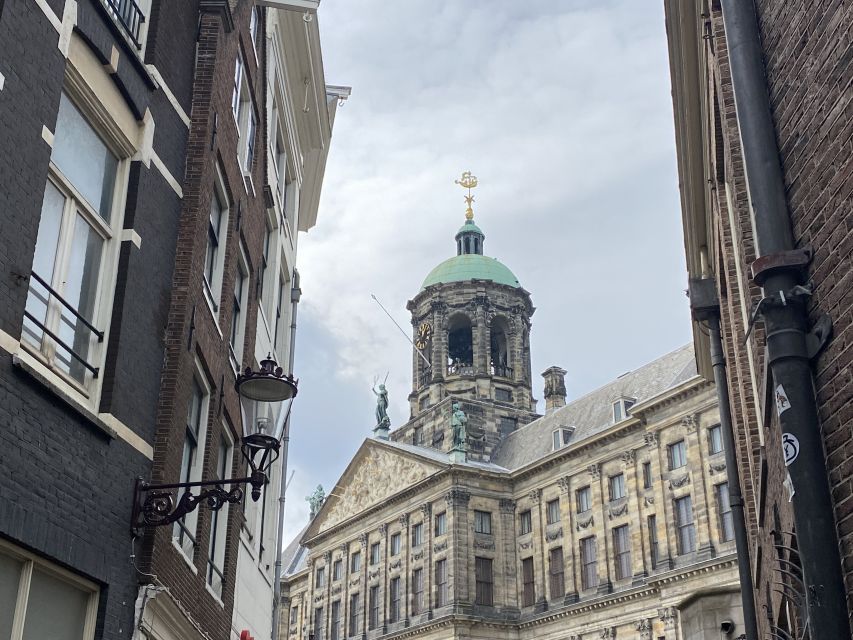
At Dam Square, you focus on three anchors: the Royal Palace, the National Monument, and the Nieuwe Kerk. The key benefit is not only seeing them. It is understanding why Amsterdam chose this kind of central focus for identity and power.
The Royal Palace stop is presented as a window into the Dutch monarchy and the way Amsterdam’s status shaped the city. The guide also highlights the Nieuwe Kerk’s beauty and its place in Amsterdam’s story, with the option to take a look inside when possible.
One practical note: Dam Square can be busy, especially during peak hours and market days. If your group has questions, expect some stopping and regrouping. That is normal for a guided walk, but if you hate waiting in crowds, you might prefer going earlier in the day.
Torensluis and the canal belt lesson you will remember later
After Dam Square, the tour takes you into the canal belt story through Torensluis. You pass the Magna Plaza building to reach it, which helps you transition from the crowded center into the waterways that define Amsterdam.
Torensluis is described as Amsterdam’s former maut bridge. That detail matters, because the guide uses the spot to explain the creation and development of the canal belt. In plain terms, you start seeing the canals as infrastructure, not just scenery.
This is where the tour earns its keep. If you have only wandered Amsterdam on your own, it is easy to treat the canals like postcard frames. With the Torensluis stop, you get a framework for how the system grew and why that growth tied into Amsterdam’s trading wealth.
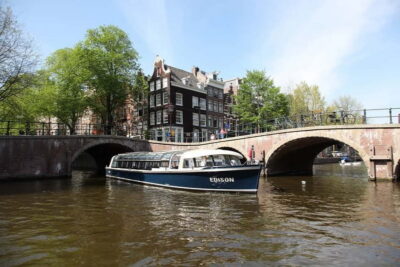
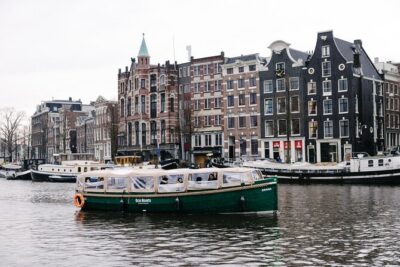
Some other canal-ring outings to set against this



Walking the Golden Age canals: architecture details, not just views
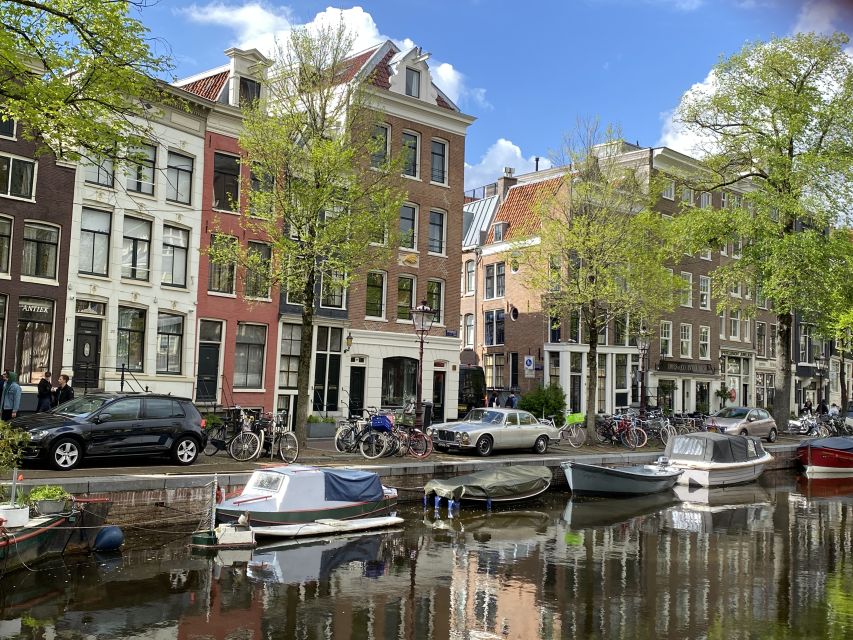
From there, you head along the major canals toward areas like Haarlemmer Buurt and the Western Islands. This is where the tour leans into Amsterdam’s look from the inside out. You are shown the canal houses from the seventeenth century associated with the Golden Age, and the guide points out architectural details that most first-time visitors miss.
The value of this stop is simple: Amsterdam is full of repeating facades. Without help, you may not know what you are actually looking at. With guidance, you can spot differences in details and understand why the city’s wealth and design choices show up on the waterline.
You also get a bit of flexibility in the route atmosphere. The tour description even mentions that you can swim if you want when you are at the Western Islands area. Not everyone will do it, and the tour does not position it as a required activity. But it signals that this part of the route feels more like everyday Amsterdam than a museum corridor.
Westerdoks and houseboats: the modern contrast you need
Later in the walk, you loop back and pass Westerdoks. The tour specifically calls out the area as newly designed, plus unique houseboats.
This section is useful because it stops the story from being only about the old city. Amsterdam did not freeze in the Golden Age. The canal belt remains central, but the city keeps evolving, and Westerdoks gives you that modern edge.
If you like “then and now” travel, this is a highlight. You get historic canal structure earlier, then you compare it with newer design along the water. It helps you see the city as a living place with layers, not a single era you are supposed to admire from a distance.
Brouwersgracht, warehouses, then toward Prinsengracht and Jordaan
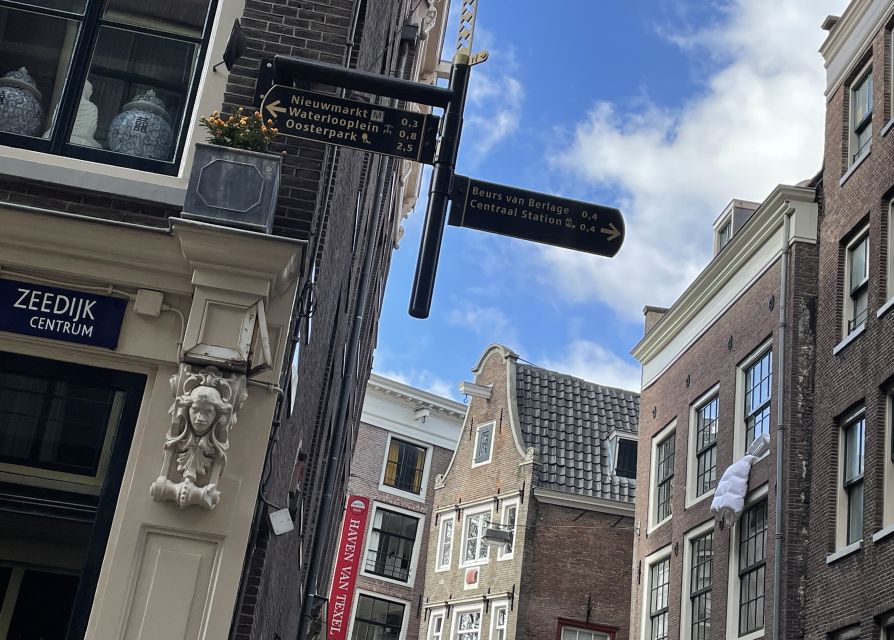
The route continues to Brouwersgracht, described here with converted warehouses. That detail is a big deal for how Amsterdam feels. It shows reuse, not just preservation.
Converted buildings around canals are where you start to notice practical choices. They are still old structures, but the city lets them work for modern life. Walking past them with a guide makes the architecture feel purposeful instead of purely decorative.
From Brouwersgracht, you move toward the outer canal and Prinsengracht, then into the Jordaan district. The guide frames this as reaching the outermost canal segment of the tour flow, and then entering a neighborhood often considered the most lively and charming part of Amsterdam.
Even if you are not a shopper, the Jordaan is a win because of scale and mood. The tour connects it with smaller canals and a fuller street-life feel. It is the kind of neighborhood where stopping for a chat or a snack feels normal.
Jordaan in practice: from Anne Frank House area to Westerkerk tower
In the Jordaan portion, you see the famous Anne Frank House area and also Westerkerk, including its tower and its eventful history. The tour description places these sights around the active life of the smaller canals in the Jordaan.
A quick reality check: you might get a view and story context rather than a deep time inside. The tour information does not say you will enter Anne Frank House or Westerkerk, so plan your expectations around seeing them as major landmarks in your walking sequence.
Why this still works: having these anchor stops inside the Jordaan context makes the neighborhood feel connected to the city’s wider story. Instead of treating Anne Frank House as a standalone destination, you experience it as part of a lived neighborhood fabric.
Noordermaarkt market time, plus food instincts from the guide
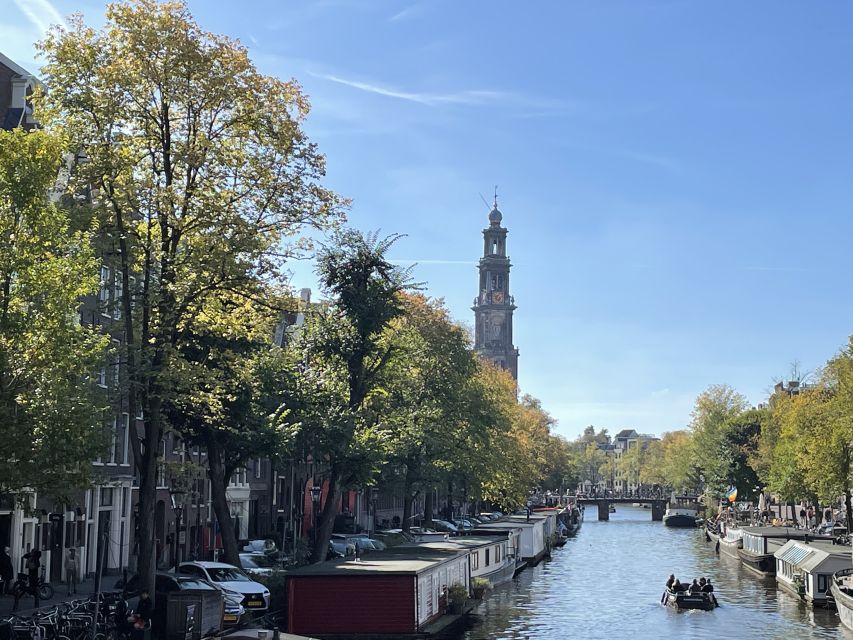
The tour includes a short stop at Noordermaarkt, and it becomes extra fun if it is a market day. You stroll along diverse market stalls and you might want to try local favorites like haring and Amsterdam-style ice cream.
This is also where the guide’s recommendations can help you eat well without turning the day into a hunt. The tour description notes tips for dinner restaurants in the area, plus talk about Amsterdam’s famous appeltaart and tasty drinks.
Even if you skip snacks during the walk, this market stop is valuable because it shows Amsterdam at street level. It feels less like the polished canal-tour track and more like local rhythms.
One caution: markets can be crowded, and you will likely slow down here. If you are sensitive to jostling crowds, wear patience and keep your water bottle close.
How the guide style can change your day (and who you might get)
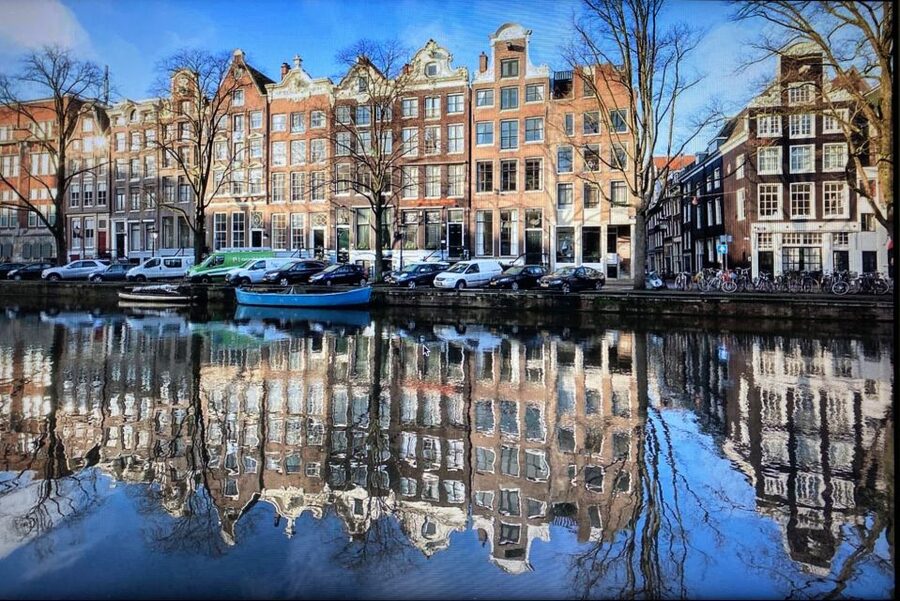
From the feedback style, the guides behind this walk are praised for being friendly and for explaining Amsterdam beyond the standard list. Past comments specifically mention guides by name, including Anna, Natascha, and Fred.
What that tells you as a reader is useful: this is not a script-only walk. It is a guide-led approach that aims to help you understand architecture and city planning choices.
If you like asking questions, you will probably enjoy this format. A small group of up to 4 (and also listed as up to 6 participants) usually gives you a better chance to get answers in real time without feeling like you are shouting over everyone.
What to bring, how to dress, and how to stay comfortable
This is a walking tour, so it makes sense that you should wear comfortable shoes. The tour also lists sunscreen and water, which is practical advice in a city where you can end up in full sun between canal corners.
It runs rain or shine, so plan for Dutch weather reality. Bring a light layer you can adapt quickly, and do not assume the forecast will be your final word.
There are also behavior rules: intoxication, alcohol, and drugs are not allowed. That keeps the vibe respectful, and it fits the intent of a history-and-architecture stroll.
Wheelchair access is listed as available. That said, it is still a city-walk format, so a wheelchair user may want to be aware that you will spend most of the time moving along streets and sidewalks, not riding in a vehicle.
Price and value: is $46 worth 2.5 hours?
At $46 per person for about 2.5 hours, this sits in the range where you are paying for a live guide and a curated route, not museum admissions. You are also getting a small-group format, which tends to improve the experience because the guide can pace around questions and keep the group together.
The value is strongest if you care about:
- Canal belt and city growth explanations tied to what you see
- Seventeenth-century canal house architecture details
- Neighborhood texture in places like the Jordaan and a market stop at Noordermaarkt
- A route that includes both historic core and newer Westerdoks areas
If you only want a quick tour of the top five landmarks from the outside, you might feel it is pricier than you need. But if you want the city to make sense while you walk, the guide-led structure is the point.
Should you book this off-the-beaten-track Amsterdam walking tour?
I think you should book it if you are the type of traveler who gets more out of understanding than just checking boxes. This tour is built for that. It connects major sights like Dam Square with the canal belt logic, then brings you into the Jordaan and market life, plus a modern counterpoint in Westerdoks.
You might skip it if you need an English-speaking guide, since the tour is listed as German. You might also choose another format if you hate walking for extended stretches or if you want guaranteed interior visits, since interiors like the Palace and Nieuwe Kerk depend on public access at the time.
If you are visiting Amsterdam for the first time and want a guided day that helps you explore smarter afterward, this is a very solid option. Just show up with good shoes, accept the rain-or-shine plan, and let the guide turn the city’s canals and neighborhoods into a story you can actually follow.
FAQ
How long is the Amsterdam guided walking tour?
It lasts 2.5 hours.
What language is the live guide?
The live tour guide speaks German.
Where does the tour start?
You meet at BEURSPLEIN / Damrak, about 350 meters from Amsterdam Centraal.
How big is the group?
The tour is a small group, listed as limited to 6 participants.
Is the tour wheelchair accessible, and does it run in bad weather?
Yes, it is listed as wheelchair accessible, and it takes place rain or shine.
Can I get a full refund if I cancel?
Yes, free cancellation is offered up to 24 hours in advance for a full refund.
Newest on the canal ring
- Amsterdam Bike Food Tour with Private Guide★ 5.0 · 1 review
- Amsterdam: Rijksmuseum Private Tour with an Art Historian★ 5.0 · 1 review
- Happy B-day Amsterdam! Guided Tour with a History Buff★ 5.0 · 1 review
- Local Foodie Adventure in Amsterdam★ 5.0 · 1 review
- Private Photo Shoot in Amsterdam with a Professional Photographer★ 5.0 · 1 review
- Private day trip to Giethoorn and the Enclosing Dike★ 5.0 · 1 review
- Private Sightseeing Tour to Giethoorn from Amsterdam incl. canal cruise★ 5.0 · 1 review
City Walking Tours, compared.

Amsterdam Anne Frank: Small-Group Walking Tour & Local Guide
Read our review →
Anne Frank’s Story – Guided Walking Tour through Amsterdam
Read our review →
Absolutely Amsterdam – the Essential Introductory Walking Tour
Read our review →
Anne Frank Guided Walking Tour in DE/EN/IT/ES
Read our review →

Anne Frank Walking Tour Amsterdam Including Jewish Cultural Quarter
Read our review →Browse the lists this tour appears in