
Reviewed · CHEESE TASTINGS
Amsterdam: Make your cheese next to De Hallen
Cheese making in Amsterdam beats theory every time. This 3 hour workshop at De Kaasserie, next to De Hallen, teaches you the core logic of cheesemaking through hands on work, not just slides. You’ll leave with two cheeses you made yourself, plus the starter supplies and recipes to keep going at home.
What I like most is the clear split between acid coagulation (fresh cheese) and rennet coagulation (the method used for aged cheese). I also love the mix and taste part, including your chance to experiment with spices and herbs and then end with a homemade tasting of the fresh cheeses you pressed and shaped.
One consideration: this isn’t a low lactose or kid friendly activity. It uses milk, and it is not suitable for people with lactose intolerance, and it is limited to ages 16 to 95.
In This Review
- Key takeaways before you go
- Where De Kaasserie fits into your Amsterdam plans
- The setup: how the class starts and why it matters
- Make cheese #1: acid coagulation and your fresh cheese
- Make cheese #2: rennet coagulation and the aged-cheese method
- Experimenting with herbs and spices (your cheese, your style)
- Timing and learning cues you should expect
- The tasting: what fresh and pressed teaches you
- Take home the tools: what you actually receive
- Price and value: is $135 worth 3 hours of work?
- Who this workshop suits best
- Instructor quality and group size: what you can count on
- A practical Amsterdam plan: how to pair it with the rest of your day
- Should you book Make your cheese next to De Hallen?
- FAQ
- What will I make during the workshop?
- How long is the experience?
- What is included in the price?
- Is coffee or alcohol included?
- What languages are available?
- Is this workshop suitable for kids or lactose intolerance?
Key takeaways before you go
- Two cheese methods, one class, with one liter of supermarket milk for each type of coagulation.
- You experiment with herbs and spices, so you can make it taste like you, not just like a recipe.
- A tasting that matches your work, finishing with a home tasting of your cheeses.
- Take home real starters, including cheese cloth, rennet, calcium, plus recipes by email.
- Small group, max 10, which keeps instructions practical and hands on.
- Paula and other English, Spanish, French, Dutch instructors, based on the session you book.
Where De Kaasserie fits into your Amsterdam plans
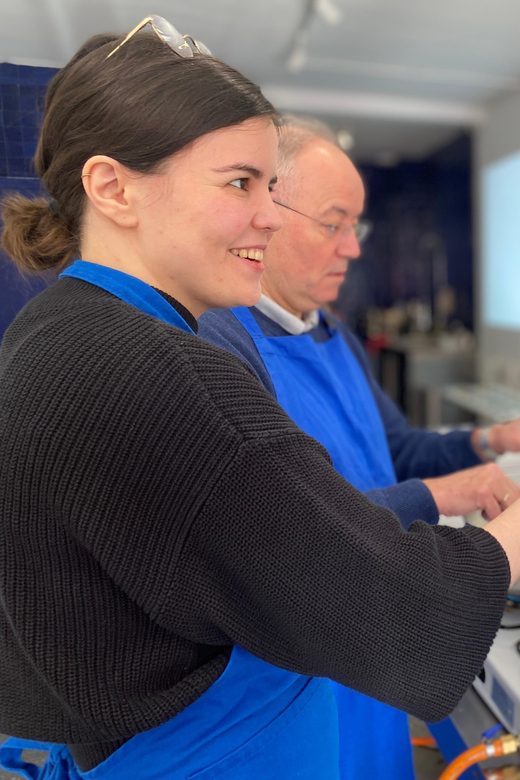
If you want Amsterdam that feels hands on and personal, this is a smart add on. You are working at De Kaasserie, located next to De Hallen, so it is easy to combine with a food focused day around the neighborhood.
The workshop runs for about 3 hours, long enough to feel like you did something real, short enough to keep the rest of the day flexible. With a small group capped at 10 participants, you get more attention than in big group tours, especially when you are learning timing and texture cues.
The vibe is practical. You start with a short intro, then you roll up your sleeves and make cheese using two basic coagulation methods. For many people, that is the turning point, from watching craft on Instagram to actually understanding how it works.
Other counters pouring and slicing Dutch cheese:
- Amsterdam Classic Saloon Boat Cruise with Drinks and Cheese
★ 5.0 · 31,825 reviews - Amsterdam: Classic Saloon Boat Cruise with Cheese & Wine
★ 4.6 · 27,035 reviews - Amsterdam: Guided Zaanse Schans, Windmills & Cheese Tour
★ 4.4 · 4,826 reviews
The setup: how the class starts and why it matters
You meet at De Kaasserie, where your group gathers and gets an introduction to the workshop. A quick presentation sets the stage, including De Kaasserie and what you will make, and it covers two basic types of milk coagulation.
This matters more than it sounds. Cheesemaking can feel mysterious until someone explains what changes the milk from liquid into curds. Once you understand acid coagulation versus rennet coagulation, the rest of the process makes sense, even if you have never done anything like this before.
You’ll also meet the group. In one session, participants reported that the guide started with a short slide presentation and had everyone introduce themselves, which helps you feel at ease right away.
Make cheese #1: acid coagulation and your fresh cheese
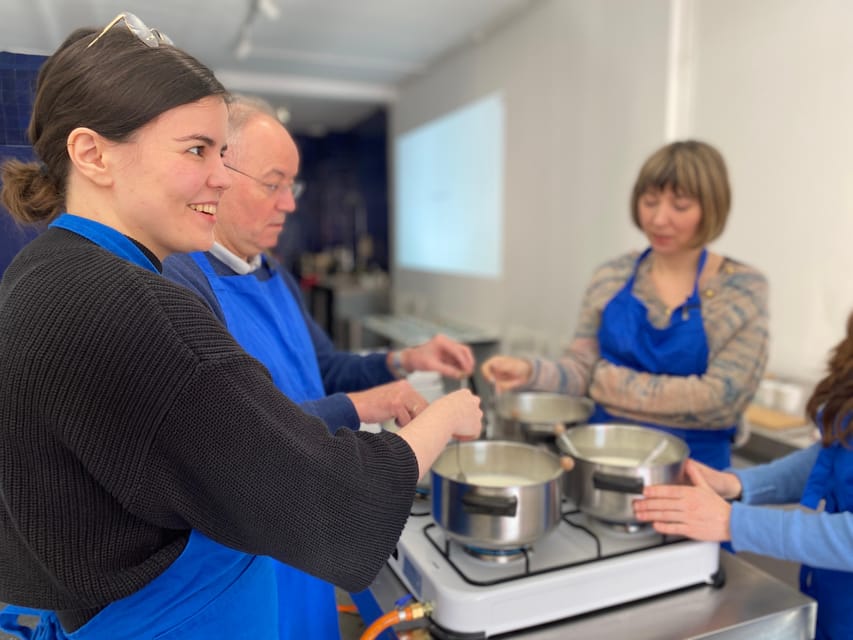
The core hands on work begins when you use one liter of supermarket milk to make an acid coagulated cheese. This is the fresher style of cheese conceptually, the kind that you can connect to later when you make quick at home batches.
You will watch and then manage the transformation of the milk into curds. You do not need any fancy equipment to understand what is happening, because the class is built around a simple recipe path and a clear result.
If you enjoy food science or you just like knowing why things work, you’ll appreciate this part. Acid coagulation is often the easiest way to learn the fundamental idea of curd formation, and you get immediate feedback because it turns into a real cheese you can taste later.
Make cheese #2: rennet coagulation and the aged-cheese method
Next comes the second liter: one more liter of supermarket milk for a rennet coagulated cheese. This one uses rennet coagulation, which is the process used to make aged cheese.
That may sound like a small detail, but it is actually the class’s big promise. You do not just make a cheese and call it done. You learn the method that later supports longer, more complex recipes at home.
You will also take part in the same overall flow, from milk to curds to cheese form. The results are fresh at this workshop, but the lesson points you toward aged cheeses if you want to level up after the session.
A different use for the same hours in Amsterdam:



Experimenting with herbs and spices (your cheese, your style)
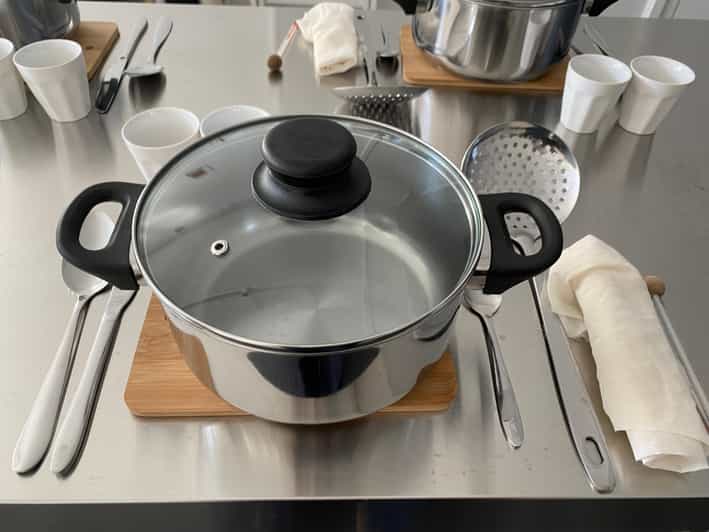
You get to add spices and herbs to your cheese. This is not just a fun extra, it is a chance to personalize flavor while you understand the base process.
It also helps you remember what changes flavor without changing the entire method. In real life, most of us want cheese that tastes like our kitchen and our tastes, so having a controlled moment to try flavors is a good learning tool.
If you are the type who always wonders what would happen if you added, say, dried herbs or a little spice, this part is for you. You leave with a personalized result, not only a generic cheese.
Timing and learning cues you should expect
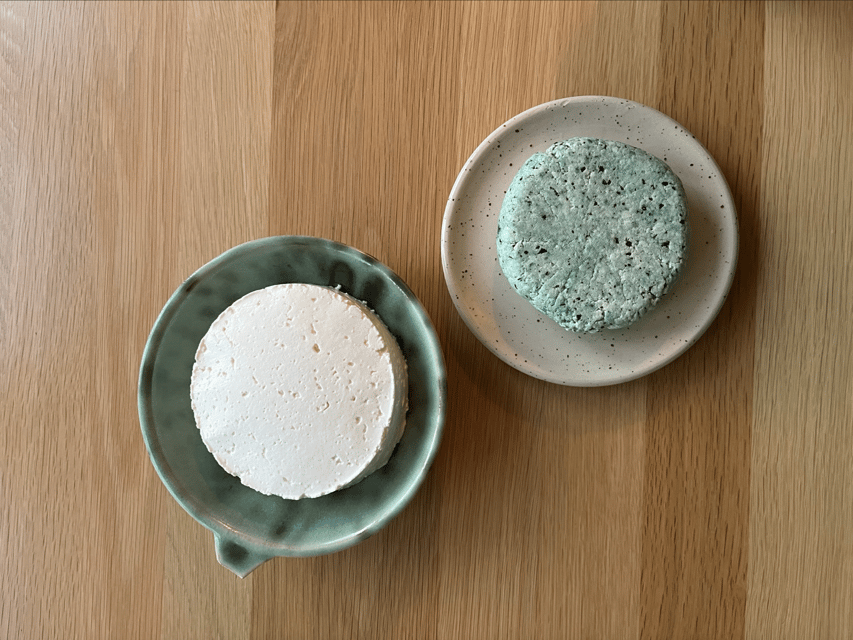
While the class is structured, cheesemaking is still about careful observation. You are managing the transformation stages so you can get curds that hold together and a cheese that reaches the right set.
Because the workshop is short and small group focused, you’ll likely get hands on guidance at the moments where things can go wrong, like when to stop heating, how to handle curds, and how to shape what you made.
Think of it as learning the rhythm. Once you catch the cues, you’ll understand why the same milk can produce different results based on timing and technique.
The tasting: what fresh and pressed teaches you
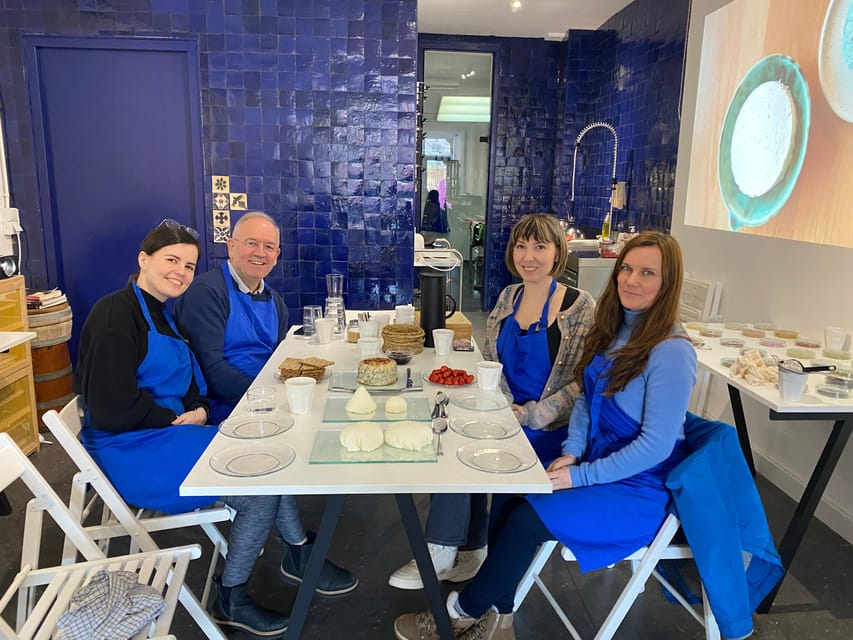
When both cheeses are ready, the session finishes with a homemade cheese tasting. You get to taste what you made, including fresh and pressed cheese styles from the workshop.
This tasting step is where the learning clicks. You can compare the two approaches directly, because you made both. It’s also a chance to notice the difference between a cheese that is more about freshness and texture versus one shaped through pressing.
You’ll also get a sense of what you like best. Some people want something milder and soft, others enjoy a firmer bite. This is the moment to take mental notes so your at home experiments do not feel like guessing.
Take home the tools: what you actually receive
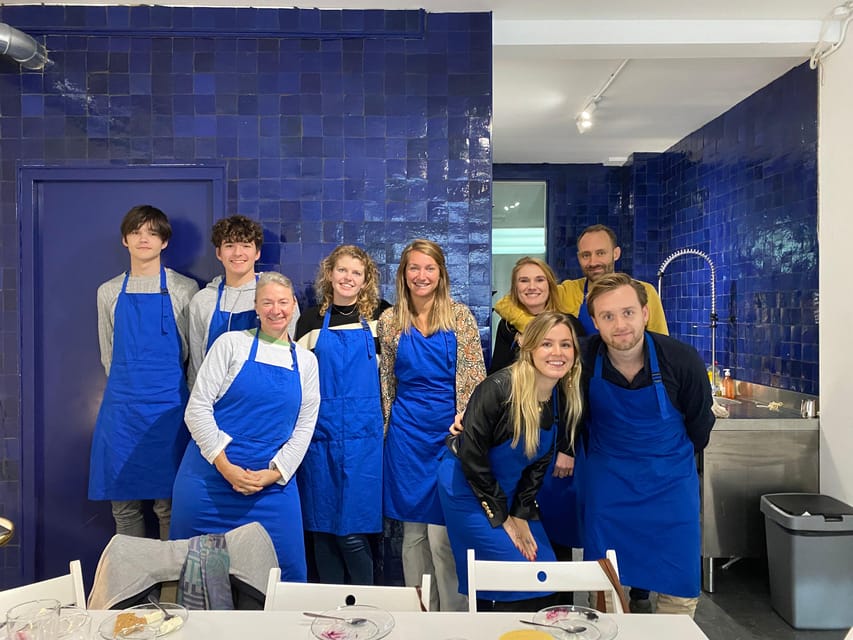
You do not leave empty handed. You take with you two cheeses, plus supplies designed for the next step.
Included take home items are:
- a cheese cloth
- rennet
- calcium
- recipes via email
This is a practical bundle. Cheese cloth and the starter ingredients help you repeat the process rather than treating the workshop as a one time curiosity. And the email recipes keep you from trying to recreate the class from memory.
If you like the idea of continuing, this is a major value driver. You can keep experimenting with flavors and texture once you understand the coagulation basics.
Price and value: is $135 worth 3 hours of work?
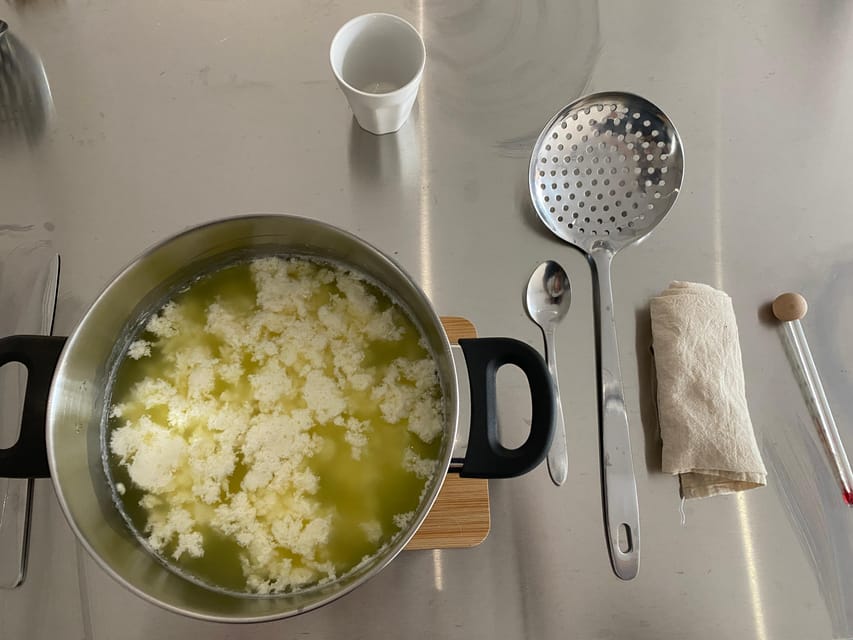
$135 per person is not “cheap,” but it is reasonable for what you actually get: materials, instruction, two cheese results, and take home supplies. You are paying for guided learning plus real ingredients that lead to edible outcomes.
The biggest value factor is that the session teaches a repeatable method. Many food experiences entertain you. This one gives you technique. If you are the kind of person who likes making food at home, this cost can pay off quickly the next time you produce your own cheese.
Also, the small group size matters. If you were in a larger class, you might not get as much attention at the key moments. With up to 10 participants, the workshop stays hands on, not just observational.
Who this workshop suits best
This is a good fit if you want a hands on Amsterdam activity that is not just eating or sightseeing. You’ll especially enjoy it if you:
- want to learn the difference between acid and rennet coagulation
- like cooking classes that focus on technique, not only final taste
- enjoy tasting and adjusting flavors with herbs and spices
- want supplies and recipes for continued home cheesemaking
It is not for everyone. It is not suitable for children under 16, and it is not suitable for people with lactose intolerance. There is also a maximum age note, not suitable for people over 95.
Instructor quality and group size: what you can count on
The workshop is led by an instructor in English, Spanish, French, or Dutch, depending on the option you book. In the sessions people described, the guide was warm and personable, and they used a short slide presentation before getting hands on.
That teaching style is what you want in a short class. You get a clear overview quickly, then you work through the steps with support.
Small group instruction also helps you feel comfortable asking questions. Cheese is tactile and timing matters, so having more one on one attention can change how well you learn.
A practical Amsterdam plan: how to pair it with the rest of your day
Because it is next to De Hallen, you can treat this as your “craft moment” in a day that includes markets, casual meals, and strolling. You’re in a neighborhood where you can keep things food focused without needing long transit.
If you like a simple day flow, I’d book this for late morning or early afternoon. Then you can walk around after, grab something to eat, and keep the rest of your day light. You just made cheese, so you’ll probably enjoy browsing and snacking without a heavy schedule.
Also, remember you get tea included, but no coffee or alcoholic beverages. If you rely on caffeine or a specific drink for your day, plan for it outside the workshop.
Should you book Make your cheese next to De Hallen?
Book it if you want a technique based experience in Amsterdam, one that teaches you two fundamental milk coagulation methods and lets you taste the results you made. The take home bundle, including rennet, calcium, and cheese cloth plus recipes by email, makes it more than a one time activity.
Skip it if you cannot handle dairy, because it is not suitable for lactose intolerance. Also skip it if you want something purely recreational with no learning component. This workshop is fun, but it is built around understanding what happens in the milk and why.
If your goal is to leave Amsterdam with a new skill and a practical at home plan, this is an easy yes.
FAQ
What will I make during the workshop?
You’ll make two cheeses using two types of milk coagulation. You use one liter of supermarket milk for an acid coagulated cheese, and another liter for a rennet coagulated cheese, resulting in two pieces of cheese.
How long is the experience?
The workshop lasts about 3 hours.
What is included in the price?
It includes tea with an introduction, making two kinds of cheese, a homemade cheese tasting (fresh and pressed), and take home items such as two cheeses, cheese cloth, rennet, calcium, and recipes by email.
Is coffee or alcohol included?
No. Coffee and alcoholic beverages are not included.
What languages are available?
The instructor can teach in English, Spanish, French, or Dutch.
Is this workshop suitable for kids or lactose intolerance?
No. It is not suitable for children under 16, it is not suitable for people with lactose intolerance, and it is also noted as not suitable for people over 95.
Newest on the canal ring
- Amsterdam Bike Food Tour with Private Guide★ 5.0 · 1 review
- Amsterdam: Rijksmuseum Private Tour with an Art Historian★ 5.0 · 1 review
- Happy B-day Amsterdam! Guided Tour with a History Buff★ 5.0 · 1 review
- Private Photo Shoot in Amsterdam with a Professional Photographer★ 5.0 · 1 review
- Private day trip to Giethoorn and the Enclosing Dike★ 5.0 · 1 review
- Local Foodie Adventure in Amsterdam★ 5.0 · 1 review
- Private Sightseeing Tour to Giethoorn from Amsterdam incl. canal cruise★ 5.0 · 1 review
Cheese Tastings, compared.
Amsterdam Classic Saloon Boat Cruise with Drinks and Cheese
Read our review →
Classic Saloon Boat Cruise with Cheese & Wine
Read our review →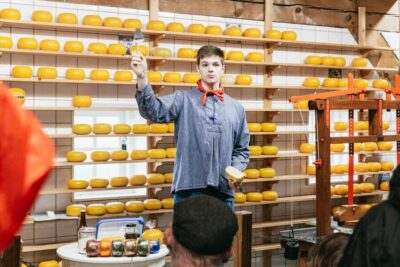
Guided Zaanse Schans, Windmills & Cheese Tour
Read our review →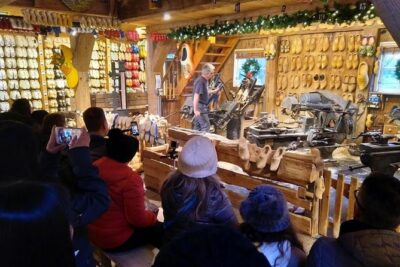
Zaanse Schans Windmills, Clogs and Dutch Cheese Small-Group Tour from Amsterdam
Read our review →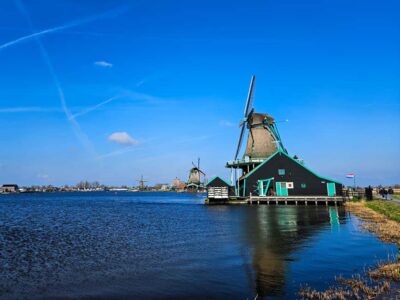
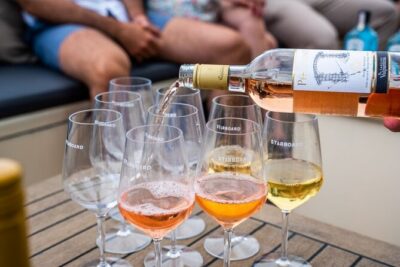
Evening Candle Light Cruise With Wine & Cheese
Read our review →
Countryside Bike Tour from Amsterdam: Cheese, Clogs & a Windmill
Read our review →
Giethoorn Tour Scenic Cruise, Cheese & Free Time
Read our review →Browse the lists this tour appears in