
Reviewed · MUSEUMS
Amsterdam: Museum of the Canals Ticket with Audio Guide
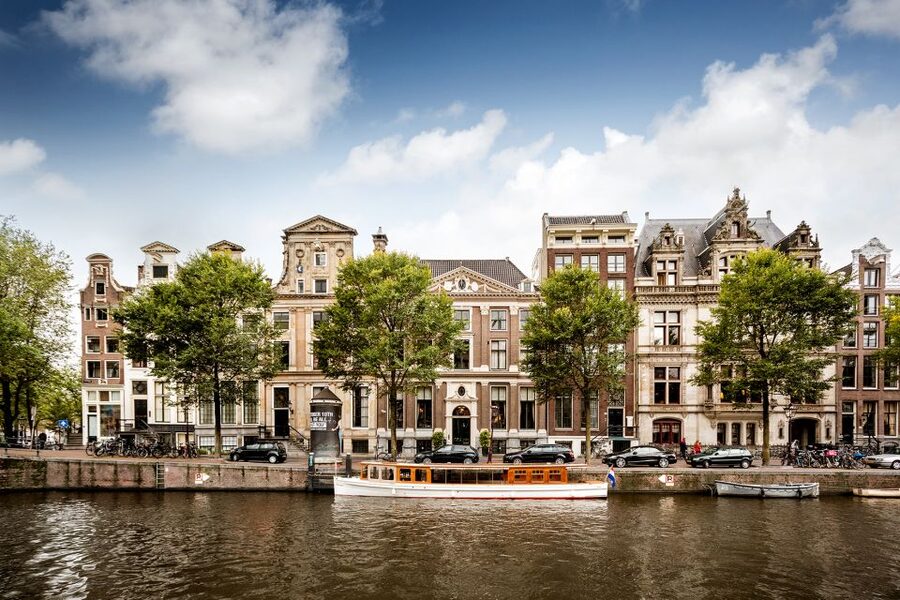
Canals are Amsterdam’s secret map. With the Museum of the Canals ticket, you get a multimedia look at how Amsterdam’s waterways shaped everyday life for centuries, from the 17th century onward. It all happens in a classic canal house setting on Herengracht, which makes the story feel physical, not just educational.
What I like most is the focus on how the canals work as an urban system, not just pretty views. You also get a built-in audiotour, available in many languages, which helps you move at your own pace and actually absorb the details.
The one thing to consider: the museum uses multimedia and audio, and some of the visual presentation may feel a bit dated if you are expecting ultra-modern effects.
In This Review
- Key points to know before you go
- Canals are more than scenery, and this museum explains why
- Walking in a classic canal house on Herengracht
- The multimedia canal story, from earlier Amsterdam to what comes next
- Using the audiotour well, so it actually clicks
- Permanent exhibition vs. temporary exhibitions: how to decide what to add
- Price and value: paying about $22 for a focused canal education
- Timing it with your day, and who will enjoy it most
- Practical tips to make the most of the museum ticket
- Should you book the Amsterdam Museum of the Canals ticket?
- FAQ
- What is the Museum of the Canals ticket?
- Where is the museum located?
- How long is the experience?
- Is an audio guide included?
- What languages are available for the audio guide?
- Is the museum wheelchair accessible?
- What is included in the ticket price?
- Is food included?
- FAQ
- What is the cancellation policy?
- Do I have to pay right away?
Key points to know before you go
- A 17th-century canal house setting: You explore rooms inside a classic Amsterdam canal home on Herengracht.
- Canals, framed as history and future: The museum connects the past role of canals with what they mean for the city ahead.
- Multimedia exhibition centered on the waterways: You follow the evolution of Amsterdam through its canals over centuries.
- Audio guide in many languages: Dutch and English are available, plus several others, so you can match your comfort level.
- Permanent plus temporary exhibitions: You can stick with the core canal story or add extra on what’s on display.
- Wheelchair accessible: The experience is designed to be reachable for visitors who need it.
Canals are more than scenery, and this museum explains why
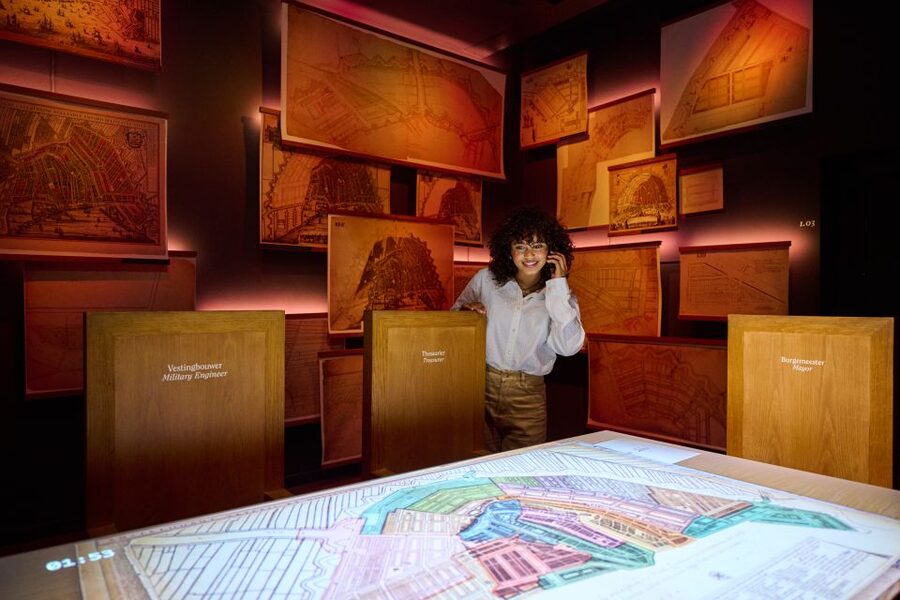
Amsterdam’s canals can look like a postcard on autopilot. But the Museum of the Canals pushes you to understand the logic behind them. You are not just looking at water channels, you are learning how waterways powered movement, trade, and the way neighborhoods functioned.
The big value here is the museum’s canal-first approach. It treats canals as the heart of the city, then shows why that mattered for people living 400 years ago and why it still matters now. If you are the type who likes seeing how a city is built, not just photographed, this ticket fits well.
Also, the experience is designed for self-guided learning. The audio guide helps you turn a wandering museum visit into a coherent walk through canal history and city development. That alone makes the ticket feel practical, not like you’re paying for a random exhibit.
More Amsterdam collections worth the queue:
- Amsterdam: Red Light Secrets Museum Entry Ticket
★ 4.2 · 5,722 reviews - Amsterdam’s Weirdest Museum: Ripley’s Believe It or Not!
★ 4.5 · 4,920 reviews - Amsterdam: Van Gogh Museum Ticket and City Canal Cruise
★ 4.6 · 3,899 reviews
Walking in a classic canal house on Herengracht
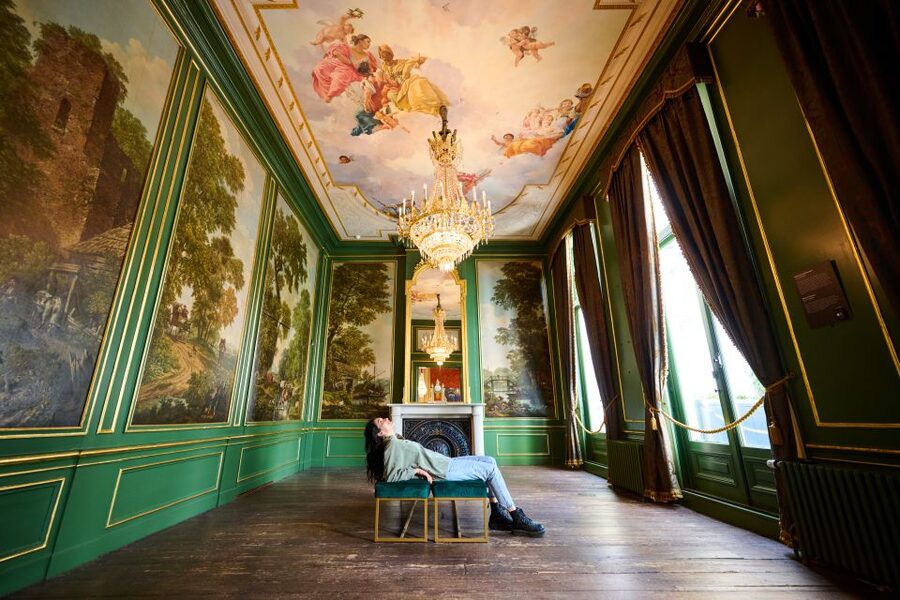
You start in a 17th-century canal house, located in the city center on Herengracht. That address matters because Herengracht is part of the canal-ring identity of Amsterdam, and the setting helps you picture what the museum is teaching. Seeing period rooms in this kind of building is a shortcut to understanding the canal story.
The museum’s layout uses the architecture to reinforce the theme. You are inside a real historic space, with classical period rooms that make the time period feel closer. Even if you skim, you will still get the sense that the canals were tied to homes, status, commerce, and daily routine.
One practical upside: because it is a museum building rather than an outdoor walking route, you are not stuck battling crowds across multiple blocks. You can take your time indoors, then step back out into the city with a sharper sense of what you are looking at.
The multimedia canal story, from earlier Amsterdam to what comes next
The core of your visit is the multimedia exhibition that traces Amsterdam’s evolution through its canals. The museum frames this as a long arc, taking you back about 400 years. Then it helps you connect those early canal decisions to the city’s ongoing future.
Here’s what that means for you as a visitor. You will likely spend time thinking about canals as infrastructure, not decoration. Waterways shaped where goods moved, how people traveled, where buildings made sense, and how the city managed its living space.
If you like narratives, this museum gives you one. You are not expected to read huge wall texts to understand the big picture. The multimedia portion is built to guide your attention, then the audio tour can fill in the details in your preferred language.
A quick heads-up: because the museum relies on multimedia, some elements may feel older in style. If you are extremely sensitive to modern production quality, set your expectation accordingly. The information and canal focus are the main point.
Using the audiotour well, so it actually clicks
The ticket includes an audiotour, and it supports a wide list of languages. You can choose Dutch, English, German, French, Spanish, Italian, Russian, Japanese, and Chinese. That flexibility is genuinely useful in Amsterdam, where language comfort levels vary a lot.
The audio format also lets you control pace. You can pause when something catches your eye, then move on when you want momentum. That matters here because canal history has themes that build on each other. If you rush, you may miss why the museum keeps returning to the same big idea: canals shaped Amsterdam’s function.
Practical tip for your visit: listen in short bursts. When you reach a new room or section, take a moment to match the audio to what you’re seeing. That makes the story feel anchored to objects and spaces instead of turning into background noise.
Some other canal-ring outings to set against this


Permanent exhibition vs. temporary exhibitions: how to decide what to add
Your ticket covers the permanent exhibition and also temporary exhibitions. That means you have two ways to shape the visit depending on your time and energy.
If you want the most direct canal-focused experience, start with the permanent exhibition first. It is the museum’s main canal narrative and the foundation for understanding the building and its period rooms. Once you understand the big picture, temporary exhibits become easier to interpret.
If you are curious about present-day angles or changing themes, add the temporary exhibition(s). Temporary content can be a good way to round out the museum visit, especially since the museum explicitly connects canals to the future. You may find these add-ons help you notice how the canal story continues to evolve beyond the original historical frame.
The main drawback to temporary exhibits is simple: they can make the visit feel longer than you planned. If you are tight on time, treat temporary areas as optional. Prioritize the permanent canal story, because that is what carries the experience.
Price and value: paying about $22 for a focused canal education
At about $22 per person, this ticket sits in the value zone for a museum experience in central Amsterdam. What makes the price feel fair is what you get for it: admission to both permanent and temporary exhibitions plus an audiotour.
If you compare costs to other museum options, the audio component matters. It turns an exhibit you might otherwise skim into a guided learning experience you can actually follow. And the historic setting is not generic. You are visiting a 17th-century canal house on Herengracht, which helps justify the fee through setting alone.
Is it worth it if you only have a small window? Often, yes, because it is a single location with a coherent theme. You do not need to plan a multi-stop route to get your money’s worth. You can focus on one place, one story, then get your bearings for the rest of the city afterward.
But if you only care about quick photo stops, museums can feel like a slower use of time. This one asks a bit of attention because it explains why canals matter. If that sounds like your kind of Amsterdam, the cost-to-value ratio usually looks good.
Timing it with your day, and who will enjoy it most
Because it is valid for one day and you check availability for starting times, plan your visit window based on when you want to be indoors. This is the kind of activity that works well early in your day, especially if you plan to spend time outdoors later seeing canals and canal houses.
Who I think it suits best:
- You want context, not just visuals.
- You like city planning stories, infrastructure, and how geography shapes daily life.
- You prefer a guided feeling without needing a live group tour.
- Your group includes different language comfort levels, since the audiotour is available in many languages.
Who might pause before booking:
- You mainly want entertainment or high-action multimedia.
- You are sensitive to older-style animations or production.
- You want to spend almost no time reading or listening and just wander.
The good news is that the museum is in the center of Amsterdam, on Herengracht, so you can easily combine it with a canal stroll afterward. Once you understand the canal logic, you will likely spot more than you would have before.
Practical tips to make the most of the museum ticket
A few small choices can sharpen your experience.
First, decide your audio strategy. If you want maximum learning, follow the audio in order. If you just want the highlights, listen selectively when you are standing in front of the most relevant rooms or displays.
Second, give the building time. The canal house setting is part of the show. Even when you skip a section, try to notice how the period rooms change the feeling of the story from abstract to tangible.
Third, be picky about temporary exhibits. If you start with the permanent canal narrative and still feel energized, add temporary content. If your attention is waning, you can stop without ruining the main experience.
Finally, plan around your energy level. A museum like this rewards focus. If you are exhausted from travel or long walks, take breaks. The key is to keep the canal story connected in your mind as you move through rooms.
Should you book the Amsterdam Museum of the Canals ticket?
If you want an Amsterdam museum that explains the city’s most defining feature, I think this is a smart booking. For around $22, you get admission to the permanent and temporary exhibitions plus an audiotour in many languages, inside a 17th-century canal house on Herengracht. That combination makes the experience feel focused and practical, not random.
I would skip or rethink if you mostly want quick photos, or if modern multimedia graphics are a must for you. The museum’s strength is its canal story, and the presentation is best judged as a learning experience rather than a high-tech show.
FAQ
What is the Museum of the Canals ticket?
It is an entrance ticket to the Museum of the Canals, including access to the permanent exhibition and temporary exhibitions, plus an audiotour.
Where is the museum located?
The museum is located in Amsterdam, in a city-center canal house on Herengracht.
How long is the experience?
The ticket is valid for 1 day. Starting times depend on availability.
Is an audio guide included?
Yes. The ticket includes an audiotour.
What languages are available for the audio guide?
The audiotour is available in Dutch, English, German, French, Spanish, Italian, Russian, Japanese, and Chinese.
Is the museum wheelchair accessible?
Yes, the experience is wheelchair accessible.
What is included in the ticket price?
Included are entrance to the Museum of the Canals, including the permanent and temporary exhibitions, and the audiotour.
Is food included?
No. Food and drinks are not included.
FAQ
What is the cancellation policy?
Free cancellation is available up to 24 hours in advance for a full refund.
Do I have to pay right away?
No. The option is reserve now & pay later, so you can book your spot and pay nothing today.
More Self-Guided Tours in Amsterdam
- Amsterdam 1h Canal Cruise by Semi-Open Boat with Audio Guide
★ 3.5 · 197 reviews - Van Gogh Museum Amsterdam Entry with Optional Audio Guide
★ 4.0 · 111 reviews - Combo Ticket: Rijksmuseum Amsterdam & 1h Cruise with Audio Guide
★ 3.0 · 83 reviews - Van Gogh Museum with Audio Guide
★ 3.5 · 80 reviews
Newest on the canal ring
- Amsterdam Bike Food Tour with Private Guide★ 5.0 · 1 review
- Amsterdam: Rijksmuseum Private Tour with an Art Historian★ 5.0 · 1 review
- Happy B-day Amsterdam! Guided Tour with a History Buff★ 5.0 · 1 review
- Local Foodie Adventure in Amsterdam★ 5.0 · 1 review
- Private Photo Shoot in Amsterdam with a Professional Photographer★ 5.0 · 1 review
- Private day trip to Giethoorn and the Enclosing Dike★ 5.0 · 1 review
- Private Sightseeing Tour to Giethoorn from Amsterdam incl. canal cruise★ 5.0 · 1 review
Museums, compared.


Amsterdam’s Weirdest Museum: Ripley’s Believe It or Not!
Read our review →


Van Gogh Museum Amsterdam Exclusive Tour w/ Reserved Entry
Read our review →
Moco Museum Amsterdam Admission Ticket with Banksy and more
Read our review →
Van Gogh Museum Tour Reserved Entry Semi Private
Read our review →Browse the lists this tour appears in