
Reviewed · MUSEUMS
Amsterdam: Our Lord in the Attic Museum Entry Ticket
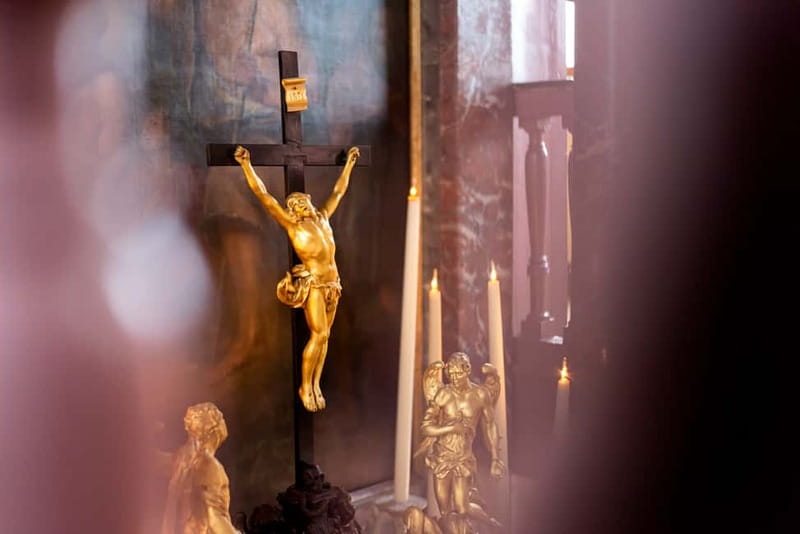
A church inside a canal house is wild. This small museum, Our Lord in the Attic, turns a narrow 17th-century home into a story of faith, rules, and survival, all leading up to the big reveal in the attic church. What I like right away is how intact the canal-house rooms feel as you climb, not just as a backdrop, but as part of the historical point.
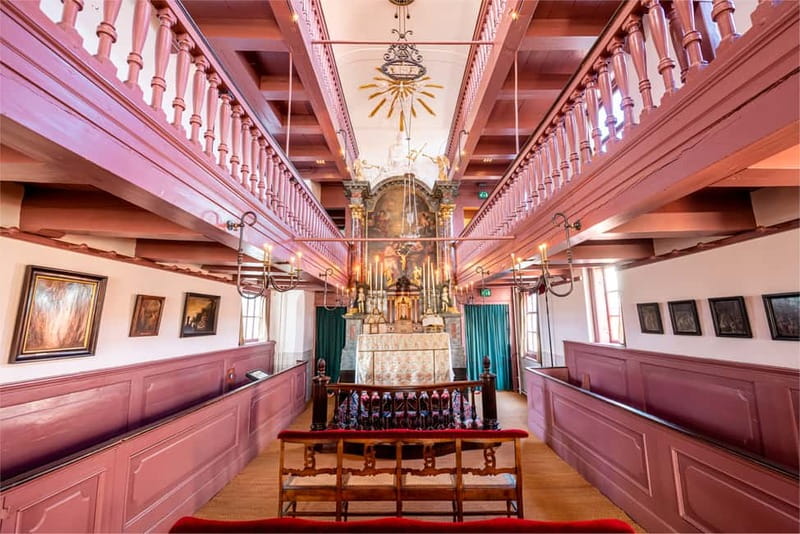
My second favorite part is the attic church itself, a real, complete house of worship tucked into a space you would never guess exists from the street. The one thing to consider is time and pacing: the museum has specific opening hours, and timed entry can make it feel tight if you arrive late or if you’re the type who wants to read every panel slowly.
In This Review
- Key things you will notice fast
- Our Lord in the Attic, a canal house church story you can walk through
- Finding the museum on Oudezijds Voorburgwal without losing your mind
- The route inside, from living quarters to narrow stairs to the attic reveal
- The attic church, why the location is the whole point
- What the museum teaches about Dutch tolerance, shown through choices and constraints
- Audio guide tips: how to get more out of every room
- Time needed, and why arriving early changes everything
- Tickets around $21, and how to judge value in Amsterdam
- Who should book Ons’ Lieve Heer op Solder
- My decision guide, should you book this museum?
- FAQ
- Where is the Our Lord in the Attic Museum?
- How long does the visit take?
- What’s included with the entry ticket?
- What languages are available on the audio guide?
- What are the museum opening hours?
- Are there any rules about luggage?
Key things you will notice fast
- A 17th-century canal house layout that makes the climb and corners feel authentic, not staged.
- A full church in the attic, hidden behind what looks like a normal set of house doors.
- Clandestine Catholic worship, tied to a period when mass was forbidden in public.
- Dutch religious tolerance in practice, shown through how people adapted.
- Audio guide built for self-guided visiting, with multiple language options and extra ways to follow along.
Our Lord in the Attic, a canal house church story you can walk through
If you like history you can move through, this museum works. Ons’ Lieve Heer op Solder is built inside a former canal house from 1663, and the museum’s whole trick is spatial. You don’t just read about the past, you go room to room on narrow corridors and stairs, and the building itself helps explain why the church had to be hidden.
I love that the museum doesn’t treat the attic church like a separate attraction you rush to. Instead, it sets you up along the way with historically decorated living areas, a kitchen setting, and bedroom-style spaces before you reach the final reveal. It makes the attic feel earned, not simply impressive.
And the church is genuinely the main event. The design of an operational church inside tight house architecture is the kind of detail that stays with you. One moment you’re thinking about ordinary daily life in a home, the next you’re looking at a complete church space tucked above it, which makes the whole story hit harder.
More Amsterdam collections worth the queue:
- Amsterdam: Red Light Secrets Museum Entry Ticket
★ 4.2 · 5,722 reviews - Amsterdam’s Weirdest Museum: Ripley’s Believe It or Not!
★ 4.5 · 4,920 reviews - Amsterdam: Van Gogh Museum Ticket and City Canal Cruise
★ 4.6 · 3,899 reviews
Finding the museum on Oudezijds Voorburgwal without losing your mind
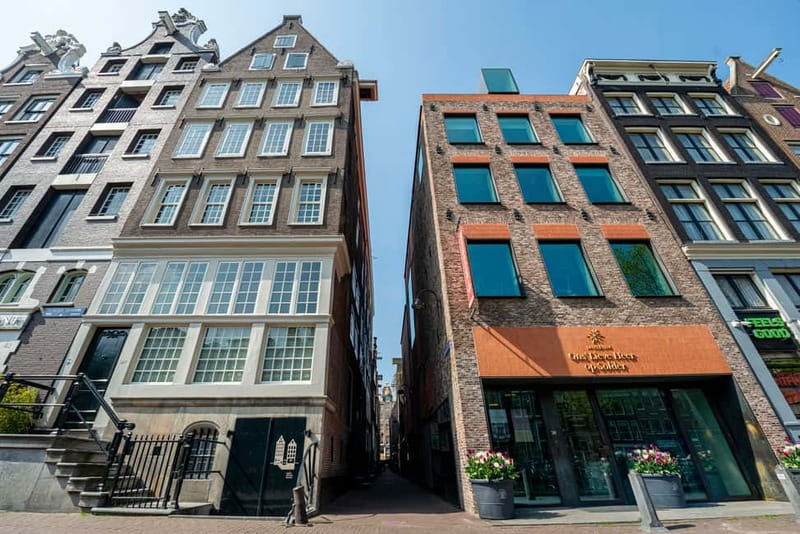
This is one of those places that’s easy to miss because it looks like part of Amsterdam’s regular canal-house fabric. The meeting point is Oudezijds Voorburgwal 38, in the city center. When you’re walking the canal, keep your eyes open for the museum façade, because the outside gives you almost no hint about what’s inside.
Plan to arrive a bit earlier than your ticket time. One visitor had an entry time close to closing and ended up feeling rushed, so it’s smart to buffer your schedule. The museum is open 10:00 to 17:00 Monday to Friday, 10:00 to 18:00 Saturday, and 13:00 to 17:00 on Sundays. It is closed on some public holidays, including Koningsdag (Kings Day).
Also note: the museum doesn’t allow oversize luggage. If you’re traveling with big bags, you’ll want to keep it simple and light for this stop.
The route inside, from living quarters to narrow stairs to the attic reveal
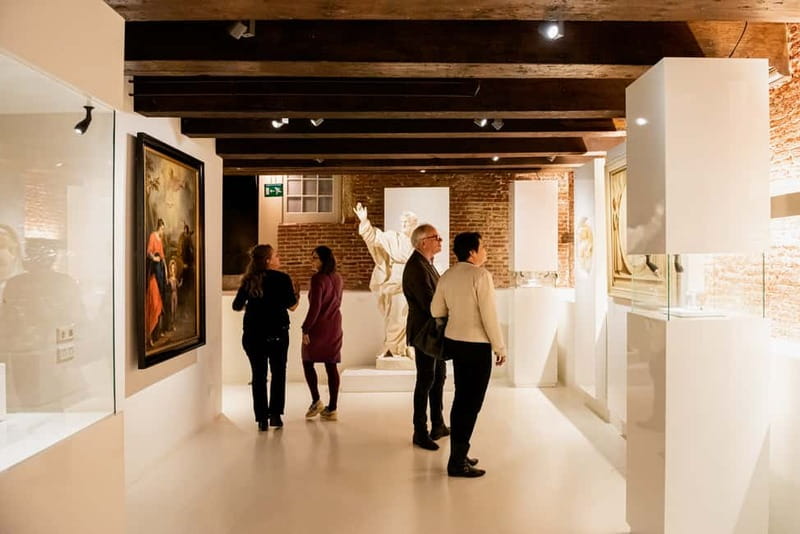
Once you’re inside, you’ll be led through the museum’s main vertical storyline. The building is a preserved canal house, and the museum uses that structure on purpose.
You start on the lower levels with spaces that resemble historic living areas. Expect narrow circulation, tight turns, and stairs that feel very “this is how houses were built back then.” The museum’s strength is that it doesn’t smooth out those constraints. That’s the point, because the whole story of the place is about what could and could not be shown publicly.
As you move upward, you’ll pass through rooms that make sense as parts of daily life: decorated living quarters, a kitchen area, and bedstead-style setup. Then the museum tightens the atmosphere as you get higher. The layout gets more compressed, and you start to feel how the family or caretakers could use private spaces for public-level religious life while keeping appearances ordinary.
The attic church, why the location is the whole point
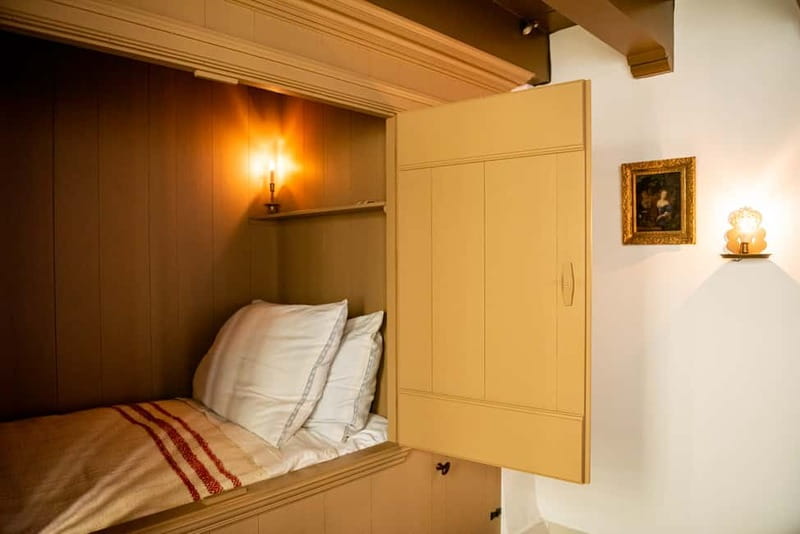
The highlight is the complete church hidden in the attic. From the street, it’s hard to imagine. Inside, it becomes the emotional payoff.
This church is tied to a specific historical moment: the canal house was built in 1663, when it was forbidden to celebrate mass in public. That’s why nothing outside screams church. The museum’s design makes you experience that contrast, because you can track the difference between outside normal house life and what was happening overhead.
One of the best parts is how the museum frames the transition. You don’t just arrive in the church and forget the climb. You feel the building change as you go, and then the church feels like a literal answer to the question you’re building in your head: how do people keep faith alive when public worship is blocked?
And yes, the church is beautiful. The design creates a real worship space, not a token room. Even if church architecture isn’t your usual thing, the setup is so unusual that it tends to pull you in. If you enjoy architecture, spatial design, or the “how could this work here?” factor, you’ll likely love this.
Some other canal-ring outings to set against this




What the museum teaches about Dutch tolerance, shown through choices and constraints
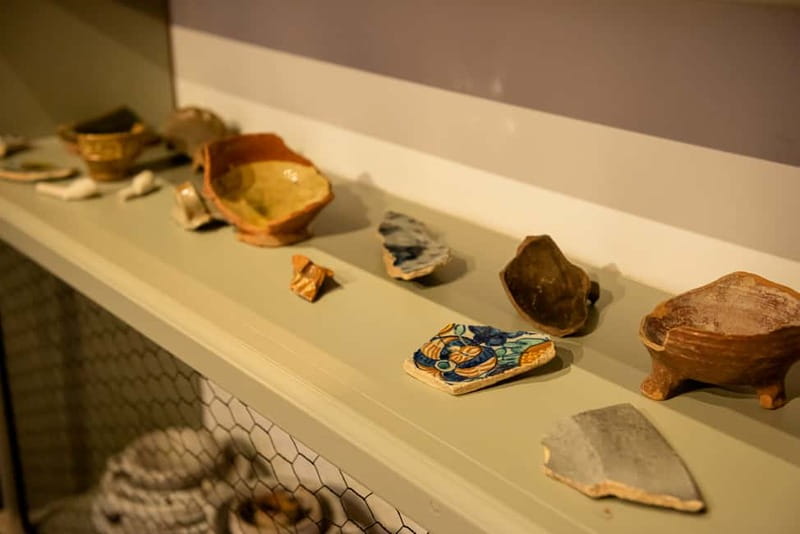
The museum doesn’t just focus on Catholic worship as an abstract topic. It ties the story to the wider idea of Dutch tolerance policy, and you can feel that theme in how the building was used and preserved.
Here’s the basic arc that the museum sets up. When the public Church of St Nicholas opened on Prins Hendrikkade, the older house church fell into disuse. After that, the building didn’t just vanish into private storage. A group of private collectors bought and preserved it to protect its Catholic heritage. That preservation choice matters, because it shows that later generations were not just interested in the building, but in the story of how faith adapted under rules.
So when you visit, try to watch for the museum’s implied argument: tolerance is not the same as equality in public life, and it can also mean people find ways around restrictions. You’ll see that logic in the physical setup, the hidden location, and the fact that the worship space had to be built into an ordinary-seeming home.
Audio guide tips: how to get more out of every room
The ticket includes an audio guide, and it’s available in many languages: Dutch, English, French, German, Italian, Russian, Spanish, Chinese, and Portuguese. This is one of the reasons the museum works well for a self-guided visit. You can go at your pace without losing the historical thread.
A practical tip I picked up from visitor experience: there are extra audio options that let you access more content, including ways to get additional information by pressing specific letters. If you’re the type who likes to control your own rhythm, this helps you choose what matters most to you, whether it’s daily life details, the church story, or the why behind the layout.
Plan on using the audio guide actively, especially on the way up. The audio makes the transition from house life to hidden worship feel clearer, which helps you connect what you’re seeing to what it represents.
Time needed, and why arriving early changes everything
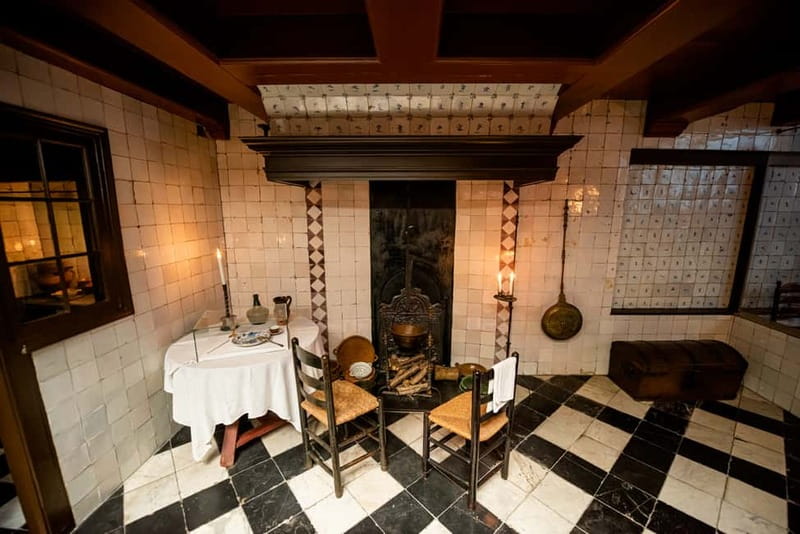
This is a one-site visit, but you shouldn’t treat it like a quick hallway stop. A visitor reported taking about 1.5 hours, and that seems like a realistic target if you use the audio guide and look carefully at the rooms.
If you arrive near closing, you may get less time than you want. One visitor had a later timed entry and ended up feeling rushed and unable to spend as much time in the church as they wanted. That’s the main timing risk here: you’re climbing and reading, and the museum has limited hours on each day.
My advice is simple: aim for earlier in the day, especially if you’re visiting on a Sunday when the hours are shorter. You’ll feel calmer, and you’ll get to linger in the attic church rather than treating it like a sprint.
Tickets around $21, and how to judge value in Amsterdam
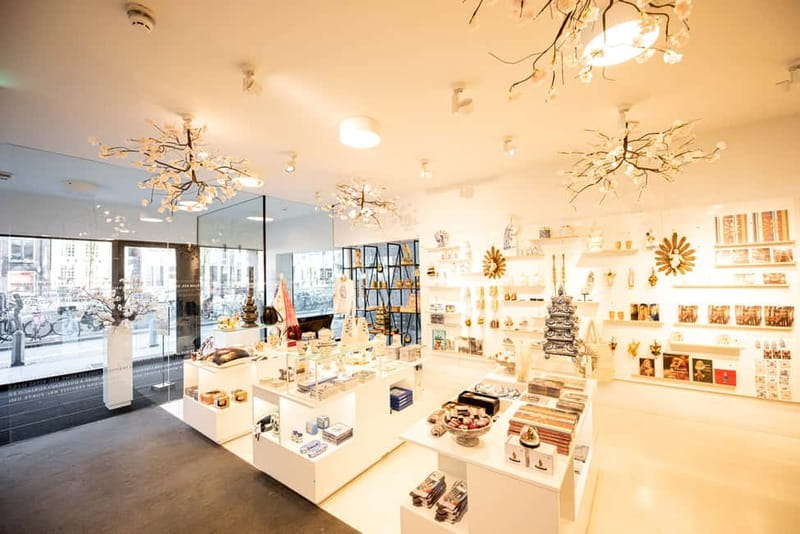
At about $21 per person, this museum isn’t the cheapest thing you can do in Amsterdam, but it’s also not trying to be. The value comes from the fact that you’re paying to enter a preserved canal house and experience a hidden church that you cannot realistically see anywhere else in the city in the same way.
What makes the cost feel reasonable is the combination:
- A full, walk-through canal house from the right era.
- A complete church in the attic that’s the payoff, not a small side room.
- An audio guide in multiple languages included with entry.
If you’re the kind of visitor who likes unique architecture and “how did they manage this?” stories, this is the sort of ticket that holds up. If you dislike stairs, tight spaces, or you only have time for the big-name, wide-open sights, you might find it less appealing.
Who should book Ons’ Lieve Heer op Solder
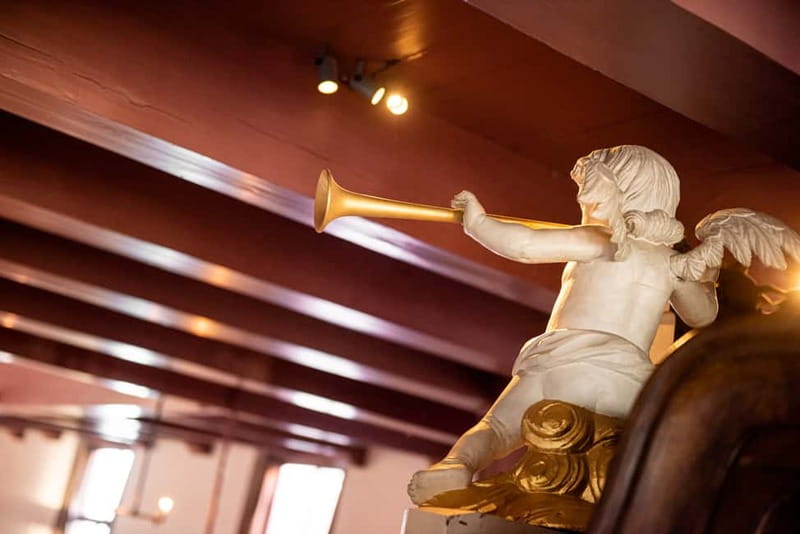
This museum is a good fit if you:
- Like unusual architecture and floor-by-floor storytelling.
- Want a change from Amsterdam’s usual outdoor canals and museums.
- Care about the human side of history, meaning what people did when they faced restrictions.
It’s also a strong stop for Catholic history interest, because the museum is specifically built around the idea of clandestine churches and how people worshiped under constraints. The attic church tends to land with visitors who enjoy faith history and symbolism, but it also works for non-specialists because the space itself is so distinctive.
If you’re traveling with people who need wide hallways, minimal stairs, or a highly accessible layout, you’ll want to consider that this is a narrow house museum. The provided information doesn’t spell out accessibility details, so I’d treat it as a stair-and-corridor experience and plan accordingly.
My decision guide, should you book this museum?
Book it if you want something truly Amsterdam and truly different: a 17th-century canal house where the most important room is literally hidden above you. The attic church is the moment you’ll remember, and the audio guide helps you connect that room to the house, the rules of the era, and the idea of tolerance expressed through real-life adaptation.
Skip it only if you’re short on time, strongly dislike stair-heavy layouts, or you’re looking for a large-scale museum day. This is not that. It’s a focused, intimate visit with a clear payoff.
If you’re even slightly curious, this one tends to deliver. It’s the rare stop where the building’s shape is part of the lesson, and the surprise is earned, not gimmicky.
FAQ
Where is the Our Lord in the Attic Museum?
The meeting point is Oudezijds Voorburgwal 38, Amsterdam.
How long does the visit take?
The experience is listed as 1 day, and visitors have reported taking about 1.5 hours to see the museum.
What’s included with the entry ticket?
Your ticket includes entrance to the Our Lord in the Attic Museum and an audio guide.
What languages are available on the audio guide?
The audio guide is available in Dutch, English, French, German, Italian, Russian, Spanish, Chinese, and Portuguese.
What are the museum opening hours?
It is open 10:00 to 17:00 Monday to Friday, 10:00 to 18:00 Saturday, and 13:00 to 17:00 on Sundays. It is closed on some public holidays, including Koningsdag.
Are there any rules about luggage?
Oversize luggage is not allowed.
Newest on the canal ring
- Amsterdam Bike Food Tour with Private Guide★ 5.0 · 1 review
- Amsterdam: Rijksmuseum Private Tour with an Art Historian★ 5.0 · 1 review
- Happy B-day Amsterdam! Guided Tour with a History Buff★ 5.0 · 1 review
- Local Foodie Adventure in Amsterdam★ 5.0 · 1 review
- Private Photo Shoot in Amsterdam with a Professional Photographer★ 5.0 · 1 review
- Private day trip to Giethoorn and the Enclosing Dike★ 5.0 · 1 review
- Private Sightseeing Tour to Giethoorn from Amsterdam incl. canal cruise★ 5.0 · 1 review
Museums, compared.


Amsterdam’s Weirdest Museum: Ripley’s Believe It or Not!
Read our review →



Van Gogh Museum Amsterdam Exclusive Tour w/ Reserved Entry
Read our review →
Moco Museum Amsterdam Admission Ticket with Banksy and more
Read our review →
Van Gogh Museum Tour Reserved Entry Semi Private
Read our review →Browse the lists this tour appears in