
Reviewed · CITY WALKING TOURS
Amsterdam: Queer City Walking Tour With Local Guide
Queer Amsterdam feels different when a local guide tells it.
This 2-hour small-group rainbow walk focuses on LGBTQI+ stories that link history, protest, and everyday life in the city’s oldest core. You start where Amsterdam’s biggest memorial sits, then move scene by scene through places that matter, with the guide sharing personal moments too, including what it was like to fall in love and to be gay and single in Amsterdam.
I especially like the tone: it’s moving without getting sentimental, and it’s specific without drowning you in dates. You get real place-based context, including why the Homomonument matters and how controversy shows up right in the story of the National Monument at Dam Square. One drawback to consider is that part of the route runs through the Red Light District area, so if you’re sensitive to sex-industry sights or tight sidewalk crowds, this may feel a bit intense.
In This Review
- Quick Takeaways
- Two hours of Amsterdam told through queer lives
- Meeting Sanne at Dam Square’s National Monument
- Homomonument plus the art of protest and memory
- Belle and Condomerie: learning that comes from necessity
- Walking the Red Light District with context, not just shock
- Zeedijk Street and the small stops that tell big stories
- Kokopelli and Dancing Houses, where you pause to see more
- Royal Palace unicorns and the tour’s playful side
- Ending at Café ‘t Mandje: keeping the story going
- Price and what $59 buys you in value
- What to bring, and how to dress for rain or shine
- Who should book this walking tour
- Should you book this tour or not?
- FAQ
- FAQ
- How long is the Amsterdam Queer City Walking Tour?
- Where does the tour meet?
- What languages is the guide available in?
- Is the tour wheelchair accessible?
- What should I bring for the tour?
- Does the tour run in bad weather?
Quick Takeaways
- Dam Square to Café ‘t Mandje, a tight 2-hour route through key landmarks
- Sanne’s personal storytelling, including love and single life in Amsterdam
- Homomonument, Condomerie, and Kokopelli, with guided stops and meaning
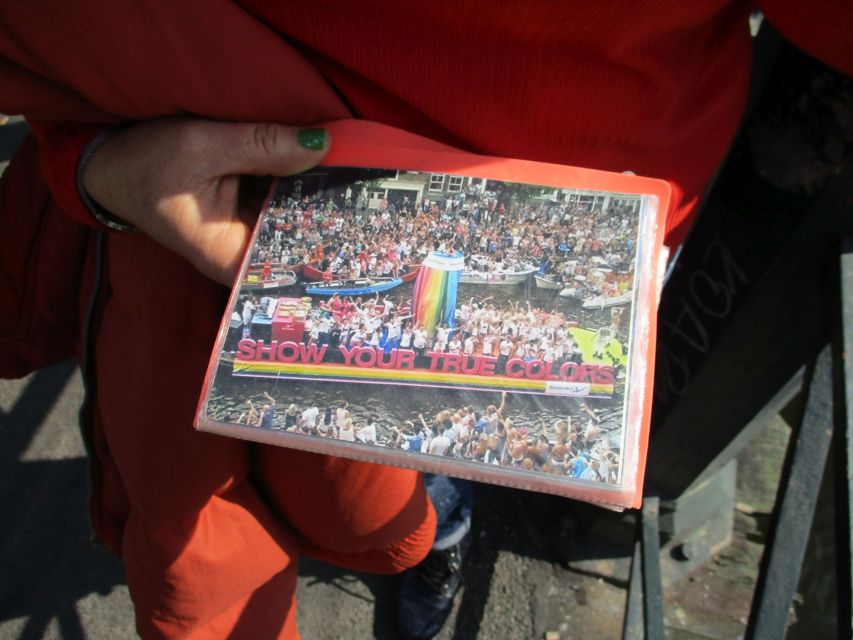
- Pride and protest context, including Pride on the canals
- Easy-to-follow walking pace, built around short visits and photo moments
- Wheelchair accessible, plus the usual “rain or shine” clothing advice
Two hours of Amsterdam told through queer lives
If your idea of Amsterdam is just canals, bikes, and museums, this tour gently flips the script. You’ll see the same streets, but with LGBTQI+ history and lived experience as the lens. The guide, Sanne, doesn’t treat queer life as a side note, she treats it as part of how Amsterdam became Amsterdam.
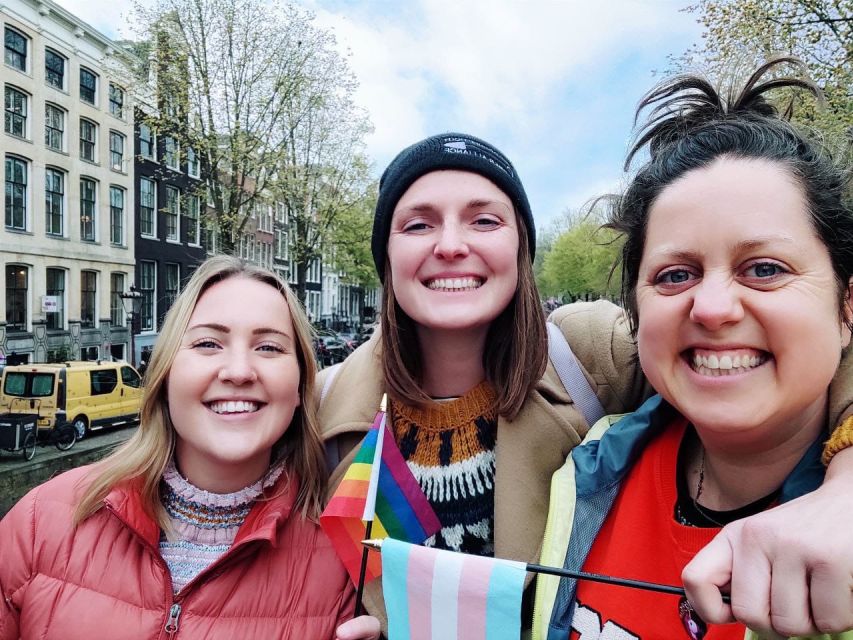
The format is also practical. You’ll do a steady walk, but the stops are frequent enough that you’re not just marching from one photo spot to the next. Because it’s small group, you also have more room to share your own story if you want to, or just listen and feel part of the conversation.
And the best part, for me, is the connection theme. You hear how things that seem unrelated in the city actually connect through people, activism, and community networks.
More of the canal ring crossed on foot:
- Amsterdam Anne Frank: Small-Group Walking Tour & Local Guide
★ 4.8 · 12,789 reviews - Anne Frank’s Story – Guided Walking Tour through Amsterdam
★ 5.0 · 11,619 reviews - Absolutely Amsterdam – the Essential Introductory Walking Tour
★ 5.0 · 3,629 reviews
Meeting Sanne at Dam Square’s National Monument
The tour begins at the National Monument at Dam Square, and that choice matters. Sanne frames this area not as a neutral backdrop, but as a place where public memory and controversy can sit side by side. Even before you start getting into the queer sites, you’re primed to look for what history leaves out, and who gets centered.
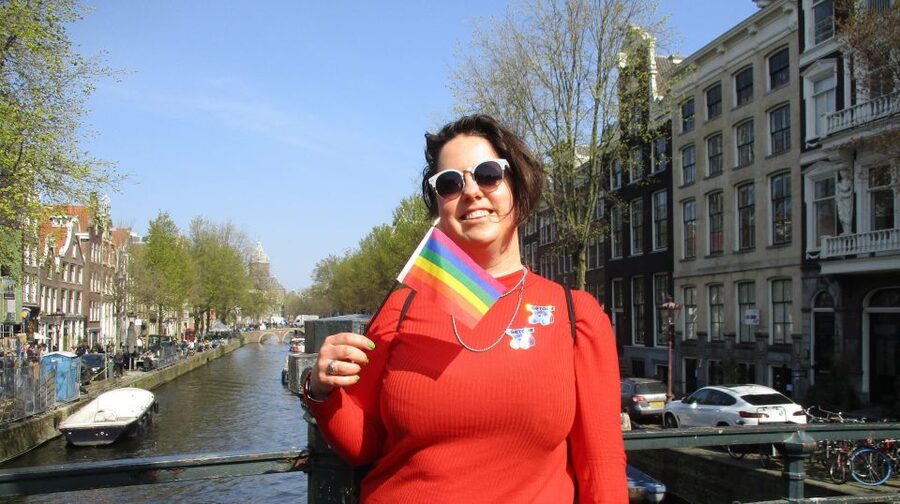
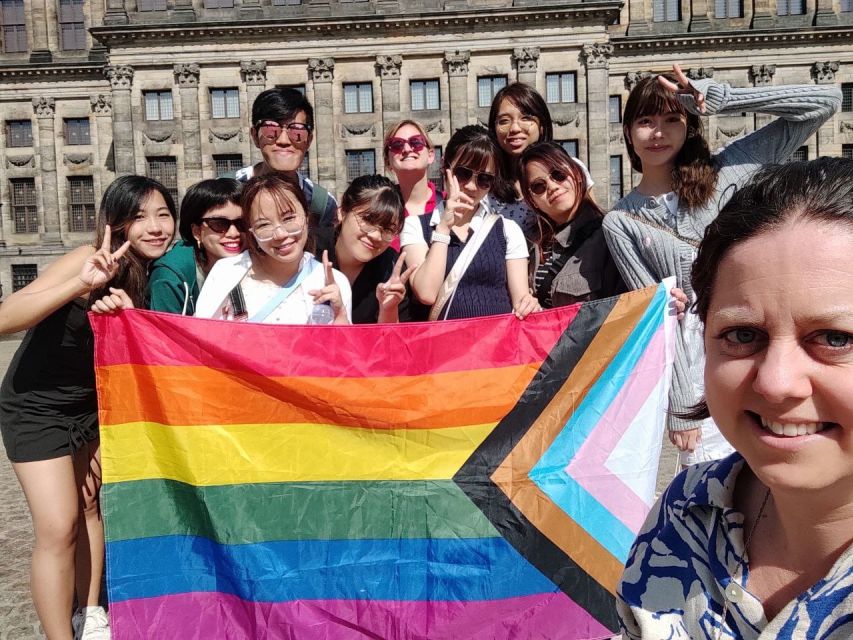
You’ll recognize Sanne by her tiny rainbow flag. That’s a small thing, but it makes the start less stressful, especially if you arrive early and want to know you’re in the right group. If you like tours that feel organized at the first minute, this one is good at that.
Practical note: Dam Square can be busy. Wear comfortable shoes, and give yourself a little extra time to find the group. Once you’re walking, the pace feels manageable for most people.
Homomonument plus the art of protest and memory
Next up is the Homomonument, with a guided stop of about 20 minutes. This is where the tour really locks into queer history, and it’s not presented like a neat museum exhibit. You’ll hear why the monument is tied to Pride and protest energy, and you’ll likely come away understanding it as a statement that continues to matter.
Sanne also connects the monument’s meaning to people and moments that shaped Amsterdam’s queer community. That’s what I like most here, the focus on “who and why,” not just “what and when.” You start seeing that activism is often creative, stubborn, and communal, not just political headlines.
If you’re the type who enjoys reflective stops, this one works. If you prefer everything to be very light and funny, you might find the emotional tone heavier than some walking tours. It stays respectful, but the theme is real.
Belle and Condomerie: learning that comes from necessity
Two short guided stops follow, starting with Belle (about 10 minutes) and then Condomerie (about 10 minutes). Even without adding extra drama, the Condomerie stop carries weight because you learn it links to necessity during the AIDS crisis and helped lead to the first condom shop story.
This is the kind of history that changes how you think about public health and queer life. It reminds you that community needs often create institutions, and institutions become landmarks. You’re not just learning what happened, you’re learning what it cost and why it was built in the first place.
As for Belle, you’ll get a guided explanation at that stop too. What matters is the way the tour uses these sites to show how queer life was shaped in multiple ways: love and community, but also practical solutions and brave visibility.
Other loops taking in the big sights:


Walking the Red Light District with context, not just shock
After Condomerie, you move into the Amsterdam Red Light District for about 15 minutes. This is one of those places where photos tempt you, but the tour keeps the meaning grounded in perspective. Sanne uses the area as the “oldest part of town” context for queer life, so it’s not only about what people associate with the district today.
There’s value in this approach. You’re taught to notice how marginalized communities, public negotiation, and survival strategies show up in the same streets that tourists usually treat as a spectacle. You’ll also pass the sights at a guided pace, which helps you avoid getting stuck staring while the group moves on.
The main drawback is that the area can be visually and socially busy. If crowds make you uncomfortable, be ready for that reality. If you can handle it, you’ll leave with a more nuanced view of how the city’s tolerance and taboos have evolved.
Zeedijk Street and the small stops that tell big stories
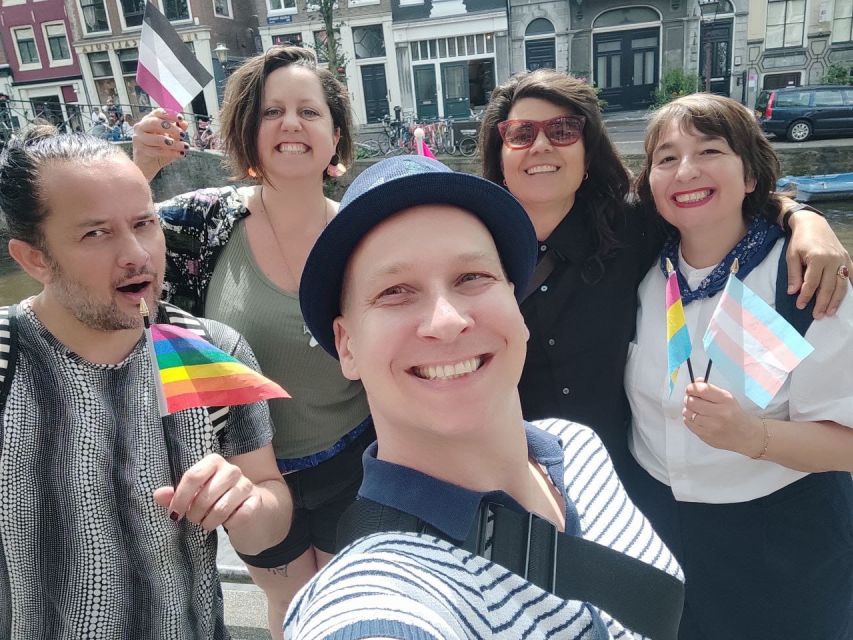
Then it’s Zeedijk Street for about 15 minutes walking. This stretch is where the tour shifts from “marker stops” to a more street-level way of learning. You’ll be moving through the area, and you’ll hear how the queer story is woven into regular city life.
Along the way, you’ll also pass Eagle Amsterdam for about 5 minutes and pass Pride Clothing. These passes might look quick, but they contribute to the tour’s big point: queer culture isn’t only in monuments. It’s also in shops, signage, and everyday gathering spots.
Sanne also keeps returning to how people connect across “least expected” parts of the city. Walking here supports that idea because you’re not only seeing destinations, you’re seeing the routes between them.
Kokopelli and Dancing Houses, where you pause to see more
A guided stop at Kokopelli takes about 10 minutes. This is another moment where you get explanation and context, not just a quick look. The point is to keep the story anchored to place, and to show how queer culture can be housed in cultural spaces as well as in overtly political ones.
Next is the Dancing Houses, Amsterdam photo stop for about 10 minutes. I like including a photo moment that isn’t treated like a reward. It’s more like a reset. After the emotional and political stops, you get a visual break, and the guide helps you keep your eyes open instead of just taking shots.
If you enjoy architecture and street design, this stop lands well. If you prefer nonstop storytelling, use the time for photos quickly, then rejoin the group attention.
Royal Palace unicorns and the tour’s playful side
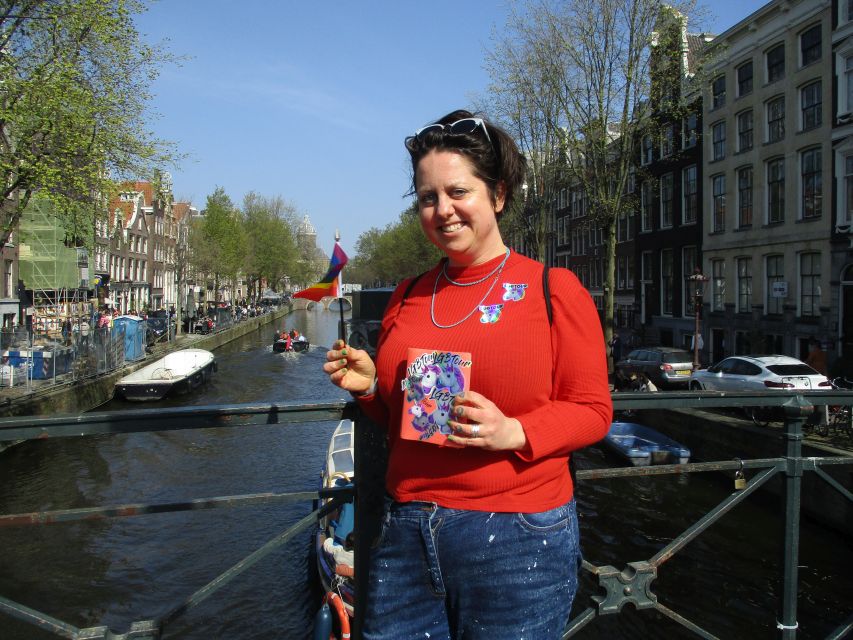
One of the tour’s included storytelling elements is the idea of unicorns everywhere, starting with the Royal Palace building and those unexpected unicorn details. This is a clever reminder that history is not always solemn. It can be symbolic, playful, and culturally coded.
I like that the tour doesn’t force everything into a serious box. You’ll still get the pride and protest focus, but you’ll also see how the city communicates identity in design and imagery too. That balance helps you stay engaged through the full route.
Ending at Café ‘t Mandje: keeping the story going
The tour finishes at Café ‘t Mandje, with the group ending in front of this older queer bar. Sanne frames it as one of the longest-running queer social anchors, which makes sense as a closing chapter: you start with monuments, you pass community institutions, and you end at a place where people can relax, talk, and stay connected.
This is also where you might feel the tour’s social side most clearly. You’ve been walking and listening for about two hours, and ending at a bar-style gathering point gives you an option to continue the night without going back to planning mode.
If you’re hungry, thirsty, or ready to process what you learned, this ending is helpful. Just be aware that it’s an active area, so stick with the group time if you want the full guided closure.
Price and what $59 buys you in value
At $59 per person for a 2-hour walk, the price isn’t just about covering a guide’s time. You’re paying for a guided route through multiple meaningful sites, each with short, curated explanations, plus the chance to hear a local’s personal framing of queer life in Amsterdam.
For me, the value comes from three things:
- You get context at each stop, not a long monologue with no structure.
- You cover both landmark history and everyday culture, including Pride and protest ideas.
- You leave with a trail of places you can recognize later, which makes independent exploring easier.
If you’ve limited time in Amsterdam, this is a strong use of it. If you want only mainstream museum content, you might not get your money’s worth. This tour is for people who want lived perspective, not just postcard facts.
What to bring, and how to dress for rain or shine
Sanne is clear that the tour runs rain or shine, so dress accordingly. Bring comfortable shoes first. Then pack weather basics like a rain layer, plus sunscreen and a sun hat for bright days.
I also recommend wearing clothes you can walk in for a couple of hours without fuss. Since you’re moving between busy street areas and stops on the route, being slightly prepared for crowds and weather helps a lot.
Who should book this walking tour
This tour suits you best if you want:
- A queer-focused view of Amsterdam that connects history with personal stories
- A guided pace that keeps stops short and meaningful
- A route built around monuments, community institutions, and everyday culture
- To meet other queer and ally visitors and share your own experiences if you’re comfortable
It’s also a good match if you enjoy walking tours but you’re tired of generic narration. Sanne’s approach sounds personal and grounded, and that matters because you’re learning about identity and activism, not just sightseeing.
Should you book this tour or not?
Book it if you want Amsterdam through a queer lens and you’re open to hearing stories that touch Pride, protest, and the real pressures queer people faced. The route makes sense for a first visit, and the ending at Café ‘t Mandje gives you a natural place to continue the experience.
Skip it only if you know you strongly dislike the emotional tone, or you want a purely light, entertainment-style walk. Also, if the Red Light District area is a hard no for you, consider whether you’ll be comfortable with that section.
FAQ
FAQ
How long is the Amsterdam Queer City Walking Tour?
The tour lasts 2 hours.
Where does the tour meet?
You meet at the National Monument at Dam Square. Sanne is recognizable by a tiny rainbow flag.
What languages is the guide available in?
The live guide speaks English and Dutch.
Is the tour wheelchair accessible?
Yes, the tour is listed as wheelchair accessible.
What should I bring for the tour?
Bring comfortable shoes, a sun hat, sunscreen, and rain gear, plus comfortable clothes.
Does the tour run in bad weather?
Yes, it takes place rain or shine.
Newest on the canal ring
- Amsterdam Bike Food Tour with Private Guide★ 5.0 · 1 review
- Amsterdam: Rijksmuseum Private Tour with an Art Historian★ 5.0 · 1 review
- Happy B-day Amsterdam! Guided Tour with a History Buff★ 5.0 · 1 review
- Local Foodie Adventure in Amsterdam★ 5.0 · 1 review
- Private Photo Shoot in Amsterdam with a Professional Photographer★ 5.0 · 1 review
- Private day trip to Giethoorn and the Enclosing Dike★ 5.0 · 1 review
- Private Sightseeing Tour to Giethoorn from Amsterdam incl. canal cruise★ 5.0 · 1 review
City Walking Tours, compared.

Amsterdam Anne Frank: Small-Group Walking Tour & Local Guide
Read our review →
Anne Frank’s Story – Guided Walking Tour through Amsterdam
Read our review →
Absolutely Amsterdam – the Essential Introductory Walking Tour
Read our review →
Anne Frank Guided Walking Tour in DE/EN/IT/ES
Read our review →

Anne Frank Walking Tour Amsterdam Including Jewish Cultural Quarter
Read our review →Browse the lists this tour appears in