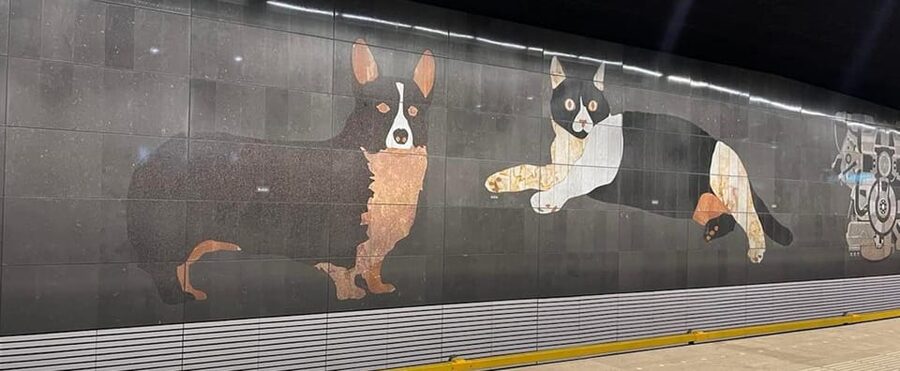
Reviewed · TOURS
Amsterdam: The Art of the Underground Tour
A subway ride in Amsterdam turns into a story trail fast. This 2-hour guided tour helps you read the metro like a gallery, with art that connects to Amsterdam politics, everyday life, and even love. I especially love the way the guide links the artworks to real people and social issues, and how you actively look for pieces that most commuters miss. One thing to factor in: you still need to buy metro tickets for the ride, so budget extra.
You also get two distinct beats in the underground, modern and historic. That contrast keeps it from feeling like a single theme repeat, and it gives you a strong sense of how Amsterdam’s public spaces communicate. The only drawback I’d flag is practical, comfortable shoes matter, because the tour mixes short walks with frequent station stops.
In This Review
- Key things that make this underground art tour worth your time
- Meeting at Amsterdam Centraal, then going underground on purpose
- Metro as a museum: why the guide makes you look differently
- Rokin station: the kind of stop where you start spotting on your own
- The underground archaeological museum and the historic route effect
- Hidden and obvious art: your detective hunt across about ten stations
- Modern art below: why the tour argues for it in public space
- Two routes, one storyline, and how you pace through it all
- The guide factor: Maria brings art to life in a plainspoken way
- Price and what $141 buys you, plus the one extra cost
- What to bring, what to wear, and tiny choices that help
- Who this Amsterdam underground art tour is best for
- Should you book Amsterdam: The Art of the Underground Tour?
- FAQ
- How long is Amsterdam: The Art of the Underground Tour?
- Where do I meet the guide?
- What is included in the price?
- Do I need a metro ticket?
- What languages is the tour offered in?
- Is there free cancellation?
Key things that make this underground art tour worth your time
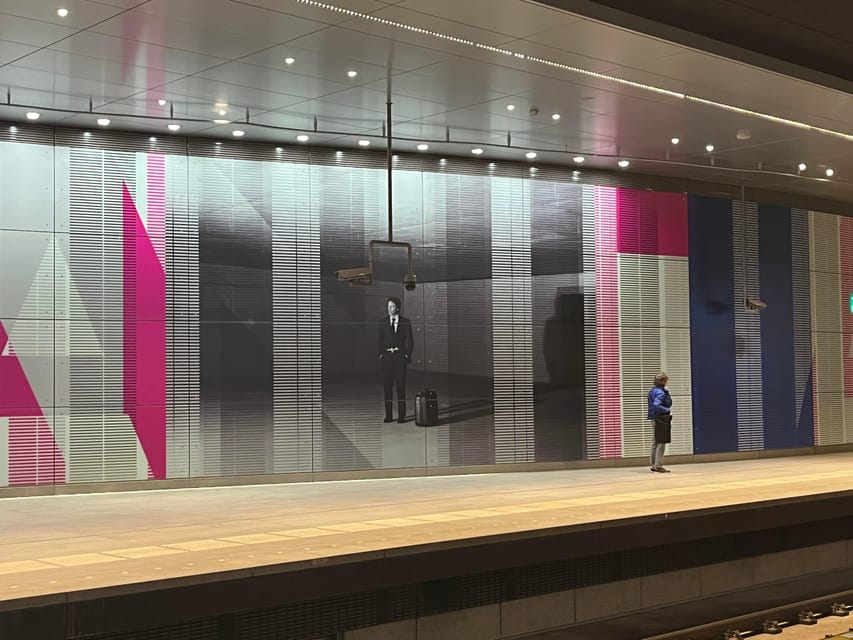
- See art across eras, from modern to older work, placed where you would normally just look at a phone or follow signs
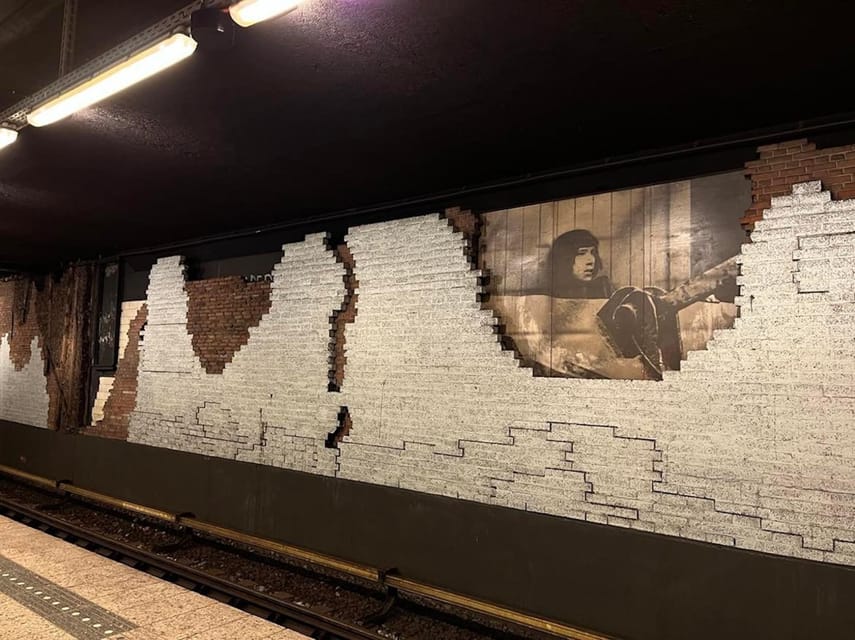
- Learn the why behind metro artwork, including why it was decorated and the protests tied to early metro lines in the 1980s
- Detective-style spotting game, some pieces are genuinely hard to notice, so you are guided to look closely
- Visit the underground archaeological museum, using the historic route to add depth to what you see
- Get a story-driven human lens, the guide brings in ordinary residents and their lives, not just big-name art
- Walk away with a clearer take on modern art, plus why it still matters in everyday public spaces
Meeting at Amsterdam Centraal, then going underground on purpose
The tour starts at Amsterdam Centraal, at Stationsplein 2, in front of black shields near the main entrance. You’ll find the entrance between two towers, so it is hard to miss once you know where to stand. Before you move, you get a quick guided intro, which is helpful because you are about to see art in spaces designed for transit, not lingering.
From there, you shift into metro mode. You do brief stretches of public transport between station stops, then short guided segments where the artwork becomes the focus. That rhythm matters. If you only wandered on your own, you’d likely zip through the same stations without noticing how the art is placed, framed, and explained.
I also like that the tour is built around about ten stations in roughly two hours. It is enough to feel like you made a dent, but it never turns into a marathon where you stop paying attention.
Weighing this against the rest? A few more from Amsterdam:
- Amsterdam: Heineken Experience Ticket including 2 Drinks
★ 4.6 · 36,014 reviews - Amsterdam Classic Saloon Boat Cruise with Drinks and Cheese
★ 5.0 · 31,825 reviews - Amsterdam Luxury Canal Cruise + Unlimited Drinks & Bites option
★ 5.0 · 30,518 reviews
Metro as a museum: why the guide makes you look differently
This tour has one simple premise: the metro is not only transport. In Amsterdam, about 14 million people pass through underground spaces every year, and most of them barely notice the artworks around them. The guide turns that missed opportunity into the whole point.
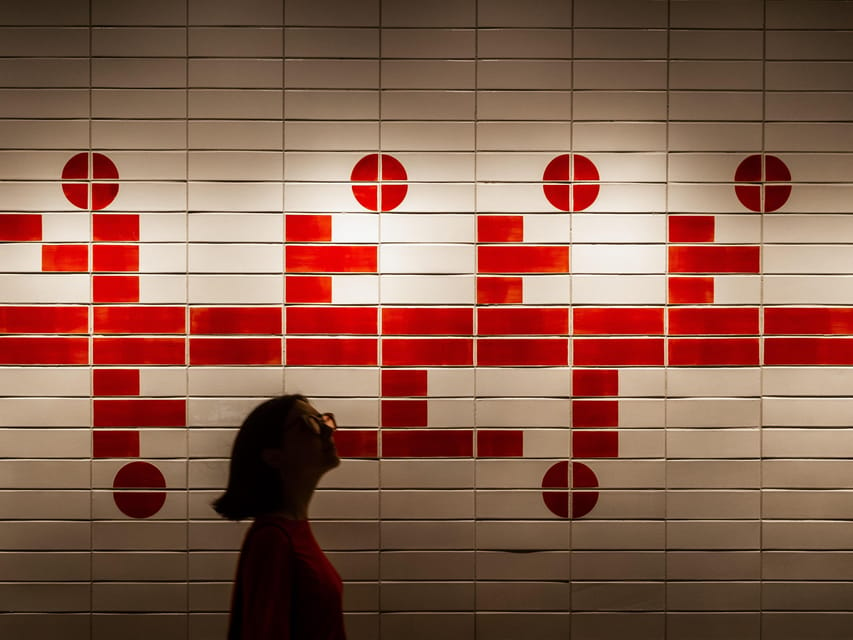
Instead of treating the stations like background scenery, you’ll learn to look for stories embedded in the design. The tour frames art as a way Amsterdam talks about itself, its politics, social issues, and even romance. That makes a difference if you are not an art-historian. You still get something to hold onto, a reason to pay attention, even when a work looks strange at first glance.
You’ll also hear how and why metro decoration became a focus. One part that stood out from what you’re told is the mention of protest when the first metro lines were built in the 1980s. Even if you have never followed that era, you come away with a sense that public art is never just decoration. It is part of public decisions, budgets, and debates.
And yes, you get a little listening moment too. The tour points out why music plays underground and what it does for the space. It sounds minor, but it is part of the same idea: Amsterdam uses atmosphere to shape how you move through places.
Rokin station: the kind of stop where you start spotting on your own
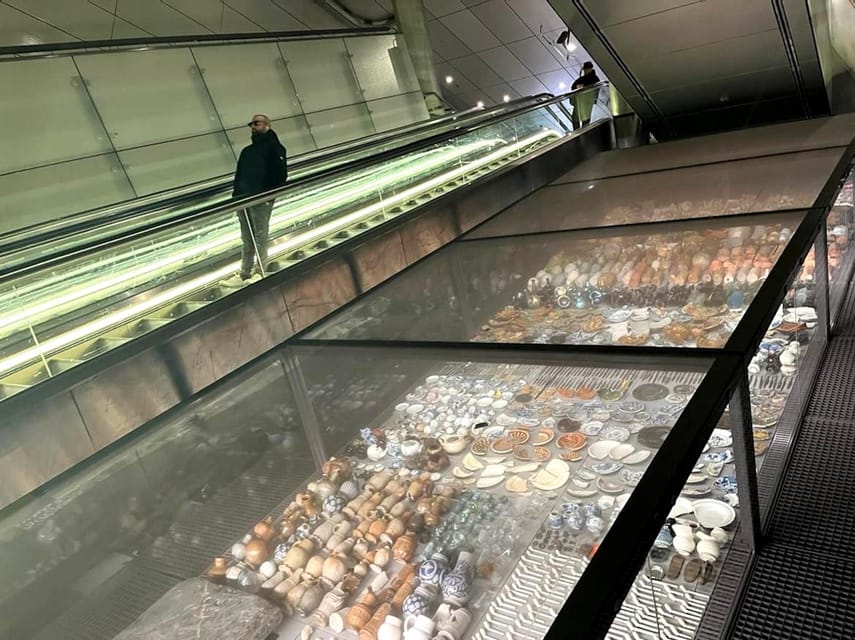
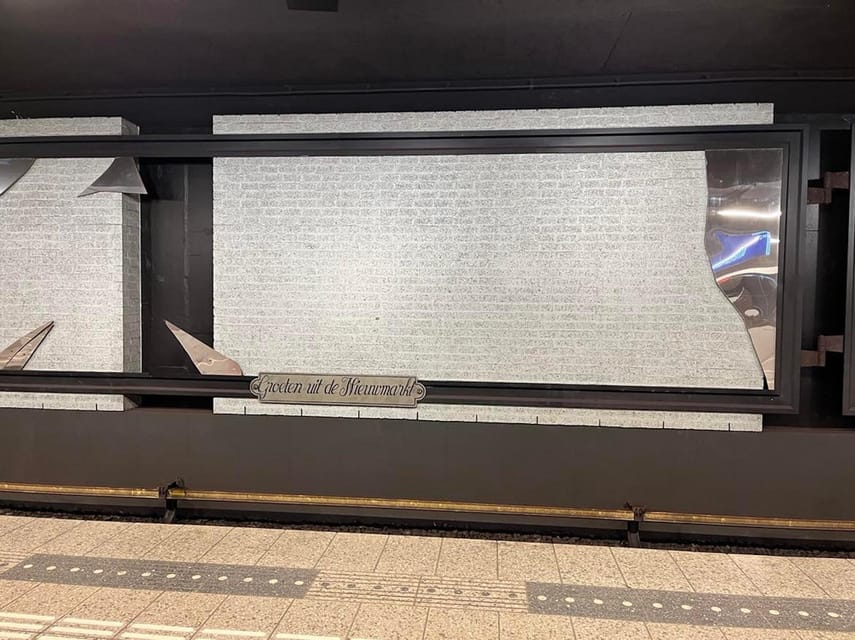
One of the guided station stops is Rokin. That is where the tour starts to feel like a real walkthrough, not just a lecture. In a transit station, your eyes move fast. The guide slows your attention down, so you start noticing things like scale, placement, and the way art changes how a platform feels.
Rokin also sets expectations for the variety you will see. You’re not stuck with one style. The tour mixes modern pieces with older work, and it keeps shifting between art that is easy to see and art that is tucked away or disguised as part of the station environment.
What I like here is that the guide does not assume you already know what modern art is supposed to do. You get practical context for what you are looking at, and then you get to apply that context right away at the next station. That loop helps you build confidence during the tour, instead of waiting until the end to understand anything.
The underground archaeological museum and the historic route effect
You’ll also visit the underground archaeological museum as part of the historic route experience. Even without being an archaeology person, you’ll likely appreciate the shift in tone. An archaeological space has a built-in theme of layers, time, and what cities bury and preserve.
In this tour, that museum visit is not just a standalone attraction. It is used to connect artworks to the broader history of Amsterdam and the kinds of stories cities tell over time. The overall message is that the underground is not separate from the city above. It is part of the same place, with different material and different visibility.
If you like history but hate museum fatigue, this is a smart compromise. Instead of one big chronological lesson, the historic museum moment slots into a tour where you keep moving, seeing art, and hearing short guided explanations. You do not have to sit through one long monologue.
A different use for the same hours in Amsterdam:



Hidden and obvious art: your detective hunt across about ten stations
One of the coolest elements of this tour is the detective angle. The guide points out that some artworks are so well hidden that you will need to play detective to find them. That is more than a gimmick. In real metro life, you normally decide what is worth attention in seconds. The tour flips that on purpose.
You will see a mix of artworks, from pieces that feel almost obvious once you know what to look for, to works that require patience and line-of-sight strategy. The guide helps you train your eyes quickly, so even if you miss something at first, you learn what to scan for next.
The tour also teases that some works connect the underground to the world above. That can mean artwork that reveals striking architecture or even a glimpse of wildlife, depending on what you notice as you move through the stations. The value here is that you start to see the underground as a designed experience, not a purely functional one.
For me, the best part is the payoff. When you finally spot a hidden work, you get a small thrill, and you also understand why the guide cared. The artwork is not random. It is placed to communicate.
Modern art below: why the tour argues for it in public space
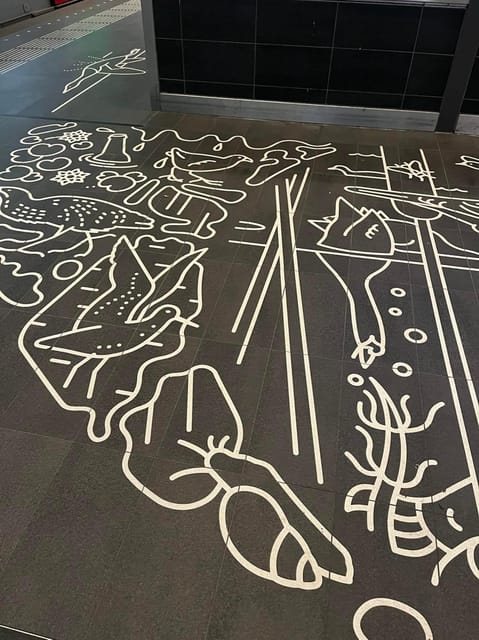
A big theme you’ll hear during the tour is what modern art is all about, and why it is needed. This matters because the underground can feel like a place where only practical things belong. Tickets, schedules, announcements, the quick press of commuting.
By showing you how modern art can function in that environment, the guide makes a case for public creativity. You start thinking about questions like: Who is the art for? How does it reflect the city’s debates? What does it do for the identity of everyday spaces?
The tour links those answers to stories you hear about ordinary residents, social issues, and politics. That approach keeps modern art from turning into a mystery where you need insider knowledge. You still might not like every work, and that is fine. The point is you get a framework for interpreting what you see.
If you are the kind of person who thinks modern art is either pointless or unfairly confusing, this tour is a good test case. You’ll likely leave with a more balanced stance, because you are not studying modern art in a vacuum. You’re seeing how Amsterdam places it in front of millions of people who do not ask for it, but still encounter it.
Two routes, one storyline, and how you pace through it all
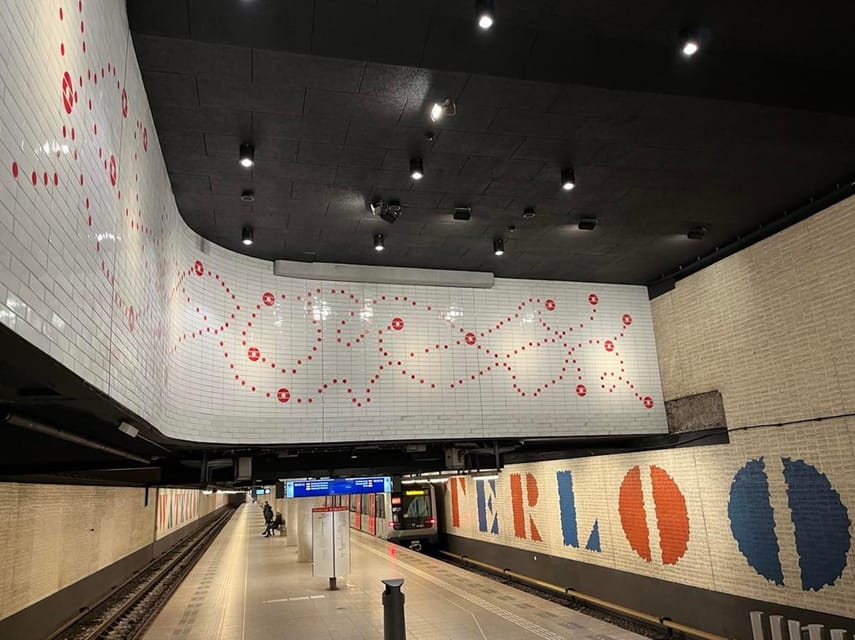
You explore two unique metro routes during the tour. One focuses on modern art, and the other focuses on historic context. The structure keeps things moving, and it prevents the tour from flattening into one repeating style of explanation.
Between station stops, you take short metro rides, usually just a few minutes at a time. The tour also includes several short guided segments at stations, with roughly the same time window repeated throughout. That pacing is ideal for a 2-hour experience. You get frequent “inputs” from the guide, then you immediately process what you saw as you move to the next stop.
You finish in Noord. That is a useful detail for planning the rest of your evening. You will not end back at Centraal, so you can treat the tour as a start point for exploring in that direction, rather than needing to backtrack immediately.
The guide factor: Maria brings art to life in a plainspoken way
The tour credits a professional, passionate guide, and the name Maria comes up in the feedback in a big way. Maria is described as fantastic, passionate about local art culture and community, and that kind of enthusiasm is contagious. When a guide cares, you tend to care too, especially in spaces where it would be easy to switch off.
Even if you are not normally a guided-tour person, this format works because the guide’s role is very specific. They point you toward what to look for, they explain why it matters, and they help you connect art to the city’s people. That is a better use of a guide than simply repeating what a sign already says.
Tour languages include English, Russian, and Ukrainian. If you want to feel fully locked in during the explanations, choose the language option you are most comfortable following for a full 2 hours.
Price and what $141 buys you, plus the one extra cost
The tour price is $141 per person for a 2-hour guided experience. On its face, that is not cheap for a metro walk-and-talk. But the value comes from two things you get that are hard to replicate alone.
First, you get interpretation. The artworks are embedded in a working transit system, and most people pass them without understanding why they are there. Second, you get structure. You visit about ten stations, including the underground archaeological museum, and you get guided time at each stop rather than hoping you’ll notice the right pieces in the right order.
There is one extra cost to plan for: underground metro tickets are not included. The tour data lists metro tickets at 9 euros per person. So your all-in budget is closer to the ticket plus the guided fee, depending on current exchange rates.
If you compare this to doing it solo, the math often shifts. You would still pay metro fare, but you might miss the context and the hidden artworks that require a trained eye.
What to bring, what to wear, and tiny choices that help
This tour asks for comfortable shoes. That tells you the walking is real enough to matter. You’ll also do short transit segments, which means you spend time standing on platforms, moving through corridors, and changing stations.
Bring a water bottle to stay hydrated. It is not flashy advice, but it works well for a 2-hour underground outing where you might not think to grab a drink.
Smoking indoors is not allowed. That is standard metro etiquette, but it is good to note if you are used to smoking outdoors.
Who this Amsterdam underground art tour is best for
This is a strong fit if you:
- Love art but hate guessing what it means on your own
- Enjoy city history through everyday spaces, not only grand monuments
- Want a fun way to experience the metro that feels different from commuting
- Like a guided structure that focuses on multiple stops, not one big attraction
It can be a weaker fit if you:
- Dislike public transit, standing in stations, or frequent movement between stops
- Want an art history deep course with lots of time per site (this is fast and focused)
Should you book Amsterdam: The Art of the Underground Tour?
I’d book it if you want a smart, story-driven way to see Amsterdam’s underground as a living gallery. The guide-led focus on why metro artwork exists, the mix of modern and historic routes, and the detective hunt for hidden works all add up to more than a typical transit sightseeing loop. Also, having a guide like Maria described as passionate and community-minded is exactly the kind of energy that makes art explanations click.
I’d think twice if $141 plus the 9 euros metro ticket feels too tight for your budget, or if you dislike moving through stations quickly. But if you like being coached to see, not just to pass by, this tour is a great use of two hours in Amsterdam.
FAQ
How long is Amsterdam: The Art of the Underground Tour?
It lasts 2 hours.
Where do I meet the guide?
Meet in front of the black shields near the main entrance of Amsterdam Centraal station, at the entrance between two towers, by Stationsplein 2.
What is included in the price?
The tour includes a professional passionate guide, a guided tour of Amsterdam’s underground art, and exploration of about ten stations with many artworks.
Do I need a metro ticket?
Yes. Underground metro tickets are not included and cost 9 euros per person.
What languages is the tour offered in?
The live tour guide speaks English, Russian, and Ukrainian.
Is there free cancellation?
Yes. You can cancel up to 24 hours in advance for a full refund.
Newest on the canal ring
- Amsterdam Bike Food Tour with Private Guide★ 5.0 · 1 review
- Amsterdam: Rijksmuseum Private Tour with an Art Historian★ 5.0 · 1 review
- Happy B-day Amsterdam! Guided Tour with a History Buff★ 5.0 · 1 review
- Local Foodie Adventure in Amsterdam★ 5.0 · 1 review
- Private Photo Shoot in Amsterdam with a Professional Photographer★ 5.0 · 1 review
- Private day trip to Giethoorn and the Enclosing Dike★ 5.0 · 1 review
- Private Sightseeing Tour to Giethoorn from Amsterdam incl. canal cruise★ 5.0 · 1 review
Tours, compared.
Zaanse Schans, Edam, Volendam & Marken Bus Tour
Read our review →
Amsterdam Anne Frank: Small-Group Walking Tour & Local Guide
Read our review →
Anne Frank’s Story – Guided Walking Tour through Amsterdam
Read our review →
Big Bike tour Amsterdam – See all in 3 unforgettable hours
Read our review →
Guided Zaanse Schans, Windmills & Cheese Tour
Read our review →