
Reviewed · ANNE FRANK HOUSE TICKETS
Anne Frank & World War II Small Group Walking Tour
Amsterdam’s WWII story lives on every corner. This small-group walk through the Jewish Quarter turns Anne Frank’s history into real streets and real places. You’ll also connect the personal story of the Frank family to the wider tragedy of Nazi occupation.
I especially like how the tour starts with context, then moves site by site. You get a short, guided introduction at the H’ART Museum, and then you’re out walking through the same neighborhood where Jewish life, persecution, and resistance collided.
My other favorite part is the way the route covers major WWII realities, not just one famous name. You’ll visit places tied to deportations, and you’ll hear about Amsterdam’s February Strike and the Hunger Winter. One thing to plan for: the walking is part of a WWII-focused route, and the guidance about wheelchair access is inconsistent, so you should double-check fit before booking.
In This Review
- Key things to know before you go
- Why Anne Frank’s Amsterdam Jewish Quarter Still Feels Personal
- The Two Hour Walk, from H’ART Museum to the Jewish Museum
- H’ART Museum Stop: A Quick Setup Before You Hit the Streets
- Portuguese Synagogue Area and the Jewish Historical Museum Perspective
- Amsterdam Deportation Center: Understanding the Mechanism, Not Just the Horror
- February Strike and the Hunger Winter: WWII’s Late-Stage Reality
- Anne Frank’s Story and the Diary: Why This Tour Uses More Than One Viewpoint
- Guide, Pace, and What English Adds
- Price and Value: What $34 Gets You in Two Hours
- Practical Planning: What to Wear and How to Get the Most Out of It
- Who Should Book This Tour (and Who Might Reconsider)
- Should You Book This Anne Frank & WWII Walking Tour?
- FAQ
- How much does the Anne Frank and World War II walking tour cost?
- How long is the tour?
- Where do we meet for the tour?
- What is included in the ticket?
- Is food or drink included?
- What is the cancellation policy?
- Is the tour wheelchair accessible?
- Are pets allowed on the tour?
Key things to know before you go

- Two hours, small-group pace that keeps the story moving without dragging
- H’ART Museum start by the Amstel, then you finish at the Jewish Museum
- Portuguese Synagogue and Jewish Historical Museum area, helpful for understanding community history
- Amsterdam Deportation Center stop, for a direct look at how deportations were carried out
- February Strike and Hunger Winter coverage, so you see the war’s impact near the end
Why Anne Frank’s Amsterdam Jewish Quarter Still Feels Personal
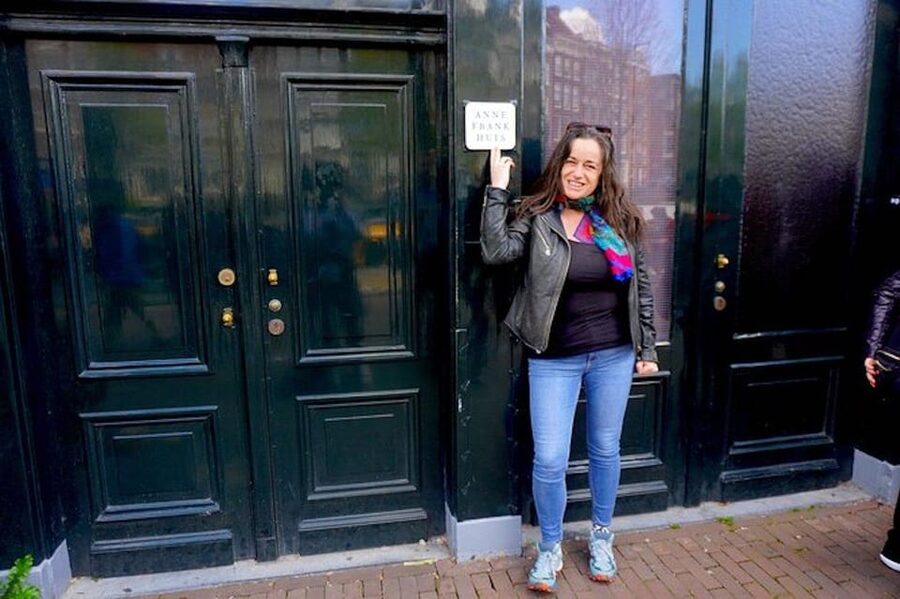
Anne Frank’s name can turn into a school subject. This tour keeps it human, because the story is tied to a specific neighborhood and a specific time. Walking the Jewish Quarter, you’re not just hearing about the Holocaust, you’re seeing the kind of city blocks where people tried to live, hide, and survive.
What makes the experience powerful is the balance between private life and public catastrophe. The route connects the Frank family’s hiding to the broader structure of Nazi occupation, including how the Jewish community was targeted. If you come to Amsterdam expecting only one “Anne Frank moment,” you will likely leave with a fuller sense of how the whole community was squeezed.
And if you care about resistance and courage, this tour gives you that thread too. You’ll hear about the Dutch resistance and how people responded even as conditions tightened.
Other routes to the Anne Frank House:
- Amsterdam Anne Frank: Small-Group Walking Tour & Local Guide
★ 4.8 · 12,789 reviews - Anne Frank’s Story – Guided Walking Tour through Amsterdam
★ 5.0 · 11,619 reviews - Amsterdam: Anne Frank Guided Walking Tour in DE/EN/IT/ES
★ 4.9 · 3,107 reviews
The Two Hour Walk, from H’ART Museum to the Jewish Museum
The tour runs for about two hours, and it’s built for walking rather than lingering. That’s a good thing if you want focused stories without spending your whole day in one place.
You meet close to the door of the H’ART Museum on the Amstel riverside. The start matters, because it gets you oriented near the water, with Amsterdam’s layout in front of you. There’s also a short 15-minute guided introduction at the start location, which helps you settle into the theme before you head into the streets.
Then the route carries you through the Jewish Quarter and ends at the Jewish Museum. Finishing at a museum is smart, because you can continue at your own pace afterward. If you want to read more, check exhibits, or simply process what you learned, you’ll already be at the right doorstep.
H’ART Museum Stop: A Quick Setup Before You Hit the Streets
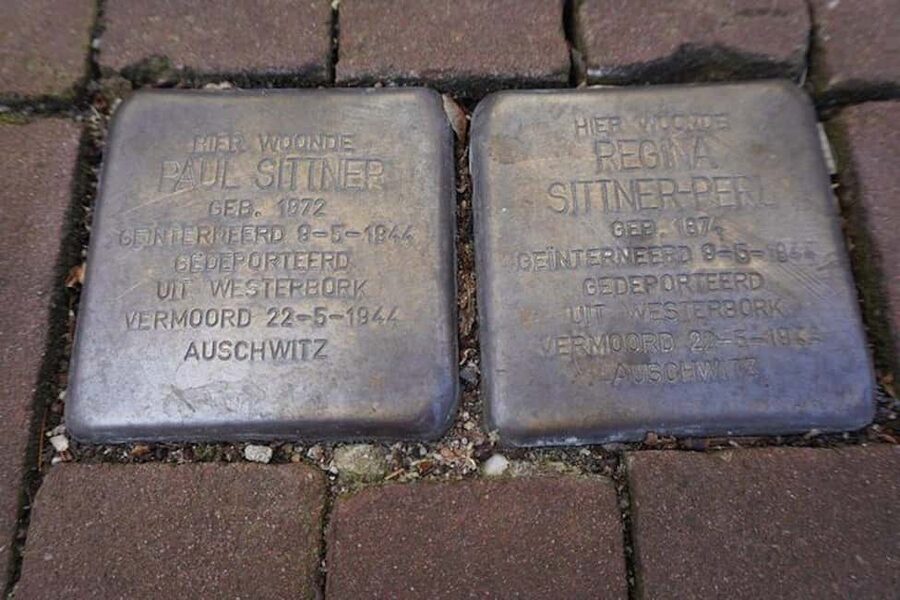
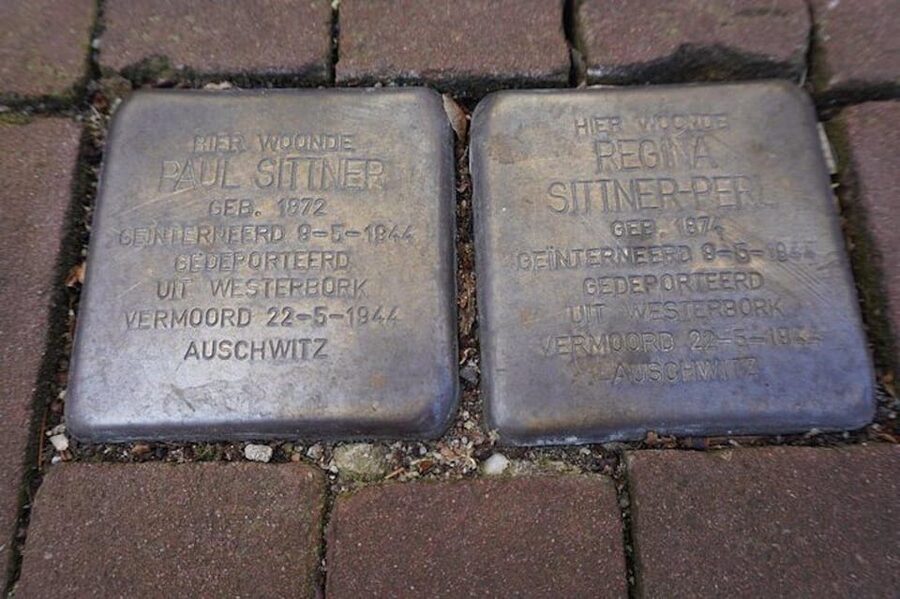
You begin at the H’ART Museum, and the itinerary includes a short guided segment there. Think of this as your warm-up, not a long lecture. It’s enough time to get your bearings and understand how the tour will frame what you see next.
This is also practical. If you arrive early or feel a bit jet-lagged, a short indoor start can help you reset. Once you walk out, the stories land more cleanly, because your guide has already framed the neighborhood and the WWII timeline.
I also like that the meeting spot is on the Amstel riverside. It’s easier to find than meeting points hidden deeper in side streets, and it tends to reduce that awkward first-minute scramble.
Portuguese Synagogue Area and the Jewish Historical Museum Perspective
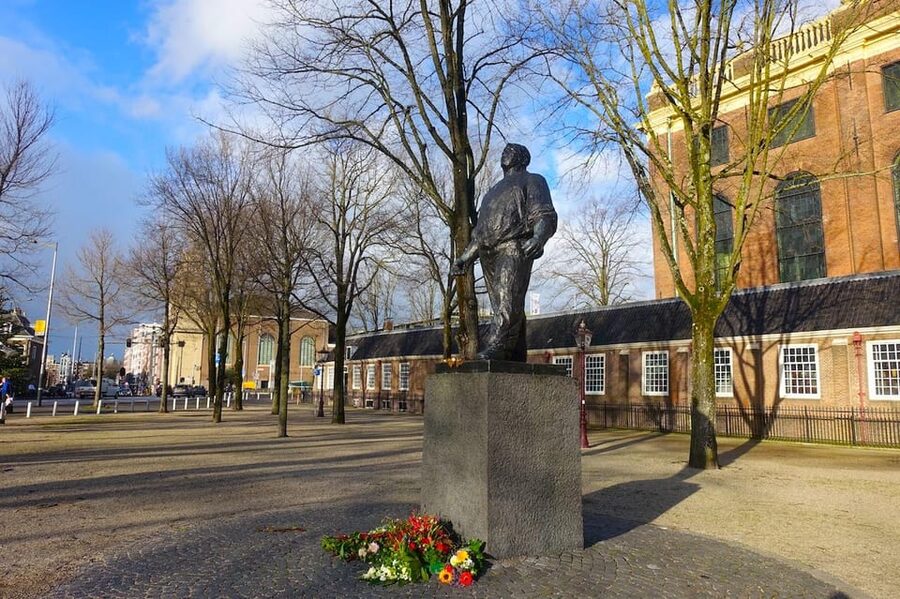
A standout part of the walk is how it uses key landmarks to teach you what came before the worst. The route includes the Portuguese Synagogue area and the Jewish Historical Museum. Even if these names are familiar, seeing them in context can make them click.
Why this matters: communities are more than what happened to them. The Portuguese Synagogue and the surrounding historic Jewish neighborhood help you understand that Amsterdam had established Jewish life long before Nazi occupation. That context makes the later story heavier, because you can clearly feel what was taken away.
This section also helps you follow the guide’s narrative structure. You’re likely to hear how Jewish life in Amsterdam developed, then how it was targeted, restricted, and ultimately destroyed. Museum-adjacent stops like this are useful because they connect street-level impressions with factual historical framing.
More of the canal ring crossed on foot:
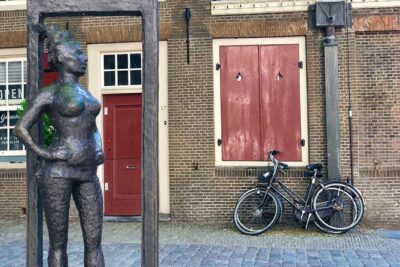


Amsterdam Deportation Center: Understanding the Mechanism, Not Just the Horror

One of the tour highlights is a visit to the Amsterdam Deportation Center during World War II. This is the kind of stop that changes your perspective from tragedy as an idea to tragedy as a system.
Instead of only focusing on the hiding story, you learn how the occupation created steps that led to deportations. That is crucial, because it explains why people were trapped. It also clarifies how institutions, paperwork, and enforcement worked together to make escape nearly impossible.
A note for your expectations: this part can feel intense. If you prefer history that stays mostly on dates and documents, you might find the deportation focus emotionally heavy. But if you want the most accurate understanding of what Nazi occupation meant in Amsterdam, this is one of the most valuable stops on the route.
February Strike and the Hunger Winter: WWII’s Late-Stage Reality
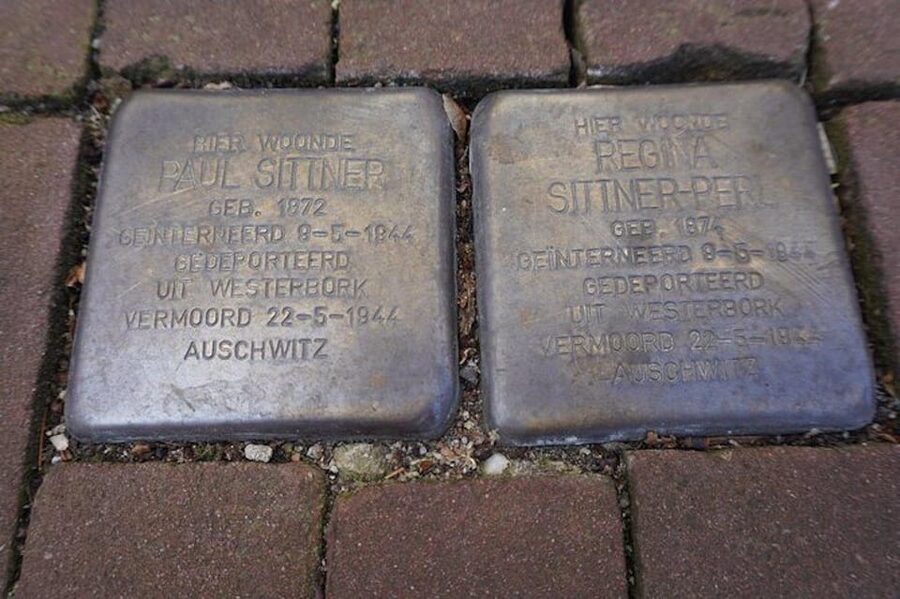
The tour also covers two major WWII events tied to Amsterdam’s final wartime period: the February Strike and the Hunger Winter. These aren’t just dramatic chapter titles. They help you grasp how daily life deteriorated and how people reacted when conditions became unbearable.
The February Strike is important because it shows public resistance under pressure. It helps you see that resistance was not only secret or distant. Even in a city under occupation, people still took action.
Then the Hunger Winter brings the story down to survival. You learn about the harsh effects in the ending months of the war, when hunger and desperation shaped everything. Hearing this on foot, in the Jewish Quarter, makes the theme of resilience feel less like a slogan and more like a lived experience.
If you take notes, this is a section where you’ll likely want to write down the timeline your guide gives you, so the late-war sequence stays clear.
Anne Frank’s Story and the Diary: Why This Tour Uses More Than One Viewpoint
This tour has a special focus on the life and legacy of Anne Frank, especially the idea of the Frank family going into hiding. What’s useful is that your guide connects her story to the wider WWII context around it.
You’ll also learn how Anne Frank’s diary became a lasting window into the human experience during the Holocaust. That point matters because it explains why her story survived when so many others were erased. The diary becomes more than literature. It becomes evidence, and it becomes memory.
I like that the tour doesn’t treat Anne Frank as a standalone monument. It places her family inside the occupation story, including why people hid, how hiding worked, and what consequences followed. If you already know the diary’s general arc, you’ll still benefit from this “place-based” telling.
Also, if you’re visiting Amsterdam primarily for Anne Frank sites, pairing it with deportations, February Strike context, and the Hunger Winter makes the experience feel more complete.
Guide, Pace, and What English Adds
This is a small-group walking tour led by a local licensed guide in English. That matters more than it sounds. A good guide can connect street layout to history, and English delivery makes it easier to follow names, dates, and key events without effort.
Based on the feedback about guide quality, the leadership appears to be a strong point, often described as very good and kind. For a topic like this, tone and clarity are everything. You want someone who can explain hard events without turning them into a cold script.
The pace is set for two hours, so you should expect walking time between stops and a steady flow of stories. If you love long museum hours, plan to do that afterward on your own time, not during the walk.
Price and Value: What $34 Gets You in Two Hours
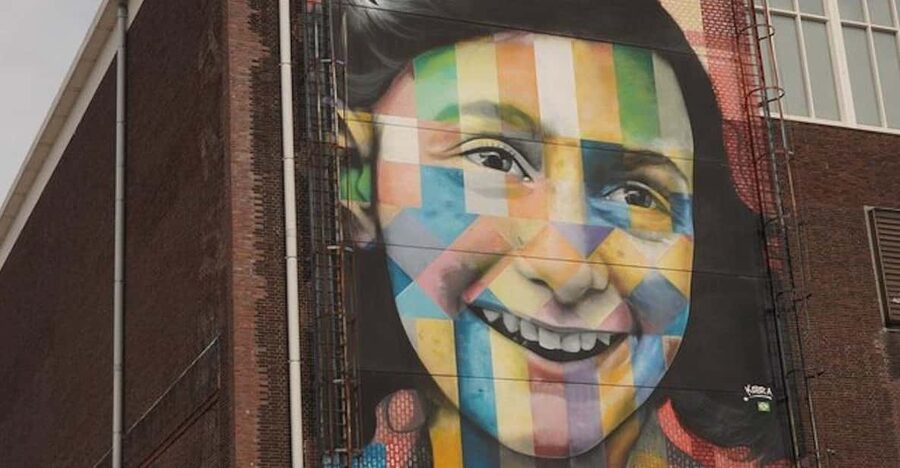
At around $34 per person for a two-hour, small-group guided walk, you’re paying for access to a licensed local guide and a tight route connecting several major WWII learning points. The price feels reasonable if you value narrative context, because the tour’s strength is how it stitches together multiple themes, not just one photo stop.
You’re not paying for transport, because hotel pickup and drop-off are not included. You also won’t get food or drinks as part of the ticket. That’s normal for city walking tours, but it means you should plan a snack or water before or after, especially since the topics are intense and you may forget to eat until you notice you’re hungry.
Where the value really shows up is in the “guided understanding.” Visiting landmarks on your own is possible, but you might miss the connective tissue, like how the deportations topic links to broader occupation policies, or how February Strike and Hunger Winter fit into the late-war timeline.
Practical Planning: What to Wear and How to Get the Most Out of It
Because you’re on foot for two hours, wear comfortable walking shoes. You’ll also want a light layer, since Amsterdam weather can change quickly, and riverside starts can feel cooler than inland streets.
Come with a small plan. If Anne Frank is your top focus, keep an eye out for how your guide ties her hiding story to the occupation timeline. If you’re more interested in the wider Jewish community story, listen closely for community history elements around the synagogue and museum stops.
And if you prefer your history to include both suffering and resistance, this route is built for that. It doesn’t only say what happened. It also gives you the courage thread, especially around the Dutch resistance.
Who Should Book This Tour (and Who Might Reconsider)
This tour is a strong fit if you want a guided, place-based explanation of Amsterdam under Nazi occupation. It’s also a good choice if you’re already familiar with Anne Frank and want the neighborhood and WWII events that shaped her story.
You might want to reconsider if you’re looking for a light or casual walk. This is WWII themed, with deportation and hunger winter topics, so it’s emotionally serious.
On accessibility, the information provided is a bit mixed. The tour is listed as wheelchair accessible, but it is also marked not suitable for wheelchair users. If you rely on wheelchair access, I’d treat this as a must-check situation with the operator before booking. Streets, stop transitions, and pacing all matter in a walking tour, and you deserve clear answers.
Should You Book This Anne Frank & WWII Walking Tour?
If you want an efficient, guided way to understand Amsterdam’s Jewish Quarter during WWII, I think this is a solid booking. The route covers the famous Anne Frank story and adds the context that makes it more meaningful: deportations, the February Strike, and the Hunger Winter. That blend is exactly what many people miss when they only do one landmark.
Book it if you like walking tours with real education value and you want a local licensed guide to connect the dots. Skip or postpone it if you need a fully gentle experience, or if accessibility details do not match your needs, given the mixed wheelchair information.
FAQ
How much does the Anne Frank and World War II walking tour cost?
The price is $34 per person.
How long is the tour?
The tour lasts two hours.
Where do we meet for the tour?
You meet close to the door of the H’ART Museum on the Amstel riverside.
What is included in the ticket?
The tour includes a local licensed guide. It is offered in English.
Is food or drink included?
No. Food and drinks are not included.
What is the cancellation policy?
Free cancellation is available up to 24 hours in advance for a full refund.
Is the tour wheelchair accessible?
The information states the tour is wheelchair accessible, but it also says it is not suitable for wheelchair users. You should confirm details with the provider before booking.
Are pets allowed on the tour?
No, pets are not allowed.
Newest on the canal ring
- Amsterdam Bike Food Tour with Private Guide★ 5.0 · 1 review
- Amsterdam: Rijksmuseum Private Tour with an Art Historian★ 5.0 · 1 review
- Happy B-day Amsterdam! Guided Tour with a History Buff★ 5.0 · 1 review
- Local Foodie Adventure in Amsterdam★ 5.0 · 1 review
- Private Photo Shoot in Amsterdam with a Professional Photographer★ 5.0 · 1 review
- Private day trip to Giethoorn and the Enclosing Dike★ 5.0 · 1 review
- Private Sightseeing Tour to Giethoorn from Amsterdam incl. canal cruise★ 5.0 · 1 review
Anne Frank House Tickets, compared.

Amsterdam Anne Frank: Small-Group Walking Tour & Local Guide
Read our review →
Anne Frank’s Story – Guided Walking Tour through Amsterdam
Read our review →
Anne Frank Guided Walking Tour in DE/EN/IT/ES
Read our review →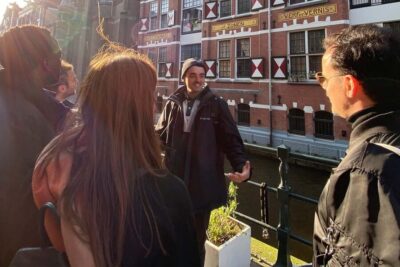

Anne Frank Walking Tour Amsterdam Including Jewish Cultural Quarter
Read our review →
Anne Frank’s Last Walk & See Anne Frank House in Virtual Reality
Read our review →
Anne Frank and Jewish Quarter Amsterdam Private Walking Tour
Read our review →
Anne Frank’s Last Walk & Visit Anne’s House in VR
Read our review →Browse the lists this tour appears in