Reviewed · TOURS
“The 10 Most Polluted Masterpieces: A Sustainable Digital Tour”
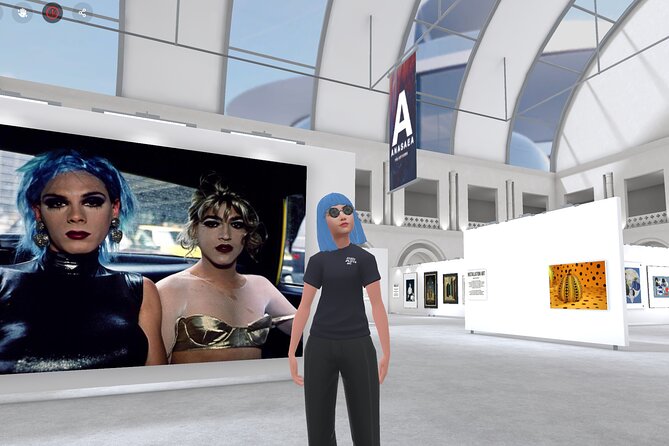
Art meets climate math online. The 10 Most Polluted Masterpieces is a digital, interactive tour where an avatar guide leads you through sustainability and conservation themes tied to damaged artworks, all in about 10 to 30 minutes. It is priced at $12.51 and delivered as a mobile-friendly experience, so it is easy to fit into a travel day.
I like how the format is structured around a clear theme: ten “polluted masterpieces,” presented as an education in why art care matters. I also like the human touch from accounts that mention the guide being the artist herself, including Annelies, explaining her thought process and the details behind the exhibition. One thing to consider: because the session is digital and time-boxed, you may not get the long, slow, in-person art-viewing experience some people want.
In This Review
- Key Highlights You Should Expect
- What This Sustainable Digital Art Tour Actually Feels Like
- The Top 10 Polluted Masterpieces Theme, And Why It’s More Than Scary Facts
- Your Avatar Guide, And The Benefit Of Artist-Style Explanation
- Ten Stops In One Short Session: How To Get The Most Out Of It
- Price And Value: $12.51 For A 10 To 30 Minute Lesson
- Timing In Amsterdam: The 5:00 PM Window Works With Dinner Plans
- Online Meeting Point, Mobile Ticket, And Simple Access
- The Art Setting People Describe: A Seminary-Style Mood And Local Details
- Sustainability And Conservation: How The Tour Connects The Dots
- Who This Tour Is Best For (And Who Might Want Something Else)
- Should You Book The 10 Most Polluted Masterpieces?
- FAQ
- How much does The 10 Most Polluted Masterpieces cost?
- How long is the tour?
- Is the tour offered in English?
- Do I get a mobile ticket?
- Is it a private tour?
- What are the operating hours in October 2026?
- Where is the meeting point?
- Are service animals allowed?
- Can I cancel for free?
Key Highlights You Should Expect
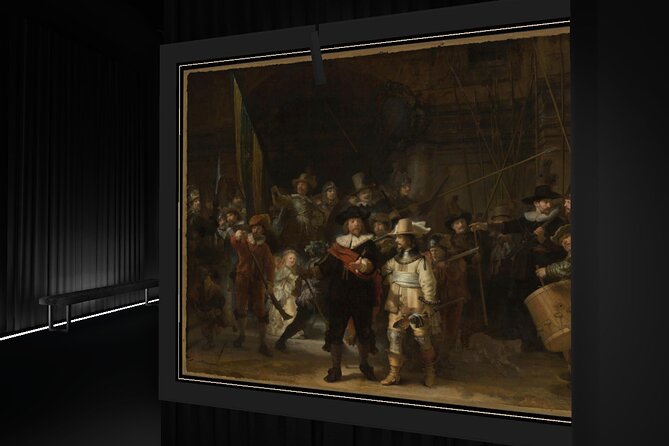
- A top-10 structure focused on pollution and why it affects art and materials
- Avatar-led guidance designed to keep you moving through the story
- Artist-style explanations that connect the exhibition to creative process (not just facts)
- Short on time, focused on meaning (10 to 30 minutes)
- Mobile ticket friendly for a quick start and simpler access
- Private group format so the tour is aimed at your circle only
What This Sustainable Digital Art Tour Actually Feels Like
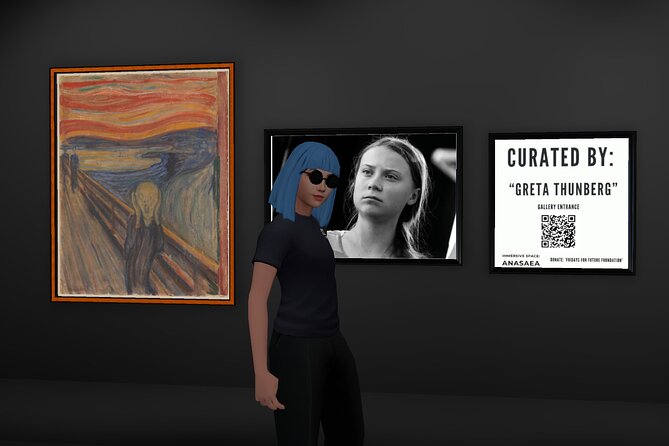
This is not a “watch a video and hope for the best” kind of activity. The way it is described makes it more like a guided walkthrough, with a guide logged in as an avatar and an interactive flow centered on sustainability. Your job is simple: show up at the scheduled time and follow along.
The “top 10” concept matters because it gives the tour a spine. Instead of scattering sustainability facts around art, it funnels you through ten works, each used to explain a conservation angle. That is a good fit if you want your learning to be organized, not random.
The tone also seems deliberately practical. Even in accounts of the experience, people highlight that the guide explains their ideas clearly, including process and inspiration. That suggests you will spend your time understanding the why behind the art conservation message, not just staring at images.
Weighing this against the rest? A few more from Amsterdam:
- Amsterdam: Heineken Experience Ticket including 2 Drinks
★ 4.6 · 36,014 reviews - Amsterdam Classic Saloon Boat Cruise with Drinks and Cheese
★ 5.0 · 31,825 reviews - Amsterdam Luxury Canal Cruise + Unlimited Drinks & Bites option
★ 5.0 · 30,518 reviews
The Top 10 Polluted Masterpieces Theme, And Why It’s More Than Scary Facts
Calling these works “the most polluted masterpieces” sounds dramatic, but the value is how it frames consequences. Pollution is usually treated like a broad environmental headline. Here, you get a direct bridge from air and environment to something concrete: artworks that require care and protection.
What you will likely notice in the tour is that conservation is treated as part of sustainability, not as a separate museum-only concern. That is the key mental shift. When you connect pollution to materials, pigments, surfaces, and long-term preservation, you stop thinking of “conservation” as a niche hobby and start seeing it as climate-smart stewardship.
Also, the tour theme suggests you will encounter a mix of art appreciation and real-world thinking. Ten paintings is enough to teach patterns without dragging you through a full afternoon lecture. If you have limited time in Amsterdam, that matters.
Your Avatar Guide, And The Benefit Of Artist-Style Explanation
One of the strongest signals in the accounts is that the tour can be guided by the artist herself. In one detailed mention, the guide is named Annelies, and participants appreciated how she explained her thoughts and process, not just the exhibition.
That kind of guidance is what turns a “topic” into something personal and memorable. If the guide is sharing what they were thinking while shaping the experience, you get more than interpretation. You get intention, and you see how conservation and sustainability can connect to creative choices.
If you prefer tours where the explanation feels conversational and grounded, this style is a plus. It also helps you avoid the “museum voice” problem, where you feel like you are reading labels instead of learning.
Ten Stops In One Short Session: How To Get The Most Out Of It
You should expect the tour to move through the ten featured paintings as discrete learning moments. Even if the tour does not list every painting name in the details you receive beforehand, the structure tells you the pacing will be guided, with each segment building on the last.
Here is how to make those ten stops work for you:
- Listen for the link between pollution and the specific conservation issue being discussed.
- Watch how the guide frames sustainability as action, not just awareness.
- If there is an interaction element, use it. Ask what matters most for protecting art over time.
A short session is not a weakness if you treat it like a first pass. Think of it as an art and conservation primer that helps you decide what you want to look up later in a museum or online.
The drawback is simply time. If your goal is deep art-historical context for each painting, you may want a longer follow-up. This tour looks designed for momentum and clarity, not for a long, slow scholarship session.
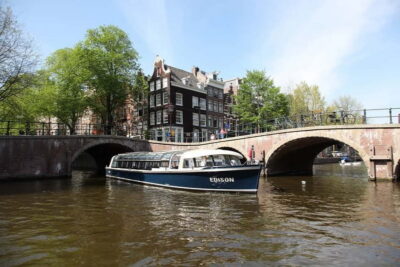
A different use for the same hours in Amsterdam:
Price And Value: $12.51 For A 10 To 30 Minute Lesson
Let’s talk value in plain terms. At $12.51 per person for a 10 to 30 minute guided experience, the tour is priced more like an education add-on than a major attraction. That is good news if you are the type who likes to sample something meaningful without committing your whole day.
Where the value really comes from is the focus:
- a tight time window,
- an English tour option,
- a private format for your group,
- and a theme that connects art directly to sustainability and conservation.
If you are traveling with friends and you want something compact that still feels thoughtful, this fits. If you want a hands-on workshop, this will likely feel more like a guided talk plus visuals. But for the money and the time, it can be a strong “smart stop” in a busy itinerary.
Timing In Amsterdam: The 5:00 PM Window Works With Dinner Plans
The listed operating times are limited to weekdays in October 2026, from 5:00 PM to 5:30 PM. That might sound narrow, but it can be a sweet spot if you like late afternoons. You can do a museum or canal walk earlier, then use this as a focused finishing course before dinner.
Also, because the session is delivered online, you avoid the “where do we park” problem and the “we missed the bus” stress. You still need to be on time, but you are not fighting city logistics.
One consideration: if your trip dates are outside the October 2026 window, you will need to check alternative dates or sessions. The schedule is specific, so plan around it.
Online Meeting Point, Mobile Ticket, And Simple Access
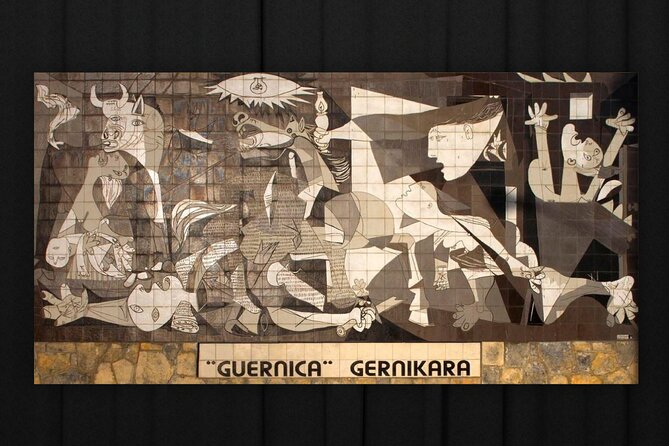
The tour is described with an online meeting setup. Practically, that means you will join from your device at the scheduled time, rather than walking into a physical gallery space.
You also get a mobile ticket, which usually means less hassle with paper confirmations. In a short tour like this, simplicity matters. The less time you spend figuring out logistics, the more you spend listening and learning.
The address listed as the meeting point is Paleisstraat 107, 1012 ZL Amsterdam, and the activity ends back at the meeting point. Even if you join online, that address matters as the reference point for the activity details.
The Art Setting People Describe: A Seminary-Style Mood And Local Details
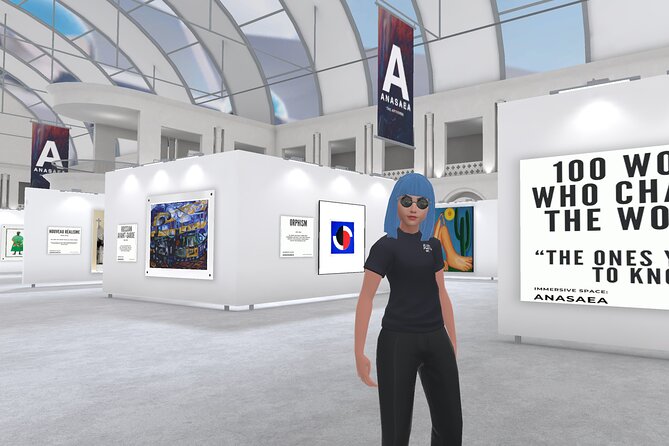
Some accounts describe the experience in a way that feels surprisingly place-based. Mentions include a beautiful old seminary courtyard, now functioning as a hotel, near a Duomo in the town of Acqui Terme. People also mention the guide explaining the exhibition clearly and even a closing moment involving a taste of the original Acqui Terme spring water.
Now, you should not assume every session replicates those exact local details. But these comments tell you something important about the experience approach: it can connect art to environment, and it can include small, memorable touches that make the lesson feel like more than screen-time.
If you like experiences that mix art talk with atmosphere, this theme will appeal. If you hate anything that feels too “theatrical” or too narrative, you might want to keep your expectations strictly to the educational part.
Sustainability And Conservation: How The Tour Connects The Dots
The central promise is sustainability and conservation. The best part of that pairing is the mental reframing. Pollution is not only about human health or outdoor scenery. It is also about the preservation of cultural objects that hold meaning across generations.
You can expect the tour to treat conservation as a sustainability issue. The ten paintings are likely used as examples to show how art care connects to environmental responsibility. That matters because it gives you a more layered understanding of what sustainability means in practice.
Instead of ending with guilt, this kind of tour should leave you with curiosity. Why these works? Why now? What can be done to slow damage? That is the emotional arc that tends to make these experiences stick.
Who This Tour Is Best For (And Who Might Want Something Else)
This is a strong match for you if:
- you want an art-related activity that is time-efficient,
- you are interested in sustainability through a creative lens,
- you prefer guided explanations over self-guided browsing,
- and you like the idea of a private group experience.
It might be less perfect if:
- you want a long deep-dive into individual art history,
- you need a fully in-person visual experience,
- or your schedule cannot accommodate the weekday evening window in October 2026.
One extra note: the activity says most people can participate, and service animals are allowed. That is helpful if you travel with accessibility needs.
Should You Book The 10 Most Polluted Masterpieces?
If you want a smart, compact way to connect art with sustainability, book it. For $12.51 and a short 10 to 30 minutes, you are getting a guided, theme-driven experience centered on conservation, plus the chance to hear strong explanations, including artist-led insights like those linked to Annelies.
If your idea of art travel is long museum wandering and reading every label, this may feel too short. But if you want something thoughtful you can do in an evening, it is an easy yes.
FAQ
How much does The 10 Most Polluted Masterpieces cost?
It costs $12.51 per person.
How long is the tour?
The duration is approximately 10 to 30 minutes.
Is the tour offered in English?
Yes, it is offered in English.
Do I get a mobile ticket?
Yes, the experience includes a mobile ticket.
Is it a private tour?
Yes, it is a private tour or activity, and only your group will participate.
What are the operating hours in October 2026?
The listed hours are Monday through Friday from 5:00 PM to 5:30 PM during 10/01/2026 to 10/31/2026.
Where is the meeting point?
The activity is online, and the start point is listed as Paleisstraat 107, 1012 ZL Amsterdam, Netherlands. The activity ends back at the meeting point.
Are service animals allowed?
Yes, service animals are allowed.
Can I cancel for free?
Yes. You can cancel for a full refund up to 24 hours in advance of the experience start time.
Newest on the canal ring
- Amsterdam Bike Food Tour with Private Guide★ 5.0 · 1 review
- Amsterdam: Rijksmuseum Private Tour with an Art Historian★ 5.0 · 1 review
- Happy B-day Amsterdam! Guided Tour with a History Buff★ 5.0 · 1 review
- Local Foodie Adventure in Amsterdam★ 5.0 · 1 review
- Private Photo Shoot in Amsterdam with a Professional Photographer★ 5.0 · 1 review
- Private day trip to Giethoorn and the Enclosing Dike★ 5.0 · 1 review
- Private Sightseeing Tour to Giethoorn from Amsterdam incl. canal cruise★ 5.0 · 1 review
Tours, compared.
Zaanse Schans, Edam, Volendam & Marken Bus Tour
Read our review →
Amsterdam Anne Frank: Small-Group Walking Tour & Local Guide
Read our review →
Anne Frank’s Story – Guided Walking Tour through Amsterdam
Read our review →
Big Bike tour Amsterdam – See all in 3 unforgettable hours
Read our review →
Guided Zaanse Schans, Windmills & Cheese Tour
Read our review →