
Reviewed · AMSTERDAM
Your Own Amsterdam: Must Eat. Discovering The Dutch Cuisine!
Dutch food is a shortcut to Amsterdam. This 3-hour walking tour uses what’s on your plate to explain why Dutch life tastes the way it does, from national favorites to city lore.
I like the clear focus on traditional Dutch bites. I also like that you finish with a real-culture moment in a 17th-century brown bar atmosphere, not just a meal stop.
One thing to consider: some tastings involve raw fish and alcohol. If you’re traveling with young children or if anyone is pregnant, it’s smart to flag that ahead of time so you can swap in alternatives.
In This Review
- Key things I’d circle before you go
- Dutch cuisine, told through food stops (not lecture notes)
- Starting at Café Brasserie Meuwese, and why the first stop matters
- Amsterdam-Centrum tastings: herring, eel stories, cheese picking, and bitterballen basics
- Herring is treated like a national dish for a reason
- Smoked eel and the food-rebellion story
- Cheese selection that teaches you to shop like a local
- Oysters and the surprising link to mushroom pickers
- Bitterballen, plus the fast-food side of Dutch comfort
- Pie, chocolate, and beer: how sweets and sips carry the stories
- Chocolate and beer, explained as more than just treats
- Pie in a magical spot
- Chocolate chip cookies, with their own mini story
- Beyond Amsterdam streets: colonial-era dishes, farm dinners, and modern favorites
- Why this breadth is good value
- The social side: farmers, aristocrats, hipsters, and the bourgeois
- The 17th-century brown bar finale at Spuistraat
- Dietary restrictions, kids, and raw fish and alcohol reality
- Price and value: what $235 buys in 3 hours
- Who this tour suits best in Amsterdam
- Should you book this Dutch cuisine tour?
- FAQ
- How long is the tour?
- Where does the tour start?
- Where does the tour end?
- What’s included in the price?
- Is dietary restrictions accommodated?
- Are there tastings with raw fish and alcohol?
- What group size is this?
- What languages is the guide available in?
- What is the price per person?
Key things I’d circle before you go
- 10 tastings in 3 hours, including one drink, so you sample widely without committing to a full meal
- Herring, cheese, and bitterballen are treated like story topics, not just random samples
- A private guide (or small group) means the pace and choices can match your preferences
- A 17th-century brown bar finish ties the tour to the way Amsterdam drinks and socializes
- Alternatives are available if you have dietary restrictions, plus extra care for raw fish and alcohol
Dutch cuisine, told through food stops (not lecture notes)
Amsterdam can feel like a museum with snacks. This kind of tour flips it. Instead of walking past history like a backdrop, you taste your way through it.
What makes it work is the structure: 3 hours, 10 tastings, plus a guide who keeps the story moving. You get food and drinks, but you also get context for why certain dishes became famous, how specific cravings shaped local habits, and what people used to eat across social classes. The tour is also designed to feel personal, not one-size-fits-all, since it’s private or small group and guided around your preferences.
Also, the pace is ideal for a first visit. You’re not trying to eat a whole day’s worth of Dutch food. You’re getting a guided sampler that helps you understand what to seek out later on your own.
Weighing this against the rest? A few more from Amsterdam:
- Amsterdam: Heineken Experience Ticket including 2 Drinks
★ 4.6 · 36,014 reviews - Amsterdam Classic Saloon Boat Cruise with Drinks and Cheese
★ 5.0 · 31,825 reviews - Amsterdam Luxury Canal Cruise + Unlimited Drinks & Bites option
★ 5.0 · 30,518 reviews
Starting at Café Brasserie Meuwese, and why the first stop matters
You meet in front of Café Brasserie Meuwese. That’s more than just a convenient pin on a map. Starting at a café-brasserie kind of location sets the tone: food first, stories second, and everything practical.
Before you even hit the tastings, you’ll get an easy orientation from your guide. That matters because the rest of the tour is built around contrasts. You go from classic Dutch essentials like herring and cheese to darker-flavored city tales, to sweets, to drinks in traditional settings. Having your bearings early helps you enjoy the variety instead of feeling like you’re just collecting bites.
If you’re the type who likes to ask questions, this is a good format. You’ll spend enough time with the guide to get answers that connect what you’re tasting with what you’re seeing outside.
Amsterdam-Centrum tastings: herring, eel stories, cheese picking, and bitterballen basics
This is where the tour earns its must-eat label. Amsterdam-Centrum is your base for the traditional-food storytelling, and the tastings are chosen to teach you how Dutch people think about taste.
Herring is treated like a national dish for a reason
The tour frames herring as a top national dish and then builds the meaning around it. You’ll hear the story behind why it’s so central, not only as a snack but as part of Dutch identity. You also get the “how to interpret it” angle, so it’s less random and more purposeful when you taste it.
A different use for the same hours in Amsterdam:
Smoked eel and the food-rebellion story
One standout theme is the story behind smoked eel riots. It sounds dramatic, and the point isn’t to turn your walk into a crime documentary. The point is to show how food can trigger strong feelings, shaped by economics, supply, and local culture. When you taste something smoked and intense later, you’ll understand why people might have cared so much.
Cheese selection that teaches you to shop like a local
You’ll learn how to pick good cheese. That’s practical value, and it’s the kind of knowledge you can use again after the tour. Dutch cheese isn’t just about flavor. It’s about texture, age, and pairing. Even if you’re not an expert, the guide’s approach helps you stop guessing in cheese shops.
Oysters and the surprising link to mushroom pickers
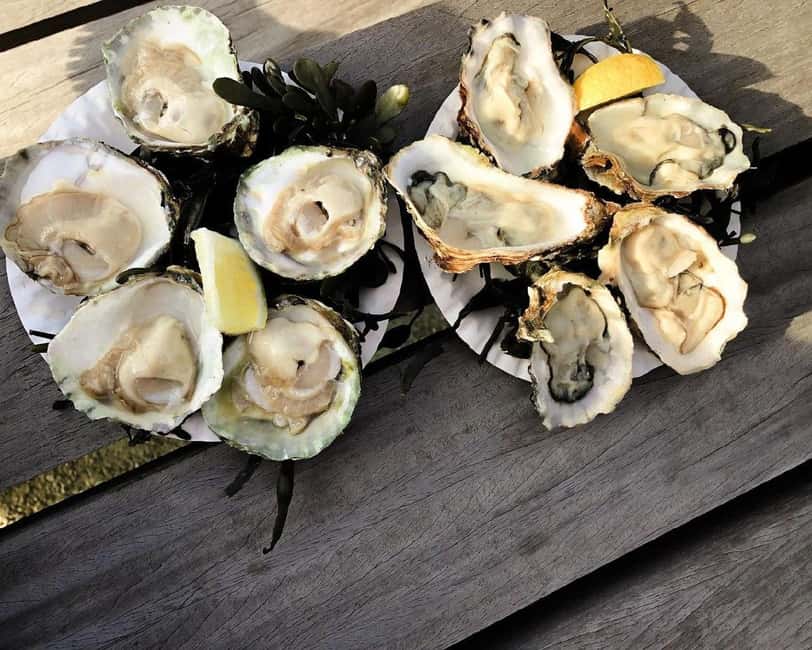
Oysters delight mushroom pickers, yes, it’s a very Dutch kind of detail. The tour uses that kind of connection to show how food habits travel with the seasons and with the people who go out to gather and hunt ingredients. If you’ve ever wondered why the Netherlands seems so specific about seafood and harvest traditions, this is the style of answer you’ll get.
Bitterballen, plus the fast-food side of Dutch comfort
You’ll taste classic Dutch bitterballen, those crunchy, savory bites that show up in casual settings for a reason. You also move beyond “sit-down meal” thinking. There’s time for Dutch fast-food style treats and the street-level version of how people eat when they want something filling and easy.
What you’ll enjoy most here: the way each stop has a reason, so the bites don’t blur together.
Possible drawback: because the tour covers a lot of different categories, it can feel intense if you prefer one cuisine at a slow, restaurant pace.
Pie, chocolate, and beer: how sweets and sips carry the stories
Dutch cuisine isn’t just savory. This tour makes sure you taste the lighter side too, and ties it back to culture.
Chocolate and beer, explained as more than just treats
You’ll hear how chocolate and beer can change the world. That line might sound like marketing, but the underlying idea is solid: food and drink often connect to trade, technology, and social habits. When you taste something sweet afterward, you’ll be able to place it in a bigger story than just dessert.
Pie in a magical spot
The tour includes pie in a magical spot. While you’re walking, you’ll notice how the city turns small corners into memorable moments. The pie stop is designed to be more than calories. It’s a rest point and a sensory reset between heavier tastes.
Chocolate chip cookies, with their own mini story
A best chocolate chip cookie moment shows up with a narrative angle too. It’s not just taste testing. It’s the tour’s way of saying Dutch food culture includes modern comfort food alongside older traditions.
This section is ideal if you like balance. You’ll get savory hits, then a gentler, sweeter landing that keeps you from feeling stuffed too early.
Beyond Amsterdam streets: colonial-era dishes, farm dinners, and modern favorites
One of the smartest parts of this tour is that it doesn’t lock you into one narrow slice of Dutch food. You sample from multiple “modes” of Dutch eating.
You’ll taste colonial-era exotic dishes, farm dinners, and modern favorites. The guide’s job here is to connect these categories to the way the Netherlands historically traveled, traded, and shaped its pantry. Even without getting a textbook, you’ll leave with a sense that Dutch cuisine is a mix of practical survival food, trade influences, and refined tastes.
Why this breadth is good value
If you’ve ever tried to do Dutch food on your own, it’s easy to get stuck in just a few obvious hits like cheese and herring. This tour fills in the gaps with enough variety that you understand the “why” behind the flavors you see in shops and cafés.
The social side: farmers, aristocrats, hipsters, and the bourgeois
The tour explicitly threads food through different social worlds. That matters, because you stop thinking of Dutch cuisine as one uniform thing. You start noticing how people eat differently depending on their lives and their status, even when ingredients overlap.
And because the tour is a guided walk, you’re not just tasting in one room. You’re moving through scenic streets while you build the mental map of what belongs where.
The 17th-century brown bar finale at Spuistraat
The tour ends at Spuistraat with a 17th-century brown bar experience. This is a clever finish, because it’s where Dutch drinking culture gets its setting.
In this kind of bar, local beer and liquors are part of the story, not a separate add-on. It’s the natural close to your tasting arc: you’ve sampled savory classics, you’ve learned how sweets fit in, and then you end with a drink setting locals recognize.
If you’re a beer person, this finale is the payoff. If you’re not, it still works because the guide can frame what you’re sipping in the broader Dutch food-and-drink culture.
Dietary restrictions, kids, and raw fish and alcohol reality
The tour is open to all and says it can handle dietary restrictions with exciting alternatives. That’s important, because the Netherlands is seafood-forward, and many classic snacks include elements that don’t work for everyone.
Still, you should plan for the reality that some tastings involve raw fish and alcohol. If you’re traveling with pregnant women, children, or anyone who needs to avoid raw fish or alcohol, tell the provider in advance. The tour’s promise is that you’ll be offered something else not less exciting and delicious, but you need to communicate your needs early so options are ready.
Practical move for you: bring a short list of what to avoid, and also tell them what you can eat. The more specific you are, the easier it is for the guide to match you with alternatives that feel like real Dutch choices, not plain replacements.
Price and value: what $235 buys in 3 hours
At $235 per person for a 3-hour private-guide experience with 10 tastings including one drink, you’re paying for two things at once: access and curation.
A simple way to look at value is cost per tasting slot. If you divide $235 by 10 tastings, you’re around $23.50 per tasting on paper, before even factoring in the drink and the guide time. That sounds steep until you remember you’re also paying for someone to guide you through decisions you might struggle with on your own, like cheese selection and knowing what to order.
You’re also not choosing between a pricey restaurant meal and a bunch of random street snacks. You’re getting a structured sampling where each stop has context, so you can come back later and order with confidence.
Who gets the best value: couples, small groups, and first-time visitors who want Dutch flavor variety without spending hours researching menus.
Who this tour suits best in Amsterdam
This is a great fit if you want a guided “food map” of Amsterdam and Dutch cuisine in one go.
It’s especially good for:
- You want to understand Dutch dishes beyond taste, including the stories behind them
- You like beer culture and want a traditional ending
- You prefer a private or small-group pace over a big crowd tasting line
- You’re curious about how everyday food ties to social life, not just culinary technique
It might be less ideal if:
- You hate fish or alcohol categories and don’t want to request alternatives
- You prefer restaurant-style dining where you can sit and slow down for a full meal
Should you book this Dutch cuisine tour?
I’d book it if you want an efficient, story-driven way to learn Dutch food fast. The combination of 10 tastings, herring and cheese education, and a brown bar finale gives you both variety and practical takeaways you can use later.
If you’re picky, go in with a clear message about what you need to avoid. The tour says alternatives are available, and that’s your best insurance policy for a smooth experience.
If you want a simple rule: book it when you’re hungry for meaning as much as flavor. If you just want one famous dish in one place, you can probably do that cheaper on your own.
FAQ
How long is the tour?
The tour lasts 3 hours.
Where does the tour start?
You meet in front of Café Brasserie Meuwese.
Where does the tour end?
The tour finishes at Spuistraat.
What’s included in the price?
You get a private guide and 10 tastings, including one drink.
Is dietary restrictions accommodated?
Yes. It says it is open to all without dietary restrictions, and if you have any restrictions, you should let them know so they can offer exciting alternatives.
Are there tastings with raw fish and alcohol?
Some tastings involve raw fish and alcohol. If your group includes pregnant women or children, you should let them know so alternatives can be offered.
What group size is this?
It offers private or small groups.
What languages is the guide available in?
The live tour guide is available in English, Russian, and Ukrainian.
What is the price per person?
The price is $235 per person.
Newest on the canal ring
- Amsterdam Bike Food Tour with Private Guide★ 5.0 · 1 review
- Happy B-day Amsterdam! Guided Tour with a History Buff★ 5.0 · 1 review
- Amsterdam: Rijksmuseum Private Tour with an Art Historian★ 5.0 · 1 review
- Local Foodie Adventure in Amsterdam★ 5.0 · 1 review
- Private Photo Shoot in Amsterdam with a Professional Photographer★ 5.0 · 1 review
- Private day trip to Giethoorn and the Enclosing Dike★ 5.0 · 1 review
- Private Sightseeing Tour to Giethoorn from Amsterdam incl. canal cruise★ 5.0 · 1 review