
Reviewed · AMSTERDAM
Your Own Amsterdam: The Art Underground
Art hides in plain sight, and Amsterdam loves to play. This private, 2-hour station-to-station tour turns your commute into a guided walk through archaeology, modern art, and design choices you usually miss.
Two things I like a lot. First, it is a true private experience, so it feels focused and calm, not a rushed group scramble. Second, the guide matters, and Maria is described as patient and very knowledgeable, pointing out specific local details along the way (including the area around de Pijp market). One watch-out: you need to plan for underground metro tickets because they are not included in the price.
In This Review
- Key takeaways before you go
- Why Amsterdam stations feel like museums
- Where you start, where you finish, and how the timing works
- Centraal Station: tulip mania, trade, and the power of big crowds
- Rokin Station archaeology: what’s older than the station itself
- Vijzelgracht and Nieuwemarkt: Dutch music and the politics of metro lines
- Noorderpark and the Amsterdam School: architecture with social meaning
- Amsterdam-Noord: ecosystem, flora, fauna, and public art
- Price and metro tickets: does it feel worth it?
- Who should book The Art Underground?
- Practical tips to get more out of every stop
- Should you book this tour or skip it?
- FAQ
- How long is the Art Underground tour?
- Is this tour private?
- Where does the tour start and end?
- Is the tour offered in English?
- What is included in the price?
- Are metro tickets included?
- Are admission tickets required for the stops?
- Can I cancel and get a full refund?
Key takeaways before you go
- Private tour feel: only your group participates, so questions land faster.
- Stations as storyboards: each stop uses art to explain Amsterdam’s past and present.
- Archaeology in public spaces: Rokin includes excavations more than 2000 years old.
- Design plus politics: Nieuwemarkt touches why early metro lines sparked strong local resistance.
- Architecture theme: Noorderpark focuses on the Amsterdam School and its influence.
- Noord nature meets public art: Amsterdam-Noord links ecosystem, flora, fauna, and what you see outside.
Why Amsterdam stations feel like museums
You might think Amsterdam art lives in canals, churches, and big galleries. This tour flips that idea. You spend your time in places built for movement, not art worship, yet the messages are surprisingly direct. Stations become living classrooms, using murals, installations, and station themes to talk about climate, trade, colonialism, and everyday culture.
For me, the best part is that you are not just “looking at art.” You are learning why certain works were placed where they were, and what the city chose to highlight for millions of daily passersby. It makes Amsterdam feel less like postcards and more like a place with opinions.
Also, the pacing fits real life. It is about 2 hours total, with short stops that give you time to read, listen, and ask questions without turning the whole thing into a slog.
Weighing this against the rest? A few more from Amsterdam:
- Amsterdam: Heineken Experience Ticket including 2 Drinks
★ 4.6 · 36,014 reviews - Amsterdam Classic Saloon Boat Cruise with Drinks and Cheese
★ 5.0 · 31,825 reviews - Amsterdam Luxury Canal Cruise + Unlimited Drinks & Bites option
★ 5.0 · 30,518 reviews
Where you start, where you finish, and how the timing works
The tour meets at Stationsplein 13a, 1012 AB Amsterdam. It ends in Amsterdam-Noord. That start-to-finish route is part of the value. You are not just looping back to the same neighborhood where you began.
Expect a mix of walking and station time. The itinerary shows six focused stops, each around 15 minutes, so you should be able to keep energy up. There is also the practical bonus that the meeting area is near public transportation, so getting there is usually straightforward.
One more thing to plan: parts of the experience involve the underground metro. You will need metro tickets because they are not included. The tour price covers the guide and the guided experience, not transit fares.
Centraal Station: tulip mania, trade, and the power of big crowds
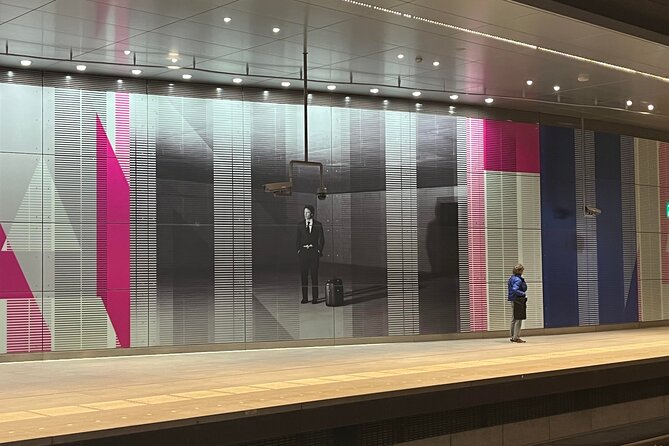
Centraal Station is one of Europe’s busiest transit hubs. The tour frames it like a “moving museum” by pointing out that more than ten million people pass through annually. That scale matters. When so many people flow through a space, the art placed there becomes public messaging, not just decoration.
At this first stop, you are guided through artworks that connect to major themes in Dutch history and identity. You will hear how the visuals tie into local climate, history, and events like tulip mania. You also look at connections to Dutch East-India trade and colonialism. It is not abstract either. The art is treated as a way to interpret the city’s big story without needing a textbook.
What to watch for: Centraal can be noisy and crowded. If you are the type who likes quiet viewing, give yourself permission to focus on the guide’s specific pointers. Listening closely helps you “see” more than you could on your own.
Rokin Station archaeology: what’s older than the station itself
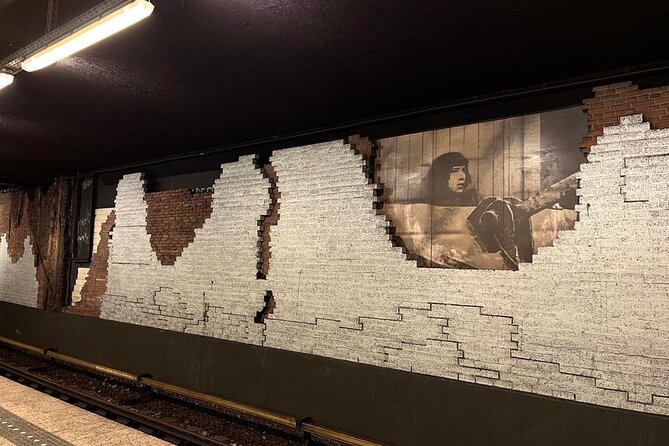
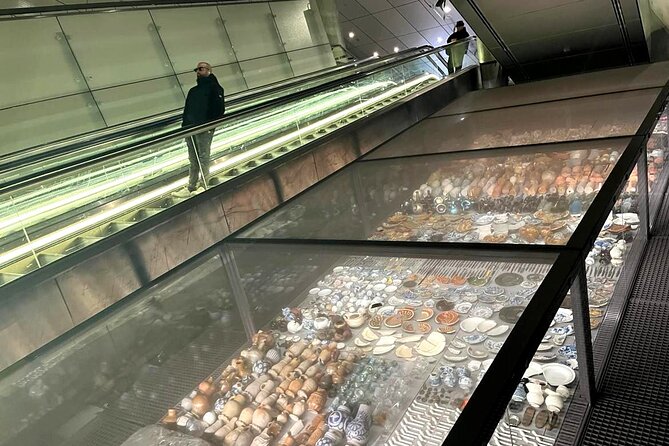
Rokin Station is where the tone gets extra interesting. Instead of focusing only on modern art, the tour turns your attention to archaeological excavations found there. Some of the materials are more than 2000 years old, which is wild to consider when you are standing in the middle of a modern metro environment.
This is one of the stops that makes the whole tour feel like more than a gimmick. You are not just taking photos of station walls. You are learning how Amsterdam layers time, building over older layers while still preserving clues.
A practical note: since the stop is short (about 15 minutes), it helps to arrive ready to listen. If you drift into “train spotting mode,” you will miss the connections the guide makes between what you see and what the city discovered.
A different use for the same hours in Amsterdam:
Vijzelgracht and Nieuwemarkt: Dutch music and the politics of metro lines
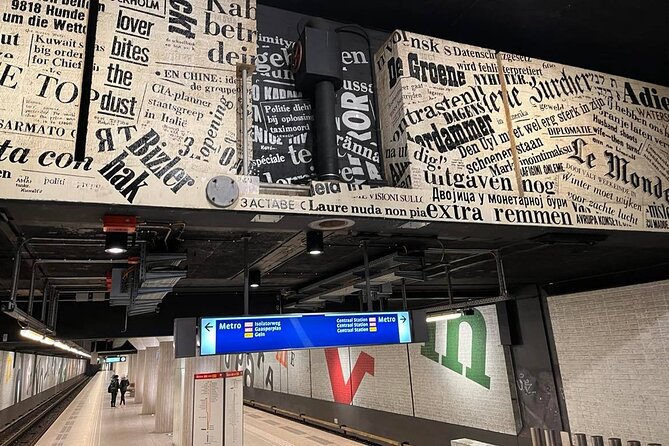
At Vijzelgracht, the theme shifts to popular Dutch music of the 20th century. This is a smart choice, because it places culture inside infrastructure. You are not being told that art belongs in galleries. You see how art and sound-related themes can shape the feel of everyday travel spaces.
Next comes Nieuwemarkt, where the tour connects art and design to a real public debate. The stop explains why the construction of the first metro lines in the 1980s triggered strong resistance from locals, and how that history still affects city life today. That angle is valuable because it treats art and space as civic decisions, not random aesthetics.
If you care about how cities evolve, you will appreciate this pairing. One stop gives you cultural memory through music. The other shows how public infrastructure can become a political and social issue. Together, they make Amsterdam feel like a place where even transit history has a point of view.
Noorderpark and the Amsterdam School: architecture with social meaning
Noorderpark is the architectural stop, focused on the Amsterdam School style and its influence on modern architecture and society. This is where the tour stops being only about what you see and starts getting into how design shapes people’s lives.
Amsterdam School is known for expressive forms and strong character. The tour uses that theme to connect historical architectural choices to broader societal influence. In other words, it is not just “pretty buildings.” It’s about how the city chose to build, and how that choice affects what people experience in the long run.
What I like here is that it makes you notice details that most people walk past. Even in quick 15-minute segments, the guide’s direction helps you pick out what makes a style recognizable and why it mattered when it was created.
Amsterdam-Noord: ecosystem, flora, fauna, and public art
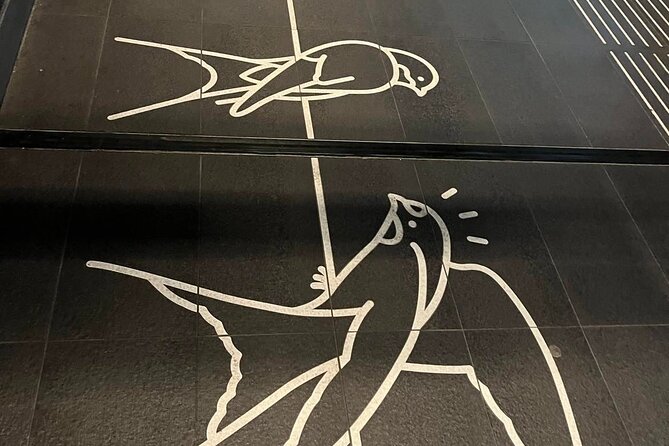
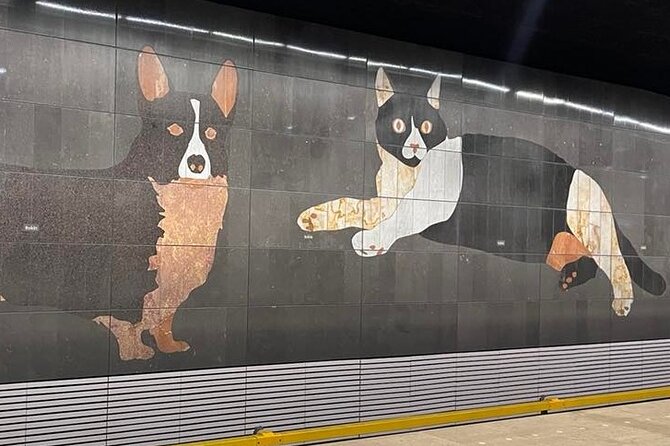
The final stop is Amsterdam-Noord, where the tour links local ecosystem and the world of flora and fauna to public art. This part changes the mood from purely historical to more environmental and observational.
Even if you are not a serious plant-and-animal nerd, you will still get value. It gives you a way to “read” public art as something connected to place, not just style. You start noticing how artists may reference local life and how city spaces can reflect the natural world around them.
Also, finishing in Noord is practical. It is a different side of Amsterdam, and walking out at the end can help you keep exploring without feeling stuck right where you began.
Price and metro tickets: does it feel worth it?
At $236.59 per person for a 2-hour private experience, you should look at the total package, not just the headline number. The price covers a guide and the guided routing through six themed stops. It also signals something important: you are paying for structured time and context, not just permission to wander.
Here is the financial reality to plan for. Underground metro tickets are 9 euros per person and are not included. You will need that on top of the tour cost. Because the itinerary uses metro stations as its set pieces, this matters.
On the plus side, there are group discounts available, and you receive a mobile ticket. Those are small details, but they affect how smooth the day feels.
My honest take on value: this tour makes sense if you care about art with explanations, archaeology, architecture, and how design connects to civic life. If you only want quick photo spots and do not care about context, you may feel like you could do stations on your own. The guide is the “multiplier” here, and Maria’s patient, detailed approach is a big part of why the experience lands well.
Who should book The Art Underground?
This tour suits you if you like structured cultural walks, especially ones that connect art to real Amsterdam stories. It is also a strong match if you enjoy themes like archaeology, metro history, architectural styles, and how public spaces communicate identity.
It also fits well for people who want a calmer experience. Being private means your group can move at a more comfortable pace and ask follow-up questions. That matters in stations, where it is easy for large groups to create constant noise.
One more practical note from the overall participation info: most people can participate. Still, because it involves transit and station environments, wear comfortable shoes and be ready for a bit of walking between stops.
Practical tips to get more out of every stop
You will get the most if you treat this like a short lecture walk, not a casual stroll. A guide-led station tour works best when you listen for the specific connections, like how a station artwork ties to tulip mania or how excavation finds relate to what Amsterdam built later.
Also:
- Bring a charged phone, even though you get a mobile ticket.
- Plan for metro tickets (9 euros per person).
- If you hate crowds, keep your expectations realistic at Centraal Station.
If you do those things, the tour feels sharp and rewarding, not scattershot.
Should you book this tour or skip it?
Book it if you want Amsterdam with context, not just scenery. This one connects stations to big themes: tulip mania, Dutch East-India trade, colonialism, 20th-century music, metro politics in the 1980s, and the Amsterdam School. It also adds the rare element of archaeology more than 2000 years old, in a place you would normally treat as pure transit.
Skip it if your travel style is purely self-guided and you do not care about explanations. You could read plaques or look at station art on your own, but you would miss the guided links that turn the route into a coherent story.
If you are trying to spend about 2 hours doing something smart and different, this is a strong choice. You end in Amsterdam-Noord, so you can keep the day going in a fresh area instead of returning to the exact same streets.
FAQ
How long is the Art Underground tour?
It is about 2 hours.
Is this tour private?
Yes. It is a private tour/activity, and only your group participates.
Where does the tour start and end?
It starts at Stationsplein 13a, 1012 AB Amsterdam, Netherlands and ends in Amsterdam-Noord, Amsterdam.
Is the tour offered in English?
Yes, it is offered in English.
What is included in the price?
The guide is included.
Are metro tickets included?
No. Underground metro tickets are not included and cost 9 euros per person.
Are admission tickets required for the stops?
Some stops are marked admission ticket free, while others are marked admission ticket not included. Plan for the possibility of entry or admission needs at stops where tickets are not included.
Can I cancel and get a full refund?
Yes. You can cancel up to 24 hours in advance for a full refund. If you cancel less than 24 hours before the start time, the amount paid is not refunded.
Newest on the canal ring
- Amsterdam Bike Food Tour with Private Guide★ 5.0 · 1 review
- Amsterdam: Rijksmuseum Private Tour with an Art Historian★ 5.0 · 1 review
- Happy B-day Amsterdam! Guided Tour with a History Buff★ 5.0 · 1 review
- Local Foodie Adventure in Amsterdam★ 5.0 · 1 review
- Private Photo Shoot in Amsterdam with a Professional Photographer★ 5.0 · 1 review
- Private day trip to Giethoorn and the Enclosing Dike★ 5.0 · 1 review
- Private Sightseeing Tour to Giethoorn from Amsterdam incl. canal cruise★ 5.0 · 1 review