
Reviewed · CITY WALKING TOURS
Amsterdam: 2.5-Hour Historic Private Walking Tour
Amsterdam hides its best clues in brick and stone. On this 2.5-hour private walking tour, I love how you get the center of Amsterdam in one focused route, with stops that explain how the city grew. You’ll see standout buildings like the House of Riga, the Begijnhof courtyard, and the Red Light District side streets without feeling rushed.
Two things I especially like: the guide shines a light on the details of old Amsterdam buildings, including gable-related features and carefully preserved corners, and the pacing makes room to actually look, not just pass by. One consideration is straightforward: you need to walk at least 45 minutes without sitting, so this tour is not a good match if you need frequent rest stops.
You start at the Victoria Hotel opposite Central station, then your private guide threads you through the eastern side of the city, ending near impressive river views and a planned pause at a major square like Rembrandtsquare or Amstelveld. Pickup in central Amsterdam is included, which makes the start feel easy instead of chaotic.
In This Review
- Key points to know before you go
- Meeting at the Victoria Hotel and how the tour starts smoothly
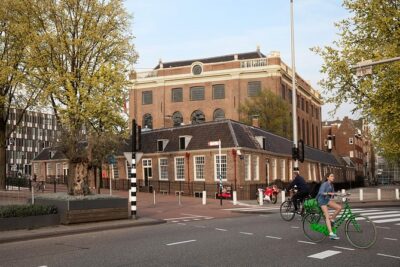
- East Side streets, gable stones, the House of Riga, and a former Hidden Church
- Red Light District lanes and Nieuwmarktsquare’s late-1400s gateway feel
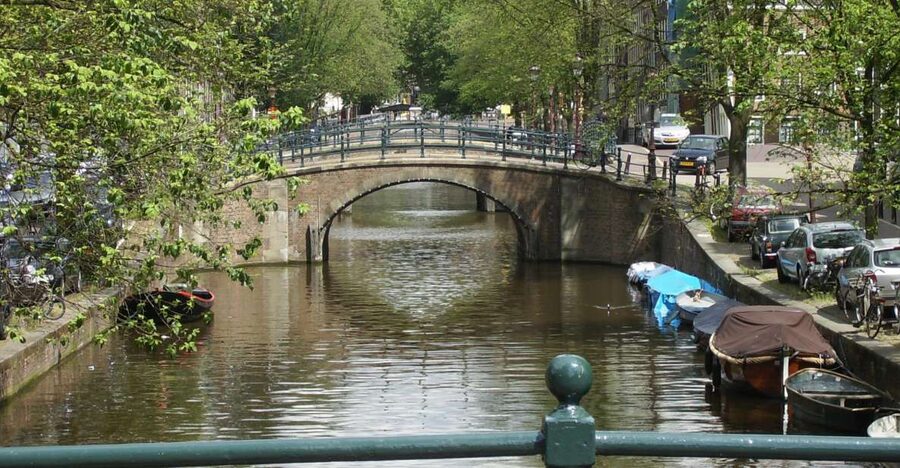
- Rembrandtsquare, the Amstel River intersections, and the Seven Bridges viewpoint
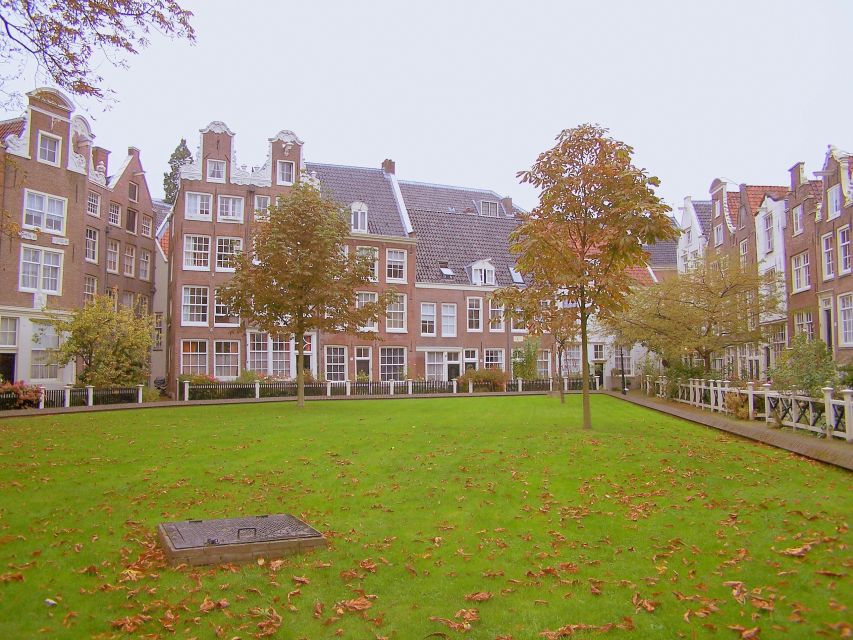
- Spui mansions, Begijnhof courtyard, and the Civic Guards Gallery with original paintings
- The break at Rembrandtsquare or Amstelveld, and how to make it count
- Price and logistics, and whether $283 for up to 4 is a good deal
- Who this tour is best for, and who should pass
- Should you book this Amsterdam private walking tour?
Key points to know before you go
- Private, up to 4 people, so the route can match your interests and how much you already know
- Old Amsterdam details, including gable stones and the stories tied to historic buildings
- Begijnhof + Civic Guards Gallery, with a courtyard feel and original paintings nearby
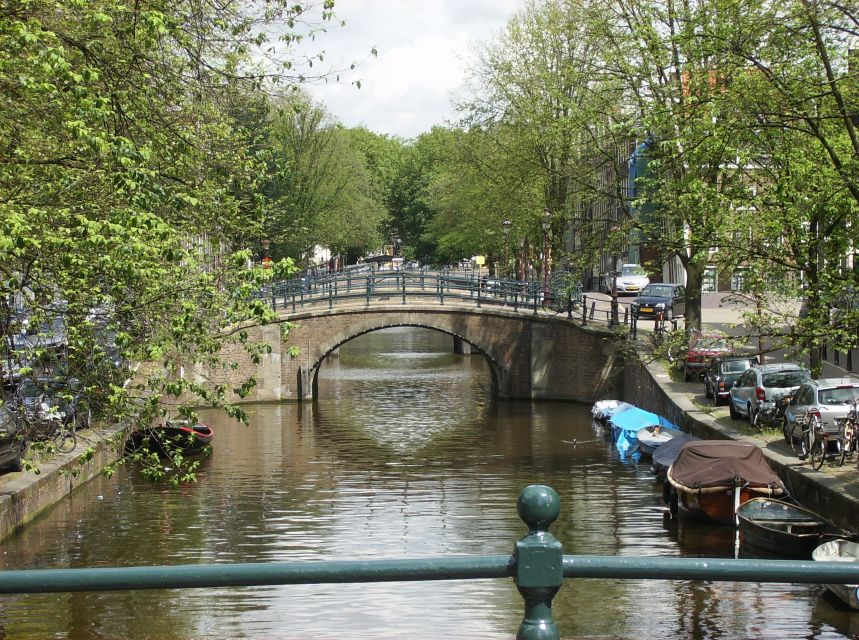
- Amstel River crossings, where classic city views come from street-level corners
- A planned break at a major square, so the walk stays enjoyable instead of exhausting
Meeting at the Victoria Hotel and how the tour starts smoothly
The tour begins at the Victoria Hotel, opposite Central station. That’s a good sign for an Amsterdam walking experience. It’s easy to find, and it puts you right where the city’s central grid starts to make sense on foot.
Pickup is included, too. If you’re staying near a hotel or railway station in central Amsterdam, your guide can meet you at an agreed spot rather than forcing you to navigate alone. This matters more than you might think, because the best parts of historic Amsterdam are spread out across canals and narrow streets. Starting clean and on time helps you spend energy on sightseeing, not on figuring out where you are.
Once you’re together, the tour quickly turns into a story walk. You’re not just handed a list of landmarks. The guide connects buildings, street layouts, and the reasons certain squares matter. That’s one reason this experience works even if you’ve visited Amsterdam before.
More of the canal ring crossed on foot:
- Amsterdam Anne Frank: Small-Group Walking Tour & Local Guide
★ 4.8 · 12,789 reviews - Anne Frank’s Story – Guided Walking Tour through Amsterdam
★ 5.0 · 11,619 reviews - Absolutely Amsterdam – the Essential Introductory Walking Tour
★ 5.0 · 3,629 reviews
East Side streets, gable stones, the House of Riga, and a former Hidden Church
The heart of the route runs along Amsterdam’s eastern side, where you can still feel how the city looked as it built up wealth, trade, and neighborhoods over time. A highlight here is the stop at the large collection of gable stones. These are the kind of details many people miss because they’re looking straight ahead, not up and along the façade lines. The guide points them out and explains what they represent in the city’s architecture.
Then you move into the world of named historic houses. The House of Riga gets a closer look, and it’s the kind of stop that helps you understand how Amsterdam’s trading links showed up in its buildings. It turns the façade from decoration into evidence.
You’ll also pass by the former Hidden Church. Hidden churches are part of Amsterdam’s religious and social history, and the idea is usually invisible unless someone tells you what you’re looking for. Even when you only see it from the right angle or a particular street approach, it changes how you read the neighborhood. Instead of thinking, I’m just walking past another old façade, you start noticing how architecture could protect and accommodate communities.
The drawback to this section is also simple: you’ll be walking and looking at close range. If you’re in the habit of checking maps constantly, this tour is better when you let the guide lead and use your eyes more than your phone.
Red Light District lanes and Nieuwmarktsquare’s late-1400s gateway feel
The tour doesn’t avoid the Red Light District. You’ll pass through some of the very narrow streets in the area, which makes it feel real. It’s not treated as a single photo stop, either. Instead, the guide uses these streets to explain how the city’s older fabric remains tight even in a modern, attention-heavy district.
That’s the useful part for you. Amsterdam’s history can sometimes feel like museum rooms in buildings. Here, you see it as a living street pattern. Narrow lanes, small corners, and the way buildings squeeze close together all tell you something about the city’s past.
From there, you go toward Nieuwmarktsquare, including a look at its former gateway dating back to the late 1400s. This is where squares matter. If you only wander, you can miss why a place like Nieuwmarkt became important. A gateway suggests control, movement, and where people entered, exited, and gathered. It helps you connect street-level views with bigger city planning.
One practical tip: wear shoes you trust. This part of Amsterdam includes cobblestones and frequent turning. If you’re used to slick sidewalks, it’s still manageable, but you’ll notice the texture underfoot while you keep your eyes up for the architecture.
Rembrandtsquare, the Amstel River intersections, and the Seven Bridges viewpoint
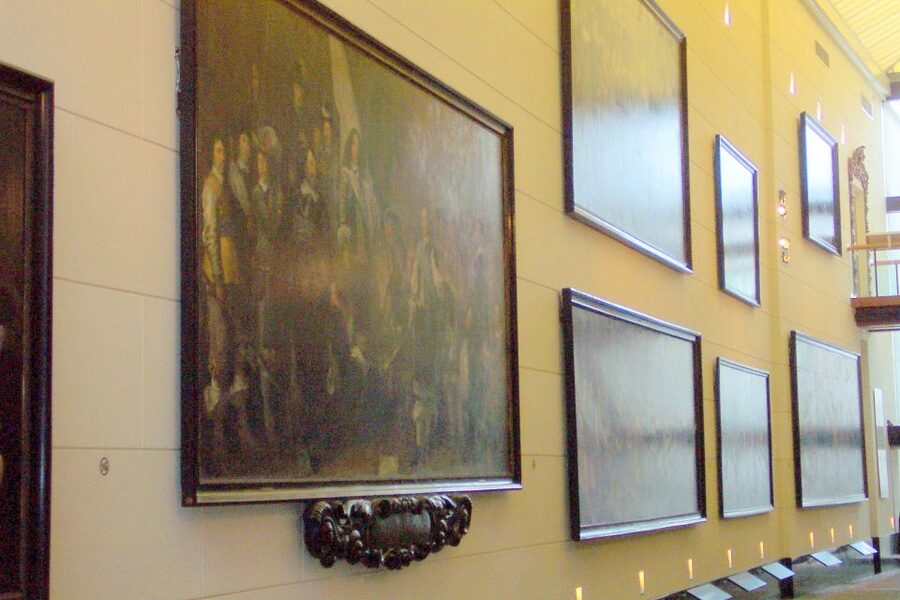
After Nieuwmarkt, you head toward Rembrandtsquare and then continue walking toward the Amstel River area. The guide’s direction matters here because Amsterdam’s best river views aren’t just at the obvious spots. You’ll get the feel of the river’s intersections by looking at corners where streets meet the water and where bridges shape the sight lines.
The route includes the Seven Bridges area, and even if you’ve heard that phrase before, seeing it from street-level and moving along it is different. From the road, canals and bridges stop being postcards and become the way Amsterdam organizes space.
This segment is also a great “orientation” moment. You start to understand why Amsterdam feels like a network. Streets connect, then suddenly a canal cuts in, then a bridge reorients you. The guide turns that into a clear explanation, so you’re not just passing through scenery.
You’ll appreciate this if you like city form and not only big monuments. Amsterdam’s power is often in the layout. This is the part of the tour that shows you the grid, the water, and the human scale at the same time.
More of the Golden Age still standing:



Spui mansions, Begijnhof courtyard, and the Civic Guards Gallery with original paintings
Next comes a more contemplative stretch. You’ll walk to the Spui, passing mansions with large late-century ornaments. These façades can look like they’re all competing for attention, but the guide helps you see the differences. That’s how you learn Amsterdam’s architectural language: not from a lecture, but from comparing what you see while you walk.
Then you reach one of the most peaceful moments on the route, the Begijnhof courtyard. This is the kind of place that changes your pace. The courtyard vibe is enclosed compared with the streets around it. If you want a break from traffic, bikes, and crowds, this stop gives you that air.
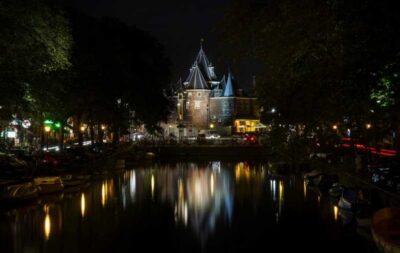
Nearby is the Civic Guards Gallery, specifically noted for its original paintings. This is a smart pairing with Begijnhof. One stop gives you the lived-in, quiet courtyard feel, and the next gives you the artistic record of how civic life was viewed. Even if you don’t know the art in advance, you’ll understand what you’re looking for because the guide frames it for this specific location.
This is also where the tour’s value shows up for people who care about details. You’re not asked to memorize dates. You’re taught how to notice the relationship between place and meaning.
The break at Rembrandtsquare or Amstelveld, and how to make it count
You get a break at either Rembrandtsquare or Amstelveld, depending on how your guide times the walk. This is more than just sitting down. It’s a chance to reset your eyes after looking at façades, signage, and narrow streets.
My advice: use the break to do a quick “what did I just learn” check. Ask yourself what link the guide made between the buildings and the squares. In Amsterdam, squares are not random. They are gathering points, civic stages, and historical entry points.
Also, don’t plan to snack as if you’re on a full-day tour. Food and drinks are not included, so it’s smart to bring water if you tend to get thirsty while walking. Even better, plan a light plan for afterward, because you may finish feeling pleasantly tired rather than drained.
Price and logistics, and whether $283 for up to 4 is a good deal
The price is $283 per group, up to 4 people, for a 2.5-hour private tour. That’s the key value math. If you’re traveling solo, the cost can feel steep compared with group tours. But if you’re a small group, it can become a bargain because you’re paying for privacy and focus, not just time.
Here’s the simple way to decide: if you want someone to steer you through Amsterdam’s details, explain what you’re seeing, and tailor the route to your pace, private is the right format. If your goal is to check off photos and you don’t care about explanations, you’ll feel the price more than the benefits.
Logistically, pickup included in central Amsterdam helps justify the private format. You spend less time figuring out where to meet and more time learning the city’s logic from the street.
One more consideration is the walking requirement. The tour expects you to be able to walk for at least 45 minutes without sitting down. Private guides can’t change the city’s terrain, so this is the line you should be honest about before you book.
Who this tour is best for, and who should pass
This is best for you if you like:
- learning from architecture, street patterns, and building details
- guided stops that take you into places like Begijnhof where the feel matters
- a private format where you can move at a comfortable pace and ask questions
It also fits well if you’ve visited Amsterdam before. The route is designed to pull you into less obvious spaces, like courtyards and hidden-feeling corners, and to interpret why those places exist.
You should skip or reconsider if:
- you cannot walk at least 45 minutes without sitting down
- you need mobility support for stairs, uneven surfaces, or frequent turns on narrow streets
The good news is that the private setting often helps with pacing, but the baseline walking requirement still applies.
Should you book this Amsterdam private walking tour?
Book it if you want an organized way to see central Amsterdam with real context, not just landmarks. The House of Riga, the Begijnhof courtyard, the Civic Guards Gallery paintings, and the river intersections around the Seven Bridges area are the kind of stops that feel worth it when a guide explains what makes them specific.
Skip it if your priority is minimal walking, or if you’re mainly after quick photo ops. This tour rewards attention and comfort on your feet.
If you’re traveling as a small group of up to four, it’s also one of the simplest private-value choices in Amsterdam: you get one guide, one route, and a clear route focus for $283 total.
If you’re good for the walking time and you like old city details, this is a smart way to spend 2.5 hours in Amsterdam.
Newest on the canal ring
- Amsterdam Bike Food Tour with Private Guide★ 5.0 · 1 review
- Amsterdam: Rijksmuseum Private Tour with an Art Historian★ 5.0 · 1 review
- Happy B-day Amsterdam! Guided Tour with a History Buff★ 5.0 · 1 review
- Local Foodie Adventure in Amsterdam★ 5.0 · 1 review
- Private Photo Shoot in Amsterdam with a Professional Photographer★ 5.0 · 1 review
- Private day trip to Giethoorn and the Enclosing Dike★ 5.0 · 1 review
- Private Sightseeing Tour to Giethoorn from Amsterdam incl. canal cruise★ 5.0 · 1 review
City Walking Tours, compared.

Amsterdam Anne Frank: Small-Group Walking Tour & Local Guide
Read our review →
Anne Frank’s Story – Guided Walking Tour through Amsterdam
Read our review →
Absolutely Amsterdam – the Essential Introductory Walking Tour
Read our review →
Anne Frank Guided Walking Tour in DE/EN/IT/ES
Read our review →


Anne Frank Walking Tour Amsterdam Including Jewish Cultural Quarter
Read our review →Browse the lists this tour appears in