
Reviewed · 2-HOUR EXPERIENCES
Amsterdam: 2-hour History & Culture tour with a Local
A good tour makes a city make sense fast. This one does that, turning Amsterdam’s big sights into a clear story about how the place works today. I love that you get a local guide, and you also get food and a small souvenir to make the walk feel complete.
What I like most is the way the guide connects the canal belt and the city center with real history, not just postcard facts. The second win is the hands-on feel, including a stroopwafel stop and practical local pointers like where to grab coffee, shop, and plan your next museum visit.
One thing to think about first: the tour covers adult themes tied to Amsterdam’s reputation, including the Red Light area, and it is not suitable for children under 12. Also, you will not go inside the Royal Palace during this walk.
In This Review
- Key moments that make this 2-hour tour work
- Getting oriented in Amsterdam, one square at a time
- Dam Square: where politics, power, and daily life share the same space
- Spui Square: an easy place to feel Amsterdam’s modern pace
- Begijnhof: calm streets that explain why tolerance shows up in daily life
- Huis Aan De Drie Grachten and the canal mindset you can actually feel
- Nieuwmarkt Square: trading past, changing present
- Amsterdam Centraal Station: WWII impact and the city’s pull forward
- The canals, bikes, and the 3 XXX topics: Amsterdam’s three big “rules”
- UNESCO canals: why the city still leans on its water
- Bikes: why there are so many, and where they go when they disappear
- Coffeeshops, prostitution, and the 3 XXX’s
- Red Light area: how the tour handles a sensitive subject
- Stroopwafel and the small end-of-tour souvenir
- The guide makes the difference: Manouk’s approach
- Price and value: $29 for two hours of city context
- Logistics you can plan for without stress
- Who should book this tour, and who might skip
- Should you book this Amsterdam history and culture tour?
- FAQ
- What sights are included on the 2-hour tour?
- Is the Royal Palace included in the tour?
- What food and souvenir are included?
- Where do I meet the guide?
- What languages is the tour offered in?
- Is the tour suitable for children?
Key moments that make this 2-hour tour work
- Stroopwafel mid-tour: a sweet Dutch break that hits right during the walking rhythm
- Manouk’s local style: friendly pacing, room for questions, and real street-level context
- Canals, UNESCO canal belt, and WWII: history you can see, explained in plain terms
- Bikes and the disappearing bike question: you’ll understand why the city looks the way it does
- Dam Square to Begijnhof to Nieuwmarkt: major landmarks plus quieter contrasts
Getting oriented in Amsterdam, one square at a time
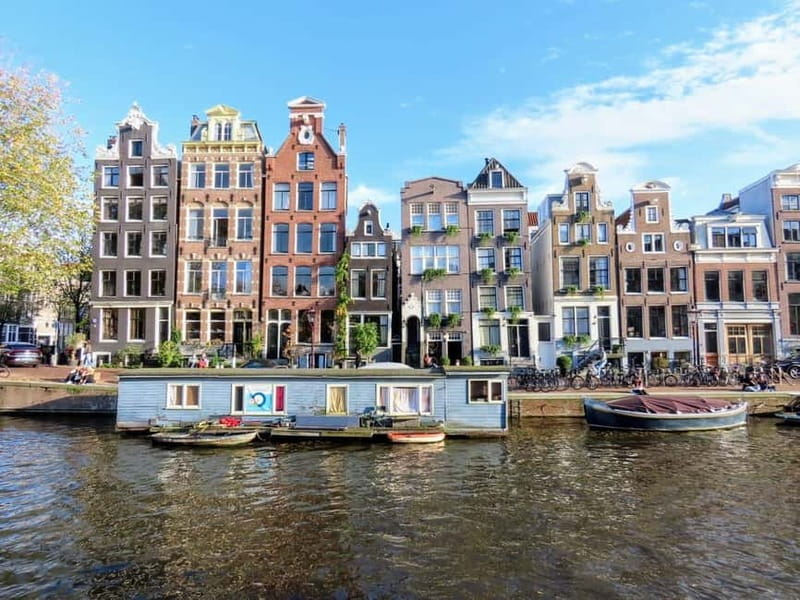
Amsterdam is easy to love and also easy to misread. Streets curve, canals split routes, and everything looks old and new at the same time. This tour is built for your first days, because it gives you a mental map in about two hours, without rushing you through the vibe.
It starts at Beursplein, by the stairs of Bistro Berlage. Look for the guide waiting near the large black lantern holding a sign that says Guidance. That early setup matters, because you start walking knowing you have a plan, not just a route.
From there, you hit the core squares that shape how people move and how stories get told in this city. Even if you have seen Amsterdam photos for years, it helps to stand in the places where those photos are actually coming from.
More of the Golden Age still standing:
- Amsterdam Food and Cultural Tour with Tastings
★ 5.0 · 4,315 reviews - Amsterdam: Historic City Centre Canal Cruise
★ 4.3 · 659 reviews - Amsterdam: Haunted History and Ghost Walking Tour
★ 4.5 · 488 reviews
Dam Square: where politics, power, and daily life share the same space
Your first major stop is Dam Square, the big center of Amsterdam’s public life. This is where you get the sense of Amsterdam as more than canals and bikes. It is also a place that gathers crowds, symbols, and national stories in one compact area.
On this stop, the guide frames the city’s evolution. You are not just hearing dates. You’re getting the bigger idea of how Amsterdam grew from a small settlement into a city that now has a reputation for being more open-minded than many places.
If you like tours that explain why landmarks matter, Dam Square is a strong start. It is a square that works as both a stage and a meeting point, so your brain clicks quickly once you see it in context.
Spui Square: an easy place to feel Amsterdam’s modern pace
Next comes Spui Square, another central piece of the city grid. It is the kind of place that helps you notice how Amsterdam keeps balancing “classic” with “today.”
This stop is useful because it shifts your focus slightly. Instead of only looking at the past, you begin to see how the city’s history still shows up in everyday choices: where people gather, how neighborhoods feel different, and how modern Amsterdam handles change.
If you tend to get overwhelmed by a new city, these mid-walk transitions are a lifesaver. The tour keeps you moving but not frantic.
Begijnhof: calm streets that explain why tolerance shows up in daily life
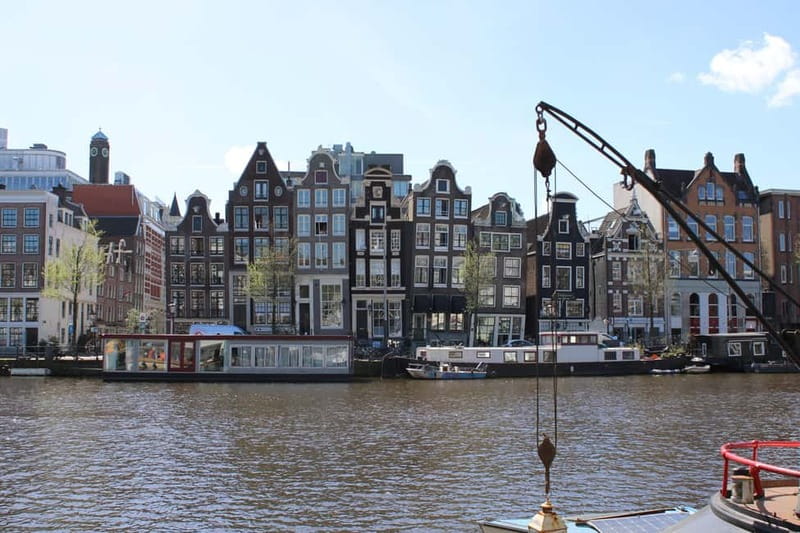
Then you reach Begijnhof, and the mood often changes the moment you step into that quieter pocket. Begijnhof is one of those places that makes tolerance feel practical, not just like a slogan.
The guide connects the city’s more liberal reputation to older roots. That is the tour’s theme, and Begijnhof supports it well because it is easy to feel that Amsterdam can be orderly, reflective, and different from the loud center nearby.
This is also a good stop for photos, but more importantly, it gives you a contrast. If Dam Square feels like the stage, Begijnhof feels like the pause button. That contrast is what helps you understand a place that can seem contradictory if you only see one side.
Some other canal-ring outings to set against this
Huis Aan De Drie Grachten and the canal mindset you can actually feel
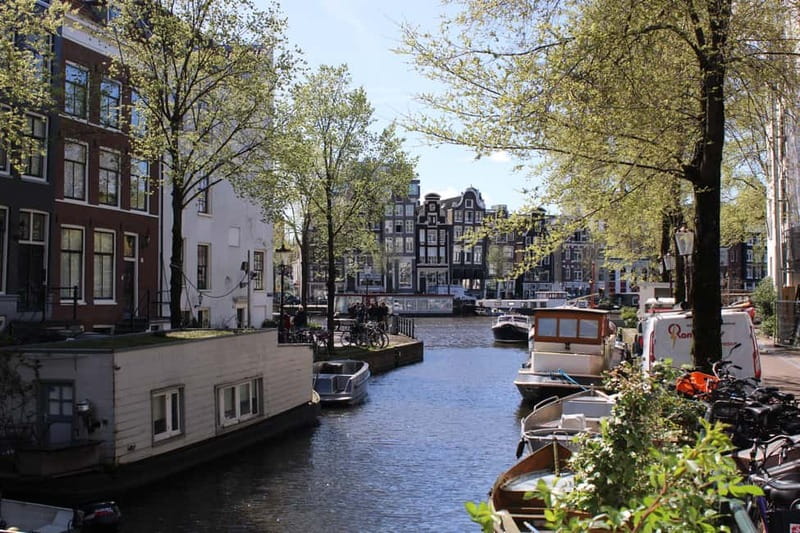
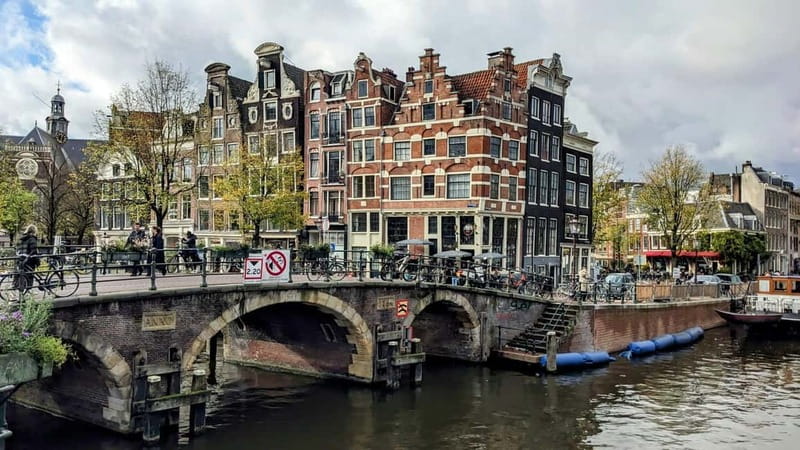
The route also includes Huis Aan De Drie Grachten. Even without getting stuck in technical details, this kind of stop signals what Amsterdam is built on: canals and the way buildings and water shape how people live.
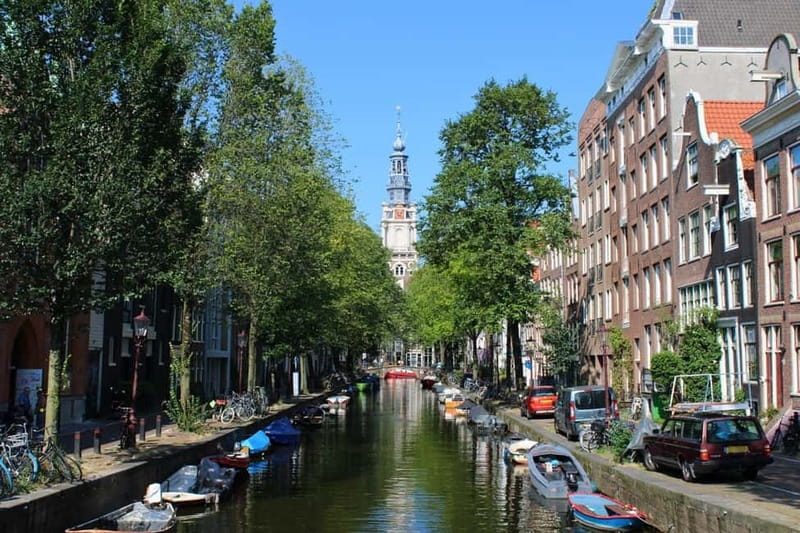
This part of the tour reinforces the importance of the UNESCO-listed canal belt. You learn what makes the canal system matter, not just that it exists. The guide’s job here is to help you see how canals connect neighborhoods, influence growth, and become part of the city’s identity.
You’ll probably notice that Amsterdam’s history is often physical. It is not hidden behind museum glass. It is in the layout, in the water, and in the way streets funnel you toward certain views.
Nieuwmarkt Square: trading past, changing present
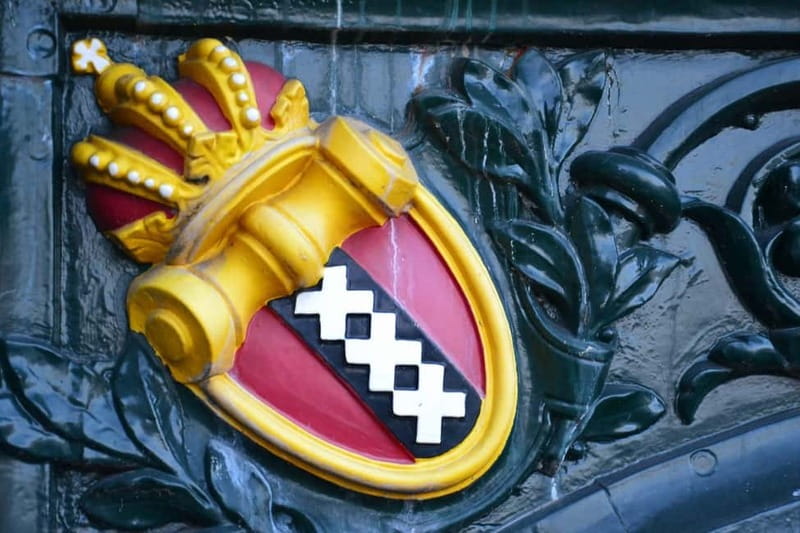
From there, you move to Nieuwmarkt Square. This stop fits the tour’s goal of showing how Amsterdam evolved to meet modern needs. Nieuwmarkt is the type of place where you can feel layers of the city shifting over time.
The guide’s storytelling style is practical here. You are not just collecting facts. You’re learning how Amsterdam’s growth created new roles for different parts of the city, and how those roles changed when the city needed to adapt.
If you like tours that connect architecture, geography, and social change, Nieuwmarkt is a solid bridge between the quiet beauty of Begijnhof and the more high-energy central areas later on.
Amsterdam Centraal Station: WWII impact and the city’s pull forward
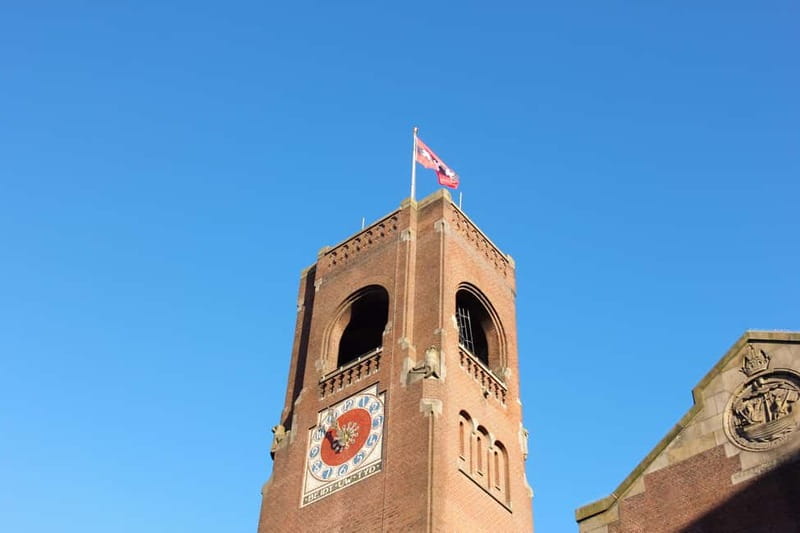
The walk finishes at Amsterdam Centraal Station area before returning to Beursplein. Centraal is a fitting landmark for a history and culture tour because it represents movement, arrival, and the modern city’s rhythm.
This is also where the guide brings up the impact of WWII. You hear how the city’s story includes destruction and rebuilding, not just romance and canals. That historical context matters because it helps explain why the city feels both timeless and practical at the same time.
Centraal can be a chaotic place if you are just passing through. Having the tour frame it for you helps you see it as more than background noise. It becomes a chapter ending to your walk, not an random transit stop.
The canals, bikes, and the 3 XXX topics: Amsterdam’s three big “rules”
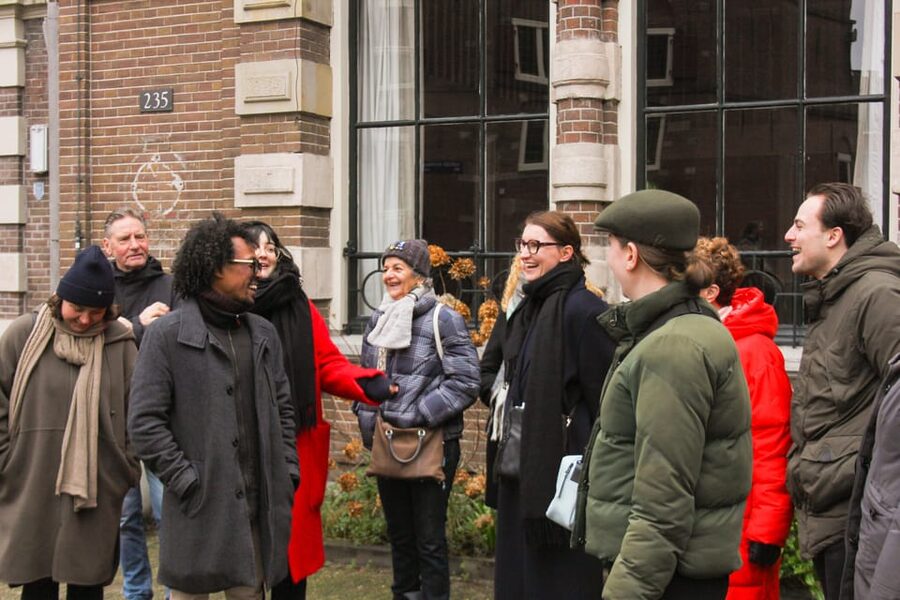
Amsterdam has a few big cultural systems, and the tour explains how they function in daily life. Three areas get special attention: the canals, the city’s bikes, and the guide’s explanation of the 3 XXX’s.
UNESCO canals: why the city still leans on its water
The canal belt gets special focus because it is UNESCO-listed. The guide helps you understand why these canals are more than scenery. They are part of the way Amsterdam historically organized space and trade, and they continue to shape the city’s identity.
Bikes: why there are so many, and where they go when they disappear
Bikes are not a side detail in Amsterdam. They are a core system. You’ll learn why there are so many, and you’ll get an explanation for what happens to bikes that seem to vanish. That answer alone tends to make people stop blaming random luck and start seeing the city’s logic.
Coffeeshops, prostitution, and the 3 XXX’s
The tour also touches on Amsterdam’s reputation through coffeeshops and prostitution and the guide’s explanation of the 3 XXX’s. You are not going to get preachy lectures. You’ll get context for why these aspects became part of Amsterdam’s public story, and how the city’s open-minded attitude connects to that history.
If you plan on visiting more areas on your own after the tour, this portion can save you time. It gives you a framework for what you are seeing and hearing.
Red Light area: how the tour handles a sensitive subject
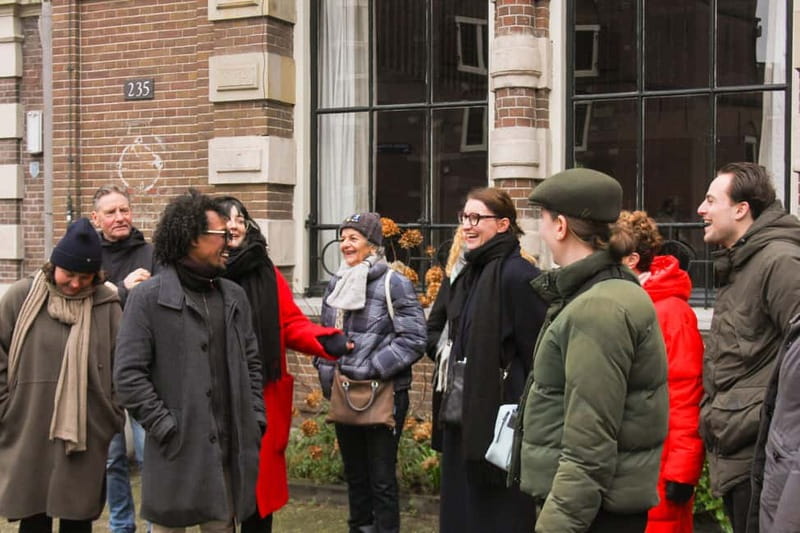
The highlights include the Red Light area, and the tour approach matters. Because this is an adult-focused topic, the experience is not suitable for kids under 12, and alcohol and drugs are not allowed.
What you can expect is a guided walk that keeps the discussion in historical and cultural context, not shock value. The goal is understanding why the area exists in Amsterdam’s modern identity and how the city’s tolerance story shows up in real places.
If you prefer tours that avoid this kind of material entirely, you might think twice. But if you want the true Amsterdam picture, this is part of it, and doing it with a guide can feel safer and clearer than wandering around on your own with no context.
Stroopwafel and the small end-of-tour souvenir
Every Amsterdam walk should include a real food moment, not just a photo stop. Here, you get to try a stroopwafel, described as the Dutch cookie, and it comes midway through the tour. That timing is smart, because you will usually want a break right when your legs start to ask questions.
You also get a small souvenir at the end. It is not just a gimmick, it is a neat way to remember what you learned while the guide is still fresh in your mind.
If you are the type of traveler who likes simple perks that actually fit the experience, this tour nails that.
The guide makes the difference: Manouk’s approach
A big reason people rate this tour so highly is the guide. Manouk comes up again and again in the strongest reviews for being friendly, engaging, and easy to talk with. Guides can either lecture, or they can pull you into the story. Manouk leans toward the second one.
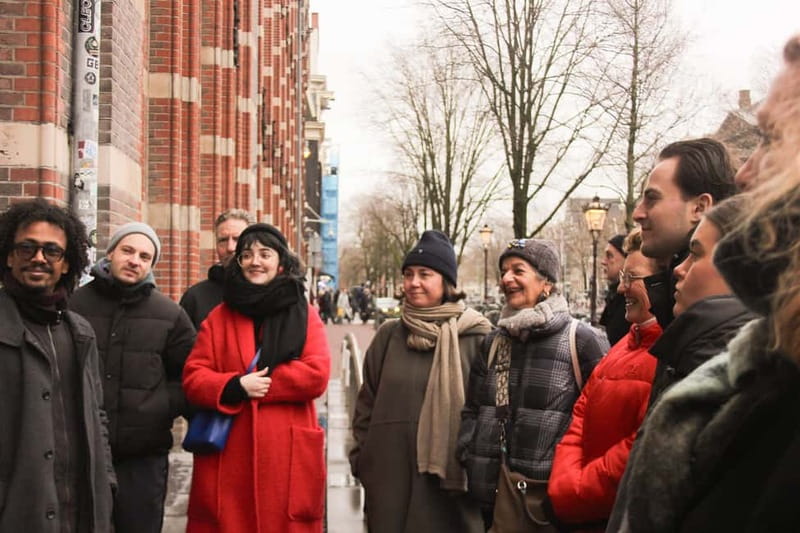
In a small group, that matters. The tour is designed as a small group and the guide encourages questions and keeps the pace comfortable. If you like chatting during a walk, this format usually feels natural.
You’ll also get practical suggestions beyond the walking route, like tips on good coffee places and ideas for bookshops, restaurants, and museums. That turns the tour into more than a history lesson. It becomes your on-the-ground planning tool.
Price and value: $29 for two hours of city context
At about $29 per person for a two-hour walking tour, the value comes from the mix of things included. You get a local guide, a Dutch snack (the stroopwafel), and a small souvenir. On top of that, the tour covers the core sights plus the cultural themes that most first-timers struggle to connect.
If you compare this to paying separately for a snack plus a guide or a timed entry elsewhere, this is a low-cost way to get a strong first pass on Amsterdam. It is also short enough that you do not lose a full afternoon if your schedule is tight.
Small-group format usually helps too. You get the guide’s attention, not just background noise from a giant herd.
Logistics you can plan for without stress
This is a walking tour, so wear comfortable shoes you actually like. The route moves through central Amsterdam squares and ends back where you started.
Language is English and Dutch, so you can count on the main story being clear. It is also listed as wheelchair accessible, which is helpful for travelers who need that option.
If you want private time, a private group is available. That can be a good fit for couples, family groups with older kids, or anyone who wants the chance to ask more detailed questions without balancing around other schedules.
Who should book this tour, and who might skip
This tour is a great match if:
- You are in Amsterdam for the first time and want a guided orientation fast
- You care about how history shapes modern city life
- You want a guide who can point you toward coffee spots, bookstores, and museums
- You like walking tours that include food and a souvenir, not just sightseeing
You might skip it if:
- You want zero focus on adult topics and the Red Light area
- You are traveling with children under 12
- You want a Royal Palace visit, because the tour does not include entry and you will not go inside
Should you book this Amsterdam history and culture tour?
If your goal is to leave Amsterdam with a clearer picture of how the city grew, how it recovered, and why it runs the way it does, this tour is an easy yes. For $29, you get a local guide, a stroopwafel moment, key central sights, and the cultural context that helps you keep understanding Amsterdam after the walk ends.
Book it early in your trip if you can. You’ll use the map your guide gives you, plus the food and planning tips, to make the rest of your days feel smoother. If you are comfortable with adult themes and you want the real Amsterdam, not a filtered version, this is one of the best ways to start.
FAQ
What sights are included on the 2-hour tour?
You’ll see major areas like Dam Square, Begijnhof, and the Red Light area, plus canal and city center highlights that help explain Amsterdam’s history and how it evolved.
Is the Royal Palace included in the tour?
No. Entrance tickets for the Royal Palace are not included, and you will not visit the palace during the tour.
What food and souvenir are included?
The tour includes a Dutch snack, which is a stroopwafel mid-tour, and you also receive a small souvenir at the end.
Where do I meet the guide?
Meet at Beursplein, waiting at the bottom of the stairs of Bistro Berlage. The guide will be by a large black lantern holding a sign that says Guidance.
What languages is the tour offered in?
The live guide speaks English and Dutch.
Is the tour suitable for children?
It is not suitable for children under 12. Alcohol and drugs are also not allowed.
Newest on the canal ring
- Amsterdam Bike Food Tour with Private Guide★ 5.0 · 1 review
- Amsterdam: Rijksmuseum Private Tour with an Art Historian★ 5.0 · 1 review
- Happy B-day Amsterdam! Guided Tour with a History Buff★ 5.0 · 1 review
- Local Foodie Adventure in Amsterdam★ 5.0 · 1 review
- Private Photo Shoot in Amsterdam with a Professional Photographer★ 5.0 · 1 review
- Private day trip to Giethoorn and the Enclosing Dike★ 5.0 · 1 review
- Private Sightseeing Tour to Giethoorn from Amsterdam incl. canal cruise★ 5.0 · 1 review
2-Hour Experiences, compared.
Amsterdam 2 Hour Small-Group Canal Cruise with Dutch Snacks & Bar
Read our review →
2-Hour Canal Cruise incl. Drinks & Dutch Snacks
Read our review →
2-Hour Luxury Canal Cruise with Snacks & Drinks
Read our review →
Amsterdam 2-hour Private Canal Cruise with Live Guide and Drinks
Read our review →
Amsterdam 2-Hour Evening Cruise With Live Guide and Bar
Read our review →
Historic Amsterdam 2-Hour Private Tour with Local Guide
Read our review →
Browse the lists this tour appears in