
Reviewed · MUSEUMS
Amsterdam: Art Zoo Museum Entry Ticket in a Canal House
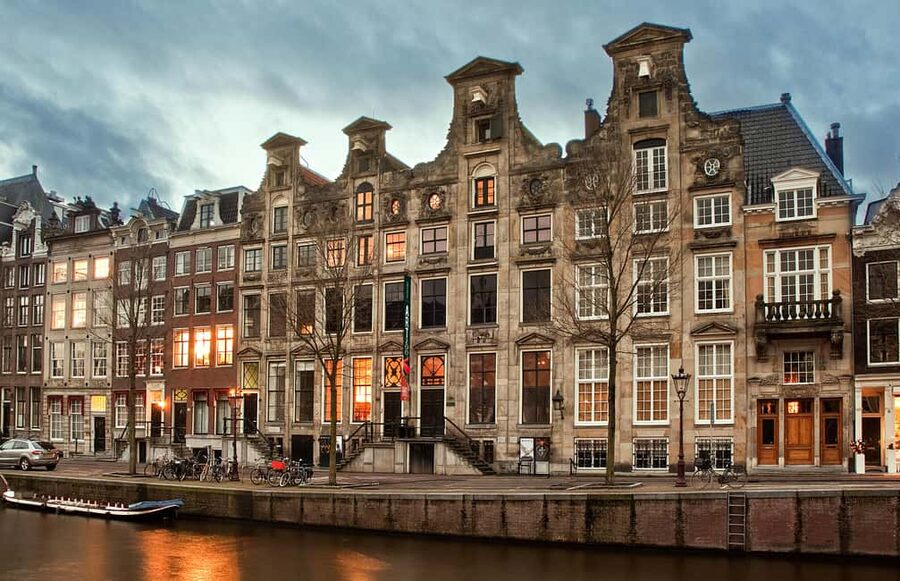
That quiet canal-house address is not what you expect. Art Zoo Museum turns the old-school cabinet of curiosities idea into animal-and-nature art you can walk through, with everything from crocodiles and tulips to a T. rex. It is all set in Amsterdam’s historic canals, inside a 17th-century building.
I really like the attention to detail in the taxidermy scenes, where feathers shimmer and eyes seem almost alive. I also like that it is self-paced, with a free audio tour that helps you slow down and actually look at what you are seeing.
One thing to weigh before you go: the museum is on the small side. If you expect a huge, hours-long museum with lots of separate wings, you may finish faster than you wanted.
In This Review
- Quick hits before you buy
- Entering a 17th-century canal house (and why it matters)
- The cabinet of curiosities idea, rebuilt for today
- Darwin, Sinke, and Van Tongeren: taxidermy that feels staged
- Aviaries and Dutch still-life vibes for birds and beyond
- Crocodiles, tulips, and a T. rex on the same route
- The historical garden and the Italian bar break
- How long 2 hours really feels
- Price and value: $20 for a small museum with strong focus
- What to bring, and what the museum will not allow
- Accessibility and allergies: plan ahead
- Who should book Art Zoo Museum?
- Should you book it? My quick decision guide
- FAQ
- How long does the Art Zoo Museum visit last?
- Is there an audio guide included?
- What languages are available for the audio tour?
- What does the ticket price include?
- Are food and drinks included with the ticket?
- Is flash photography allowed?
- Can I bring pets?
- Is the museum suitable for wheelchair users?
- What should I bring to the museum?
Quick hits before you buy
- 17th-century canal house setting that makes the art feel theatrical, not sterile
- Self-guided audio tour in many languages, with English and Dutch available
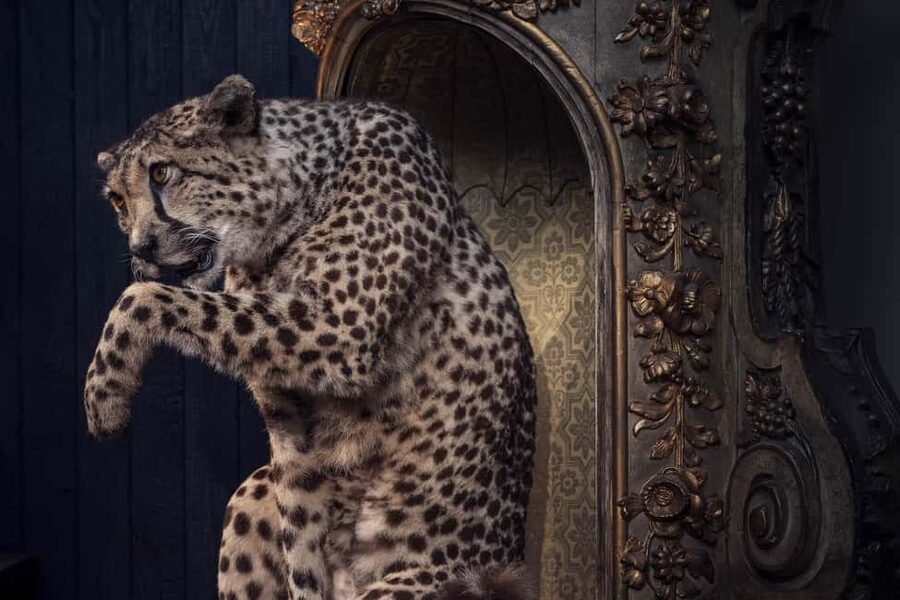
- Taxidermy art by Darwin, Sinke, and Van Tongeren presented like staged scenes
- Aviaries designed like Dutch still lifes with birds and other creatures you can study up close
- Photography-friendly lighting (flash is banned), so bring your camera seriously
- A garden and Italian bar nearby, with food and drinks not included
Entering a 17th-century canal house (and why it matters)
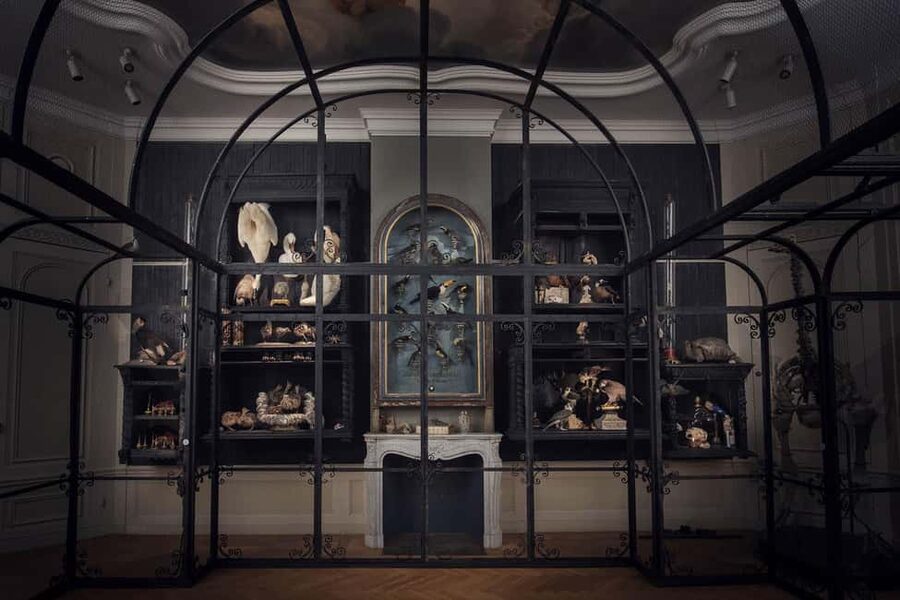
Walking into the Art Zoo Museum, you immediately get the canal-house vibe. The building itself is part of the experience. It feels like you stepped into a private space where oddities were once displayed, which makes the art approach land better.
You will want comfortable shoes. Canal houses are rarely built for long, flat corridors. The museum is not listed as wheelchair-friendly, so if mobility is a concern, plan extra time to move carefully and check your comfort level with indoor stairs and tighter passages.
Photography is allowed, but no flash. That matters here because the exhibits use lighting to make textures and colors pop. With flash off, you will get better results anyway, and you will avoid distracting other visitors.
More Amsterdam collections worth the queue:
- Amsterdam: Red Light Secrets Museum Entry Ticket
★ 4.2 · 5,722 reviews - Amsterdam’s Weirdest Museum: Ripley’s Believe It or Not!
★ 4.5 · 4,920 reviews - Amsterdam: Van Gogh Museum Ticket and City Canal Cruise
★ 4.6 · 3,899 reviews
The cabinet of curiosities idea, rebuilt for today
Art Zoo Museum is built around a modern take on the traditional cabinet of curiosities. Instead of random specimens, you get art about animals and nature, shaped like a sequence. You move from room to room like you are following a storyline, even though it is self-guided.
This is where the museum earns its ticket price, even though it is small. The point is not quantity. The point is how strongly each scene pushes you to look, then re-look. You start noticing details you would normally skip, like the way eyes, posture, and feather layers create a sense of movement.
Also, the museum’s approach is very specific about animal origins. The animals were preserved or collected by taxidermy artists Darwin, Sinke, and Van Tongeren. None came from the wild, none were bred specifically for the museum, and the animals died of natural causes. That framing helps you understand what the museum is trying to do, and it is good to know before you go.
Darwin, Sinke, and Van Tongeren: taxidermy that feels staged
The core of the experience is the lifelike taxidermy art, and yes, it is dramatic on purpose. You are meant to feel like you are in the middle of a scene, with muscles that look tense and feathers that catch the light. It is almost theatrical, like the animals have paused mid-action.
I like that the art does not ask you to pretend it is alive. It instead asks you to notice craft. When you take your time, you can see how the artists turned anatomy and texture into something that reads as emotion. That is the difference between seeing a specimen and seeing a work of art.
There is one practical tip that improves the visit a lot: use the audio guide instead of rushing. The museum’s audio helps you understand what you are looking at. One review specifically called out that the museum is small but you have to be willing to take it in through the audio guide, especially if you want the scenes to make sense.
Aviaries and Dutch still-life vibes for birds and beyond
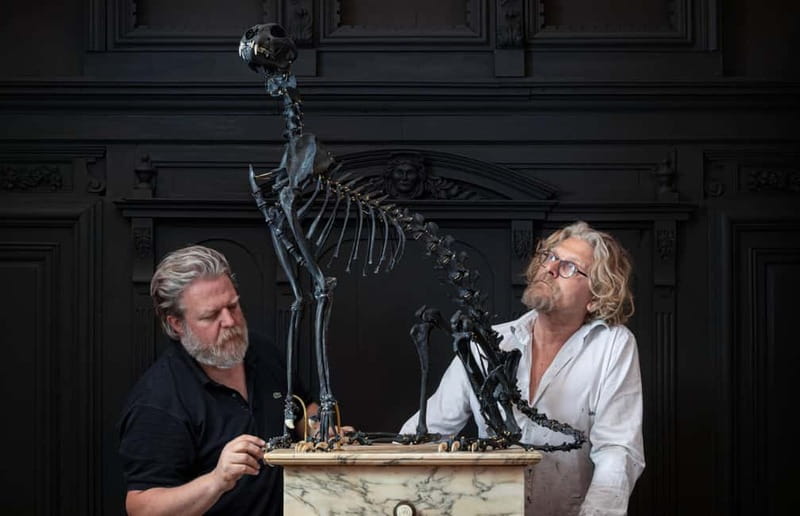
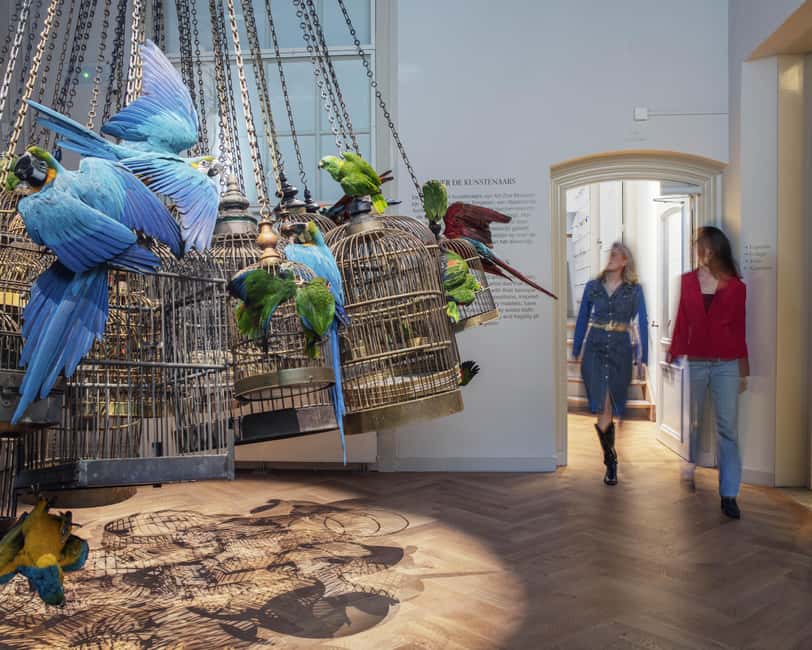
A key section is the larger aviaries. Instead of presenting animals as simple wallpaper, the exhibits position them like classic compositions. The vibe is inspired by 17th-century Dutch masters, with birds arranged and framed so they read like still lifes.
If you care about photography, this is where the museum really delivers. Directed lighting makes colors and textures look crisp, and you can get striking shots without using flash. If you like portrait-style pictures, this section rewards patience.
Expect to see colorful birds and other creatures, including snakes, woven into the same overall “nature meets art” theme. You are not just viewing animals. You are studying how the museum builds mood through placement, lighting, and scale.
Some other canal-ring outings to set against this

Crocodiles, tulips, and a T. rex on the same route
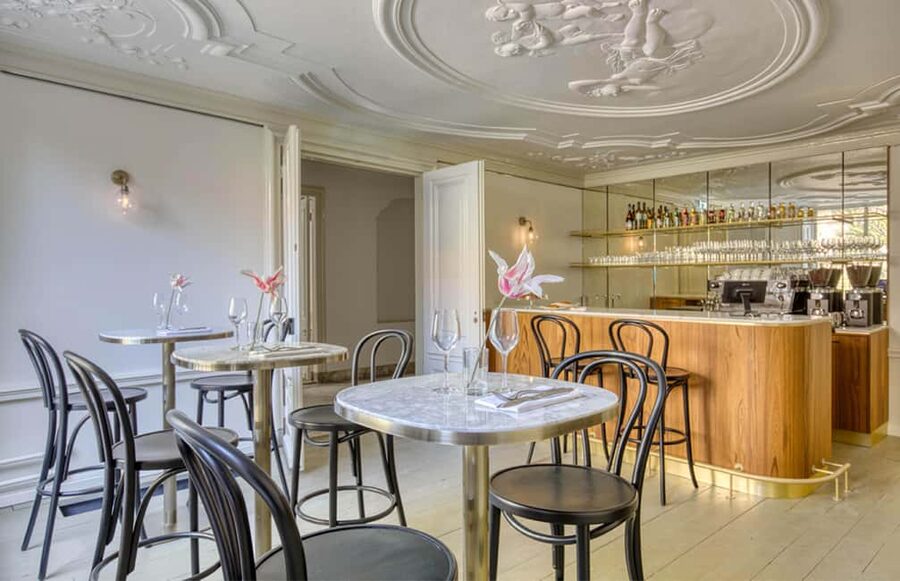
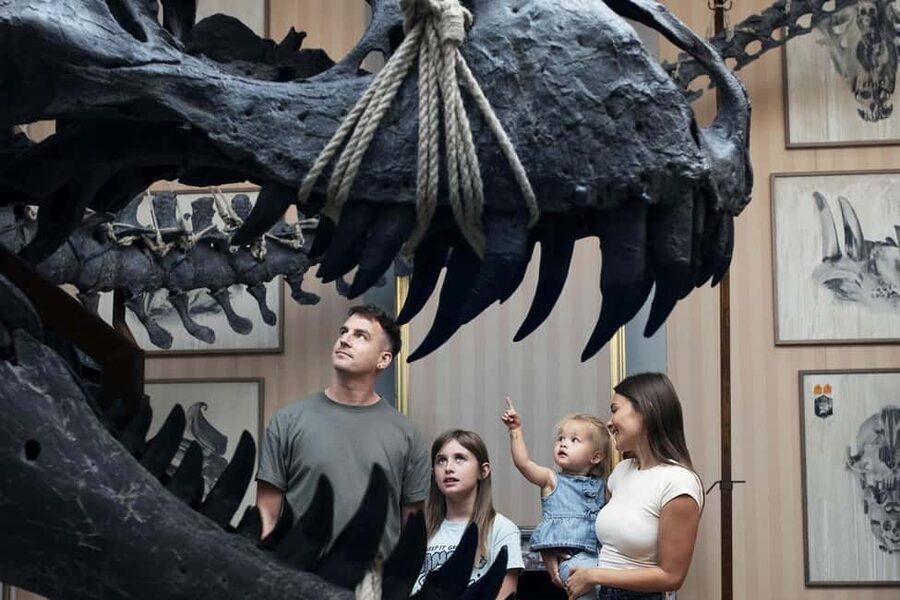
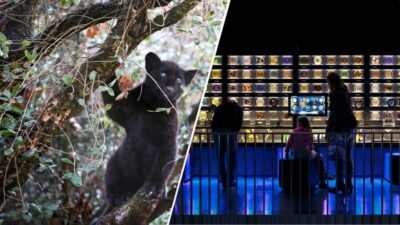
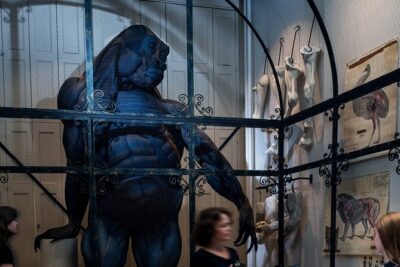
It is fun, in a slightly surreal way, that the museum jumps across the animal spectrum. You can move from crocodiles to tulip-themed elements and then to something as startling as a T. rex. The effect is like walking through a curiosity cabinet that refuses to stay sensible.
This is also why the visit stays interesting even if you are not a lifelong museum person. A typical art museum can feel like one style for hours. Here, the variety keeps your attention, so you do not feel like you are repeating the same look.
That said, if you are sensitive to animal-themed taxidermy, take your time. The museum is explicit about what it is, and it does not hide behind vague phrasing. If you know this art style works for you, you will probably love the theater of it.
The historical garden and the Italian bar break
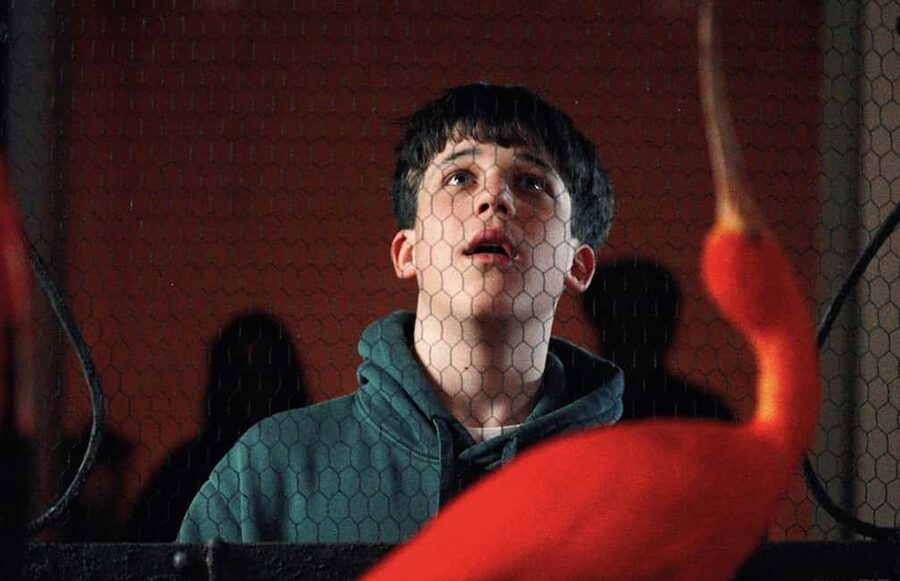
There is a historical garden and an Italian bar on site for lunch and drinks. Food and drinks are not included in the ticket, so treat this as a convenient pause rather than a value add baked into the entry price.
If you are visiting during lunch time, this is a smart way to keep the whole trip smooth. You can spend your museum energy on the exhibits, then reset in the garden and grab something to eat nearby.
One café note from reviews: a visitor highlighted that there is a nice café where you can linger. That lines up with why the garden area feels like part of the museum experience, not just a random side room.
How long 2 hours really feels
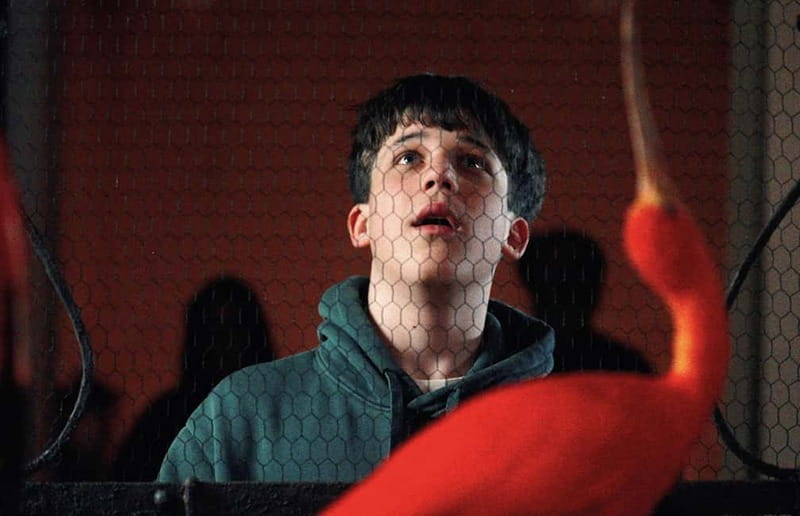
The ticket is valid for 2 hours from first activation. In practice, that is enough time to do this well if you pace yourself and actually use the audio.
A good rhythm looks like this:
- Start with the audio to get your bearings fast
- Spend extra time in the main taxidermy scenes
- Hit the aviaries last, since they tend to reward slow looking and photos
If you try to sprint, the small size can start to feel like a letdown. If you take it at face value, 2 hours feels like the right length for a compact museum with strong “moment-to-moment” impact.
One review nailed the mindset: small but you have to be willing to lean on the audio tour to get the full value. That is solid advice.
Price and value: $20 for a small museum with strong focus
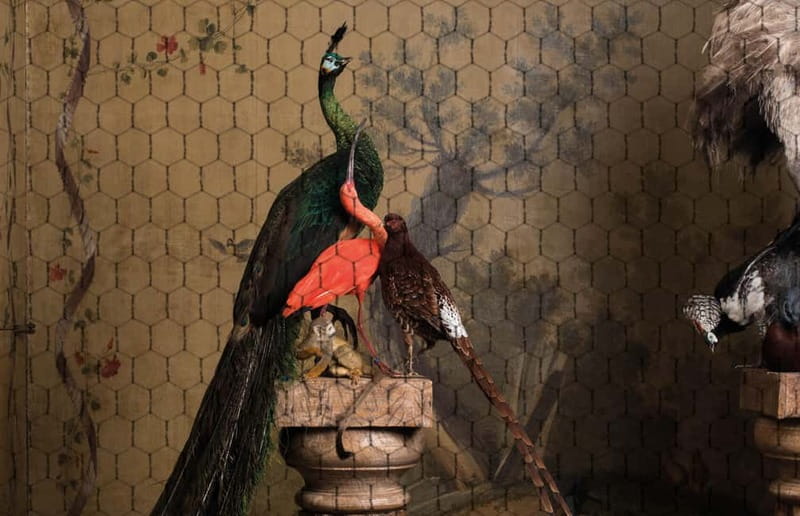
At around $20 per person for a 2-hour visit, Art Zoo Museum is priced like a focused ticket, not like a big multi-exhibit flagship. The value depends on what you want.
If you like:
- art made from craft and staging,
- animal-themed exhibits that feel like scenes,
- and photos where lighting helps,
then the price feels fair. You are paying for the concentration of detail, plus a free self-guided audio tour available in multiple languages.
If you expect:
- a large collection,
- lots of separate galleries,
- and a long list of exhibits,
then $20 might feel steep for the amount of stuff you see. One review mentioned a mismatch with larger photos and a small museum with few works. That is the main “buying mismatch” risk. Manage expectations, and you will probably be happy.
What to bring, and what the museum will not allow
Bring a camera, and wear shoes you can stand in. That is the basics. Beyond that, follow the rules so you do not waste time or get stopped.
Not allowed:
- weapons or sharp objects
- food and drinks
- pets (assistance dogs allowed)
- selfie sticks
- flash photography
- alcohol and drugs
The museum also asks you not to touch exhibits, so you can respect the art for others and keep the scenes preserved.
If you are traveling with kids, this is one of those places where behavior matters. A review mentioned it was fun with two children aged 6. That can work well if your kids enjoy “wow” moments and you help them slow down and look.
Accessibility and allergies: plan ahead
The museum is in a historic canal house, so accessibility may be limited for people with mobility impairments. It is also not suitable for wheelchair users, and it is not suitable for people with animal allergies.
That is important. If either of those applies to you or someone in your group, do not “hope it will be fine.” The building type and the nature of the exhibits are the issue, and it is better to choose a different experience.
Who should book Art Zoo Museum?
This is a great fit if you:
- enjoy art that has craft and staging, not just paintings behind glass
- like animals but want them presented as art, not as live exhibits
- plan to take your time with an audio guide
- care about photography without flash
It is also a good stop if your Amsterdam itinerary needs a break from the usual museums and churches, and you want something unusual but still structured.
It may not be the best choice if you:
- need step-free access
- have animal allergies
- want a large museum with lots of varied rooms and very little time spent reading or listening
Should you book it? My quick decision guide
If you are excited by the idea of nature meets art in a compact setting, this one is worth booking. The biggest strength is how much it packs into a small footprint, especially with the taxidermy artistry and the aviary sections. The audio guide makes it smoother and more rewarding, so plan to use it.
But if your budget or patience depends on seeing a lot of content, or if you are uncomfortable with taxidermy-themed exhibits, hold off. Consider a different museum where the format matches your expectations better.
If you do book, I’d aim for a time when you can spend the full 2 hours without rushing, because that is when the experience clicks.
FAQ
How long does the Art Zoo Museum visit last?
The ticket is valid for 2 hours, starting from the first activation.
Is there an audio guide included?
Yes. A self-guided audio tour is included.
What languages are available for the audio tour?
The audio tour is available in multiple languages. English and Dutch are specifically noted as available.
What does the ticket price include?
The entry ticket includes access to all exhibits and the self-guided audio tour.
Are food and drinks included with the ticket?
No. Food and drinks are not included.
Is flash photography allowed?
No. Flash photography is not permitted.
Can I bring pets?
Pets are not allowed. Assistance dogs are allowed.
Is the museum suitable for wheelchair users?
No. It is not suitable for wheelchair users, and accessibility may be limited due to the canal-house setting.
What should I bring to the museum?
Comfortable shoes and a camera are recommended.
Newest on the canal ring
- Amsterdam Bike Food Tour with Private Guide★ 5.0 · 1 review
- Amsterdam: Rijksmuseum Private Tour with an Art Historian★ 5.0 · 1 review
- Happy B-day Amsterdam! Guided Tour with a History Buff★ 5.0 · 1 review
- Local Foodie Adventure in Amsterdam★ 5.0 · 1 review
- Private Photo Shoot in Amsterdam with a Professional Photographer★ 5.0 · 1 review
- Private day trip to Giethoorn and the Enclosing Dike★ 5.0 · 1 review
- Private Sightseeing Tour to Giethoorn from Amsterdam incl. canal cruise★ 5.0 · 1 review
Museums, compared.

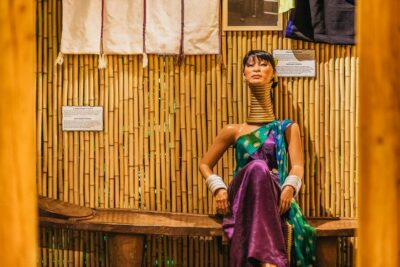
Amsterdam’s Weirdest Museum: Ripley’s Believe It or Not!
Read our review →

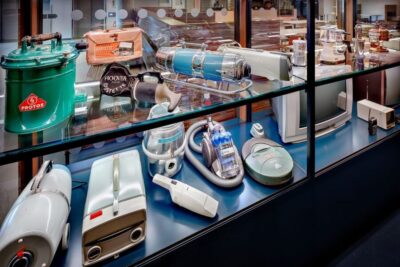
Van Gogh Museum Amsterdam Exclusive Tour w/ Reserved Entry
Read our review →
Moco Museum Amsterdam Admission Ticket with Banksy and more
Read our review →
Van Gogh Museum Tour Reserved Entry Semi Private
Read our review →Browse the lists this tour appears in