
Reviewed · MUSEUMS
Amsterdam: ARTIS Royal Zoo and ARTIS Groote Museum Ticket
Two museums, one calm Amsterdam day. ARTIS is a rare mix of classic zoo wandering and hands-on nature learning, all in one park-side area with canal views and historic buildings. I love the elephant-focused moments, especially the newborn calves and the way the zoo turns animal viewing into a mini adventure.
What really seals it for me is the ARTIS Groote Museum, where you do not just look at nature, you test it with your senses, from smells and sounds to touch. My only caution: with just one day to cover both places, you can feel a little rushed if you try to do everything at a fast pace.
In This Review
- Key things to love about ARTIS Royal Zoo and Groote Museum
- Entering ARTIS: an easy start near the flamingos
- ARTIS Royal Zoo: classic animal viewing, plus a newer elephant storyline
- What you are likely to see in the main zoo areas
- The Kerbertterras Madagascar rebuild: lemurs and turtles in a themed world
- Otters near red pandas: the easy habitat chain you will appreciate
- Planetarium included: space science inside your zoo ticket
- ARTIS-Groote Museum: hands-on nature learning that actually feels personal
- The kinds of facts the museum nudges you toward
- Tanja: Up Close and the hippopotamus moment
- How I’d time a full day without rushing
- Price and value: why $55 can work out well
- Who this combo ticket suits best
- The one catch: when a combo can feel too much
- Should you book the ARTIS Royal Zoo and Groote Museum combo?
- FAQ
- What is included in the ARTIS Royal Zoo and ARTIS Groote Museum ticket?
- How long is the ticket valid?
- Where should I arrive?
- Are kids free?
- What are the opening hours for ARTIS Royal Zoo?
- What are the opening hours for ARTIS Groote Museum?
- Is it wheelchair accessible?
Key things to love about ARTIS Royal Zoo and Groote Museum
- Newborn elephant calves right outside, plus an Elephant Expedition built around trails and facts
- Planetarium included with your admission, adding a space-science stop without extra tickets
- Kerbertterras Madagascar area, where lemurs, turtles, and other animals share the space
- Up-close animal zones like Asian small-clawed otters near red pandas, so you can chain habitats efficiently
- Groote Museum hands-on nature learning, focused on how humans, animals, plants, and microbes connect
Entering ARTIS: an easy start near the flamingos
Your day starts at ARTIS Groote Museum (Artisplein). Even before you pick a direction, the setting helps. This is Amsterdam, but you are not in a street-crowd mood. You are in a park area where the zoo feels built for slow walking, with paths that make it easy to keep moving without stress.
A smart move is to enter the museum first if you like a calmer opening. The Groote Museum opens at 10:00 a.m. and runs until 5:00 p.m., with extended hours on Thursdays until 10:00 p.m. Starting here gives you a grounding in what you are about to see in the zoo. Then you transition naturally to the animal side of ARTIS.
Also note the simple family logic here. The museum lets children age 0-12 enter for free, and the zoo has free entry for infants age 0-2. If you have kids, that changes the math fast and helps make a full-day outing feel more budget friendly.
More Amsterdam collections worth the queue:
- Amsterdam: Red Light Secrets Museum Entry Ticket
★ 4.2 · 5,722 reviews - Amsterdam’s Weirdest Museum: Ripley’s Believe It or Not!
★ 4.5 · 4,920 reviews - Amsterdam: Van Gogh Museum Ticket and City Canal Cruise
★ 4.6 · 3,899 reviews
ARTIS Royal Zoo: classic animal viewing, plus a newer elephant storyline
ARTIS Royal Zoo is right in the heart of Amsterdam, and it carries an old-school reputation as the oldest zoo in the Netherlands. That matters, because you feel the history in the layout and the monuments around the grounds. You also benefit from the practicality: a zoo this established usually means clear paths, well-maintained areas, and a lot of thought put into visitor flow.
Now for the part that makes people talk: the elephant programming. The zoo highlights a special winter moment with two elephant calves born, and there are dedicated ways to experience it. You can join the Elephant Expedition, follow foot trails, learn interesting elephant facts, and crack an elephant code. Even if you are not traveling with kids, this kind of guided-style activity helps you look longer. You stop rushing past the enclosure and start noticing behaviors.
And yes, you can see the calves playing outside. That is the kind of moment that turns a normal zoo visit into a memory you carry home. Pair that with the zoo’s other major species, and you get variety without the usual chaos.
What you are likely to see in the main zoo areas
From the animals highlighted in the experience, plan on encounters such as:
- Asian elephants
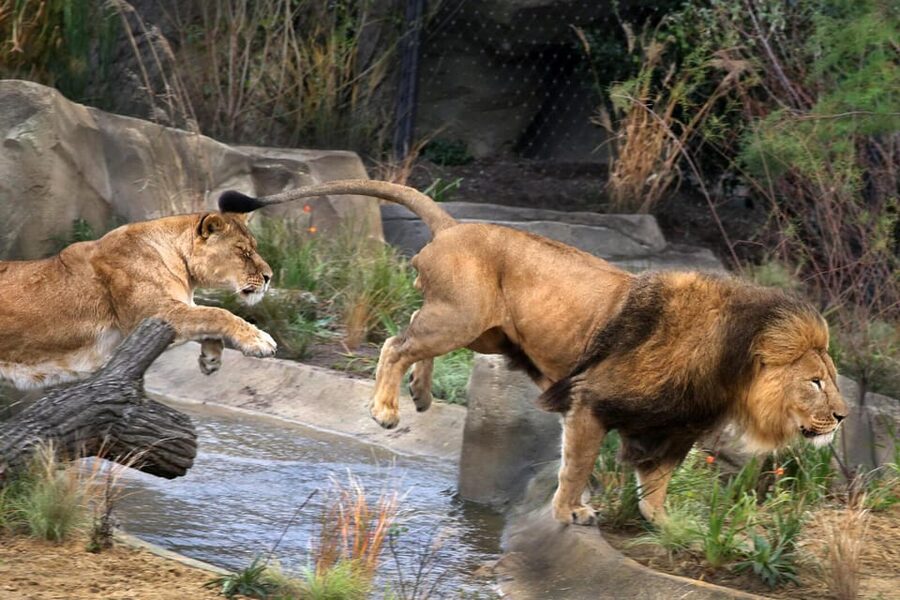
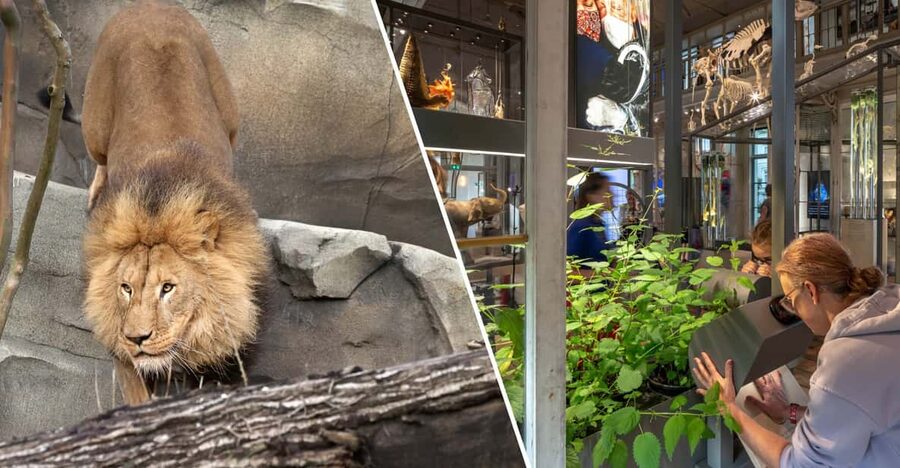
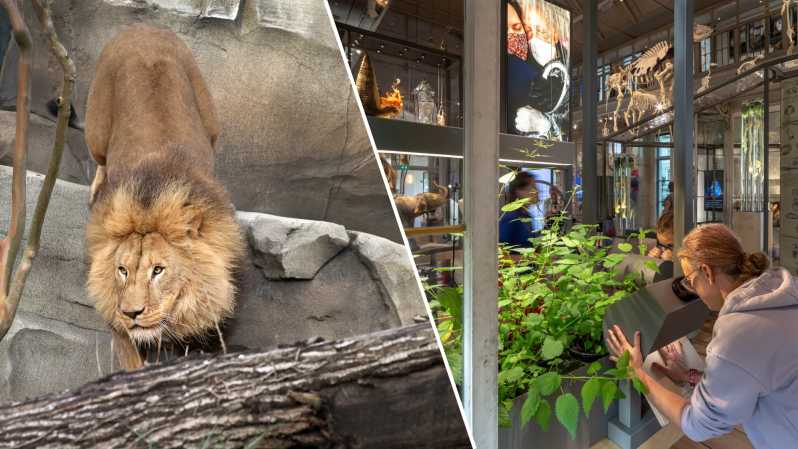
- Lions
- Western lowland gorillas
- African penguins
The practical value here is simple. You can build your route around big-ticket habitats. Instead of scanning randomly, you can aim for the headline animals early, then circle back later for smaller exhibits and the relaxed garden areas.
One more reason this works well: the zoo experience is not only about static viewing. The description includes learning activities tied to elephants and seasonal child crafting during spring holidays. If you are visiting during a school holiday window, you might catch extra family-friendly programming.
The Kerbertterras Madagascar rebuild: lemurs and turtles in a themed world

After you’ve taken in the main zoo highlights, you can shift to a more focused theme area: Kerbertterras. The experience calls it a renewed space, formerly known as the lion’s enclosure. That matters because it signals a zoo that reinvents rather than just expands.
This is the Madagascar-style habitat where you can see ring-tailed lemurs, red ruffed lemurs, and turtles living together here. I like this zone because it gives you a different pace than the large-mammal enclosures. Lemurs often keep you busy with quick movements and social interactions, and the turtles add a slower, steady contrast.
If you are traveling with kids, themed zones often help them stick with the visit. If you are traveling solo or as a couple, they still work, because they create a narrative. You are not just collecting animals. You are experiencing a “place.”
Some other canal-ring outings to set against this

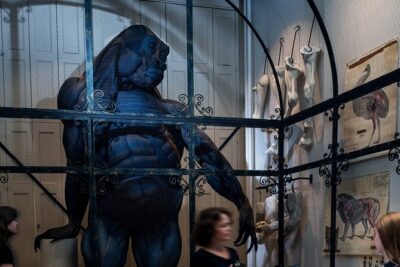

Otters near red pandas: the easy habitat chain you will appreciate
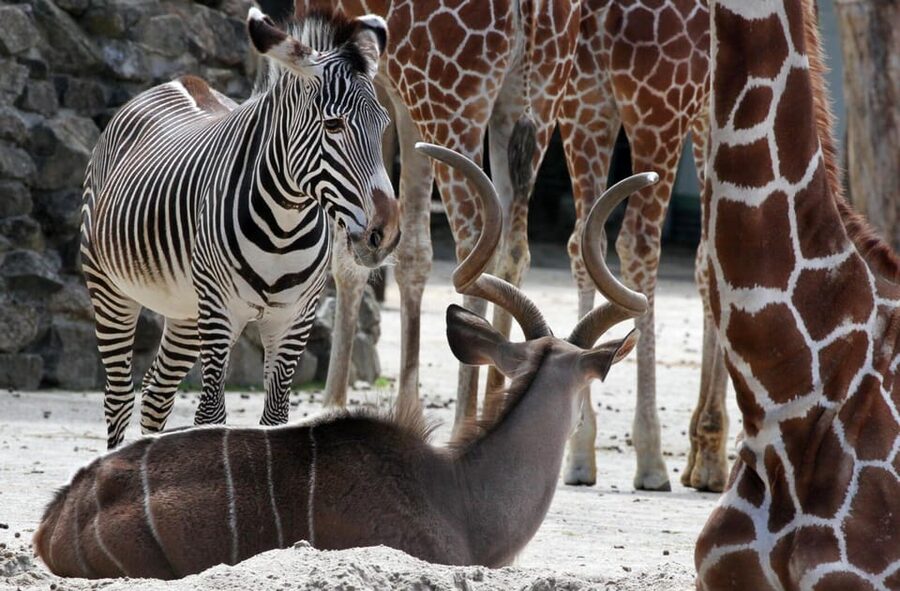
One of the joys of a well-designed zoo day is finding logical sequencing. The experience points out that the new Asian small-clawed otter enclosure sits next to the red panda habitat. That is a gift for your planning.
If you hit those habitats around the same time, you save walking energy and reduce decision fatigue. You can do one quick loop, watch otters for activity, then switch directly to red pandas and any slower moments between.
This is also where the “something special happened” feeling matters. Otter enclosures tend to pull people in, but a nearby red panda habitat keeps your momentum going. Instead of feeling like you visited one big stop and then wandered, you get a smooth mini tour.
Planetarium included: space science inside your zoo ticket
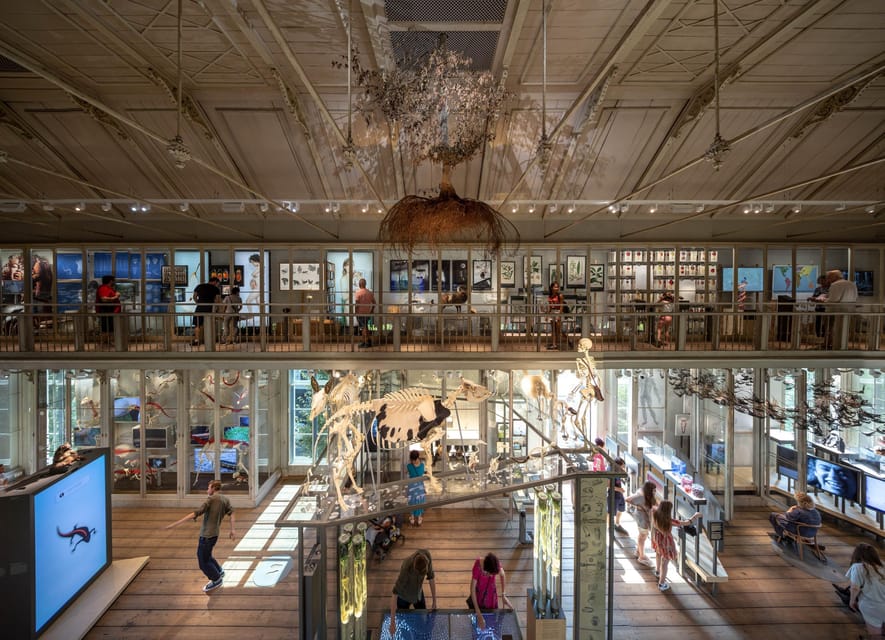
Here is a small detail that makes a real difference: your combo ticket includes access to the Planetarium. That means part of your day is not dependent on animal activity. You can still have a satisfying “main event” even if you hit a time when some habitats feel quieter.
A journey through space is included, with stars and planets and a sense of where we fit in the universe. In plain terms: it is a good reset. After walking outside, sitting for a show is a nice break, especially in colder months.
If you are visiting with children, the planetarium often balances the day well. They get science in a way that feels less like museum reading and more like an event. Even adults tend to enjoy it because it breaks up the rhythm of zoo viewing.
ARTIS-Groote Museum: hands-on nature learning that actually feels personal

ARTIS Groote Museum is Amsterdam’s interactive nature museum, and it changes the way you look at wildlife in the park. The focus is on your connection to the natural world through how humans, animals, plants, and microbes form one ecosystem.
This is not science as a poster gallery. The experience emphasizes touching, smelling, listening, and observing. That matters because it turns nature learning into something you control. You are not only reading labels. You are testing ideas with your own senses.
I especially like the way it uses the big and small scales together. You get a sense that you are part of the same living system as microbes and trees, not just a tourist watching from the sidelines. That shift makes the zoo feel more meaningful afterward.
The kinds of facts the museum nudges you toward
The experience includes example ideas that connect human life with animal behavior:
- The museum highlights how trees communicate with each other, like neighbors.
- It also mentions that babies move in ways similar to crocodiles.
You may not remember every detail later, but you will remember the feeling. The museum pushes you to look for similarities instead of differences.
Tanja: Up Close and the hippopotamus moment
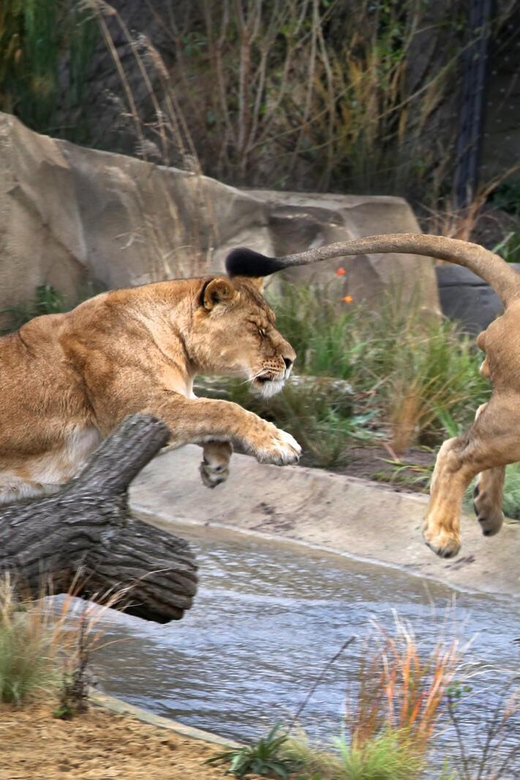
One specific exhibition you should plan for is Tanja: Up Close, about Amsterdam’s most famous hippopotamus. If you like animal-focused storytelling, this kind of exhibit gives you a clear anchor.
It also helps if you are visiting with kids because a named animal makes the museum less abstract. You walk in with a character, not just concepts. Even if you are not a museum person, the exhibition theme is likely to keep you from feeling lost.
How I’d time a full day without rushing

Because this is a one-day combo, your biggest risk is trying to do too much in too little time. I would plan around three moods: elephants and big animals, thematic stops, and interactive learning.
A practical rhythm could look like this:
- Start at ARTIS Groote Museum (10:00 a.m. opening), so your senses warm up inside.
- Aim for elephant moments while you still have energy for walking and waiting.
- Work through the Kerbertterras Madagascar and the otter-red panda connection.
- Schedule the Planetarium when you want a break from outdoor walking.
If you like after-hours atmosphere, there’s also mention of an after-hour walk where the park becomes calmer and you can see which animals become active at night. I would treat that as something to check on arrival, since programs can vary by date. If it is running when you go, it sounds like a memorable way to end the day because the mood of the zoo changes.
Seasonal hours matter too. The zoo runs:
- 9:00 a.m. to 5:00 p.m. from November 1 to February 28
- 9:00 a.m. to 6:00 p.m. from March 1 to October 31
So in summer you have extra light and time to slow down. In winter, you will want to prioritize.
Price and value: why $55 can work out well

The ticket price is listed at $55 per person. On paper, a zoo plus an interactive museum can feel like a splurge. In practice, the value depends on what you want from the day.
Here’s the honest breakdown:
- If you only care about the zoo animals, a combined ticket may feel like paying extra for the museum part.
- If you care about a mixed day with learning and activities, the combo is a stronger deal because you get both settings without needing separate tickets.
What makes the value better here is the included Planetarium. Add that in and the day gets more rounded. It is not only animals. It is also a structured show and a nature-learning museum where you use your senses.
Family value improves too because of free entry rules for kids and infants. Your per-adult cost does not change, but your overall family budget often does, since children may not pay for both sites.
One more value point: the park is designed for a full-day flow. The experience is described as well organized and well kept, which matters because zoo days can go sideways when lines are chaotic or paths are confusing. Here, the setup tends to let you see more without constant map work.
Who this combo ticket suits best
This is a strong fit if you want a day that has variety but still feels cohesive.
You will probably love it if:
- You want big animal highlights plus a slower, thoughtful learning element.
- You are traveling with children and want interactive activities that keep attention.
- You like science that is practical, not only academic, with museum-style senses-based exhibits.
- You enjoy spending time outdoors but still want indoor options, like the planetarium.
It is also a good choice for couples who want something more relaxed than a city marathon. The zoo provides movement, and the museum provides rest.
The one catch: when a combo can feel too much
The main drawback to consider is time pressure. One ticket covers both the zoo and the Groote Museum, and both sound like they deserve real attention. If you like to read every label, watch every animal interaction, and do extra activities, you may feel rushed in one day.
Also, the experience notes that admission to ARTIS Micropia is not included. If you specifically want microbes, you will need to plan for that separately. It is not a dealbreaker, but it is worth knowing so you do not make assumptions.
Should you book the ARTIS Royal Zoo and Groote Museum combo?
I would book this if you want a full-day Amsterdam option that is actually different from the usual sightseeing circuit. The strongest reasons are the elephant calves and Elephant Expedition, the included planetarium, and the fact that the Groote Museum uses hands-on learning instead of just signage.
Skip it only if you are mainly after one thing. If your heart is only in exotic animal spotting and you hate interactive museums, you might feel the time is split. But if you want a day where you learn while you wander, this combo is a smart way to spend your time in Amsterdam.
FAQ
What is included in the ARTIS Royal Zoo and ARTIS Groote Museum ticket?
The ticket includes admission to ARTIS Amsterdam Royal Zoo and ARTIS Groote Museum. The experience also includes access to the Planetarium with admission. ARTIS Micropia is not included.
How long is the ticket valid?
This is a 1-day ticket. You can check availability to see starting times.
Where should I arrive?
The meeting point is ARTIS – Groote Museum, at Artisplein.
Are kids free?
Yes. At ARTIS Amsterdam Royal Zoo, infants age 0 to 2 can enter for free. At ARTIS Groote Museum, children age 0 to 12 can enter for free.
What are the opening hours for ARTIS Royal Zoo?
From November 1 to February 28, it is open 9:00 a.m. to 5:00 p.m. From March 1 to October 31, it is open 9:00 a.m. to 6:00 p.m.
What are the opening hours for ARTIS Groote Museum?
ARTIS Groote Museum is open daily 10:00 a.m. to 5:00 p.m. It is open every Thursday until 10:00 p.m.
Is it wheelchair accessible?
Yes. The activity is wheelchair accessible, and wheelchairs are available at ARTIS Amsterdam Royal Zoo with reservation not required.
Newest on the canal ring
- Amsterdam Bike Food Tour with Private Guide★ 5.0 · 1 review
- Amsterdam: Rijksmuseum Private Tour with an Art Historian★ 5.0 · 1 review
- Happy B-day Amsterdam! Guided Tour with a History Buff★ 5.0 · 1 review
- Private Photo Shoot in Amsterdam with a Professional Photographer★ 5.0 · 1 review
- Private day trip to Giethoorn and the Enclosing Dike★ 5.0 · 1 review
- Local Foodie Adventure in Amsterdam★ 5.0 · 1 review
- Private Sightseeing Tour to Giethoorn from Amsterdam incl. canal cruise★ 5.0 · 1 review
Museums, compared.


Amsterdam’s Weirdest Museum: Ripley’s Believe It or Not!
Read our review →


Van Gogh Museum Amsterdam Exclusive Tour w/ Reserved Entry
Read our review →
Moco Museum Amsterdam Admission Ticket with Banksy and more
Read our review →
Van Gogh Museum Tour Reserved Entry Semi Private
Read our review →Browse the lists this tour appears in