
Reviewed · HISTORICAL TOURS
Amsterdam: Financial History Tour
Amsterdam money began in plain sight. This 2.5-hour Financial History Tour turns the city into a living timeline, linking the first stock exchange, early multinationals, and old banking power into one walking story. I especially loved seeing finance buildings in their real context around Bourseplein and the old harbor, and the way the tour brings big moments to life inside a 100-year-old bank vault.
You’ll also hear the kind of stories you don’t get in a standard museum visit, including what made Amsterdam’s economic bubble so dangerous, plus the greatest bank heist in Dutch history and how WWII was financed. One consideration: this is a walking tour (about 3 kilometers), and it is not a fit for wheelchairs, mobility impairments, or visually impaired guests.
In This Review
- Key points to know before you go
- Starting at Bistro Berlage, then stepping into Berlage’s money world
- Beurs van Berlage to the old harbor, where the story starts to click
- The VOC stop and the multinationals thread, trade as the engine
- Passing Stadsbank van Lening, then visiting Amsterdam City Archives
- Grachtengordel walk, wealth geography and the bubble warning
- The vault, bank heist, and WWII financing lessons you won’t forget
- Finishing at Amsterdams Lieverdje, and what the tour leaves you with
- Price and time: does $165 feel worth it?
- Who should book this Amsterdam finance walk, and who should skip
- Quick call: should you book the Amsterdam Financial History Tour?
- FAQ
- How long is the Amsterdam Financial History Tour?
- Where does the tour start?
- How much does it cost?
- Is this a private tour?
- What is included?
- What is not included?
- Are alcohol or drugs allowed during the tour?
- What languages are the guides?
Key points to know before you go
- Bourseplein to the old harbor route connects Amsterdam’s money roots to the places you can still point at today.
- World firsts in finance are explained in plain language, including the first stock exchange and other early banking milestones.
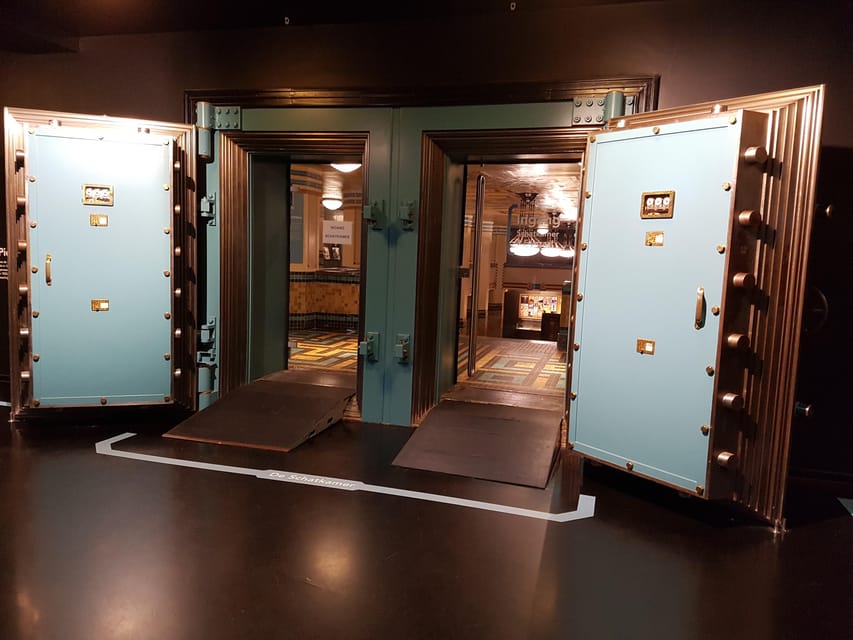
- A century-old bank vault visit is the standout stop, and it’s a rare peek behind the scenes.
- VOC and early multinationals help you understand why trade and money grew together in the 1500s onward.
- Amsterdam City Archives stop adds weight to the story with records-focused perspective.
- Grachtengordel walk gives you a real sense of where wealth gathered, and why it became fragile.
Starting at Bistro Berlage, then stepping into Berlage’s money world
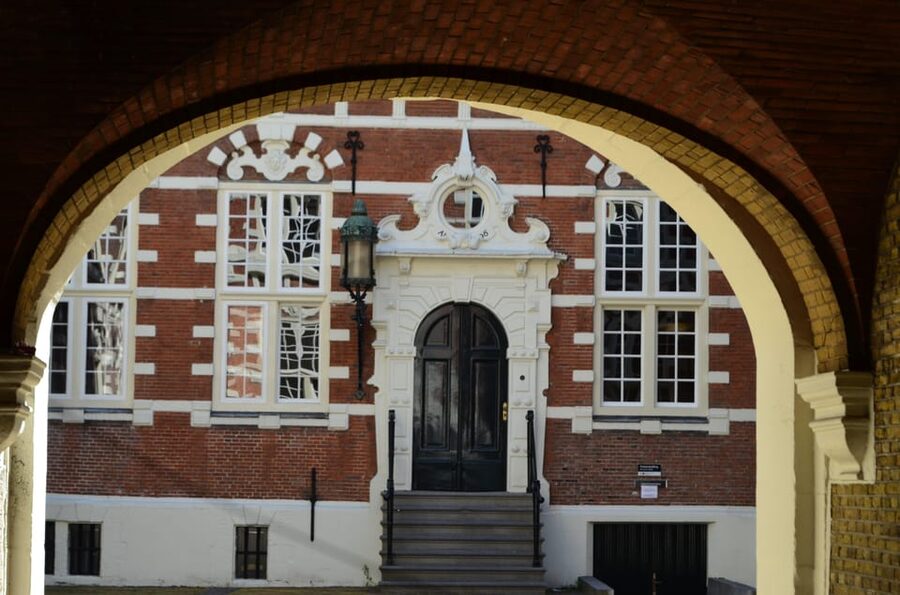
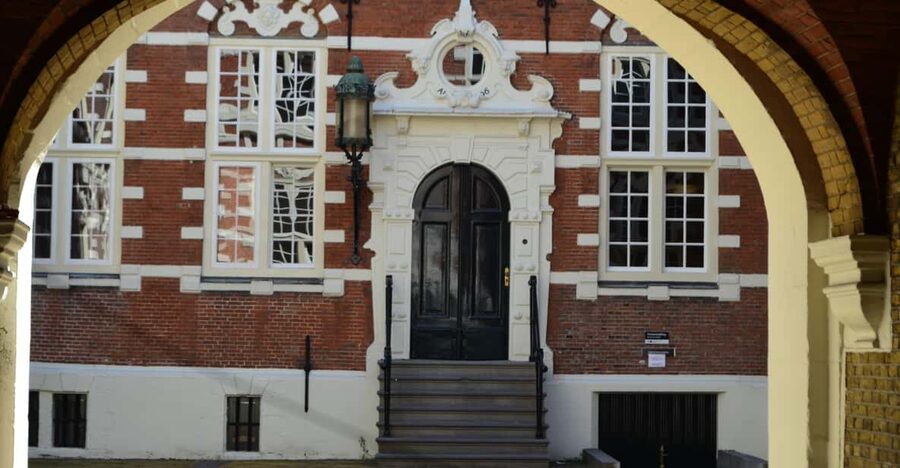
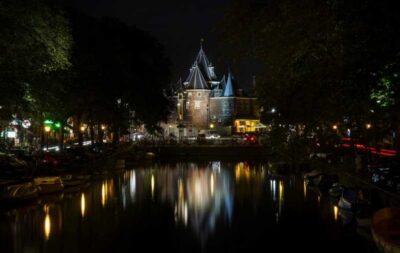
You start at Bistro Berlage, right in front of the Beurs van Berlage on Bourseplein. Even before the first facts land, the setting sets the mood. This area was built around commerce, and the tour uses that physical geography to make the story easier to follow.
From here, you get a guided look at the Beurs van Berlage, which the tour frames as part of Amsterdam’s long finance arc. This matters because Amsterdam is easy to romanticize. Canals, bikes, cozy streets. But the tour keeps pulling your attention back to systems, incentives, and money flows. If you like smart city walks that teach without turning into a lecture, this first segment does the job.
You will also pass Dam Square, but it’s more than a photo stop. The tour uses major squares like reference points, helping you mentally map power centers and movement routes. It’s a small touch, but it makes the rest of the walk feel more organized.
More of the Golden Age still standing:
- Amsterdam Food and Cultural Tour with Tastings
★ 5.0 · 4,315 reviews - Amsterdam: Historic City Centre Canal Cruise
★ 4.3 · 659 reviews - Amsterdam: Haunted History and Ghost Walking Tour
★ 4.5 · 488 reviews
Beurs van Berlage to the old harbor, where the story starts to click
One of the best parts is how the tour tracks the money through space, especially toward the waterfront feel of the old harbor. You explore the current location of the Amsterdam stock exchange in the old harbor, and the guide ties it back to the city’s pioneering role in capital markets.
The tour doesn’t only say Amsterdam mattered. It explains how Amsterdam became a pattern for other places, using specific milestones such as the world’s first stock exchange, the first limited company, and the first central bank. That list could feel abstract if it stayed theoretical. On this walk, each claim is anchored to a place, so the ideas stick.
Here’s the practical value for you: once you understand how these institutions worked, you start noticing them everywhere in European city centers. Banking buildings, corporate headquarters, and trade-related streets stop feeling random. You’ll likely see Amsterdam as an early blueprint for how modern financial systems scale.
The VOC stop and the multinationals thread, trade as the engine
The next major storyline is the VOC, Dutch East India Company. The tour treats the VOC not as a standalone historical brand, but as a key reason why Amsterdam’s finance machine accelerated. You’ll do some VOC sightseeing while moving through the city, and the guide connects it to a broader theme.
One detail I found especially useful is the way the tour links headquarters of early multinationals to later eras, including examples reaching back to the 1500s and moving forward to modern times. It helps you see a pattern: once cities host long-distance trade, they need capital organization, risk-sharing tools, and reliable financial administration.
This is also where the tour’s tone stays accessible. You don’t need a finance degree. You need curiosity about how people organized money to fund voyages, handle goods, and manage uncertainty. The guide keeps translating the big ideas into everyday sense.
If you’re the type who likes story-based learning, this section delivers. It’s basically Amsterdam’s corporate growth explained through real locations, not just dates.
Passing Stadsbank van Lening, then visiting Amsterdam City Archives
You’ll pass by Stadsbank van Lening, Amsterdam, and that stop functions like a signpost. You get the sense that banking institutions were not just invisible systems. They were physical hubs in the city, connected to how people got loans, traded claims, and handled payment flows.
Then you step into the Amsterdam City Archives. This visit adds a different flavor from the street-level walking. Instead of only hearing about the past, you get a records-focused perspective that supports the tour’s bigger claim: Amsterdam didn’t become powerful by accident. It became powerful because it built systems, documented activity, and refined financial practice over time.
For you, the practical payoff is clarity. When a guide points out how archives and documentation shaped finance, you start understanding why bubbles form and why they burst. The tour brings up the economic bubble in Amsterdam, and the archives connection makes the idea feel more grounded.
A different use for the same hours in Amsterdam:




Grachtengordel walk, wealth geography and the bubble warning
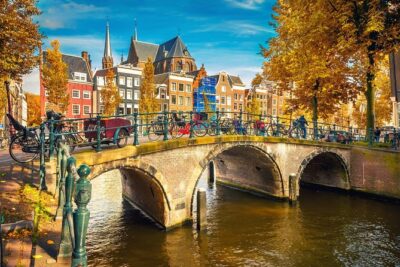
After the archives visit, you move into a Grachtengordel walk. This canal belt area is the kind of place where you can easily get swept up in beauty. The tour uses it differently. It treats the neighborhood pattern as an outcome of money, then asks what happens when money becomes overconfident.
That is where the guide’s stories about Amsterdam’s bubble really help. Instead of just saying people were greedy, the tour frames the bubble as a result of how capital expectations can get out of sync with real risk. You start seeing the city layout as a financial metaphor, not just a scenic backdrop.
If you’re thinking of skipping the walk portion because you want only the biggest landmarks, don’t. The canal segment is a payoff moment. You’ve already learned what institutions did. Now you connect that to where wealth concentrated, and why that concentration could collapse fast.
And yes, you’ll get the kind of photos you came for. But the tour nudges you to look at the canals as evidence, not just decoration.
The vault, bank heist, and WWII financing lessons you won’t forget
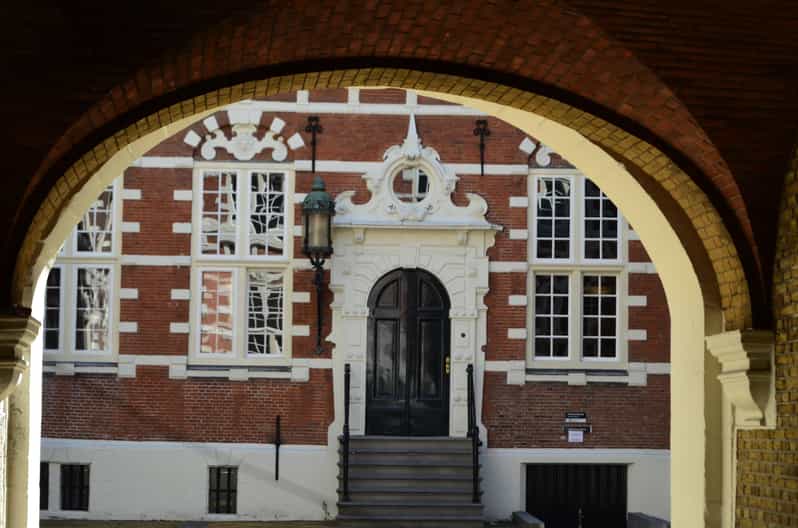
The highlight most people talk about is the 100-year-old bank vault visit. In the feedback I reviewed, the vault was the best part, and I agree with that logic. A vault is not a concept. It’s a physical system for protecting value and controlling access, and it forces you to grasp what banking really means when money is at stake.
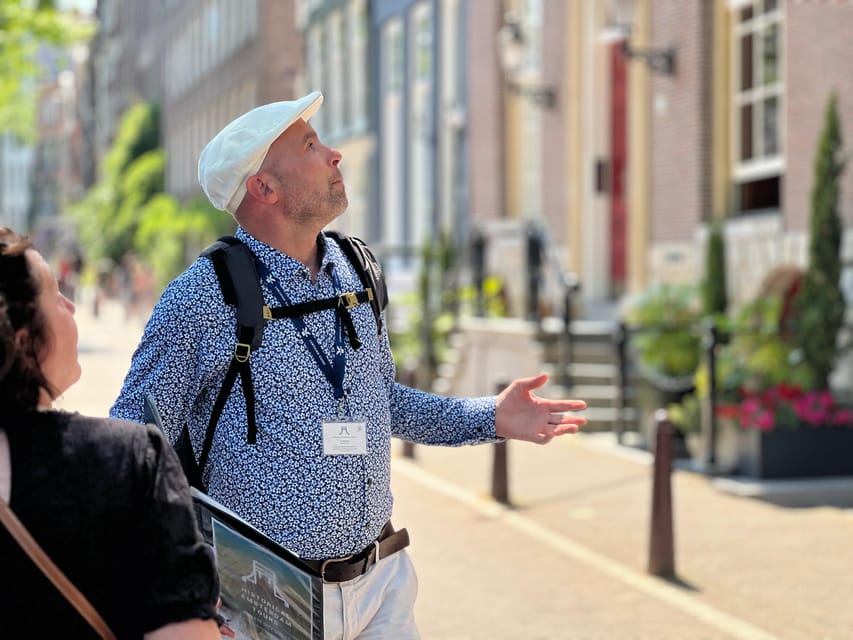
Your guide in the standout review was Edgar, and that name matters because he clearly brought the material into focus. When a guide is comfortable explaining how finance worked, the stories feel less like trivia and more like cause-and-effect.
There’s also a schedule detail you should note: on Mondays, the vault visit can switch to the V.O.C. headquarters. Either way, you’re still getting that behind-the-scenes perspective on how capital got organized.
The tour also covers heavier themes: the greatest bank heist in Dutch history and how WWII was financed. I like that the guide does not treat these as random drama. They connect back to incentives, trust, and the fragility of financial systems under pressure. If you care about how history impacts modern life, this is the section that clicks.
Finishing at Amsterdams Lieverdje, and what the tour leaves you with
You finish at Amsterdams Lieverdje. It’s a satisfying landing point because by the time you reach it, the city feels more legible. You’ve walked from finance institutions to trade-era corporate power, through archival context, into canal-area wealth patterns, and finally into the vault and its high-stakes stories.
What stays with me after a tour like this is the mental model. Amsterdam isn’t just a pretty city that happened to be rich. It became a financial engine by building early capital tools, shaping corporate structures, and creating systems that could scale. Then it suffered the kind of consequences bubbles and shocks can bring.
This tour is also good for your future planning. Once you’ve learned how Amsterdam’s financial roots work, you’ll likely spot the same logic in other European ports and trading cities. Even if you never “study finance,” you’ll read the city with a sharper eye.
Price and time: does $165 feel worth it?
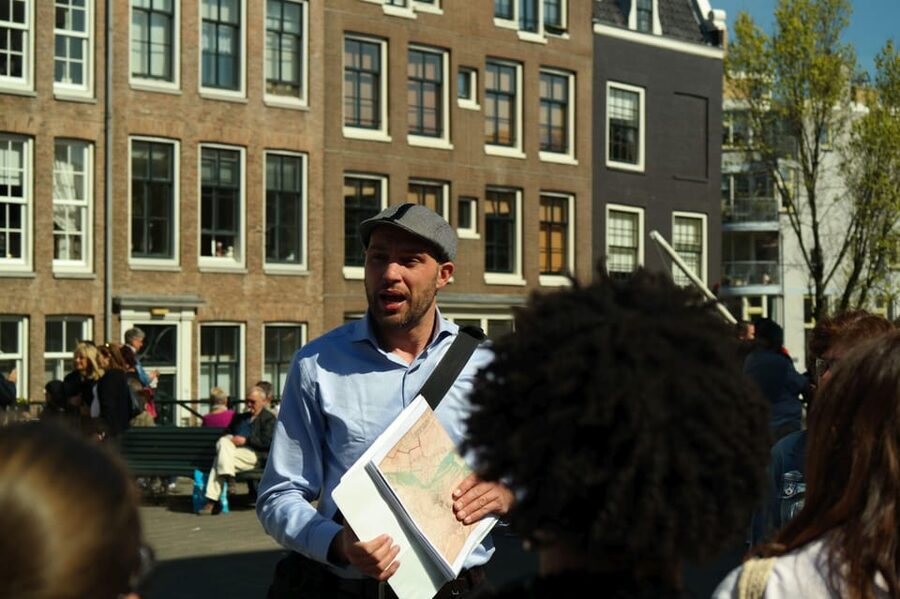
At $165 per person for 2.5 hours, you’re paying for a tight, guided, highly focused route with a private group experience and at least one signature access moment, the bank vault (or Monday alternative). If you were doing this kind of tour on your own, you could easily spend half the time just figuring out where to go and what each building actually meant.
The value comes from the structure. You get guided interpretation at multiple touchpoints, plus the vault stop that turns the topic from ideas into physical reality. The private guide format also helps because you can ask follow-up questions without competing with a larger crowd.
One practical note on cost-value balance: snacks and supplies are not included, so budget a pre- or post-walk bite. Also, because it’s about 3 kilometers, wear supportive shoes. That small comfort detail can make or break your enjoyment over 2.5 hours.
Who should book this Amsterdam finance walk, and who should skip
I think this tour is a great match if you want a smart Amsterdam perspective that isn’t only about canals and museums. It’s also designed so you do not need an existing interest in finance. You can enjoy it as a city-story walk about how people organized money, risk, and corporate power.
It’s especially good if you like:
- “Follow the money” narratives
- Architecture and civic landmarks with real purpose
- Real story beats like the bank heist and WWII financing
Skip it if you need step-free, fully accessible routes. It is not suitable for people with mobility impairments, wheelchair users, or visually impaired people. Also, it’s a walking format, so plan for regular walking at city pace.
Quick call: should you book the Amsterdam Financial History Tour?
If you’re curious about how Amsterdam became a global finance reference point, this is an easy yes. The vault visit (or VOC swap on Mondays) is the kind of experience that makes the price feel justified, and the rest of the route keeps connecting institutions to outcomes.
I’d especially book this if you like tours that explain systems in plain language and you enjoy learning from real places. If you dislike walking, need accessibility accommodations, or want a purely scenic city walk, you may find the format too structured around finance themes.
FAQ
How long is the Amsterdam Financial History Tour?
The tour lasts about 2.5 hours.
Where does the tour start?
It starts at Bistro Berlage, in front of the Beurs van Berlage on Beursplein.
How much does it cost?
The price is $165 per person.
Is this a private tour?
Yes. It is listed as a private group tour with a live guide.
What is included?
You get a private guide and a visit to a 100-year-old bank vault. On Mondays, that vault visit can be replaced by the V.O.C. headquarters.
What is not included?
Snacks and supplies are not included.
Are alcohol or drugs allowed during the tour?
No. Alcohol and drugs are not allowed.
What languages are the guides?
The live tour guide works in Dutch and English.
If you want, tell me your travel dates and whether you prefer museums or street walks, and I’ll help you decide if this one should be a priority on your Amsterdam plan.
Newest on the canal ring
- Amsterdam Bike Food Tour with Private Guide★ 5.0 · 1 review
- Amsterdam: Rijksmuseum Private Tour with an Art Historian★ 5.0 · 1 review
- Happy B-day Amsterdam! Guided Tour with a History Buff★ 5.0 · 1 review
- Local Foodie Adventure in Amsterdam★ 5.0 · 1 review
- Private Photo Shoot in Amsterdam with a Professional Photographer★ 5.0 · 1 review
- Private day trip to Giethoorn and the Enclosing Dike★ 5.0 · 1 review
- Private Sightseeing Tour to Giethoorn from Amsterdam incl. canal cruise★ 5.0 · 1 review
Historical Tours, compared.

Amsterdam Food and Cultural Tour with Tastings
Read our review →

Amsterdam High-End Dutch Food & History Tour – Up to 8 guests
Read our review →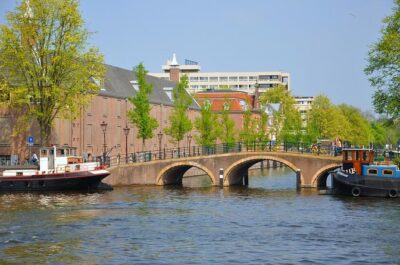

Anne Frank and the Jewish History of Amsterdam Private Tour
Read our review →
Luxury Canal Cruise with Historic VR Experience
Read our review →Browse the lists this tour appears in