
Reviewed · CITY WALKING TOURS
Amsterdam: History, Culture & Hidden Gems Walking Tour
Amsterdam makes sense when you follow its money. On this 3-hour small-group walk, you trace the city through the oldest neighborhoods, with a local English guide who explains how trade, religion, and tolerance shaped what you see today. I especially like the way the route connects big ideas, from the world’s first stock exchange to the Dutch East India Company, to specific corners and buildings. I also like that it treats the Red Light District and Dam Square with context, not cliché.
One thing to consider: it is still a solid stretch of walking, and it is not suitable for low-level fitness. Also, you will not go inside attractions, so if you want museum time, you will need a separate plan.
In This Review
- Key things to know before you go
- Beursplein to Dam Square: the walk that makes Amsterdam coherent
- The trade story starts at Beursplein (and it matters later)
- Red Light District with respect: the tolerance story you do not hear on autopilot
- Chinatown and Nieuwmarkt: walls, Waag, and the art-guild connection near Rembrandt
- Jewish Quarter walk: Portuguese Synagogue and the long arc of refuge
- Dutch East India Company wealth: canal houses as living evidence
- How long it takes, what to wear, and what kind of group fits
- Price and value: what $38 buys you in Amsterdam
- Should you book this Amsterdam history and culture walk?
- FAQ
- How long is the Amsterdam walking tour?
- Where does the tour meet?
- Is the tour in English?
- What is the price per person?
- What is included in the tour price?
- Do we enter attractions or museums?
- Are food and drinks included?
- Is the tour suitable for people with low fitness?
- What are the cancellation and payment options?
Key things to know before you go

- Beursplein sets the theme fast, starting at the trade heart of Amsterdam’s global rise
- Context for the Red Light District and Dam Square, with an emphasis on tolerance and city change
- Nieuwmarkt and the Waag area bring art and guild history into focus, including the Rembrandt painter’s guild connection
- Jewish Quarter storytelling centers on refuge and resilience, highlighted by the Portuguese Synagogue area
- You learn how East India Company wealth shows up in canal homes, not just in textbooks
Beursplein to Dam Square: the walk that makes Amsterdam coherent
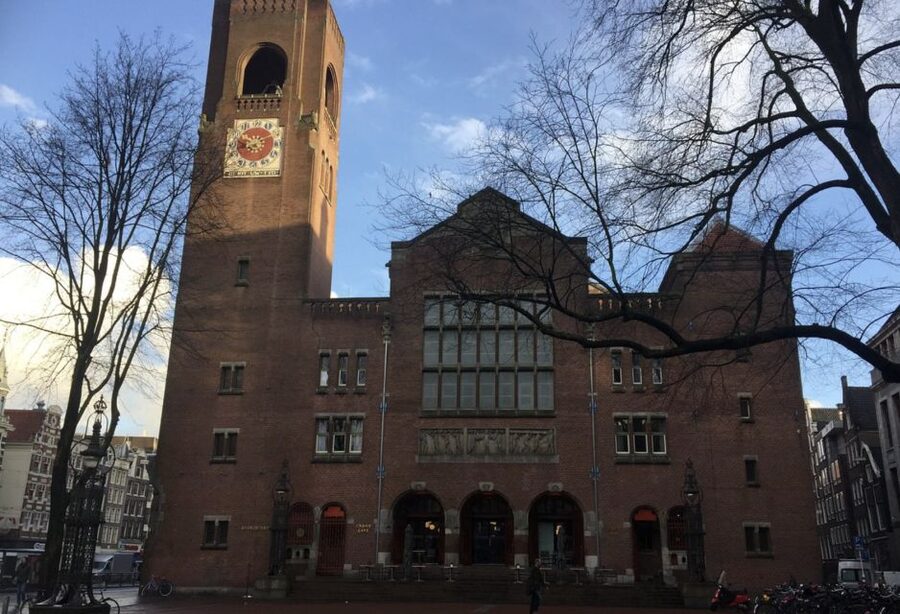
This tour is built like a guided timeline you can actually walk. It starts at Beursplein, a modest square that once powered Amsterdam’s merchant world, and from there the guide ties later neighborhoods back to the same forces: trade, finance, and shifting beliefs. If Amsterdam can feel like a blur of canals and facades, this route helps you connect the dots quickly.
I like the way the first stop does real work. Beursplein is not just a pretty meeting point. You learn how it grew into a center of commerce and how the city became linked to global markets early on, including the idea of the world’s first stock exchange. That framing pays off later, when you see how wealth and power shaped the canal belt homes and civic spaces.
The walk also moves at a pace that makes listening possible. The stories are the point, and the guide keeps them tied to what’s around you. You finish at Dam Square, which is a smart landing spot because it is the symbol of Amsterdam’s civic life, where many eras left their marks.
More of the canal ring crossed on foot:
- Amsterdam Anne Frank: Small-Group Walking Tour & Local Guide
★ 4.8 · 12,789 reviews - Anne Frank’s Story – Guided Walking Tour through Amsterdam
★ 5.0 · 11,619 reviews - Absolutely Amsterdam – the Essential Introductory Walking Tour
★ 5.0 · 3,629 reviews
The trade story starts at Beursplein (and it matters later)
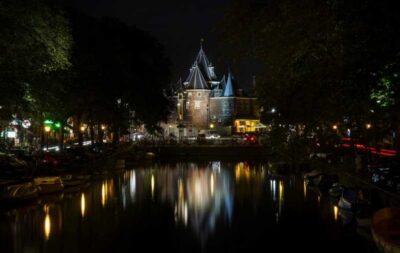
Beursplein is described as the beating heart of Amsterdam’s trade empire, and you get that message right away. You begin near the square’s clock tower and the small stock exchange area, then the guide sets the scene for why this place pulled people and ideas in from far beyond the Netherlands.
As you listen, you start noticing a pattern. Amsterdam keeps showing up as a city built on exchange. Not only goods, but also people, faiths, and political ideas. That is why the rest of the tour feels less like random sightseeing and more like a guided logic lesson.
From here, the guide can explain how merchant ambition and finance helped create the city’s Golden Age footprint. You are not stuck in “history lecture” mode either. The tour moves on to neighborhoods where the past is visible in street layouts, building types, and street-level details.
For practical planning: this is a three-hour walk, so wear shoes you trust. You will be on sidewalks and streets for the whole experience, with no museum-style seating breaks built in.
Red Light District with respect: the tolerance story you do not hear on autopilot
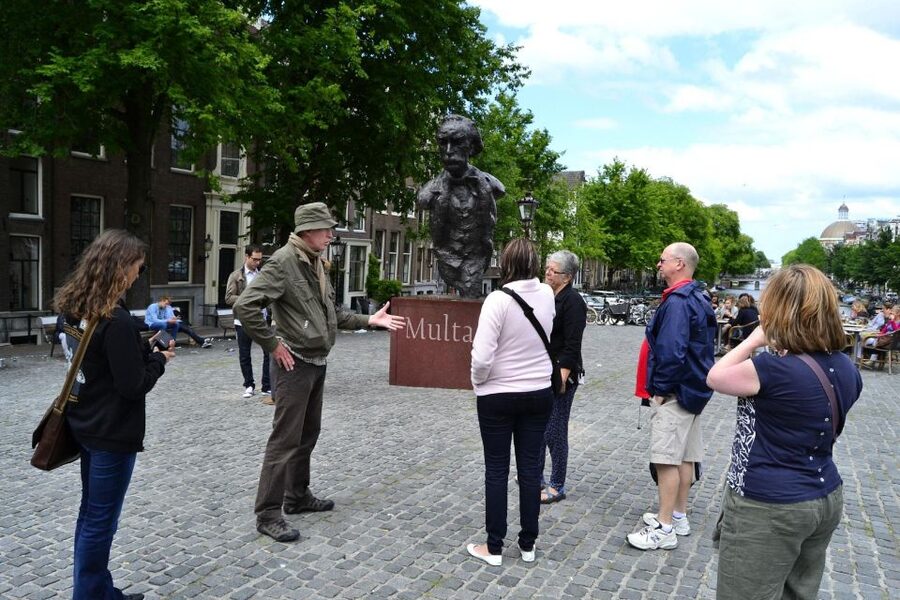
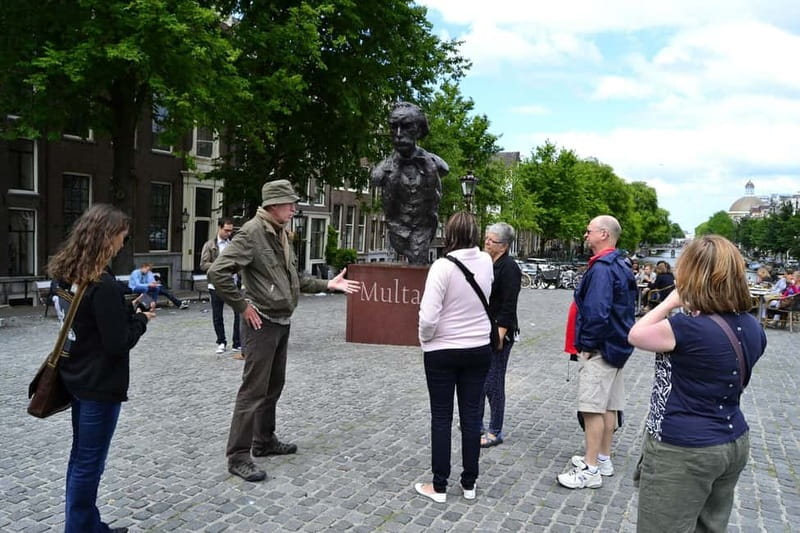
The tour passes through the Red Light District, but the focus stays on layered history rather than shock. You get the honest, respectful look at how this area became what it is today, and how older structures sit next to modern storefronts and windows. The guide’s approach matters because it helps you understand the neighborhood as part of Amsterdam’s long argument about tolerance.
One of the best things about this kind of stop is that it reframes your expectations. Instead of treating the area as a single headline, you see it as a place where multiple time periods overlap. That is a very Amsterdam feeling, and it makes the canals and churches you see elsewhere on the route make more sense.
Then you transition toward Dam Square, which is one of the city’s biggest public stages. Here, the tour adds perspective on how the square has hosted everything from royal ceremonies to political protests and public punishments, plus the celebrations that come with changing power. That blend of civic events is a key to understanding Amsterdam as more than just a postcard city.
If you are the type who wants “what happened here” in plain terms, this part hits well. If you prefer entertainment over context, you might want to pace your attention so the heavier themes do not blur together.
Chinatown and Nieuwmarkt: walls, Waag, and the art-guild connection near Rembrandt
After the central civic stops, you head into Chinatown and then toward Nieuwmarkt, a route that makes the city’s immigration and trade story feel personal. The guide treats Chinatown as a lived neighborhood, not a photo-op. You learn how people and cultures layered in over time, shaping the area’s identity.
Nieuwmarkt is where the tour turns especially concrete. You see traces of Amsterdam’s medieval walls, and you get to connect urban growth to defense, trade, and city planning. That matters because it explains why streets and borders in the center look the way they do, even centuries later.
A standout moment is the mention of the Waag building and how this area connects to Rembrandt. The tour includes the spot where Rembrandt’s painter’s guild once gathered, and that detail makes the art world feel tied to the city’s business side, not separate from it. You start to see guilds and merchants as parallel systems of influence.
You also hear how Nieuwmarkt shifted from being a busy trade center to becoming a cultural crossroads. Even if you have been to Amsterdam before, this is a useful angle because it helps you interpret what you see now as the end result of earlier economic routes.
One practical note: this segment can involve close-up sidewalk viewing. If you are traveling with kids or anyone with limited mobility, the walking is still the main factor, and you will want to plan for slower moments.
More of the Golden Age still standing:


Jewish Quarter walk: Portuguese Synagogue and the long arc of refuge
The tour then brings you near the Jewish Quarter, and it handles the story with care. You get the silhouette of the Portuguese Synagogue as a visual anchor for a chapter of refuge, resilience, and cultural contribution. The guide shares the moving legacy of Amsterdam’s Jewish community and how it helped shape the city’s identity across centuries.
What I like about this approach is that it does not treat faith as a museum display. It connects the past to how communities built places to live, worship, and work. It also keeps the tone grounded. You end up understanding the Jewish Quarter as an essential layer of Amsterdam, not a side note.
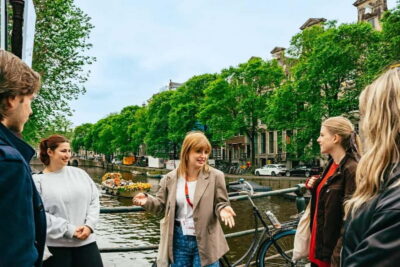
As you stroll along canals in this part of the route, it becomes easier to see Amsterdam as a place that repeatedly reinvented itself. Changes in trade brought people in. Changes in policy and tolerance determined who could stay and thrive. And communities left their mark in architecture and in the rhythm of daily life.
If you care about social history, this is one of the tour’s strongest segments. It gives you context for why Amsterdam’s tolerance is not just a slogan, but a long process with real human stakes.
Dutch East India Company wealth: canal houses as living evidence
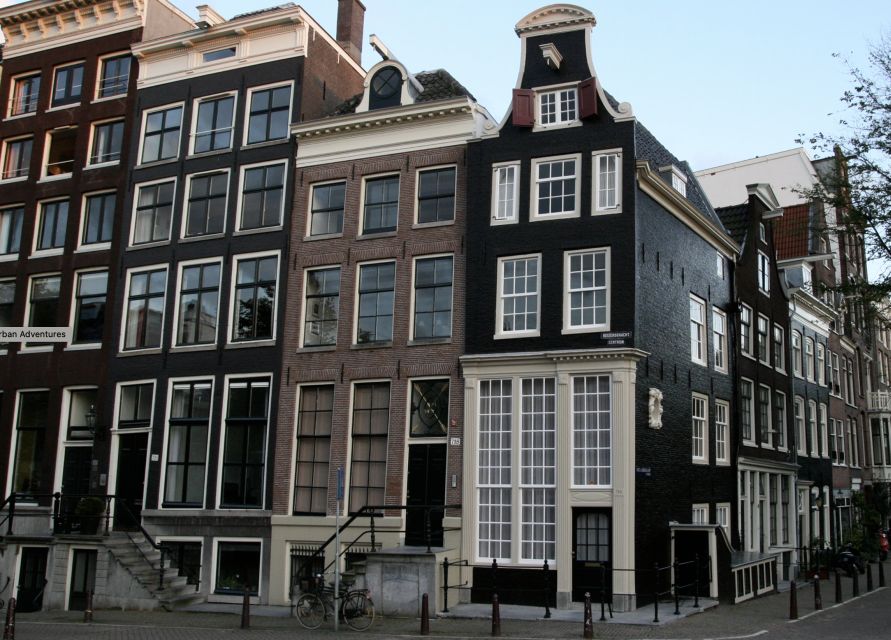
One of the most useful lessons on this walk comes from the way the guide points out canal homes tied to families associated with the Dutch East India Company. You are not just hearing names and dates. You are looking at elegant facades and learning how ambition, colonial power, and Golden Age fortunes shaped the city’s look.
This part matters because it teaches you to read the city like a map of economics. When you later walk by canal houses on your own, you will likely catch yourself thinking about who paid for them, what routes funded them, and how global trade echoes into local stonework and brick.
The tour frames this legacy in a way that feels realistic. East India Company wealth is not treated like a pure success story. Instead, it is presented as part of a bigger history that includes power and transformation. That makes the walk feel more adult and more honest than the usual “Amsterdam is charming” version.
Also, if you already love architecture, this is a great match. You get to see the city’s grand homes as historical documents, not just pretty backdrops.
How long it takes, what to wear, and what kind of group fits
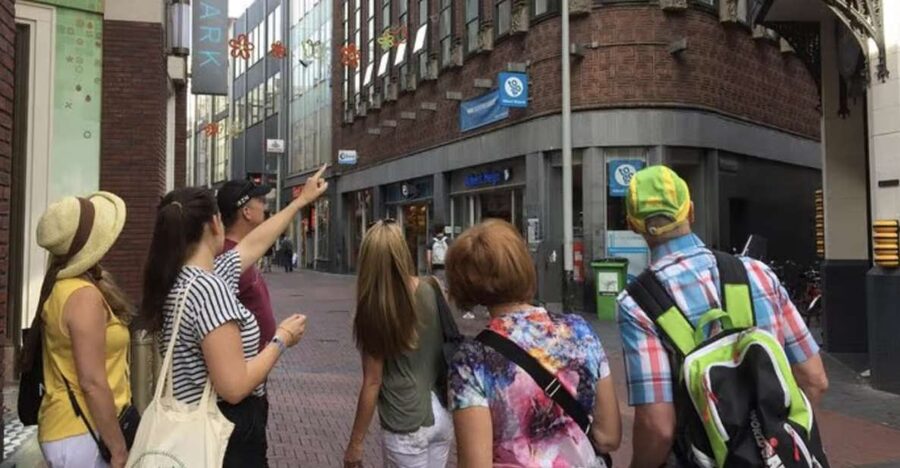
The tour lasts 3 hours and follows a walking route that covers several neighborhoods. That means you need to plan as if you are doing a proper walk, not a gentle stroll. The provider notes it is not suitable for people with low level of fitness, so I would take that seriously.
For what to wear, keep it simple. Comfortable shoes are non-negotiable. Weather in Amsterdam can change fast, so bring a light layer and something that handles mist or rain.
The tour is small-group, which is a big deal for listening. In a crowded big group, you miss details. Here, the guide can keep the pace conversational and tailor explanations if questions come up.
Language is English throughout, and the guide is local. On some departures, you might hear a specific expat perspective. One named guide, David, is mentioned as giving clear explanations and even running a bit longer, which is a good sign for anyone who likes asking follow-ups. Another guide profile described an American living in Amsterdam for decades, including pointers for navigating the city and even bar recommendations for what to try next.
Also, there is a cute extra that may happen at certain times, a doggie companion. If you are an animal person, that can make the whole thing feel more human.
Price and value: what $38 buys you in Amsterdam
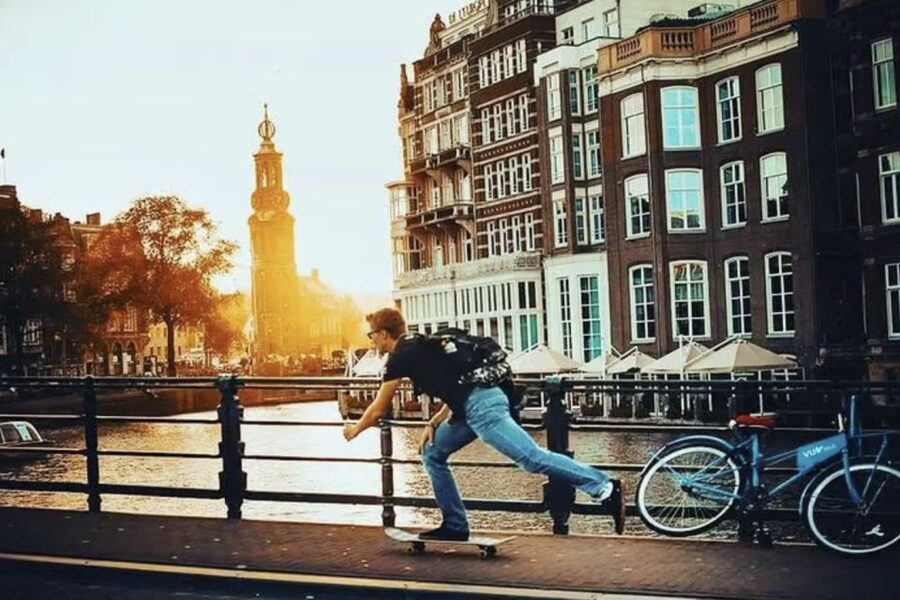
The price is $38 per person, and the tour includes a local English guide and tourist city tax of 1.50 EUR per person. That tax being included matters because it keeps your total clearer upfront. You are also not paying for museum tickets here, since the tour includes no entry into attractions or sites.
So you are paying for interpretation, not doors. You are paying to understand why Beursplein matters, why Dam Square has layers of conflict and celebration, why Nieuwmarkt connects medieval walls to guild culture, and why the Jewish Quarter and Portuguese Synagogue are essential parts of Amsterdam’s identity. In my opinion, that kind of learning can make the rest of your trip more efficient. You walk the city afterward with better context, so you spend less time guessing.
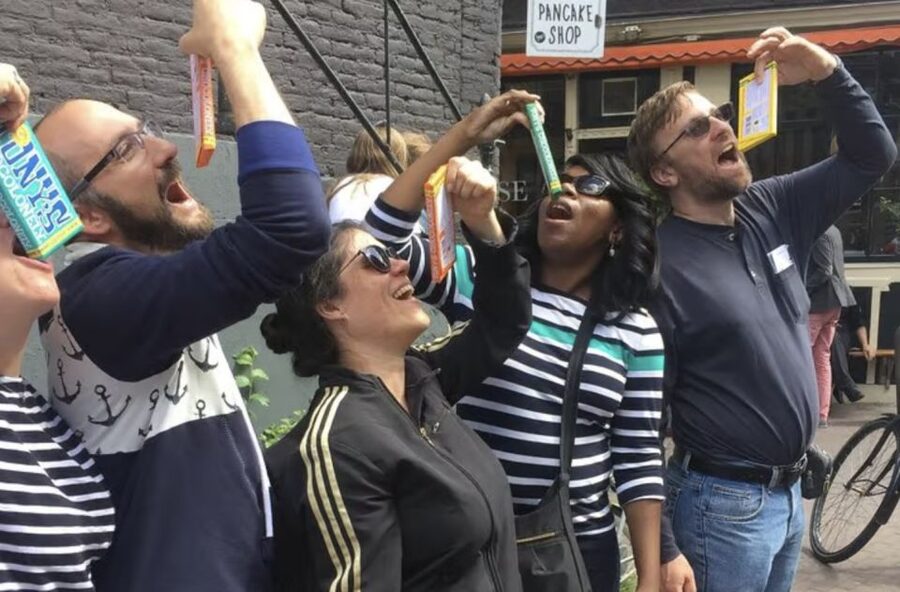
What it is not: it is not a food tour and it does not include drinks. If the group makes a stop, you cover your own food and drinks. That is fine, but it means you should plan a light snack or a meal before or after if you do not want to think about food mid-walk.
Also, since there is no attraction entry, you get a smooth route without ticket lines. If you hate rushing or losing time to queues, this is a good fit.
Should you book this Amsterdam history and culture walk?
Book it if you want an early orientation that goes beyond the obvious photo stops. This tour is especially helpful if it is one of your first days in Amsterdam, because the trade and tolerance framing gives you a framework you can use all week. It also fits well if you like hearing honest stories about complicated places, including the Red Light District, without turning it into sensational entertainment.
Skip it or pair it carefully if you mainly want museum time or a highly structured checklist of indoor sights, because there is no attraction entry. Also, if long walking is a problem, take the fitness note seriously and consider a shorter or more accessible option instead.
If you like walking tours that teach you how the city works, not just what it looks like, this one is a strong choice. It connects 800 years of Amsterdam into a route you can understand, and it ends in the right place to keep your bearings: Dam Square.
FAQ
How long is the Amsterdam walking tour?
The tour duration is 3 hours.
Where does the tour meet?
The meeting point is Beursplien, a small square with a large clock tower and a small stock exchange, located between Dam and Central Station.
Is the tour in English?
Yes, the tour is conducted in English.
What is the price per person?
The price is $38 per person.
What is included in the tour price?
Included are a local English-speaking guide, a tourist city tax of 1.50 EUR per person, and a doggie companion at certain times. Entry to attractions or sites and food and drinks are not included.
Do we enter attractions or museums?
No. There is no entry into attractions or sites.
Are food and drinks included?
No. Food and drinks are not included, unless the group makes a stop.
Is the tour suitable for people with low fitness?
No. It is not suitable for people with low level of fitness.
What are the cancellation and payment options?
You can cancel up to 24 hours in advance for a full refund. You can also reserve now and pay later.
Newest on the canal ring
- Amsterdam Bike Food Tour with Private Guide★ 5.0 · 1 review
- Amsterdam: Rijksmuseum Private Tour with an Art Historian★ 5.0 · 1 review
- Happy B-day Amsterdam! Guided Tour with a History Buff★ 5.0 · 1 review
- Local Foodie Adventure in Amsterdam★ 5.0 · 1 review
- Private Photo Shoot in Amsterdam with a Professional Photographer★ 5.0 · 1 review
- Private day trip to Giethoorn and the Enclosing Dike★ 5.0 · 1 review
- Private Sightseeing Tour to Giethoorn from Amsterdam incl. canal cruise★ 5.0 · 1 review
City Walking Tours, compared.

Amsterdam Anne Frank: Small-Group Walking Tour & Local Guide
Read our review →
Anne Frank’s Story – Guided Walking Tour through Amsterdam
Read our review →
Absolutely Amsterdam – the Essential Introductory Walking Tour
Read our review →
Anne Frank Guided Walking Tour in DE/EN/IT/ES
Read our review →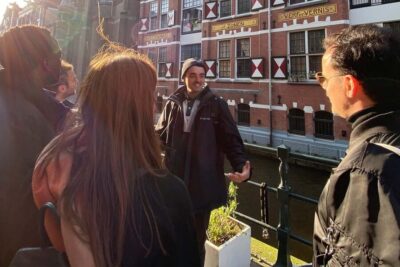

Anne Frank Walking Tour Amsterdam Including Jewish Cultural Quarter
Read our review →Browse the lists this tour appears in