
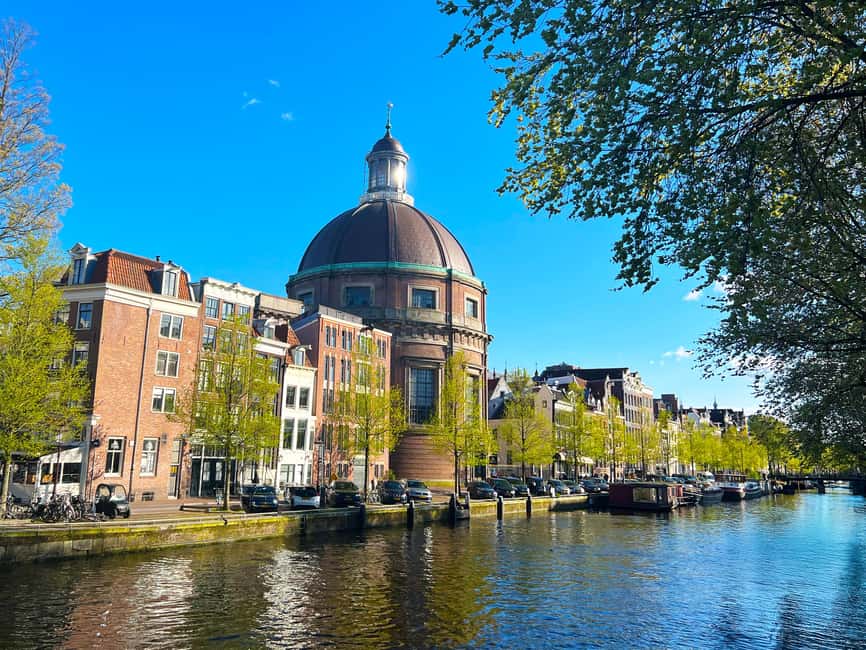
Reviewed · CITY WALKING TOURS
Amsterdam: Private Golden Age Architecture Walking Tour
17th-century Amsterdam feels close on this walk. You start at Dam Square and work your way through the Golden Age canal ring, then finish at Westerkerk, with a local Dutch guide explaining how buildings were made for trade, power, and everyday life. It is a focused route for architecture lovers who want the why behind the pretty facades.
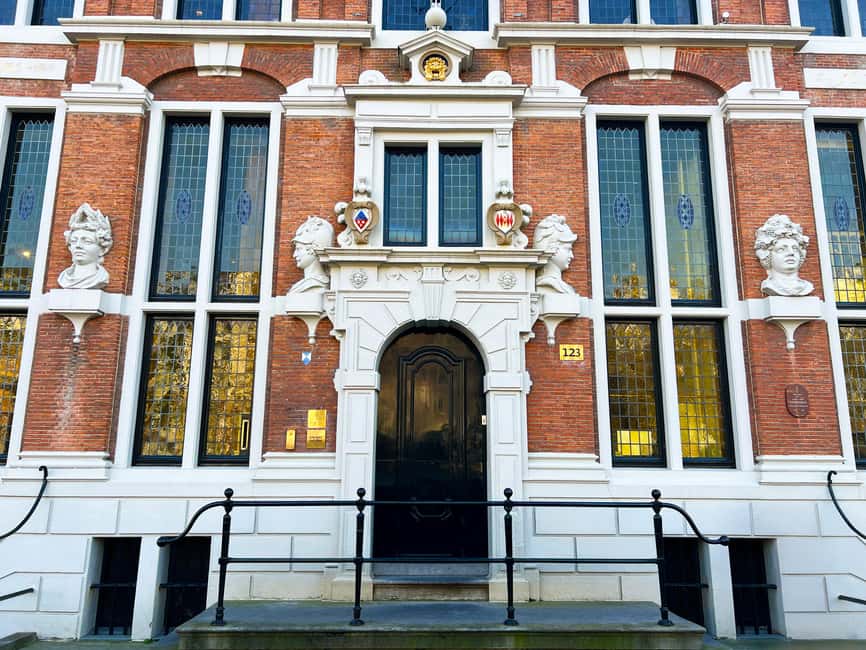
I especially like the connection the guide makes between global trade and what you see in Royal Palace planning and design. I also love the practical architecture details, like the canal houses with narrow, deep plots and gabled fronts, plus the stories behind door carvings you can spot in the Jordaan.
The main thing to think about is simple: you will be walking and standing for about 1.5 hours total, and the tour is not suited for mobility issues or wheelchair users. Plan comfortable shoes, and plan your own way back after the finish in the Jordaan area.
In This Review
- Key highlights to know before you go
- Golden Age Amsterdam in 90 minutes, without the guesswork
- Dam Square to Royal Palace, where trade turned into power
- Museumhuis Bartolotti and the canal house mindset
- The UNESCO canal ring, Herengracht, Singel, and why houses lean
- Warehouses and money, not just pretty façades
- Jordaan on your route, gable stones and working class contrasts
- Westerkerk finish, Dutch Protestant baroque and Amsterdam’s skyline moment
- Price and value for a private group up to 4
- Who this tour fits best, and who should skip it
- The guide factor, and why the story lands
- Should you book Amsterdam: Private Golden Age Architecture Walking Tour?
- FAQ
- How long is the Amsterdam Golden Age architecture walking tour?
- Is this tour private, and what group size is it for?
- Where does the tour start and where does it end?
- What is included in the price?
- What is not included?
- What languages are the live tours offered in?
- What should I bring for the tour?
- Are there restrictions on strollers, scooters, drones, or audio recording?
- Who is the tour not suitable for?
- What are the cancellation and payment options?
Key highlights to know before you go
- Dam Square start with the Royal Palace and the power story of Amsterdam in the 1600s
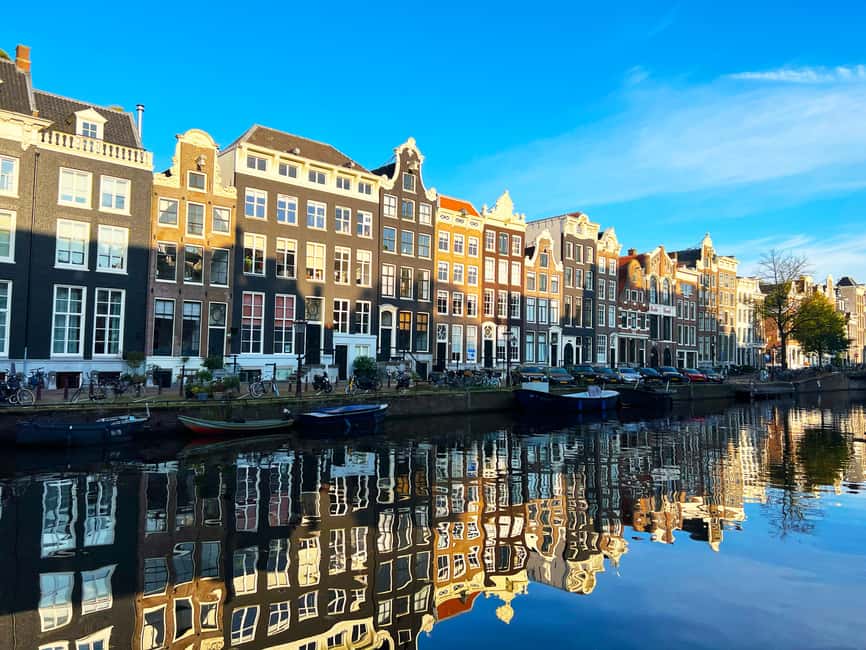
- UNESCO canal ring route where you learn how the city managed growth and trade
- Construction and maintenance clues you can see on canal houses, including why many lean
- Jordaan contrast with smaller streets, local shops, and gable stones above doorways
- Westerkerk finish at Amsterdam’s Protestant baroque church with the tall spire skyline look
- Private group format for questions in English or Dutch, led by guide Anna
Golden Age Amsterdam in 90 minutes, without the guesswork
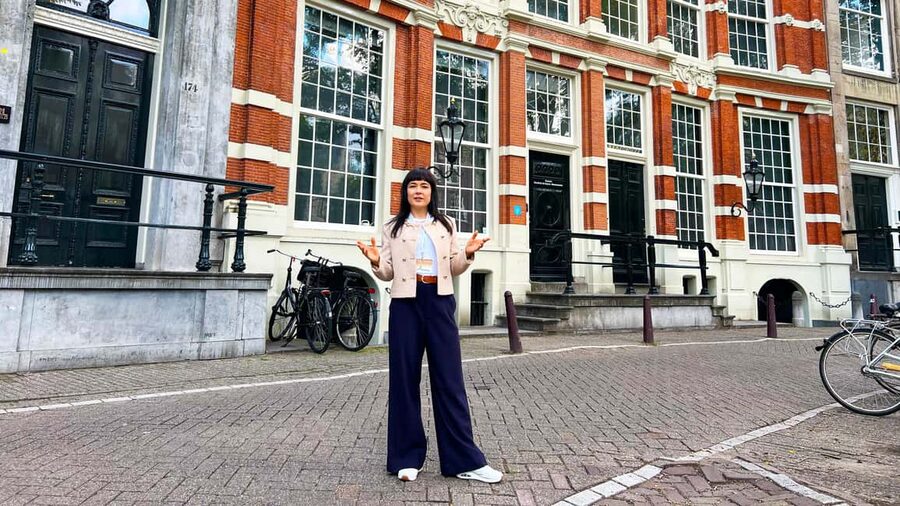
This tour is built for people who want real context, not just postcard views. You get a tight route that moves from the political heart of the city to the trading-era canals and then into the Jordaan neighborhood. It is only 1.5 hours, but the guide keeps the focus on how architecture worked in the Golden Age.
What makes it feel efficient is that each stop links to a specific theme. You are not bouncing around randomly. You are moving through the city like the 1600s did, with canals and civic buildings doing most of the heavy lifting.
More of the canal ring crossed on foot:
- Amsterdam Anne Frank: Small-Group Walking Tour & Local Guide
★ 4.8 · 12,789 reviews - Anne Frank’s Story – Guided Walking Tour through Amsterdam
★ 5.0 · 11,619 reviews - Absolutely Amsterdam – the Essential Introductory Walking Tour
★ 5.0 · 3,629 reviews
Dam Square to Royal Palace, where trade turned into power
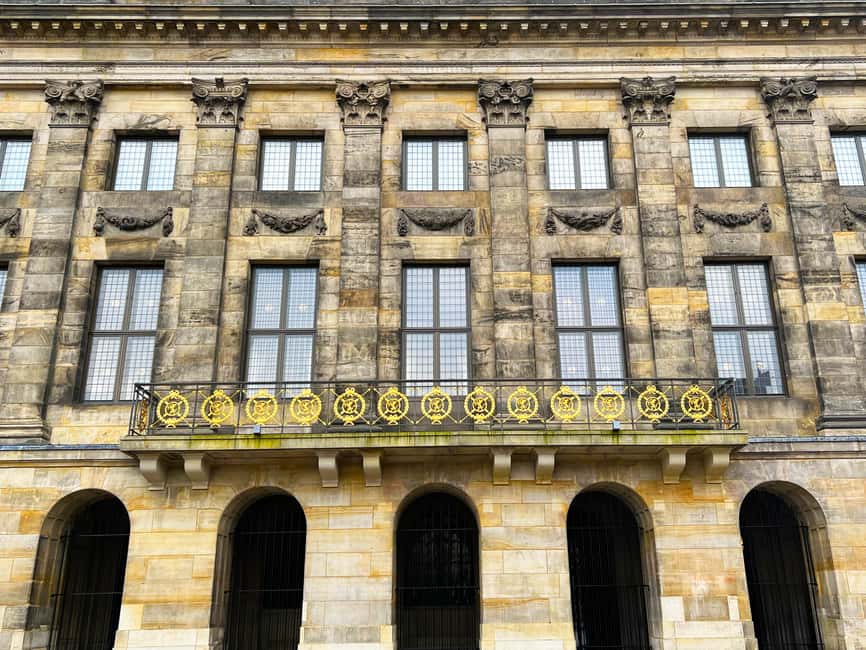
You begin on Dam Square at the golden balcony of the Royal Palace. This is the kind of start that helps you get your bearings fast, because Dam Square has been the city’s central gathering place since the beginning. From here, it is easy to understand why Amsterdam would want its most visible civic building right in the spotlight.
The Royal Palace matters because it started life as Amsterdam’s grand Town Hall during the Golden Age. You get to see Dutch Classicism in a way that makes sense, because your guide connects the style to ambition and governance in the 1600s. In other words, it is not just a pretty building, it is a statement.
If you like to ask questions, this is a good opening moment. The guide can explain how Amsterdam’s wealth from global trade shaped city leadership and the kinds of monuments the city chose to build. I also like that the tour does not treat history like a lecture. It treats it like a cause and effect story.
Museumhuis Bartolotti and the canal house mindset
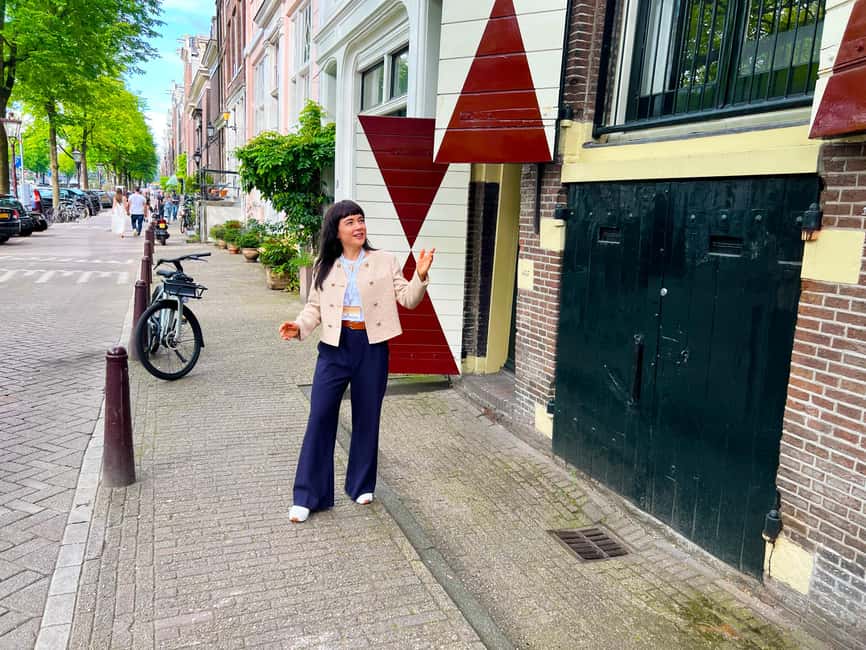
After Dam Square, you move into the canal district and make a short stop near Museumhuis Bartolotti. Even without going deep on interiors, the value here is what you learn to look for. Canal houses in Amsterdam were often designed to serve practical needs and also show off prosperity.
The key idea you get is how the plots were shaped. Many buildings follow a pattern of narrow frontage and deep structure. The large windows and distinctive gabled facades were not random. They were built for daylight, for storage and living space, and for displaying status along the canal line.
This is where a private guide earns their keep. You can ask what you are seeing, and you can get an explanation that matches the building in front of you. I found that kind of attention makes the rest of the walking route much easier to understand.
The UNESCO canal ring, Herengracht, Singel, and why houses lean
The tour spends time along the UNESCO-listed canal ring, including Herengracht, Singel, and Grachtengordel-West, plus brief pauses at spots like De Dolphijn and Prinsengracht. You will make multiple short stops, usually just a few minutes each, which keeps the pace steady and the story rolling.
The big picture is urban planning. These canals were created in the early 17th century to handle rapid growth and trade. Once you know that, the canal ring stops feeling like a set of locations and starts feeling like an operating system.
Then your guide points out what Golden Age architecture looks like at street level:
- Narrow, deep plots that make efficient use of space
- Large windows and gabled facades meant for both living and reputation
- Design choices that reflect what merchants needed to do, not just what they wanted to impress
One of the most memorable details is the “why” behind the buildings’ odd angles. Your guide explains construction techniques and why many canal houses seem to lean forward or sideways. That kind of explanation turns an odd visual feature into a meaningful one.
You also learn about symbolism on façades and how merchants lived and worked there. Even the short stops along Herengracht, Singel, and the other named sections help you build a consistent mental map of the canal ring.
Some other canal-ring outings to set against this

Warehouses and money, not just pretty façades
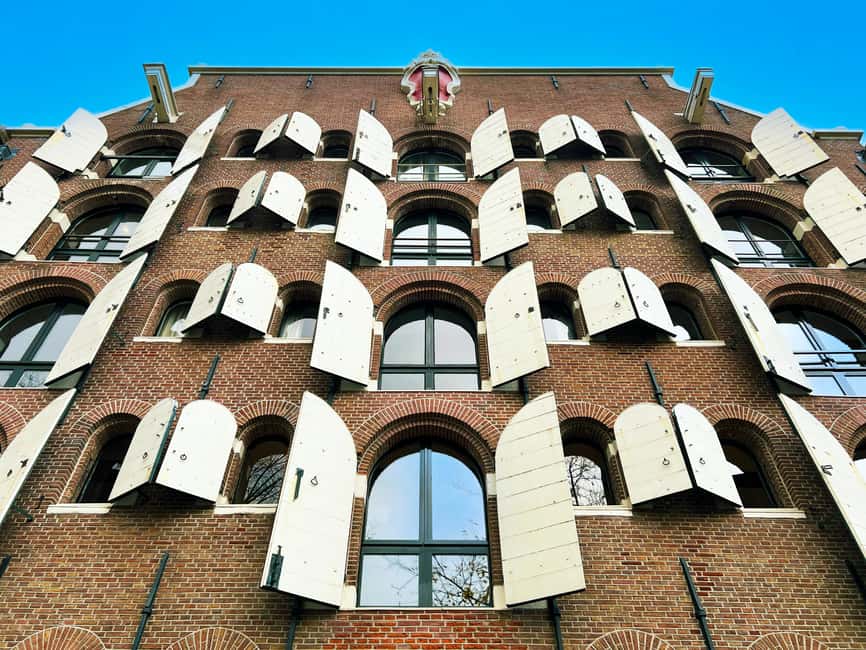
Another theme you will hear tied to the canal ring is warehouses and storage. Amsterdam’s trading power meant goods needed places to sit, move, and manage. Your guide connects that to what you see along the canals.
You will also hear about preservation, including ongoing efforts that help protect these historic, nationally listed buildings so they keep their character over time. I like hearing that, because it shifts the conversation from admiration to responsibility. You are seeing architecture that is still being maintained, not just preserved as a museum object.
This part is especially good if you care about the “how” behind the city. It is one thing to notice that buildings look old. It is another to understand how construction and maintenance influence what still stands today.
Jordaan on your route, gable stones and working class contrasts
Next comes the Jordaan, a neighborhood your guide helps you read in layers. You will spend about 25 minutes here, and that longer pause matters. It gives you time to slow down and absorb the narrower streets, charm, and the everyday energy of shops and cafés.
The Jordaan also works as a contrast to the canal ring. The canal ring often signals wealth and trade, while the Jordaan developed as a working-class area in the 17th century. That difference changes how the architecture feels. You get a more intimate, quirky vibe without losing the Golden Age connection.
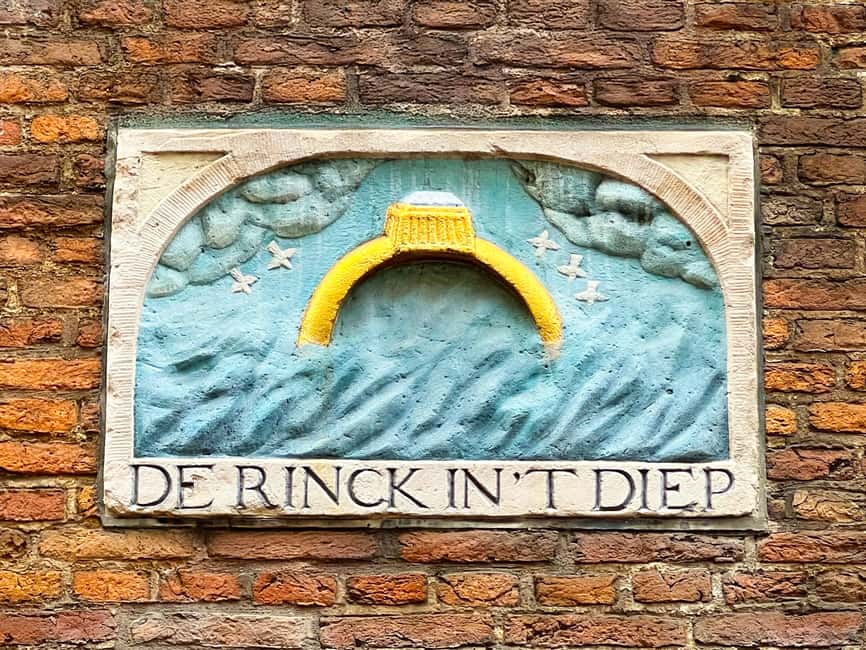
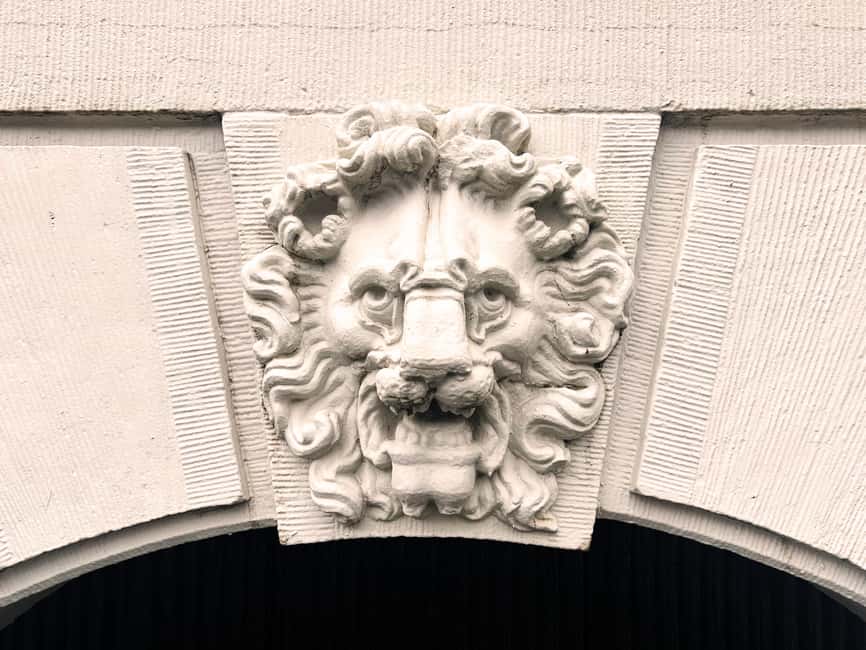
Your guide will point out gable stones above doorways. These are small carved reliefs, and they tell stories about artisans and craftsmen who once lived there. That is a fun detail because it changes what you notice as you walk. You stop looking only at big façades and start spotting smaller symbolic clues.
If you are the kind of traveler who enjoys local neighborhoods as much as famous monuments, this section is where the tour starts to feel personal. You leave the grandeur behind and see the city as people experienced it day to day.
Westerkerk finish, Dutch Protestant baroque and Amsterdam’s skyline moment
Your tour ends at Westerkerk, a major Protestant baroque church. This is a strong finale because your guide frames it as both a skyline landmark and a civic symbol. You also get the dramatic tower effect, since it is the tallest church spire in Amsterdam.
The description you get for the interior is helpful too, because it sets expectations. It is bright and more understated than what you might associate with other big European church interiors. That quiet confidence matches the overall Golden Age feel you have been learning about since Dam Square.
This finish works well because you are not ending in a random spot. Westerkerk is visually distinctive and it gives you a clear “wrap up” point for the architectural story. You get a final landmark where the city’s identity in the 1600s still shows up in the details.
Price and value for a private group up to 4
At $109 per group for up to 4 people, this is priced in a way that often makes sense for small groups or couples traveling together. You are paying for a private guide, and you are getting a 1.5-hour route with multiple named stops that are chosen for their architectural relevance.
The value angle is not only privacy. It is also the fact that the guide can answer your specific questions at each building instead of you waiting for a larger group. The tour is also flexible in the sense that you choose when to ask, and the pacing is leisurely.
What is not included is worth noting for planning. Bottled water is not provided, and you are responsible for getting to the meeting point and from the end point. The route starts at Dam Square and ends in the Jordaan area near Westerkerk, so you’ll want to plan how you will get back to your hotel or next stop.
From a practical standpoint, it is also a good fit if you want a structured introduction to Amsterdam’s Golden Age without stacking three or four separate tickets. You get Royal Palace context, canal ring architecture, and Jordaan street-level details all in one go.
Who this tour fits best, and who should skip it
This tour fits best if you enjoy architecture, want to understand how the city worked during the 1600s, and like walking through neighborhoods with a guide who can explain what you are looking at. It is also a great choice for small groups, since the private format keeps the experience responsive and question-friendly.
It is not a good match if you cannot walk and stand for about 1.5 hours total. It is also not suitable for wheelchair users and other mobility impairments based on the activity rules. Visually impaired and hearing-impaired visitors are listed as not suitable as well.
It is also helpful to know the practical restrictions. Baby strollers, mobility scooters, scooters, drones, and audio recording are not allowed. If any of those apply, you will want to rethink the plan.
The guide factor, and why the story lands
One review highlights a big reason people enjoy this kind of walking tour: the guide. Rafael from Ireland praised Anna, saying she was engaging, funny, and packed with details about the architecture and history. The same review also points out that she answered all questions, which is exactly what you want from a private format.
You also benefit from the language option. The tour runs with a live guide in English or Dutch, so you can pick the language you are most comfortable with. That matters when you are learning construction techniques or trying to interpret small symbols like gable stones.
Should you book Amsterdam: Private Golden Age Architecture Walking Tour?
If you want a private, architecture-focused walk through Amsterdam’s most story-rich areas, this is a smart booking. The route structure works, starting at Dam Square for civic power, moving to the canal ring for trade-era planning and building design, then shifting to the Jordaan for street-level craftsmanship details, and ending at Westerkerk for a clear architectural finale.
I would skip it if walking is an issue or if you need accessibility options that this specific format cannot support. I would also think twice if you were hoping for a long, sit-down museum style day, since this is mostly walking and standing.
If your goal is to leave Amsterdam understanding why the city looks the way it does, this tour gives you that in 1.5 hours, with a guide who makes the details click.
FAQ
How long is the Amsterdam Golden Age architecture walking tour?
The tour lasts 1.5 hours.
Is this tour private, and what group size is it for?
Yes, it is a private group, priced per group up to 4 people.
Where does the tour start and where does it end?
It starts on Dam Square at the golden balcony of the Royal Palace and finishes at Westerkerk.
What is included in the price?
The tour includes a private guide.
What is not included?
Transport to the meeting point and after the tour ends, and bottled water are not included.
What languages are the live tours offered in?
The guide runs the tour in English or Dutch.
What should I bring for the tour?
You should bring comfortable shoes.
Are there restrictions on strollers, scooters, drones, or audio recording?
Yes. Baby strollers, mobility scooters, scooters, drones, and audio recording are not allowed, along with several other items listed in the activity rules.
Who is the tour not suitable for?
It is not suitable for people with mobility impairments, wheelchair users, visually impaired people, or hearing-impaired people.
What are the cancellation and payment options?
You can cancel up to 24 hours in advance for a full refund, and you can reserve now and pay later.
Newest on the canal ring
- Amsterdam Bike Food Tour with Private Guide★ 5.0 · 1 review
- Amsterdam: Rijksmuseum Private Tour with an Art Historian★ 5.0 · 1 review
- Happy B-day Amsterdam! Guided Tour with a History Buff★ 5.0 · 1 review
- Private day trip to Giethoorn and the Enclosing Dike★ 5.0 · 1 review
- Local Foodie Adventure in Amsterdam★ 5.0 · 1 review
- Private Photo Shoot in Amsterdam with a Professional Photographer★ 5.0 · 1 review
- Private Sightseeing Tour to Giethoorn from Amsterdam incl. canal cruise★ 5.0 · 1 review
City Walking Tours, compared.

Amsterdam Anne Frank: Small-Group Walking Tour & Local Guide
Read our review →
Anne Frank’s Story – Guided Walking Tour through Amsterdam
Read our review →
Absolutely Amsterdam – the Essential Introductory Walking Tour
Read our review →
Anne Frank Guided Walking Tour in DE/EN/IT/ES
Read our review →

Anne Frank Walking Tour Amsterdam Including Jewish Cultural Quarter
Read our review →Browse the lists this tour appears in