
Reviewed · CITY WALKING TOURS
Amsterdam: Private World War Two History Walking Tour
Amsterdam remembers, even when you walk in silence. This private Amsterdam WWII history walking tour takes you to the real locations of the German occupation, then connects the dots between resistance, deportations, and the city’s final days in 1945. What I love most is the small group size, capped at four, so the stories stay personal instead of rushed.
I also like that it is led by retired historians and relies on a live, face-to-face conversation rather than an audio headset. The tone is serious, but the walk stays clear and human, with printed notes you can keep and plenty of room for your questions. The main drawback to consider is simple: you do not visit the Anne Frank House, the Resistance Museum, or the Hollandsche Schouwburg on this tour, so plan another stop if those are your must-sees.
In This Review
- Key takeaways
- Why this small-group WWII walk feels different in Amsterdam
- Meeting point at Prinsengracht 263, and how the walk flows
- The Wehrmacht arrival story, plus resistance photos you see where events happened
- Dam Square on May 7, 1945: the shooting incident in context
- Winter of hunger and food drops: survival, not slogans
- A street memorial with names and photos: learning victims as individuals
- Auschwitz and Sobibor, plus the Auschwitz violin player statue
- What you will not visit: deciding if this tour matches your must-sees
- Coffee break timing, walking pace, and what to bring
- Price and value: $188 for a private group up to four
- Who should book this Amsterdam WWII history walking tour
- Should you book this Amsterdam Private WWII History Tour?
- FAQ
- How long is the Amsterdam WWII private walking tour?
- What is the group size?
- What time does the tour start, and where do I meet?
- Is the tour guided in English?
- Does the tour include a coffee or restroom break?
- Are the Anne Frank House, Resistance Museum, or Hollandsche Schouwburg visited?
- What is included in the tour price?
- What should I bring?
- Is the tour wheelchair accessible?
- Is cancellation free if my plans change?
Key takeaways
- Up to 4 people means more questions, more pacing control, and less staring at a guide from the back.
- No audio system keeps the experience focused on your guide and your route, not a device.
- Dam Square (May 7, 1945) gets attention with the kind of on-the-ground context you miss on bus tours.
- One-street memorial with names and photos gives the Jewish victims of Amsterdam real identity, not just general facts.
- Auschwitz and Sobibor connections are explained on the walk, plus you’ll see a statue linked to a famous Auschwitz violin player.
- Coffee break halfway helps you reset, with restroom time and optional late breakfast.
Why this small-group WWII walk feels different in Amsterdam
If you want Amsterdam history that is specific, not generic, this tour is built for you. It stays centered on the Nazi occupation of Amsterdam from 1940 to 1945, using street-level landmarks where something happened, where photographs were taken, or where memorials still shape how the city remembers.
The biggest advantage is the group limit. With four people or fewer, I can imagine how much easier it is to ask the follow-up questions that usually come up when you hear names, dates, and locations tied to real lives. You get personal attention throughout, and the guide can slow down when a moment needs it.
There is also a practical comfort here: they do not use an audio system. That matters because walking tours often turn into listening marathons. Instead, the guide talks to you directly, and the pace is basically your pace. If you like to stop and look, you can.
Just know the subject matter is heavy. This is not a “fun facts” walk. You’re walking through trauma, memorials, and deportation history, so bring the right mindset: respectful, ready to learn, and prepared for emotion.
More of the canal ring crossed on foot:
- Amsterdam Anne Frank: Small-Group Walking Tour & Local Guide
★ 4.8 · 12,789 reviews - Anne Frank’s Story – Guided Walking Tour through Amsterdam
★ 5.0 · 11,619 reviews - Absolutely Amsterdam – the Essential Introductory Walking Tour
★ 5.0 · 3,629 reviews
Meeting point at Prinsengracht 263, and how the walk flows
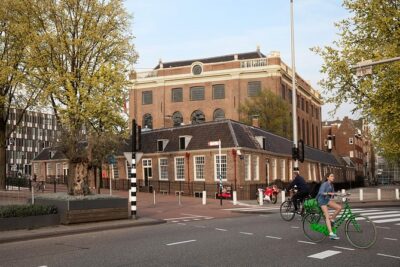
The tour starts at 9:30 A.M. in front of the old Anne Frank House on Prinsengracht 263. The meeting spot has a fun practical trick: the guide holds a big notebook, and you find the location between the museum and a lunch café, at the plate marked 263. If you can touch the number plate 263, you’re in the right place.
From that start, the walk is designed like a guided story you can hold onto. You get information on paper during the tour, and you can keep it afterward. That’s a real quality-of-life detail. When you’re hearing about multiple locations and multiple events, having something tangible to refer to makes the learning stick.
Timing-wise, it’s about 3 hours, though it can extend a bit. Midway through, there’s a short break for coffee and/or a restroom visit. The coffee itself is not included, but the stop is. You can also eat something during the coffee break, and a late breakfast idea is built into the schedule.
Also, you can walk at a pace that works for you. The tour is listed as wheelchair accessible. If mobility is a factor, it’s smart to email ahead so they can plan the coffee stop and the route around your needs.
The Wehrmacht arrival story, plus resistance photos you see where events happened
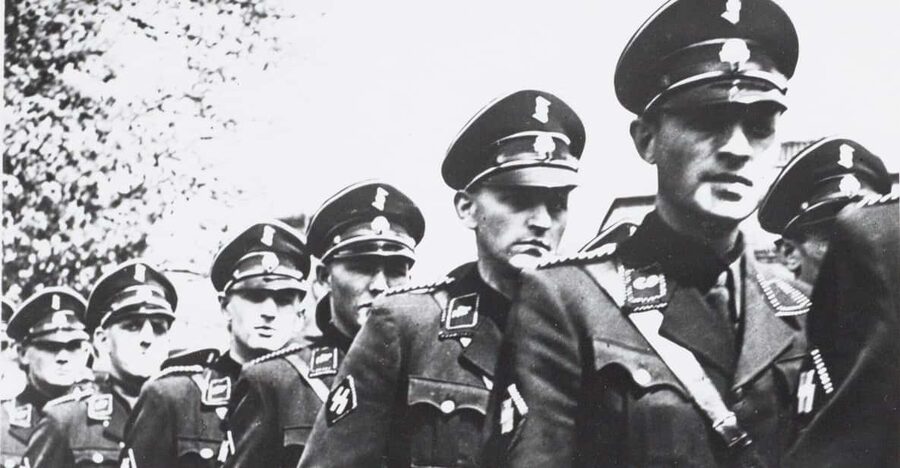
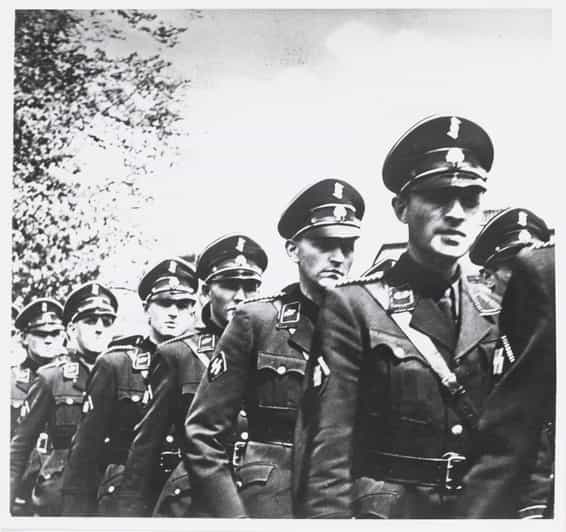
One of the standout parts is how the tour uses visual proof and then anchors it to a place. You’ll be shown photos of the German army entry, including the Wehrmacht arrival, and the guide explains the context around what the city looked like at that time.
A specific site moment that’s part of the walk is the former town hall area, now The Grand Hotel. The tour discusses the welcoming of the German army there, with photos used to show what that period looked like. The story does not stop at the occupation either. It connects forward to later events, including the Canadian army being cheered afterward.
That contrast is one reason I think this tour works well: it doesn’t treat history like a single static scene. It shows how Amsterdam’s public mood and power structure shifted over time, sometimes within the same streetscape you walk past today.
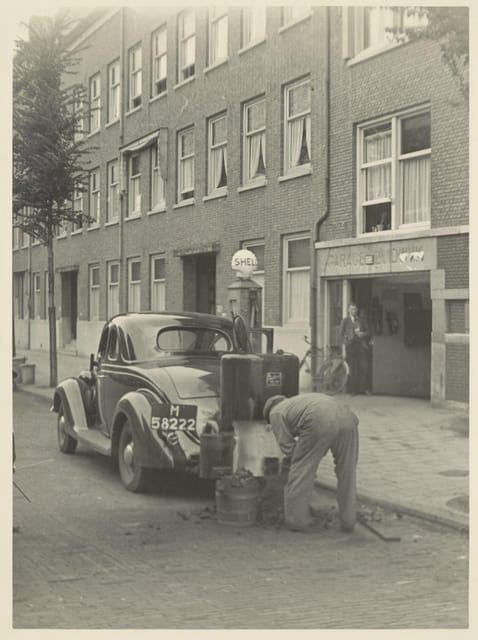
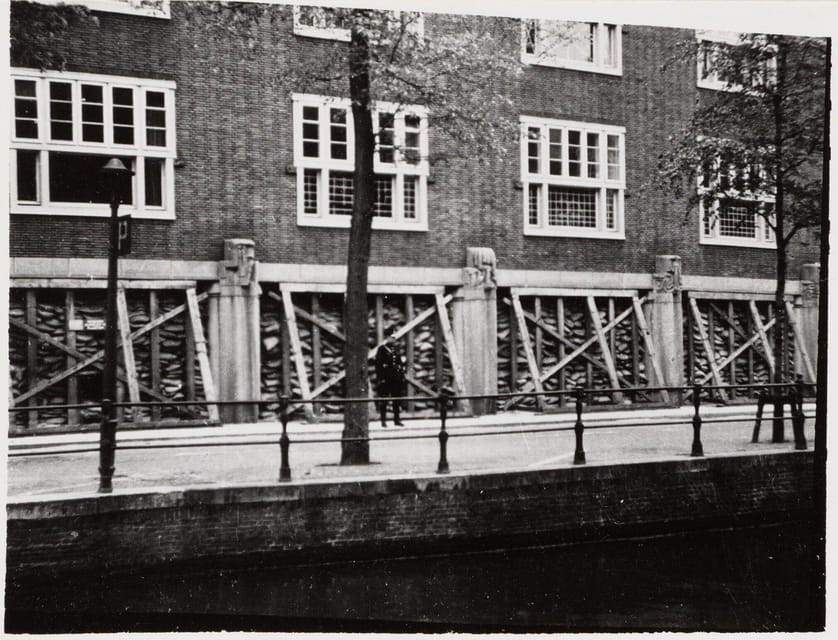
Another valuable element is the way they talk about resistance efforts through preserved images. The tour includes several photos taken by Dutch resistance fighters, shown at the locations where they fit the story. You’re not just hearing about bravery. You are seeing what evidence survives and why it matters.
If you like history that you can test in your eyes, this section is a good match. You’ll likely finish feeling like you know the geography of the occupation, not just the timeline.
Dam Square on May 7, 1945: the shooting incident in context
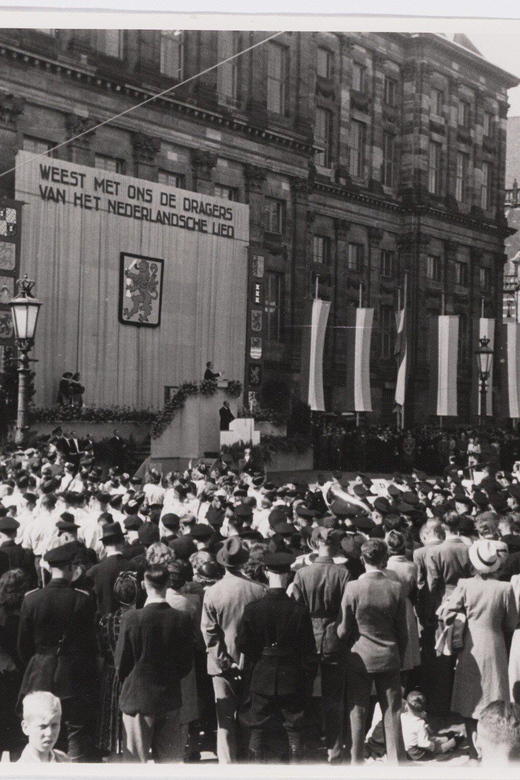
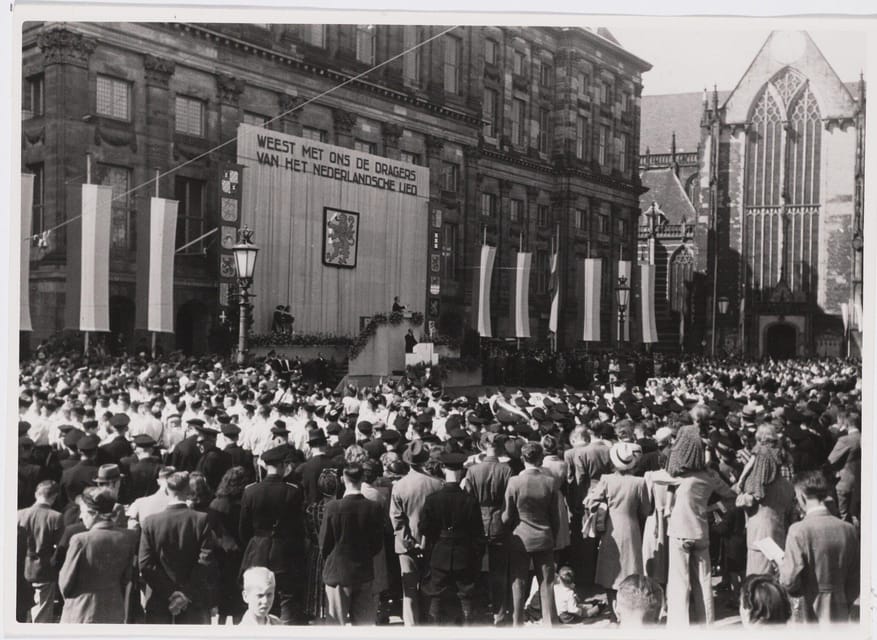
Dam Square is famous for modern Amsterdam energy, but this tour asks you to look at it differently. It specifically addresses the shooting incident on Dam Square on May 7, 1945. That date sits right at the end of the war in Europe, and the guide uses the setting to explain why the final days still carried violence and fear.
What I like about this approach is that it trains your eye. You learn how memorials and history markers work in a city where daily life continues. The square is still a square, still busy at times, but the meaning underneath it changes when you know what happened there.
This is also where a live guide helps most. A headset can be enough for facts, but the guide can point, pause, and emphasize the human stakes in real time. If you want your questions answered, this is the kind of stop where you’ll probably want them.
A practical note: Dam Square can be busy. The tour keeps a walking pace that you can control, but you should still be ready for crowds to affect how quickly you move and how much you can stop to look.
More of the Golden Age still standing:

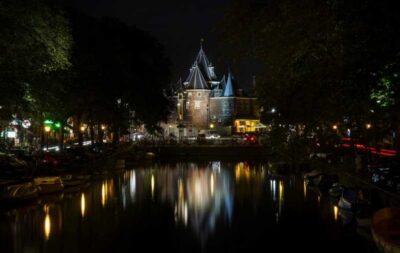

Winter of hunger and food drops: survival, not slogans
Occupation history can turn abstract fast, so I appreciate that the walk includes the winter of hunger and the idea of food dropping during that period. Instead of just listing events, the guide connects the topic to what it meant for daily survival, which is often where history gets real.
This portion matters because food shortages are not a side note in wartime Amsterdam. They are part of how occupation tightened control, and they are one of the ways suffering became visible throughout the city.
You’ll walk past places tied to these stories while the guide explains how people managed under extreme conditions. The goal here is understanding, not shock value. Expect a factual, grounded tone that ties the winter of hunger to the wider occupation system and the desperation that came with it.
If you prefer a tour that balances military events with civilian life, this stop is one of the reasons to pick this experience over something more general.
A street memorial with names and photos: learning victims as individuals
This is the moment I think most people remember. The tour includes a carefully selected memorial focus: it shows all the Jewish victims from one Amsterdam street. The guide explains that they selected one street and prepared a small book for you that includes photos and names of the residents and where they died.
That “small book” detail is important. It turns a broad tragedy into specific human identities tied to a real place in Amsterdam. Instead of feeling like you’re reading numbers, you’re looking at names, faces, and the path of deportation as described in the tour materials.
You’ll also see that this street memorial is reinforced by preserved resistance photographs shown at the relevant locations. The guide then provides the background that makes those images meaningful in context. You are effectively learning how evidence survives, and how the city uses that evidence to remember.
If you’ve ever felt unsure about how to approach Holocaust history respectfully while traveling, this is structured in a way that helps. You are not just “passing a plaque.” You are being guided through a focused memorial and given something to take with you.
Emotion is likely. That’s normal. If you need a moment, use the coffee break partway through the walk to reset and catch your breath.
Auschwitz and Sobibor, plus the Auschwitz violin player statue
The walk explains deportations of Amsterdam’s Jewish population and their fate in extermination camps, specifically including Auschwitz and Sobibor. The guide connects these grim destinations back to what people faced in their home city.
One of the most memorable physical landmarks tied to this topic is the statue of the famous violin player from Auschwitz. Seeing a memorial like this in the middle of an everyday city space makes the past feel closer, and the guide helps you understand why that figure matters symbolically.
I also think this stop works well because it handles scale. It moves from city streets to camp names, without losing the sense that this was carried out through systems of deportation. You come away understanding that the occupation’s reach extended far beyond borders and far beyond what Amsterdam residents could imagine in the moment.
This section is not about spectacle. It’s about recognition, and it helps you connect the street-level memorial materials you saw earlier to the larger story of the camps.
What you will not visit: deciding if this tour matches your must-sees
This tour keeps a tight focus on occupation sites and related memorials, so there are some high-profile stops you should know about in advance. You do not visit:
- The Anne Frank House
- The Resistance Museum
- The Hollandsche Schouwburg, the deportation center
That doesn’t make the tour lesser. It just makes it different. If your priority is those specific indoor exhibits, you’ll need to plan them separately.
The good news is the meeting point is near the Anne Frank House, but you start there and then move on rather than entering it. That can actually work well for many people because it lets you experience the broader WWII city context, instead of spending your limited time only inside museums.
If you do love museums, you might pair this walk with one or more of those stops on a different day. If you prefer walking and street-level memory, this tour is already aligned with what it promises.
Coffee break timing, walking pace, and what to bring
A short break happens about halfway through the walk for coffee and/or restroom time. That is included as a stop, but the refreshments are not included, so you’ll want to budget a bit extra if you plan to drink something or eat during the break.
The route is designed around a pace you choose. You can also participate with a wheelchair. Still, it’s smart to email ahead if you’re using one, so they can account for the coffee stop and the route in a way that works for you.
What to bring is refreshingly simple: bring an umbrella. Amsterdam weather can change quickly, and this is one practical reason to show up prepared even when the forecast looks calm.
Because there’s no audio system and you’ll be listening closely, it helps to wear comfortable walking shoes and keep a steady rhythm. You’ll likely be stopping for details and photos, and the guide may spend extra time when you ask questions.
Price and value: $188 for a private group up to four
The price is $188 per group, with a maximum group size of four. That means the value depends on how you book.
- If you book solo or as a couple, it’s more per person because you’re paying for the whole private group.
- If you book with a group of up to four, the per-person cost drops and the experience becomes a strong deal for the amount of on-the-ground storytelling you get.
Why it feels like good value: you get three retired historians providing the tours, personal attention with no audio system, printed information you can keep, and a route focused on specific memorials and occupation sites rather than broad sightseeing.
Also, the group cap matters. This isn’t a crowd tour where you fight to hear the guide. The format is intentionally small, and that tends to produce higher quality conversations, especially for a subject as detailed as WWII occupation history.
If you care about having your questions answered, private format is not just a luxury here. It’s part of what makes the learning effective.
Who should book this Amsterdam WWII history walking tour
This is a smart choice if you want history that is grounded in places, not just names. I’d also recommend it if you enjoy walking tours that go off the beaten path and focus on one major theme.
It’s especially suited for:
- People who want to understand the Nazi occupation period in Amsterdam, 1940 to 1945
- Visitors who want memorial storytelling that includes names and photos
- Travelers who prefer conversation and questions over audio-only narration
- Those who want a small-group pace, including wheelchair accessibility
From the reviews, you can see the guide quality stands out. Guides including Peter Schaapman are praised for extensive knowledge and exceptional storytelling. Even when the subject is difficult, the tour aims to keep it clear and structured.
If you want a cheerful day out, this is not that. If you want an informed, respectful, place-based WWII walk through Amsterdam, this is one of the better choices you can make.
Should you book this Amsterdam Private WWII History Tour?
I’d book it if your goal is understanding the Nazi occupation through real streets, memorials, and survivor-linked documentation, with a small group and plenty of personal questions.
You should book it too if you like taking home something tangible, like the printed materials and the small memorial book with names and photos. Those extras turn the walk into something you can revisit after your trip.
Skip it or plan something else if your top priority is visiting the Anne Frank House, the Resistance Museum, or the Hollandsche Schouwburg. This tour is built for city walking and occupation-site context, not those specific museum entrances.
If you do book, come ready for the heavier parts, wear comfortable shoes, and bring your umbrella. Then let the guide do what they’re good at: turning Amsterdam streets into a clear, human story you can actually remember.
FAQ
How long is the Amsterdam WWII private walking tour?
The tour lasts about 3 hours, though it may extend a bit.
What is the group size?
It is private, and the group is capped at a maximum of 4 people.
What time does the tour start, and where do I meet?
The start time is 9:30 A.M. You meet in front of the old Anne Frank House on Prinsengracht 263, with a note about locating the plate marked 263.
Is the tour guided in English?
Yes. The live tour guide speaks English.
Does the tour include a coffee or restroom break?
Yes. About halfway through the walk, there is a short break for coffee and/or restroom use. Refreshments are not included, but you can have something to eat during the stop.
Are the Anne Frank House, Resistance Museum, or Hollandsche Schouwburg visited?
No. This tour does not visit the Anne Frank House, the Resistance Museum, or the Hollandsche Schouwburg.
What is included in the tour price?
The included details are the private small group experience with live guide interaction, a walking pace you can control, and the paper information you receive to keep. There is also a planned coffee and/or restroom break.
What should I bring?
Bring an umbrella.
Is the tour wheelchair accessible?
Yes, it is listed as wheelchair accessible. If you use a wheelchair, it’s advisable to email ahead so the coffee stop and route can be taken into account.
Is cancellation free if my plans change?
Yes. There is free cancellation up to 24 hours in advance for a full refund.
Newest on the canal ring
- Amsterdam Bike Food Tour with Private Guide★ 5.0 · 1 review
- Amsterdam: Rijksmuseum Private Tour with an Art Historian★ 5.0 · 1 review
- Happy B-day Amsterdam! Guided Tour with a History Buff★ 5.0 · 1 review
- Local Foodie Adventure in Amsterdam★ 5.0 · 1 review
- Private Photo Shoot in Amsterdam with a Professional Photographer★ 5.0 · 1 review
- Private day trip to Giethoorn and the Enclosing Dike★ 5.0 · 1 review
- Private Sightseeing Tour to Giethoorn from Amsterdam incl. canal cruise★ 5.0 · 1 review
City Walking Tours, compared.

Amsterdam Anne Frank: Small-Group Walking Tour & Local Guide
Read our review →
Anne Frank’s Story – Guided Walking Tour through Amsterdam
Read our review →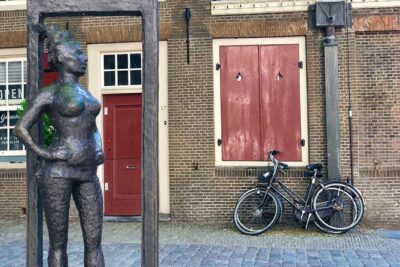
Absolutely Amsterdam – the Essential Introductory Walking Tour
Read our review →
Anne Frank Guided Walking Tour in DE/EN/IT/ES
Read our review →

Anne Frank Walking Tour Amsterdam Including Jewish Cultural Quarter
Read our review →Browse the lists this tour appears in