
Reviewed · ANNE FRANK HOUSE TICKETS
Amsterdam Walking Tour:Anne Frank, History & Liberal Culture
Anne Frank history, told with Amsterdam street smarts. I like how this small-group walk blends Antonis storytelling with real city life, from water management to WWII resistance secrets. You also get the optional Secret Annex VR experience, which helps when you cannot access the Anne Frank House in person.
I love the practical feel of the tour, like how it explains why Amsterdam works as a city, not just what it looks like. One thing to consider: it is not wheelchair-friendly, so bring comfortable shoes and expect steady walking on uneven streets and bridges.
In This Review
- Key highlights I would not skip
- A liberal Amsterdam story, anchored in Anne Frank
- Starting at De Silveren Spiegel, then settling into a relaxed rhythm
- Centraal and the bridge chain: where Amsterdam’s water logic shows up
- Tony’s Chocolonely and the everyday side of liberal Amsterdam
- Jewish Quarter context, then the war years you should know
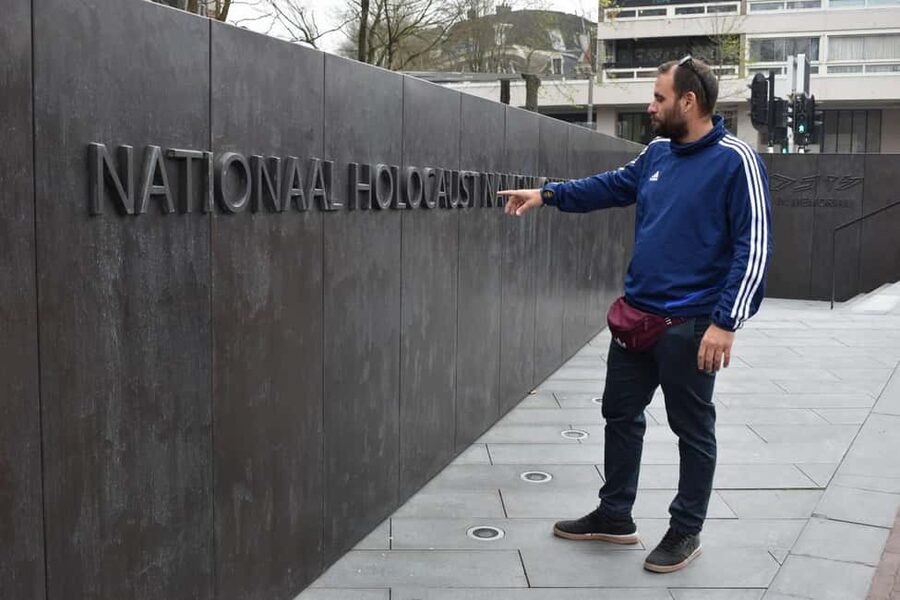
- National Holocaust Names Monument and ending at Waag
- Secret Annex VR, coffee, and the keepsakes that make it stick
- What you actually get for the $40 price
- Should you book this Antonis walk?
- FAQ
- How long is the Amsterdam walking tour?
- What is the price per person?
- Where is the meeting point?
- Is the Secret Annex VR experience included, and is it optional?
- What is included in the tour?
- What group size should I expect?
- Is the tour suitable for wheelchair users?
- What should I bring for the walk?
Key highlights I would not skip
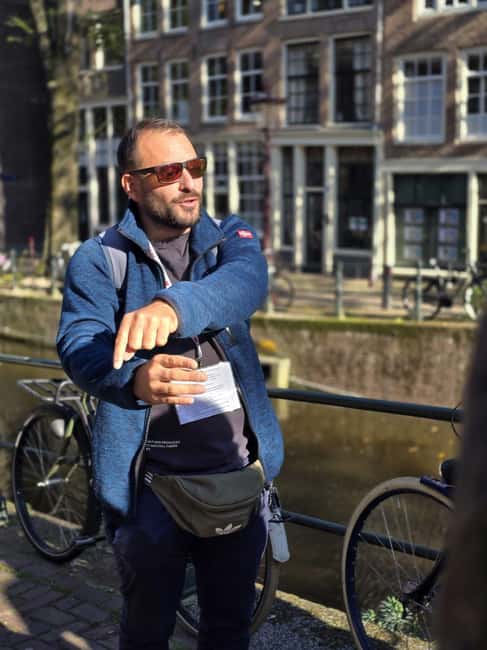
- Antonis turns history into street-level stories with humor and visuals, including chalk drawings and references that make the details stick.
- Water management is the hidden engine of Amsterdam as you learn why canals, bridges, and even houseboats feel so central to daily life.
- Leaning houses and bridge-side mysteries come up in the walk, with explanations that go beyond postcard angles.
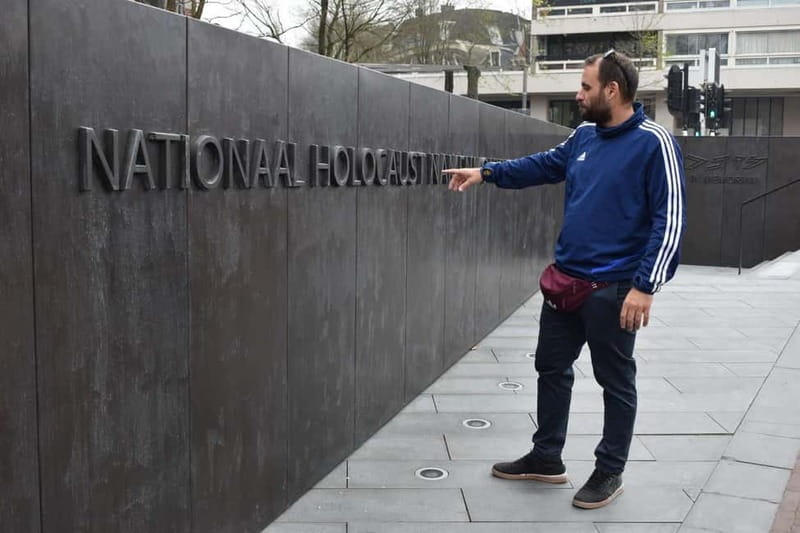
- Holocaust reflection is handled with care at the National Holocaust Names Monument, then tied back into the Anne Frank WWII story.
- Optional Secret Annex VR adds a modern layer without taking over the whole tour.
- You leave with keepsakes plus local food guidance: a Polaroid photo, a postcard with an official stamp, coffee, and sweet treats.
A liberal Amsterdam story, anchored in Anne Frank
Amsterdam can be quirky, clever, and pretty fast-moving. This tour leans into that, but it also slows down for the heavy parts. You get a city portrait that connects daily habits, liberal values, and the kind of courage people showed during World War II.
What makes the concept work is the balance. You spend time on canals, bridges, and neighborhoods that shape how Amsterdam feels today. Then the walk shifts toward Jewish history and WWII memory, ending with reflection that lands for real, not as a quick photo stop.
I also like the tone: not scripted, not dry. Antonis uses chalk drawings, visuals, and storytelling that feels like a conversation with a smart friend who genuinely likes his city.
Other routes to the Anne Frank House:
- Amsterdam Anne Frank: Small-Group Walking Tour & Local Guide
★ 4.8 · 12,789 reviews - Anne Frank’s Story – Guided Walking Tour through Amsterdam
★ 5.0 · 11,619 reviews - Amsterdam: Anne Frank Guided Walking Tour in DE/EN/IT/ES
★ 4.9 · 3,107 reviews
Starting at De Silveren Spiegel, then settling into a relaxed rhythm
You meet at the restaurant De Silveren Spiegel at Kattengat 4-6. From there, the walk starts with a quick photo stop at the HIV/AIDS monument, keeping the pace light and letting you settle in. It is a short opener, but it signals the tour style: history and meaning, with enough humor to keep it human.
The group is small, limited to 10 participants. That matters because you can actually ask questions without waiting for a megaphone tour format. The walking pace is relaxed, with plenty of stops for photos and explanations rather than sprinting from one landmark to the next.
Bring water and weather-appropriate layers. Also bring your camera, because the route is built around canal views, bridges, and neighborhood corners that look best when you slow down.
Centraal and the bridge chain: where Amsterdam’s water logic shows up
Amsterdam’s canals can look like set dressing. This tour teaches you why that is the wrong way to see them. One of the strongest threads is water management, and you feel how it connects to the city’s engineering, building shapes, and even the charm of houseboats.
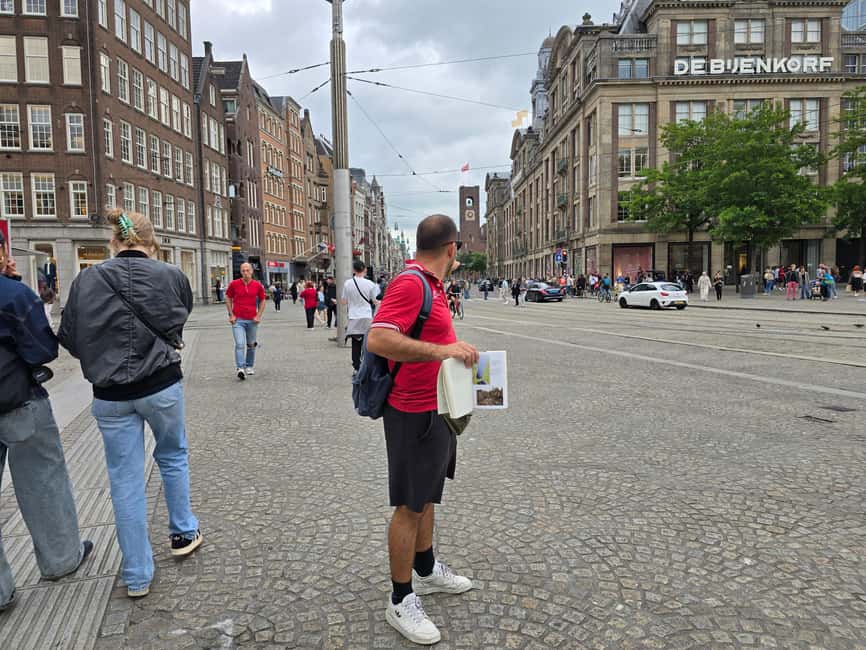
You pass Amsterdam Centraal Station early, with a brief photo stop and guided context. It is a useful grounding moment. From there, the tour keeps moving through bridge stops that help you understand how Amsterdam stitches neighborhoods together, both practically and aesthetically.
Here is what you will notice as you walk the bridge sequence:
- The Aluminium Bridge photo stop gives you a chance to spot the rhythm of canal-side architecture.
- The Staalmeestersbrug stop pushes beyond the view, with talk that ties the city’s design choices to daily living.
- Magere Brug is a classic canal moment, but it is not just for scenery. The guide uses it to talk about how places become symbols in Amsterdam, and how that symbolism connects to the city’s “liberal DNA.”
- The Blauwbrug Bridge stop continues the bridge theme, with more explanation that helps you see the canal system as a lived environment rather than a museum display.
Along the way, you also hear about leaning houses and the mystery behind why some buildings look the way they do. That detail matters because it changes how you look at Amsterdam after the tour. Instead of only spotting famous buildings, you start noticing patterns, materials, and the gentle oddness that comes from building in a water-shaped city.
One word of practical advice: if your legs get tired quickly, pace yourself through the bridges. The tour is relaxed, but the route still adds up in walking time.
Tony’s Chocolonely and the everyday side of liberal Amsterdam
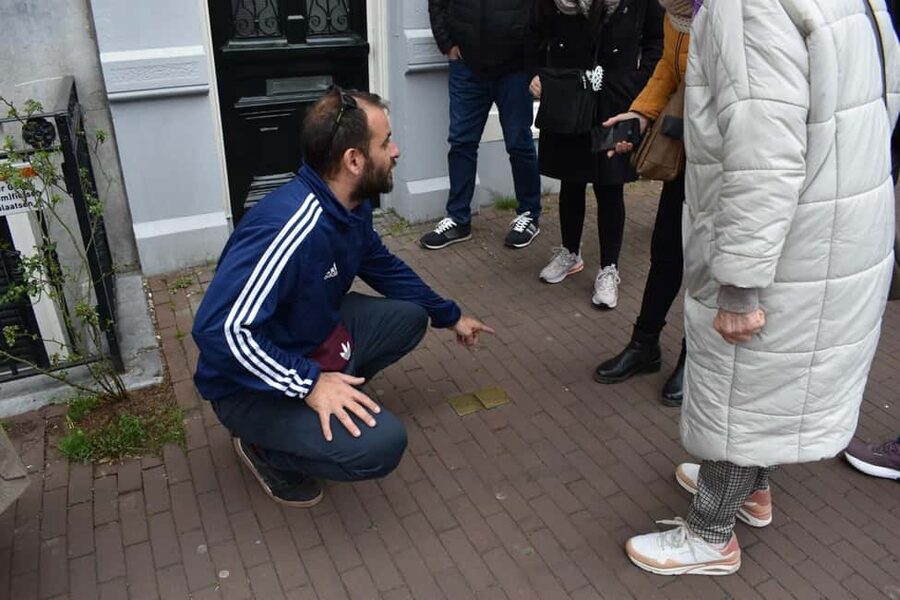
This is not just a WWII tour with extra stops. You also get the modern “why this city works” angle, and one of the most fun ways it shows up is at Tony’s Chocolonely Superstore.
The stop is short, but it fits the theme. The guide uses everyday places like this to talk about liberal culture in practical terms: how people organize society, how ideas become products and habits, and how Amsterdam keeps reinventing itself without pretending the past does not exist.
You also cover Dutch education as part of the bigger story. It is easy to treat education as background trivia. Here it becomes part of the explanation for why Amsterdam’s approach to tolerance and progress took hold and kept going.
This is also where Antonis’s personality helps. In the reviews, people consistently praise his humor and his ability to keep things moving. You will feel that in how he shifts from canal engineering to social culture without turning it into a lecture.
More of the canal ring crossed on foot:

Jewish Quarter context, then the war years you should know
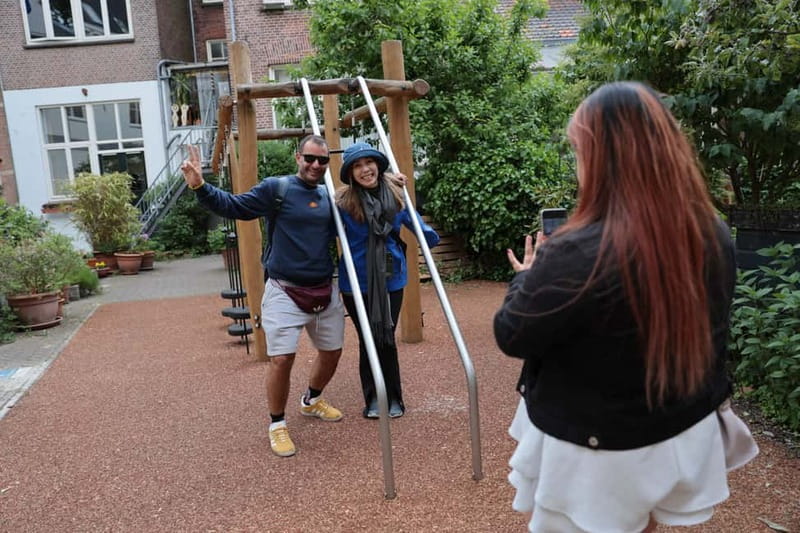
The tour enters the Jewish Quarter with a focused guided segment. This is one of the moments where you go from “Amsterdam stories” to “Amsterdam memory.” The guide does not rush it, and you get enough historical grounding to understand what the neighborhood represents in the WWII story.
As you continue, the tour connects Jewish history to the larger Anne Frank narrative and the resistance context that surrounded them. You also pick up the idea of hidden spaces and secret survival strategies in the city, including mention of hidden prisons under bridges. Even when you cannot point to a single exact “this was the place” moment, the concept helps you understand how people used the city’s structure to stay alive.
The important thing here is tone. The WWII content is not treated like shock value. It is framed to help you understand how a society can be open and still face brutal forces, how people adapted, and why memory matters in a place that keeps living.
National Holocaust Names Monument and ending at Waag
You reach the National Holocaust Names Monument for a guided stop. This is the reflection point, and it feels different from the earlier sightseeing. You slow down here for what the site stands for, and the guide helps connect the names and the meaning back to the human history of the period.
Right after, you keep walking through older city layers. Zuiderkerk appears with a brief photo stop and guided context. Nieuwmarkt Square follows, with another photo stop and guided segment that helps you connect the geography to the stories you have been hearing.
Then the tour finishes at Waag. Ending here feels right because it returns you to a spot that represents Amsterdam’s civic life and history. It also sets you up to continue exploring on your own, with a clearer sense of where you are and how the city got shaped.
Secret Annex VR, coffee, and the keepsakes that make it stick
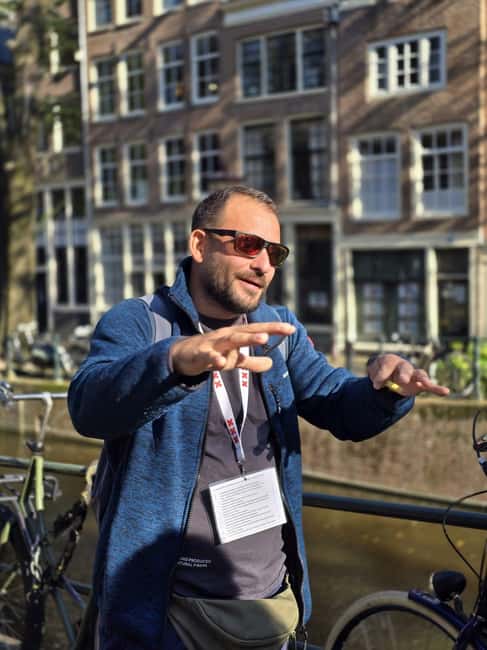
One of the biggest practical perks is the optional virtual reality experience that takes you inside the Secret Annex. If you have tried to plan Anne Frank House tickets and hit barriers, this part of the tour can feel like a helpful workaround.
It is optional, so you can choose based on your comfort level. Since there is only one VR headset for the group, expect that this segment will be handled with the calm rhythm of “who goes when,” not a free-for-all. The rest of the tour continues while others experience it, so the walk does not pause completely for everyone.
Coffee is included, and the stop is built for conversation and questions. This is where you can ask Antonis about whatever you still feel unsure about. It is also a good moment to ask for practical, local recommendations.
You finish with tangible souvenirs:
- A mini Polaroid photo taken by your guide
- A unique postcard of Amsterdam with a personalized handwritten message and an official stamp
- A sweet surprise, such as chocolate or stroopwafel, plus a chocolate or biscuit option
- A list of recommendations for nearby bars and restaurants
I really like this format because you are not only learning facts. You are leaving with something you can physically keep, plus the next steps for your evening.
What you actually get for the $40 price
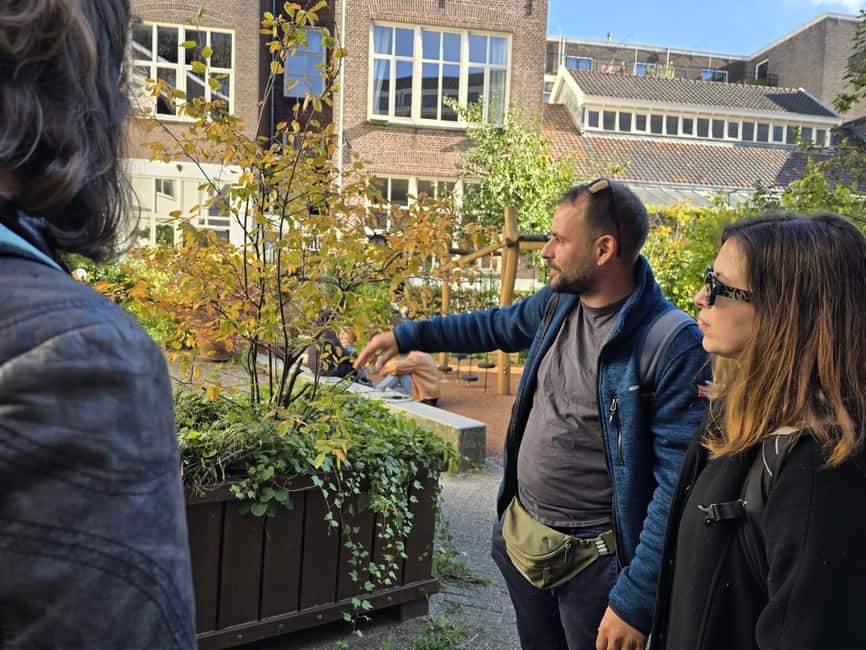
At $40 per person for about 3 hours, this tour sits in the “worth it if you care about context” zone. You are paying for more than walking. You get a small-group guide, coffee, sweets, a Polaroid keepsake, a written-and-stamped postcard, and the optional Secret Annex VR experience.
The value comes from the blend:
- A guided route that covers both iconic and lesser-noticed parts of central Amsterdam
- WWII context connected to Jewish history and memory sites
- Liberal culture explained through water management, education, and everyday society
- Modern support in VR when traditional access is tricky
If you want a quick photo circuit, this might feel slower than you expect. If you want to leave with a sharper mental map and a clearer understanding of why Amsterdam is the way it is, this price starts making sense fast.
Should you book this Antonis walk?
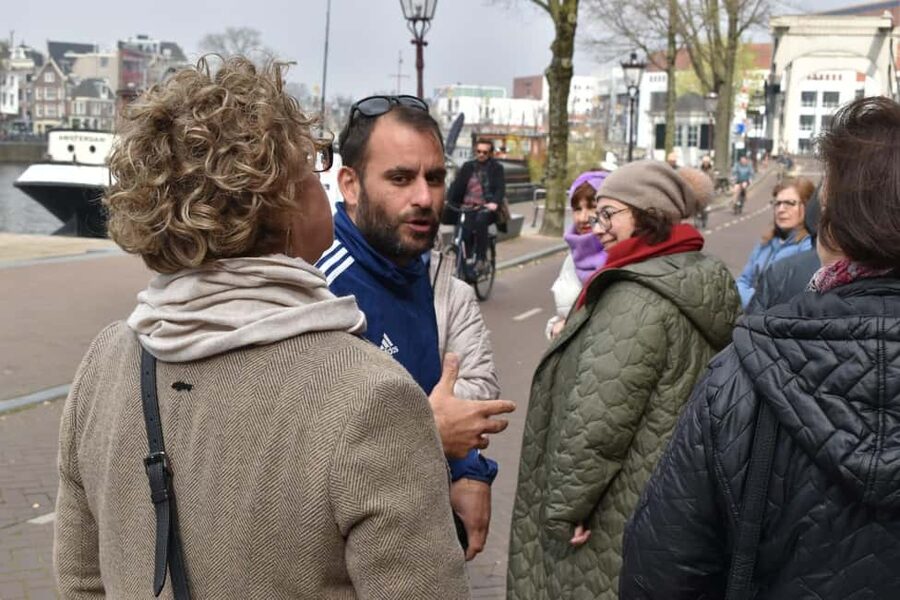
Book it if you want Amsterdam to make sense as a living place, not just a collection of monuments. You will especially like it if you value storytelling with humor, want WWII context handled with care, and like the idea of optional VR when you cannot get to the Anne Frank House.
Skip it or plan carefully if you do not like walking on uneven streets or you need wheelchair access, since it is not suitable for wheelchair users. Also, if you want only mainstream, big-name sights with no reflection component, this tour may feel too thoughtful for your taste.
If your goal is to understand the city’s liberal culture and its WWII memory in the same breath, this is one of the smarter ways to spend a half-morning or afternoon in Amsterdam.
FAQ
How long is the Amsterdam walking tour?
The tour lasts 3 hours.
What is the price per person?
The price is $40 per person.
Where is the meeting point?
You meet in front of the restaurant De Silveren Spiegel at Kattengat 4-6.
Is the Secret Annex VR experience included, and is it optional?
The VR experience is included and is optional.
What is included in the tour?
Included items are the local tour guide, a recommendations list, chocolate or biscuit, a mini Polaroid photo, a unique postcard with an official stamp, the VR experience, and coffee.
What group size should I expect?
The tour is a small group limited to 10 participants.
Is the tour suitable for wheelchair users?
No, it is not suitable for wheelchair users.
What should I bring for the walk?
Bring comfortable shoes, a camera, water, and weather-appropriate clothing.
The Golden Age Still Standing
- Amsterdam Food and Cultural Tour with Tastings
★ 5.0 · 4,315 reviews - Amsterdam: Historic City Centre Canal Cruise
★ 4.3 · 659 reviews - Amsterdam: Haunted History and Ghost Walking Tour
★ 4.5 · 488 reviews - Amsterdam High-End Dutch Food & History Tour – Up to 8 guests
★ 5.0 · 482 reviews
Newest on the canal ring
- Amsterdam Bike Food Tour with Private Guide★ 5.0 · 1 review
- Amsterdam: Rijksmuseum Private Tour with an Art Historian★ 5.0 · 1 review
- Happy B-day Amsterdam! Guided Tour with a History Buff★ 5.0 · 1 review
- Local Foodie Adventure in Amsterdam★ 5.0 · 1 review
- Private Photo Shoot in Amsterdam with a Professional Photographer★ 5.0 · 1 review
- Private day trip to Giethoorn and the Enclosing Dike★ 5.0 · 1 review
- Private Sightseeing Tour to Giethoorn from Amsterdam incl. canal cruise★ 5.0 · 1 review
Anne Frank House Tickets, compared.

Amsterdam Anne Frank: Small-Group Walking Tour & Local Guide
Read our review →
Anne Frank’s Story – Guided Walking Tour through Amsterdam
Read our review →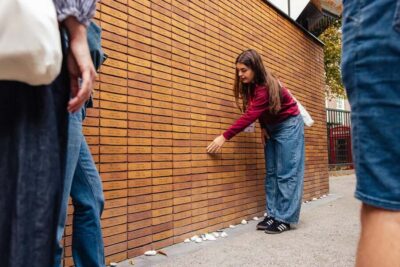
Anne Frank Guided Walking Tour in DE/EN/IT/ES
Read our review →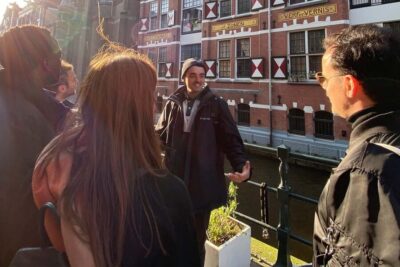
Anne Frank Walking Tour Amsterdam Including Jewish Cultural Quarter
Read our review →
Anne Frank’s Last Walk & See Anne Frank House in Virtual Reality
Read our review →
Anne Frank and Jewish Quarter Amsterdam Private Walking Tour
Read our review →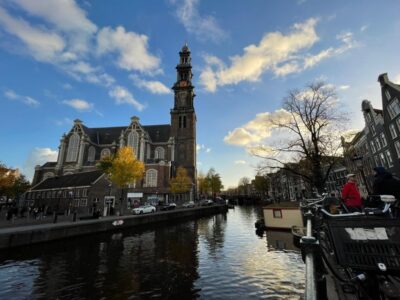
Anne Frank’s Last Walk & Visit Anne’s House in VR
Read our review →Browse the lists this tour appears in