
Reviewed · HISTORICAL TOURS
Financial History Tour
Amsterdam has money stories everywhere. This private walk connects financial innovation to the streets around the Dam, and it does it in a way that feels current, not dusty.
I especially loved the way the guide, Tijs de Boer, makes concepts click fast, with practical local hints as you move through the city. You also get photo-friendly stops with plenty of chances to frame the buildings and the waterfront vibe without rushing.
One heads-up: the tour is short and structured, with only about 10 minutes at each main stop, so it is more overview and context than a long museum day.
In This Review
- Key highlights that make this tour worth your time
- Amsterdam Money, Explained in 2.5 Hours
- Price and value for a group of up to 10
- Starting at Beursplein, entering the money-world in architecture form
- Beurs van Berlage and the exchange mindset you can actually feel
- Stadsarchief Amsterdam basement archives in a former bank building
- Merchants, money-making, and the role of records
- Tulip Mania and the bubble story Amsterdam turned into a lesson
- Hidden spots between the Dam area and Rokin, with time for photos
- Private and flexible: why that format helps this topic
- How to get the most out of a 2.5-hour walking story
- Who this Amsterdam financial history tour fits best
- Should you book this Financial History Tour?
- FAQ
- How long is the Financial History Tour in Amsterdam?
- Where does the tour start?
- Where does the tour end?
- Is this tour private?
- How many people are in a group and what does it cost?
- What language is the tour offered in?
- Is there a mobile ticket?
- Are admission tickets included at the stops?
- What is the cancellation policy?
Key highlights that make this tour worth your time
- Tijs de Boer delivers sharp, friendly insights that turn finance terms into real street-level stories
- Beurs van Berlage anchors the start, linking Amsterdam’s trading energy to a specific exchange building
- Stadsarchief Amsterdam takes you into the basement of a 1920s bank building to see the city’s archival side
- Tulip Mania gets explained as a bubble story, tied to Amsterdam and its trading culture
- Private and flexible pacing, with time for photos as you cross from the Dam area toward Rokin
Amsterdam Money, Explained in 2.5 Hours
If you’ve ever wondered why Amsterdam looks the way it does, this tour gives you an answer that starts with money. The city’s financial ideas shaped its culture, its buildings, and even how people talked, invested, and recorded events. In other words, you’re not just sightseeing. You’re learning how the “why” behind the streets works.
This is a private tour for your group only, offered in English, and it runs about 2 hours 30 minutes. That time window is perfect if you want a focused story without spending your whole day in museums.
The route is also designed to help you orient quickly. You begin near Beursplein in the Dam area and finish on the other side of the Dam, about 500 meters from where you started. That short end-to-end distance matters, because you can keep your day plans simple and still feel like you learned something big.
More of the Golden Age still standing:
- Amsterdam Food and Cultural Tour with Tastings
★ 5.0 · 4,315 reviews - Amsterdam: Historic City Centre Canal Cruise
★ 4.3 · 659 reviews - Amsterdam: Haunted History and Ghost Walking Tour
★ 4.5 · 488 reviews
Price and value for a group of up to 10
The price is $390.50 per group, for up to 10 people. That pricing model is one of the smartest parts of the experience, because the cost can become reasonable fast if you’re traveling with friends or family.
Here’s the simple math: if your group fills to 10 people, you’re effectively paying about $39 per person. If you have fewer people, it costs more per person, but you still get a private, flexible format instead of standing with strangers.
Two other value signals: you get a mobile ticket, and this tour includes admission at one of the stops. Also, it tends to sell ahead, with an average booking window of about 28 days. If you’re traveling in peak season or want a specific time, plan early.
Starting at Beursplein, entering the money-world in architecture form
You meet at Bistro Berlage, Beursplein 1 (1012 JW Amsterdam). The meeting point is useful because it puts you right in the Dam-and-exchange zone, where Amsterdam’s financial identity is literally built into the skyline.
Your first stop is Beurs van Berlage, and it’s a great opener. This building sits in the web of exchange structures Amsterdam built around the Dam area, so it instantly frames the theme: trading wasn’t just happening in the background, it shaped what got constructed and where.
This stop has free admission, and that matters for two reasons. First, it keeps your money focused on the guide and storytelling, not extra fees. Second, it gives you a low-stress start if you want to arrive, get oriented, and begin learning right away.
What you should expect from this opening moment is not a lecture that lasts forever. It’s a short, high-impact set-up that tells you what kind of “money stories” you’ll be seeing next, and why the rest of the walk makes sense.
Beurs van Berlage and the exchange mindset you can actually feel
Standing at Beurs van Berlage, you get a sense of how Amsterdam treated commerce like civic infrastructure. The tour leans into that idea, connecting the exchange world to the broader culture and heritage of the city.
This is where your guide’s style really helps. With Tijs de Boer, you’re not just told that finance mattered. You’re shown what that meant in real terms: how people gathered around exchange spaces, how commerce shaped the urban fabric, and how Amsterdam became a place where financial innovation could take hold.
If you care about design, you’ll likely enjoy the architecture discussion. If you care more about people and behavior, you’ll also get something. The building becomes the story anchor, so even the abstract parts feel grounded.
A different use for the same hours in Amsterdam:
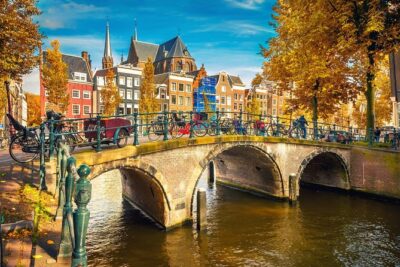



Stadsarchief Amsterdam basement archives in a former bank building
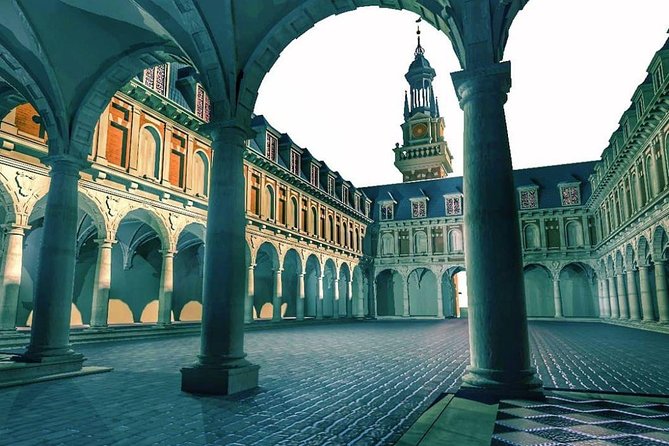
The second main stop is Stadsarchief Amsterdam, and it includes admission. This is the kind of place that surprises people in a good way, because you’re not just looking at paperwork. You’re seeing how records live in physical spaces.
You’ll spend time at a location housed in a 1920s bank building, and the focus is on what the basement holds. The tour highlights the idea that archives are a financial tool too. Records can stabilize trust, prove transactions, and shape how future generations understand what happened.
This stop is only about 10 minutes, so don’t expect a long wander. Instead, think of it as a “how the system remembers” chapter. The story connects back to Amsterdam’s merchants and the way financial activity left trails that the city kept.
A quick note on pacing: if you love slow museum-style browsing, you might feel you blink and the stop is already over. That is the tradeoff for a 2.5-hour tour that stays mobile and keeps the narrative moving.
Merchants, money-making, and the role of records
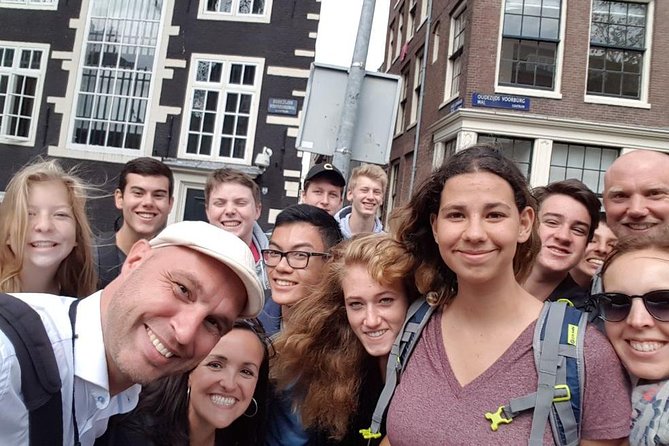
Once you’re in the archives setting, the tour shifts from buildings to the people behind the money. You get questions framed in plain language: who the rich merchants were, how they made their money, and what that meant for the city.
This is also where the experience feels useful beyond entertainment. When you understand who profited and how transactions were tracked, you start noticing the money logic behind the streets you see later.
It’s a nice balance because the guide keeps the topic tied to Amsterdam instead of getting lost in generic finance talk. You learn why the “financial heart” of Amsterdam wasn’t only about profit. It was also about organization, documentation, and credibility.
Tulip Mania and the bubble story Amsterdam turned into a lesson
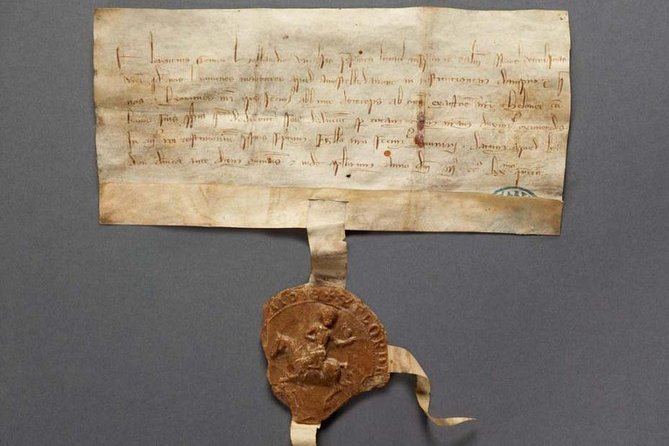
The tour’s theme hits a memorable point when it tackles the creation of the first economic bubble, with a focus on Dutch Tulip Mania. Whether you know the story already or only know the headline, you’ll likely appreciate how it’s explained in the context of Amsterdam.
The key value here is the connection between culture and finance. Tulip Mania isn’t treated as a standalone curiosity. Instead, it becomes a case study in how markets, hype, and trading behaviors can spiral.
You’ll hear it framed in a way that matches the city you’re walking. Amsterdam becomes the context for why people speculated, why they believed, and how a bubble can form when money, attention, and trading mechanics line up.
If you like history that teaches you something about how economies behave, this is the part you’ll remember later. It turns a familiar name into a clearer story you can actually explain.
Hidden spots between the Dam area and Rokin, with time for photos
One of the best practical parts of this tour is that it’s built as a walk-through. You travel through the city and get time at multiple points that are naturally photo-friendly, including the Dam area and the move toward Rokin.
You’ll also be guided to lesser-known corners along the way, the sort of spots you might not find if you were just following a museum list. This matters because it’s where the tour feels like local knowledge, not a script.
Bring a phone with decent camera capability, and wear shoes you’re comfortable in for uneven sidewalks. The tour includes a moderate physical fitness level, so you should expect walking through real city terrain.
Also, because it’s private, you can adjust photo time. If you want an extra minute by a landmark, your guide can typically manage it within the tour’s overall flow.
Private and flexible: why that format helps this topic
For a subject like financial history, a private format can be a real advantage. Finance can be abstract, and your questions shape how the guide explains it.
That flexibility is one of the most praised parts of the experience, and it makes sense. You’re not trapped listening to someone else’s pace. Your group can ask for clarification, and the guide can steer the storytelling toward what you actually care about.
Tijs de Boer is specifically called out for being full of insights and local hints. That combination is useful because you leave with more than facts. You leave with a mental map of how Amsterdam thinks about money, trust, and commerce.
The guide also keeps the walk moving, so you get a full arc in one session, instead of getting stuck in one place.
How to get the most out of a 2.5-hour walking story
This kind of tour rewards smart expectations. It is not trying to be a full museum day. It’s more like a high-quality guided story that uses two main stops plus walking connections to build the theme from start to finish.
A good way to enjoy it:
- Ask your guide what to look for in the buildings and streets as you move
- Take photos when the group pauses, not while walking
- After the tour, revisit the area around the Dam and Rokin on your own, using what you learned as your lens
If your priority is deep, timed museum browsing, you might want to add separate tickets on another day. If your priority is understanding why Amsterdam’s financial era mattered and how that shows up on the ground, this format is ideal.
Who this Amsterdam financial history tour fits best
This tour is a strong match if you:
- Like stories that connect finance to real city life
- Enjoy walking tours where each stop changes how you interpret the next one
- Want a private guide who can tailor explanations in English
It’s also a good choice for couples, friend groups, and families with a mixed interest level, because the theme stays consistent while the delivery feels approachable.
The one group that may not love it is people who want long indoor time. With about 10 minutes per main stop, it offers a curated highlight, not extended self-paced exploration.
If you’re someone who gets impatient with abstract topics, the guide’s teaching approach is designed to make concepts understandable fast. That’s a big reason the experience has an excellent reputation.
Should you book this Financial History Tour?
I’d book it if you want a clear, guided explanation of why Amsterdam’s financial ideas shaped the city, and you want to do it in one efficient session. The private format, the strong guide presence, and the combination of exchange architecture plus archive storytelling make it a smart use of time.
I would skip or supplement it if your main goal is spending hours inside museums. The stops are short, and the value is in the narrative arc and context, not in long on-site exploration.
If you’re in Amsterdam and you have room for one 2.5-hour “money and city” experience, this is a solid bet.
FAQ
How long is the Financial History Tour in Amsterdam?
It lasts about 2 hours 30 minutes.
Where does the tour start?
The tour starts at Bistro Berlage, Beursplein 1, 1012 JW Amsterdam.
Where does the tour end?
The tour ends at Rokin 24HS, 1012 KS Amsterdam, about 500 meters from the start across the Dam.
Is this tour private?
Yes. It is a private tour, so only your group participates.
How many people are in a group and what does it cost?
The price is $390.50 per group, up to 10 people.
What language is the tour offered in?
The tour is offered in English.
Is there a mobile ticket?
Yes, the tour uses a mobile ticket.
Are admission tickets included at the stops?
Beurs van Berlage has free admission. Stadsarchief Amsterdam includes admission.
What is the cancellation policy?
You can cancel for a full refund up to 24 hours before the experience’s start time. Cancellation rules are based on local time.
Newest on the canal ring
- Amsterdam Bike Food Tour with Private Guide★ 5.0 · 1 review
- Amsterdam: Rijksmuseum Private Tour with an Art Historian★ 5.0 · 1 review
- Happy B-day Amsterdam! Guided Tour with a History Buff★ 5.0 · 1 review
- Local Foodie Adventure in Amsterdam★ 5.0 · 1 review
- Private Photo Shoot in Amsterdam with a Professional Photographer★ 5.0 · 1 review
- Private day trip to Giethoorn and the Enclosing Dike★ 5.0 · 1 review
- Private Sightseeing Tour to Giethoorn from Amsterdam incl. canal cruise★ 5.0 · 1 review
Historical Tours, compared.

Amsterdam Food and Cultural Tour with Tastings
Read our review →

Amsterdam High-End Dutch Food & History Tour – Up to 8 guests
Read our review →

Anne Frank and the Jewish History of Amsterdam Private Tour
Read our review →
Luxury Canal Cruise with Historic VR Experience
Read our review →Browse the lists this tour appears in