
Reviewed · RIJKSMUSEUM TICKETS
Rijksmuseum Guided Tour, private local Dutch guide
Two hours, endless Dutch art clues. This private Rijksmuseum experience is led by a local Dutch guide, so you get personal pacing and a sharp focus on Rembrandt and Vermeer instead of a rushed checklist. The one drawback to note: with only around 2 hours, you will not cover every single room, so you will want to prioritize what you care about most.
I like how the tour feels customizable to your art-history interests. You are not stuck with a one-size-fits-all route, and the guide uses humor and clear explanations to connect paintings, sculpture, and the big historical forces behind them. It is also designed for people who want privacy, since only your party participates.
Practical details help too. You start at Cobra Café on Hobbemastraat, and you end at the Rijksmuseum’s downstairs atrium, with the cloakroom built in after you enter. Do bring your own bottle of water, bottled water is not included.
In This Review
- Quick Takeaways Before You Go
- Private Rijksmuseum Tour, Not a Crowd Chore
- Start at Cobra Café, End in the Rijksmuseum’s Downstairs Atrium
- Outside Pierre Cuypers, Before the Art Even Starts
- Enter, Use the Cloakroom, and Get a Clear Game Plan
- Dutch Renaissance Painting and Sculpture, Plus the Reformation Backstory
- The Great Hall: Cuypers’ Vision and Real Craftsmanship
- Rembrandt Highlights: The Night Watch and a Whole Network of Works
- Vermeer in One Visit: Small Scenes with Big Impact
- Pacing, Seating Options, and How to Make the Most of Two Hours
- Price and Value: What $150.18 Buys You
- Who This Rijksmuseum Tour Suits Best
- Should You Book This Private Rijksmuseum Guided Tour?
- FAQ
- How long is the Rijksmuseum guided tour?
- What is the price per person?
- Is this a private tour for my group only?
- Is the tour offered in English?
- What is included in the ticket price?
- Can I cancel and get a full refund?
Quick Takeaways Before You Go
- Private by default: only your group joins, so questions and pacing stay comfortable.
- Art + building in one loop: you start outside with Pierre Cuypers’ vision, then move into the Great Hall.
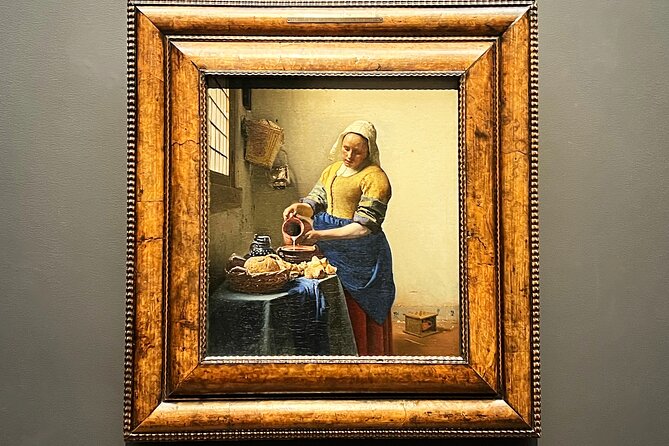
- Targeted masterpieces: The Night Watch, multiple Rembrandts, plus Vermeer’s The Milkmaid, The Love Letter, Woman Reading a Letter, and The Little Street.
- History you can see: artifacts tied to the Protestant Reformation and the Eighty Years War give paintings real context.
- You get a seat option: portable stools are available if standing is not your friend.
Private Rijksmuseum Tour, Not a Crowd Chore
The big win here is the private format. Instead of weaving through peak-time groups, you can settle into a rhythm that matches your interests, pause when something grabs you, and ask questions without feeling rushed. That is a real value when you are paying extra for a guided experience, because the guide can tailor the flow to your group.
This is also built for art-lovers who want more than name-dropping. The guide does not just point at famous works, they connect themes across time, including Dutch Renaissance art, major turning points in religion and politics, and how those forces show up in what Dutch artists painted and sculpted. If you like your museum visits with meaning, this format tends to work well.
The English offering matters, especially for visitors who want museum-level nuance without translation gaps. Offered in English, with a local Dutch guide, you get explanations that sound grounded and specific, not generic museum-speak.
More ways into the Rijksmuseum:
- Amsterdam: Rijksmuseum Entry Ticket
★ 4.7 · 29,512 reviews - Amsterdam: City Canal Cruise and Rijksmuseum
★ 4.5 · 2,226 reviews - Rijksmuseum Amsterdam Small-Group Tour with Private Upgrade
★ 4.5 · 1,547 reviews
Start at Cobra Café, End in the Rijksmuseum’s Downstairs Atrium
You begin at Cobra Café, Hobbemastraat 18, in Amsterdam. From there you go into the museum and get oriented before the main viewing. It is a small thing, but good meeting points reduce stress, and they help your group arrive together instead of scattering.
You finish in the Rijksmuseum’s downstairs atrium. That matters if you plan a post-tour stop for coffee or a quick bite, since you will already be inside the museum complex when the tour wraps.
One more practical detail I appreciate: the tour includes a cloakroom stop right after entering. Museums can be unpredictable with coats and bags, so having cloakroom time folded into the visit keeps your viewing from turning into a constant logistics game.
Outside Pierre Cuypers, Before the Art Even Starts
You start with a look at the Rijksmuseum building from the outside. This is not just a photo opportunity. The guide sets up the architectural story, including the historical context for when the museum was built and the vision of its architect, Pierre Cuypers.
Why this works: Cuypers’ design choices shape how you experience the museum once you step inside. You notice the scale, the layout, and the way space signals importance, so the Great Hall and major galleries feel less like random rooms and more like a planned experience.
It also gives you a better sense of what the museum is trying to do with its collection. Many museum visits start immediately with paintings, but starting with the building primes you to understand the museum as a cultural project, not just a container for art.
Enter, Use the Cloakroom, and Get a Clear Game Plan
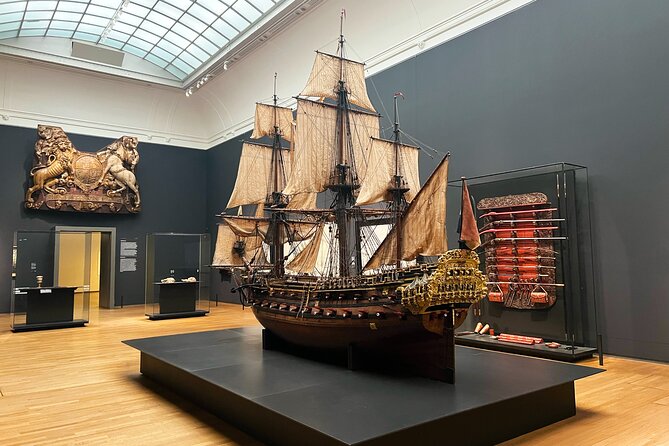
Once inside, you head to the museum entrance and cloakroom before the guide launches into the collection overview. The tour then introduces the collection and the itinerary so you know what you are aiming for.
This is underrated. When you understand the path in advance, you stop spending mental energy guessing what matters. You get to focus on details like composition, themes, and how different artists treat light, narrative, and character.
If you have ever left a museum feeling like you saw a lot but remembered nothing clearly, this kind of setup can help. You get a guided thread, and the famous works become part of a story instead of isolated stops.
Some other canal-ring outings to set against this


Dutch Renaissance Painting and Sculpture, Plus the Reformation Backstory
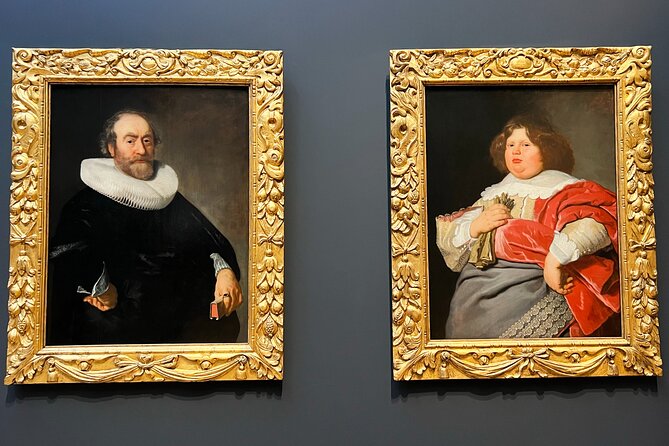
Early in the visit, the guide highlights Dutch Renaissance painting and sculpture. You also get historical artifacts that tie into major religious and political shifts, specifically the Protestant Reformation and the Eighty Years War.
This part is valuable because it changes how you interpret what you see later. A painting is easier to understand when you know the tensions of the time, the values being debated, and what audiences expected images to communicate. The museum becomes less about style and more about meaning.
A possible drawback here is also worth mentioning: if your interests are strictly limited to one artist or to one period, you might find the broader historical framing takes a bit of time. Still, the tour is customizable, so it is worth telling your guide what you want to prioritize so the story stays useful for your group.
The Great Hall: Cuypers’ Vision and Real Craftsmanship
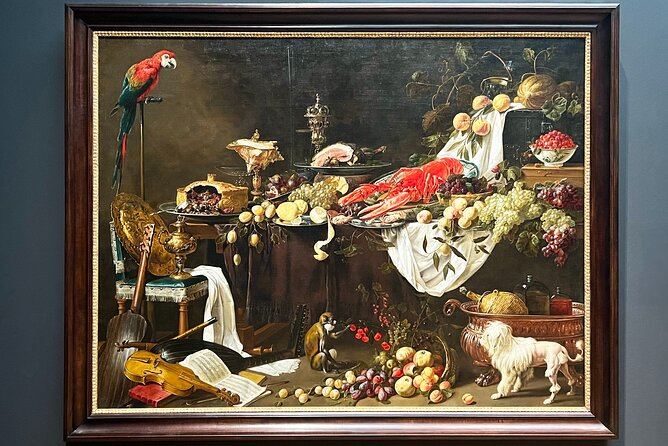
You then move into the Great Hall. This is where the architectural thinking becomes visible in a big way. The guide explains the architect’s vision and draws your attention to craftsmanship, including what the artisans contributed to the sense of grandeur.
Why you should care: the Great Hall does not just look impressive. It sets the tone for how you interpret the rest of the museum. When the space communicates pride, control, and craft, it nudges you to notice how similar values show up in the precision of paintings and the seriousness of subject matter.
If you enjoy architecture, this stop often lands as a highlight on its own. Even if you came for paintings, the Great Hall can help you feel the museum as an experience, not just an item list.
Rembrandt Highlights: The Night Watch and a Whole Network of Works
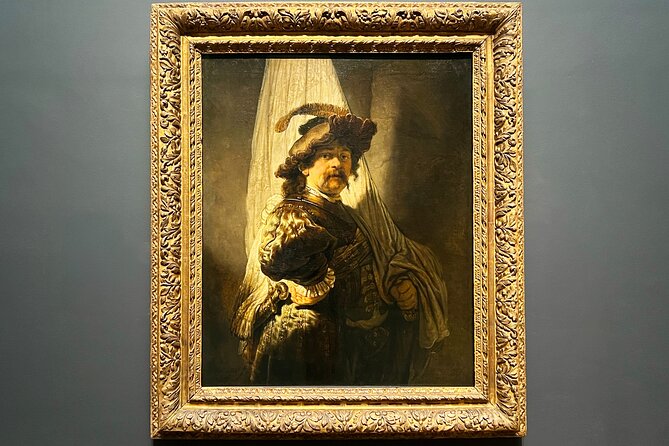
Rembrandt is the anchor of the visit, and the guide focuses you on the works that most connect to the famous masterpiece, The Night Watch. You hear about related artifacts before going deeper into the paintings, so the experience builds instead of jumping straight to a single icon.
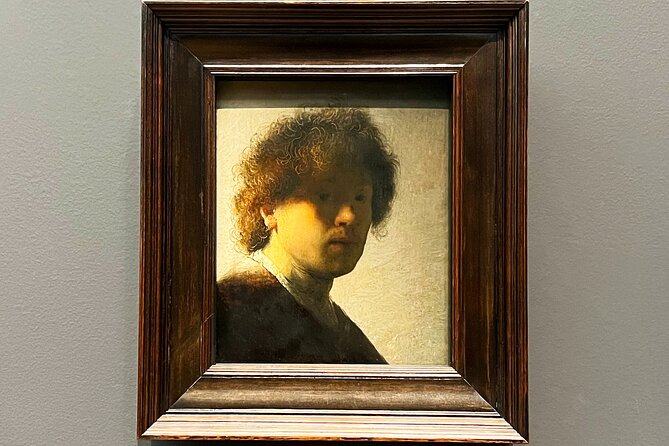
The Night Watch is of course the centerpiece. But you also see other Rembrandt works that broaden the range of what he could do, including The Standard Bearer, Self-portrait as the Apostle Paul, Syndics of the Draper’s Guild, and The Jewish Bride.
Here is what I like about this approach. Many museum tours hit The Night Watch and then sprint away. This one keeps the momentum by showing you how Rembrandt’s interests shift, from portrait-like presence and group identity to religious symbolism and emotional intensity.
You get enough context to notice more than the surface. The guide helps you track themes across these pieces, so the works feel connected rather than random stops. In practice, that usually means you leave remembering how the stories and character choices fit together.
Vermeer in One Visit: Small Scenes with Big Impact
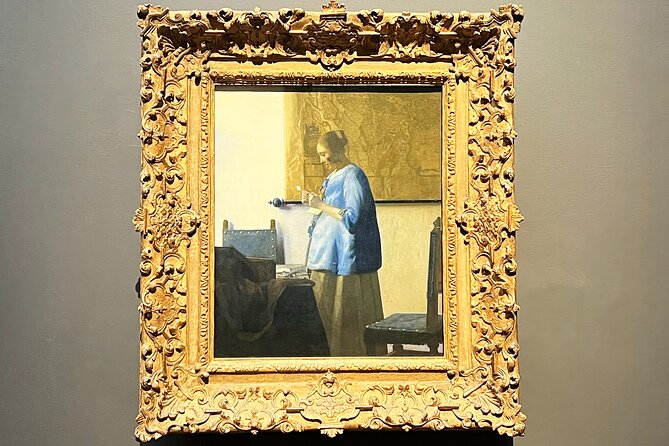
After Rembrandt, the tour brings you to Vermeer. You see The Milkmaid, The Love Letter, Woman Reading a Letter, and The Little Street.
What makes this pairing smart is the contrast. Rembrandt and Vermeer are both masters, but they operate with different storytelling tools. Rembrandt gives you drama and presence, while Vermeer leans into quiet observation and the weight of everyday moments.
Even with a short overall tour, the guide gives you enough framing to make Vermeer feel more intentional than just pretty interiors. You can start noticing how the scenes direct your attention, how light supports the narrative, and how expression and gesture carry the story.
If you are the type who likes to return to one artist you love, this tour can also set up your next museum visit. You will know what to seek out later, because you have already seen the core works in a guided context.
Pacing, Seating Options, and How to Make the Most of Two Hours
The tour runs for about 2 hours. That is a sweet spot for many visitors who want a focused museum hit without turning the day into a marathon. But it also means you should show up with at least a rough plan.
Here is my practical advice. Before you go, think about whether you want the most time on Rembrandt and Vermeer, or whether you want the historical artifacts and architecture to weigh more. Then tell the guide. The tour is customizable, and that is the lever that helps this short duration feel satisfying.
Comfort matters too. Portable stools are available, which helps if you want to stand only when it is worth it. Service animals are allowed, and the tour runs in a way that most people can participate.
One more small note: bottled water is not included. If you tend to get thirsty during museum walks, plan ahead.
If you are traveling with kids, young children must be seated in a stroller. The good news is that a well-timed, guided narrative can keep children engaged because it gives structure and stops them from treating the museum like a scavenger hunt.
Price and Value: What $150.18 Buys You
At $150.18 per person for a private, English-led local Dutch guide, this is not a budget experience. The value comes from what is included and what you avoid.
Admission tickets and the cloakroom are included, so you are paying for the guide plus the museum entry, not paying a second time at the door. You also get a private format that helps you bypass the crowd effect, at least in terms of pacing and comfort. For many art-lovers, that alone makes the higher per-person cost feel easier to justify.
Booking demand is also a clue. On average, this gets booked about 71 days in advance, which often means planning ahead helps you secure a good time window. If your dates are flexible, you might still be able to find availability, but the lesson is simple: popular museum time slots tend to disappear.
Is it worth it for everyone? If you are the type who enjoys reading a map and wandering, you could spend less. But if you want interpretation, context, and a route shaped around Rembrandt, Vermeer, and the museum’s meaning, the price starts to look fair fast.
Who This Rijksmuseum Tour Suits Best
This tour fits best if you love Dutch art and you want to understand it without doing homework first. It is also ideal if you want a guided experience that connects paintings to the larger historical story, especially the Protestant Reformation and the Eighty Years War.
It is a strong pick for:
- art-history fans who like context, not just impressions
- visitors who want a smoother museum day, with fewer crowds-related headaches
- small groups who would rather ask questions and linger when something grabs them
- anyone who plans to spend time in Amsterdam and wants the Rijksmuseum visit to count
It might not be ideal if you want to see every gallery at a slow pace. With only about 2 hours, this is better treated as a curated path through the museum’s biggest themes and most famous works.
Should You Book This Private Rijksmuseum Guided Tour?
If your goal is to walk into the Rijksmuseum and leave with a clear understanding of what you saw, I think you should book it. The guide-focused format, the emphasis on major artists like Rembrandt and Vermeer, and the added context of Pierre Cuypers’ architecture and key historical artifacts all work together.
On the other hand, if you mainly want to wander freely or you already know exactly what you want to see and you are comfortable doing it without a guide, you might decide to save your budget. The deciding factor is simple: do you want meaning guided for you, or do you want to self-explore?
If you can answer yes to wanting the story and yes to prioritizing the top masterpieces, this private 2-hour tour is a smart value.
FAQ
How long is the Rijksmuseum guided tour?
It runs for about 2 hours.
What is the price per person?
The price is listed at $150.18 per person.
Is this a private tour for my group only?
Yes, it is private, and only your group participates.
Is the tour offered in English?
Yes, it is offered in English.
What is included in the ticket price?
Museum admission tickets and cloakroom access are included.
Can I cancel and get a full refund?
Yes. You can cancel up to 24 hours in advance for a full refund.
Newest on the canal ring
- Amsterdam Bike Food Tour with Private Guide★ 5.0 · 1 review
- Amsterdam: Rijksmuseum Private Tour with an Art Historian★ 5.0 · 1 review
- Happy B-day Amsterdam! Guided Tour with a History Buff★ 5.0 · 1 review
- Local Foodie Adventure in Amsterdam★ 5.0 · 1 review
- Private Photo Shoot in Amsterdam with a Professional Photographer★ 5.0 · 1 review
- Private day trip to Giethoorn and the Enclosing Dike★ 5.0 · 1 review
- Private Sightseeing Tour to Giethoorn from Amsterdam incl. canal cruise★ 5.0 · 1 review
Rijksmuseum Tickets, compared.
Rijksmuseum Amsterdam Small-Group Tour with Private Upgrade
Read our review →
Rijksmuseum Entry Ticket and Canal Cruise Combo
Read our review →
Go City Amsterdam Pass: Attractions Pass with Rijksmuseum
Read our review →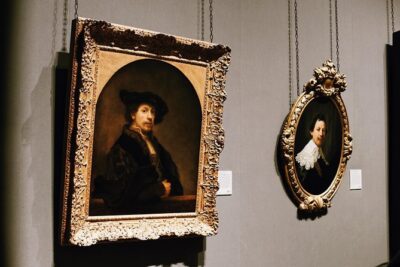
Rijksmuseum Amsterdam Exclusive Guided Tour w/ Reserved Entry
Read our review →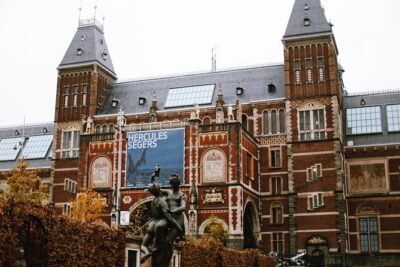
Van Gogh & Rijksmuseum w/ Reserved Entry Semi-Private 8ppl Max
Read our review →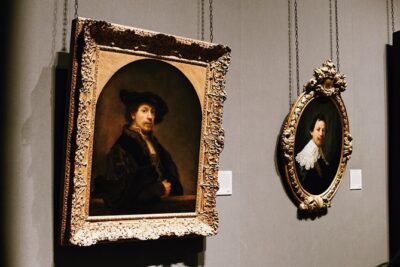
Van Gogh & Rijksmuseum w/ Reserved Entry Exclusive Guided Tour
Read our review →Browse the lists this tour appears in