
Reviewed · RED LIGHT DISTRICT WALKING TOURS
Private Amsterdam Red Light District tour with food tastings
Adult history, snack stops, and old engineering.
This private Amsterdam Red Light District tour turns a guidebook area into something you can actually understand, with a focused walk, food tastings, and expert facts in English.
I like two things most. First, you get guided context that covers the colorful history, including prostitution and coffeeshop culture. Second, the tastings are worked into the route, so you learn and sample the neighborhood at the same time.
One consideration: the setting is adult-focused, so if that vibe makes you uneasy, you may want to choose a different style of tour.
In This Review
- Key things to know before you go
- Why this Red Light District tour feels different than a standard stroll
- Price and what you’re really paying for
- The two-hour route, built around stops that actually explain the city
- Stop 1: The Red Light District, plus the coffeeshop and history context
- The Dam area: Amsterdam’s city built on wooden poles
- Old Town context within the Red Light District
- Pub The Ape (Int Aepjen): a rare wooden building from around 1540
- Waag: the old city gate turned guild space
- The smallest house: a VOC storage link to everyday life
- The condom shop since 1987: modern practicality in an adult neighborhood
- Guides, pacing, and questions you will actually get to ask
- Food tastings: how to make the most of them
- Who should book this tour, and who should skip it
- Final verdict: should you book the private Red Light District food tour?
- FAQ
- How long is the private Amsterdam Red Light District tour with food tastings?
- What is the price per person?
- Is this tour private or shared?
- What languages is the tour offered in?
- Is there a mobile ticket?
- Where does the tour start?
- Is free cancellation available?
Key things to know before you go
- Private, English-speaking guide with room to customize the route to your interests
- Food tastings during the walk, not just a lecture on street corners
- Old Town landmarks nearby, including the Old Church and Chinatown areas
- Amsterdam’s foundation story, including wooden poles driven about 11 meters down
- Small, specific historic stops, from Pub The Ape to the Waag and the smallest house
Why this Red Light District tour feels different than a standard stroll
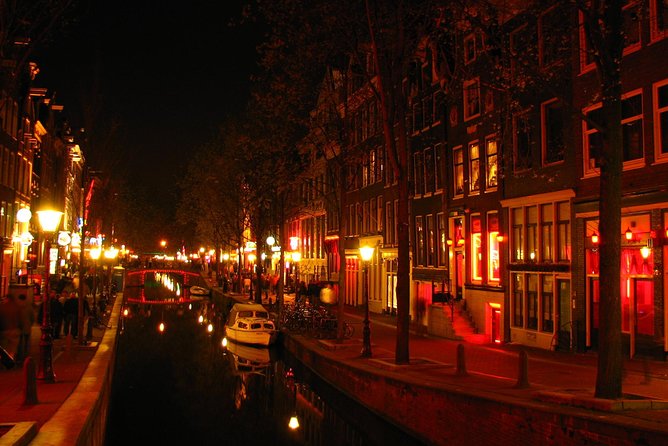
The Red Light District can be easy to treat like scenery. This tour does the opposite. You get a guided walk that explains how the area formed, how it changed, and why Amsterdam’s city layout and building style are part of the story.
You should come in expecting honesty and detail. The guide talks about prostitution history and the coffeeshop culture, and you’ll also pass major nearby landmarks like the Old Church area and Chinatown. That mix matters because it stops you from seeing just neon and windows. You start seeing streets, institutions, and old buildings that still shape the neighborhood today.
Because it’s private, the pacing tends to match your group. If you have questions, this is the kind of tour where you actually get answers, not just a quick overview and a shuffle to the next corner. In the feedback for this tour, guides like Aaron, Sander, and Tony are singled out for thorough explanations, humor, and good pacing.
More walks through the Wallen:
- Amsterdam: Red Light District Tour in DE/EN/IT/ES/FR
★ 4.9 · 7,136 reviews - Amsterdam: Red Light Secrets Museum Entry Ticket
★ 4.2 · 5,722 reviews - Amsterdam Red Light District & Coffee Shop Tour
★ 4.6 · 4,134 reviews
Price and what you’re really paying for
At $121.52 per person for about 2 hours, you’re not buying a cheap bus-tour deal. You’re paying for three things that usually cost extra elsewhere: a private guide, a walking route with multiple named historic stops, and food tastings that are included as part of the experience.
If you’re coming with friends, group discounts can help lower the per-person cost. If you’re traveling solo or in a small group, the value comes from not getting stuck in a rigid, crowded group rhythm. A private format also makes it easier to customize, which matters in a neighborhood like this where people’s comfort levels and curiosities can vary a lot.
The two-hour route, built around stops that actually explain the city
This is a tight walk, roughly two hours, and it ends back at the meeting point. The meeting point is at ParkBee Parking NH Collection Amsterdam Barbizon Palace, Prins Hendrikkade 59, 1012 AD Amsterdam.
The heart of the tour is the Red Light District itself, but the stops you make are there to give you context. Think of it as layers. You start with what the area is known for, then you shift to Amsterdam’s older foundations and buildings that shaped the whole city.
Stop 1: The Red Light District, plus the coffeeshop and history context
You begin in the Red Light District and your guide sets the stage. Expect discussion of the area’s prostitution history and coffeeshop culture, with facts meant to explain how Amsterdam handled these topics over time.
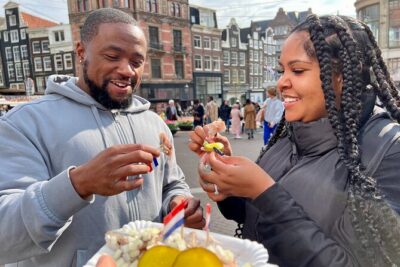
The tour also includes food tastings at different places along the way. I like this approach because it keeps the experience human. You’re not just walking past the topic and moving on, you’re also sampling the surrounding local vibe as you go.
Two practical tips for this part:
- Wear comfortable shoes. The tour is short, but you’ll still be on your feet for a full walk.
- If you want to customize, say it early. For example, you might focus on history and architecture over the more adult-focused elements, or vice versa.
More herring carts and stroopwafel stops in a row:

The Dam area: Amsterdam’s city built on wooden poles
One of the most interesting non-obvious stops is the explanation of Amsterdam’s foundations. You’ll hear about the city’s soft soil and why buildings are built on wooden piles that reach solid sand. The guide notes that the sandy layer is about 11 meters deep, which is wild to picture when you’re standing in the street looking up at buildings.
This part helps you understand why Amsterdam looks the way it does. City planning, building materials, and long-term stability are not background details here. They’re part of what made neighborhoods like this workable over centuries.
If you’ve visited other European cities, this stop can be a fast education. Amsterdam is famous for canals, but the more fundamental story is how the ground itself shaped the city.
Old Town context within the Red Light District
Another stop ties the Red Light District to the city’s older core. You’ll be guided to the idea that this area connects to Amsterdam’s oldest parts. The point is simple but important: the Red Light District didn’t appear out of nowhere. It sits in a part of the city where history is layered into the street plan.
This is one of those “your eyes change” moments. Once you hear how old the area is, the buildings and street corners stop looking random. They start looking like an evolution.
Pub The Ape (Int Aepjen): a rare wooden building from around 1540
One of the standout stops is Pub The Ape, known in Dutch as Int Aepjen. The guide points out that it was built around 1540 and is one of the remaining wooden buildings in Amsterdam. After the major fire in 1452, the government shifted toward brick facades, which makes the survival of this type of wooden structure feel special.
For me, this kind of stop is a reminder to look up. You’re not just hearing about history. You’re standing near a physical piece of it, close enough to notice how rare it is.
If you like architecture, this stop is a good reason to choose the tour over simply wandering. You get the why behind what you’re seeing.
Waag: the old city gate turned guild space
Next is the Waag, originally a city gate and part of Amsterdam’s defensive wall, built around the 1400s. The guide also notes it’s the second oldest building in Amsterdam.
What makes Waag more than a pretty facade is its later role. After its gate-and-wall purpose, it served as a space for guilds and craftsman organizations, with craftspeople situated within the Waag and around the square. That connection between defense, trade, and work helps you understand how Amsterdam functioned beyond the canals and storefronts.
This stop also works well if you’re curious about how cities evolve. The same stones can tell multiple stories depending on the era.
The smallest house: a VOC storage link to everyday life
You’ll also stop at the smallest house in Amsterdam, built around the 1700s. The guide explains it was first used as storage for the VOC trading company. Later on, people lived there for a very long time.
That combination is part of the charm. It links large-scale global trade to a tiny domestic footprint. Even if you are not a trade-history person, the idea lands because it’s so human. This isn’t a museum label floating in space. It’s a specific building tied to real city life.
The condom shop since 1987: modern practicality in an adult neighborhood
The tour also includes a stop connected to a condom shop that has operated since 1987 and is described as the world’s first dedicated shop for condoms. The guide notes you can get size-customized condoms and special types.
This part can feel surprisingly grounding. It moves the conversation from old debates to present-day practical needs and specialized retail. In a neighborhood known for attention and controversy, it adds a different angle: everyday choices, not just headlines.
If you’re uncomfortable with adult topics, you might prefer a route that leans more on architecture and city planning. If you want the full spectrum of what this district represents, this stop fits well.
Guides, pacing, and questions you will actually get to ask
This tour is private, and the guide is doing real work in the background to make the information stick. The pacing matters, especially in a place where the sights can pull your attention in ten directions at once.
Based on the quality notes tied to the named guides, expect answers that come with context, not just facts thrown at you. Tony is noted for answering questions and pacing based on the group’s needs. Sander is praised for being fantastic and delivering a good mix of learning and culture. Aaron is praised for information and descriptions that help you understand what you’re seeing.
One small but meaningful practical point: since it’s private, you can ask for course corrections. If you want to slow down for photos or skip a detail that’s not your interest, the tour format makes that easier.
Food tastings: how to make the most of them
You’ll stop at different places for food tastings, so you get more than a visual experience. Since the exact items are not specified, I’ll keep the advice practical.
Eat light beforehand. Tastings are usually small, but you are still sampling as you walk. Bring water if you’re the type who needs it during city walking tours.
Also, treat the tastings as part of the story. Ask the guide what you’re eating and where it fits in the neighborhood. Even if you’re not a foodie, this turns tastings into a cultural clue.
Who should book this tour, and who should skip it
This tour is a strong pick if you:
- Want history and culture explained in plain language
- Like walking tours that connect buildings to how the city works
- Are curious about how Amsterdam handles adult topics and coffeeshop culture with historical context
- Prefer private pacing and the option to customize
It may not be the best fit if you:
- Feel strongly uncomfortable with adult-focused content
- Want a family-friendly style of sightseeing with minimal discussion of prostitution-related history
If you’re unsure, you can still tailor your expectations by telling the guide what you want to emphasize. The private format is the reason that can work.
Final verdict: should you book the private Red Light District food tour?
I think this is worth booking if you want more than a quick glance at a famous neighborhood. The combination of Red Light District context, old Amsterdam foundations, and specific historic stops like Pub The Ape and the Waag makes it feel like a real city education in a short window.
Skip it only if the adult subject matter is a hard no for you. Otherwise, go in with comfy shoes, an open mind, and the willingness to ask questions. You’ll come away with a stronger sense of how Amsterdam’s past and present sit side-by-side in the same streets.
FAQ
How long is the private Amsterdam Red Light District tour with food tastings?
It lasts about 2 hours.
What is the price per person?
The price is $121.52 per person.
Is this tour private or shared?
It is a private tour, so only your group participates.
What languages is the tour offered in?
The tour is offered in English.
Is there a mobile ticket?
Yes, it includes a mobile ticket.
Where does the tour start?
The start is at ParkBee Parking NH Collection Amsterdam Barbizon Palace, Prins Hendrikkade 59, 1012 AD Amsterdam, Netherlands, and it ends back at the meeting point.
Is free cancellation available?
Yes. You can cancel up to 24 hours in advance for a full refund.
Counters, Cafes and Jenever Bars
- Amsterdam: Cozy Cheese & Wine Cruise Tasting Experience
★ 4.5 · 1,156 reviews - Amsterdam: Premium Henri Willig Cheese Tasting Experience
★ 4.7 · 1,106 reviews - Amsterdam: Food and Culture Walking Tour with Tastings
★ 4.9 · 838 reviews - Amsterdam: Zaanse Schans, Cheese Tasting & Volendam Tour
★ 4.9 · 679 reviews
Newest on the canal ring
- Amsterdam Bike Food Tour with Private Guide★ 5.0 · 1 review
- Amsterdam: Rijksmuseum Private Tour with an Art Historian★ 5.0 · 1 review
- Happy B-day Amsterdam! Guided Tour with a History Buff★ 5.0 · 1 review
- Local Foodie Adventure in Amsterdam★ 5.0 · 1 review
- Private Photo Shoot in Amsterdam with a Professional Photographer★ 5.0 · 1 review
- Private day trip to Giethoorn and the Enclosing Dike★ 5.0 · 1 review
- Private Sightseeing Tour to Giethoorn from Amsterdam incl. canal cruise★ 5.0 · 1 review
Red Light District Walking Tours, compared.
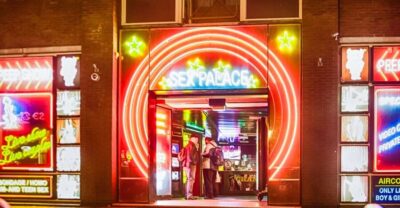
Amsterdam Red Light District & Coffee Shop Tour
Read our review →
Red Light District Pub Crawl with Unlimited Shots
Read our review →
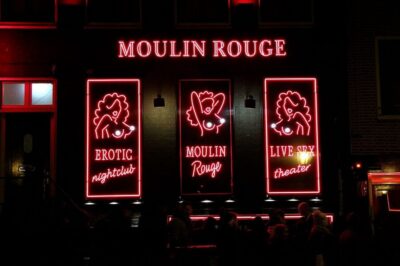
Private Amsterdam Red Light District and Coffee Shop Tour
Read our review →
Browse the lists this tour appears in